Pajama Cardinalfish: Sphaeramia nematoptera
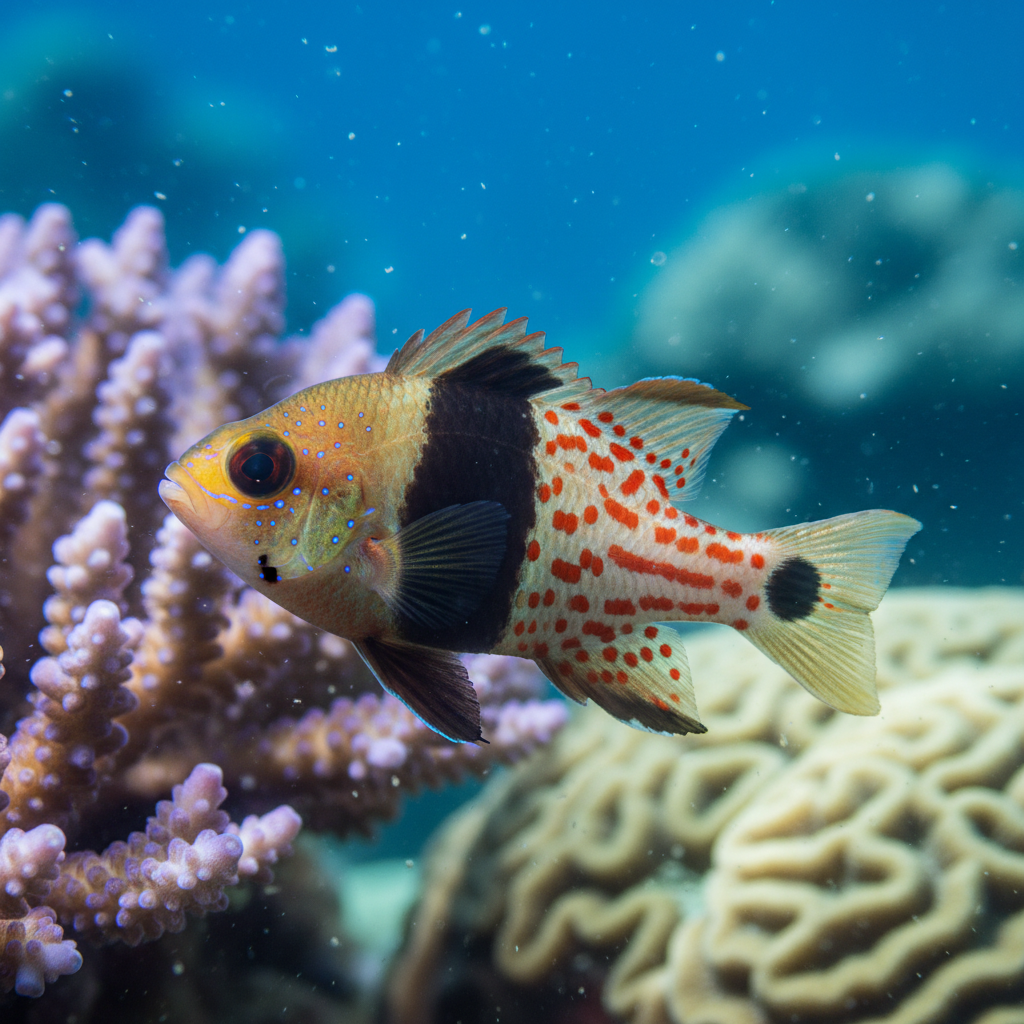
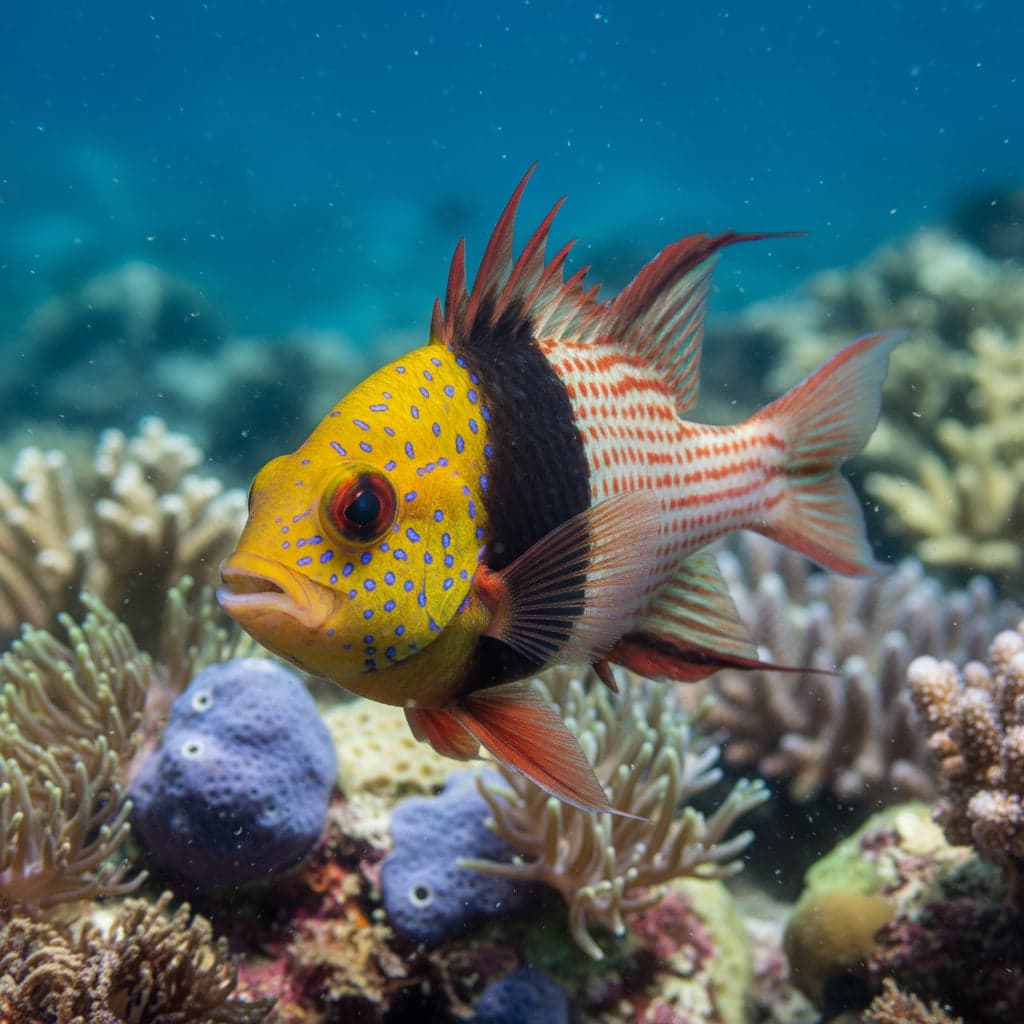
A colorful oddball with a yellow face, black waistband, and polka-dot posterior. Incredibly peaceful, hardy, and easy to keep.
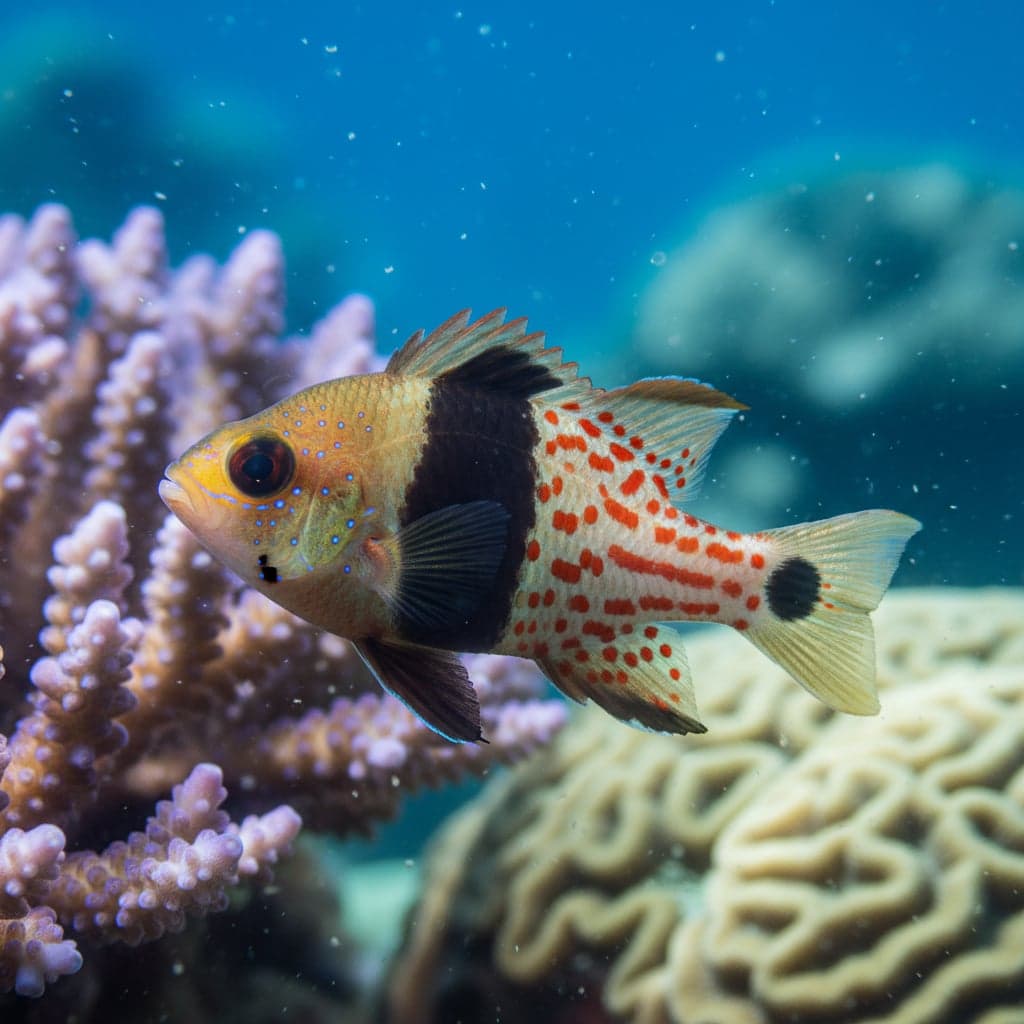
Pajama Cardinalfish
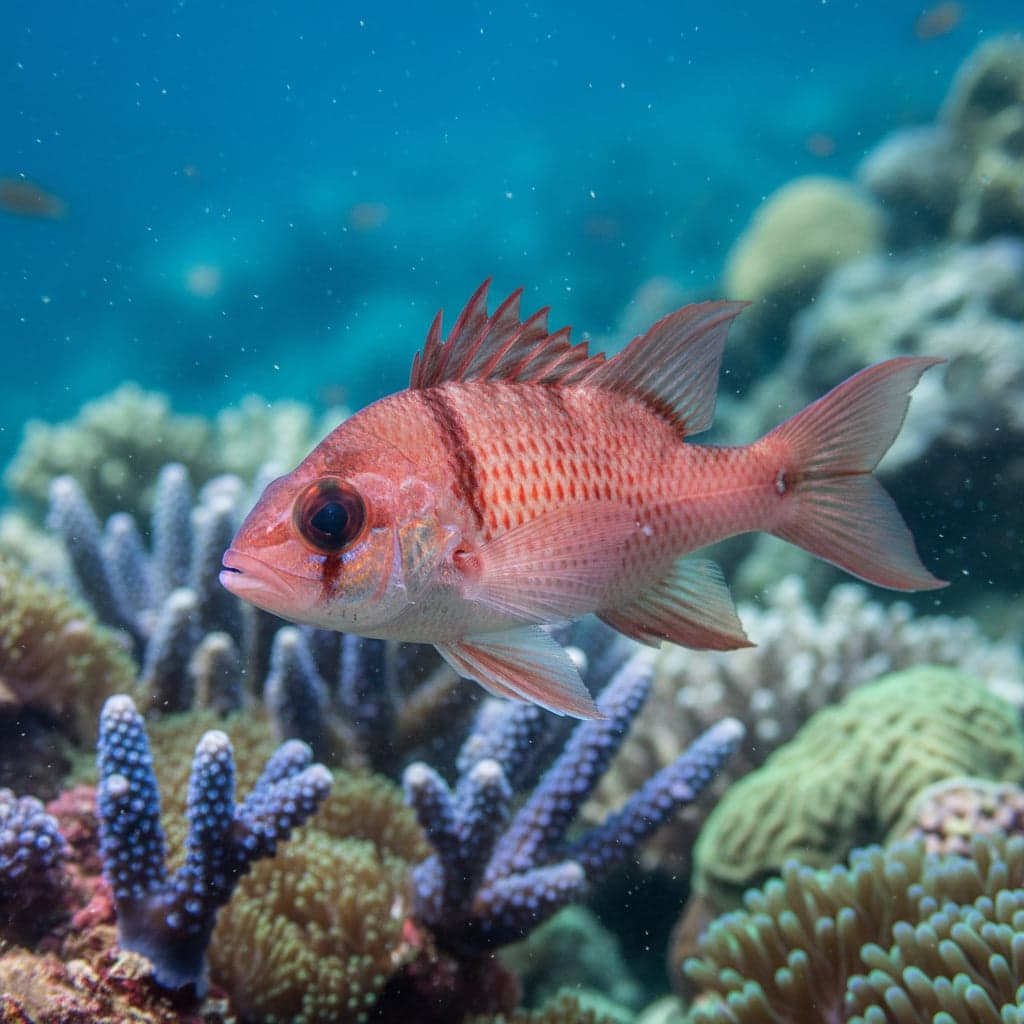
The Pajama Cardinalfish, scientifically known as Sphaeramia nematoptera, stands out as one of the most visually captivating species in the aquarium hobby. With its striking pattern of white spots on a dark base, it embodies a unique aesthetic that makes it a favorite among aquarists. The coloration, coupled with its distinct body shape, provides an alluring presence within community tanks. Typically growing to about 3 inches in length, its small size makes it suitable for various aquarium settings, while its tranquility and peaceful nature are further appeals to hobbyists looking for a serene aquatic environment.
In the realm of aquarium fish, the Pajama Cardinalfish holds significant importance, particularly for those seeking to establish a biotope that mirrors its natural environment. Originating from the coral-rich reefs of the Indo-Pacific region, this species represents the diverse beauty of ocean life. Its gentle demeanor and schooling behavior encourage a lively, yet calm, atmosphere in a community tank, making it an ideal choice for both novice and experienced aquarists alike. The Pajama Cardinalfish not only enriches the visual experience of an aquarium but also contributes to the ecological balance within home ecosystems.
Natural Habitat & Origin
The Pajama Cardinalfish originates from the coral reefs of the Indo-Pacific region, specifically around areas such as Papua New Guinea, Indonesia, and the Solomon Islands. These delicate ecosystems are characterized by warm, shallow waters often with rich coral cover, providing shelter and an abundant food supply. The water in these regions is typically clear with moderate salinity levels, which are essential for sustaining the unique biodiversity of the coral reefs. The Pajama Cardinalfish prefers to inhabit spaces among the reef structures, where it can readily find cover from predators while hunting for food.
In their natural habitat, these fish are often found in small groups or schools, darting between coral formations. The Pajama Cardinalfish thrives in environments that offer both protection and nourishment, making reef ecosystems pivotal to its survival. The clear waters and the light-filtering capabilities of coral formations play a crucial role in the health of the aquatic life found therein, including the Pajama Cardinalfish.
Care Requirements
To successfully care for Pajama Cardinalfish, it's essential to replicate their natural habitat as closely as possible. The recommended water parameters include a pH range between 6.5 and 8.5, a temperature between 72°F and 80°F (22°C to 27°C), and moderate hardness of about 8 to 12 dGH. An aquarium of at least 20 gallons is advisable for a small school of these fishes, as they are highly social creatures. To create an appropriate tank setup, opt for fine, sandy substrates that mimic the ocean floor, and incorporate live rock or decorations for hiding spots.
Lighting in the aquarium should be moderate; bright lighting can stress these fish, so using subdued lighting options can help simulate their natural environment. Incorporating plenty of plants, such as low-growing aquatic species, can provide additional coverage and contribute to the aesthetic appeal of the tank. Regular water quality checks and maintenance are also critical to ensure the health and vitality of Pajama Cardinalfish.
Diet & Feeding
Pajama Cardinalfish are omnivores and require a balanced diet to thrive. They can be fed a variety of foods, including high-quality flakes, pellets, frozen foods, and even live offerings such as brine shrimp and daphnia. A varied diet is important to ensure they receive the essential nutrients needed for optimal health. Feeding them multiple times a day in small quantities will promote better digestion and overall well-being.
It’s valuable to observe your fish's feeding habits to determine if they have preferences or dietary needs that require special attention. While Pajama Cardinalfish are generally not picky eaters, ensuring a diverse diet will prevent nutritional deficiencies and keep them healthy over time.
Behavior & Temperament
The Pajama Cardinalfish exhibits generally peaceful behavior, making it an excellent choice for community tanks. These fish prefer to school, so keeping them in groups of five or more is recommended to reduce stress and encourage natural behaviors. They often occupy the mid to upper levels of the tank, swimming gracefully among plants and decorations.
While they are not aggressive, individual fish may display territorial behavior, especially if kept in smaller numbers. Observing their social cues is important; larger groups can help diffuse any potential disputes that may arise. Pajama Cardinalfish contribute to a dynamic and engaging aquarium atmosphere with their inquisitive nature and schooling tendencies.
Tank Mates
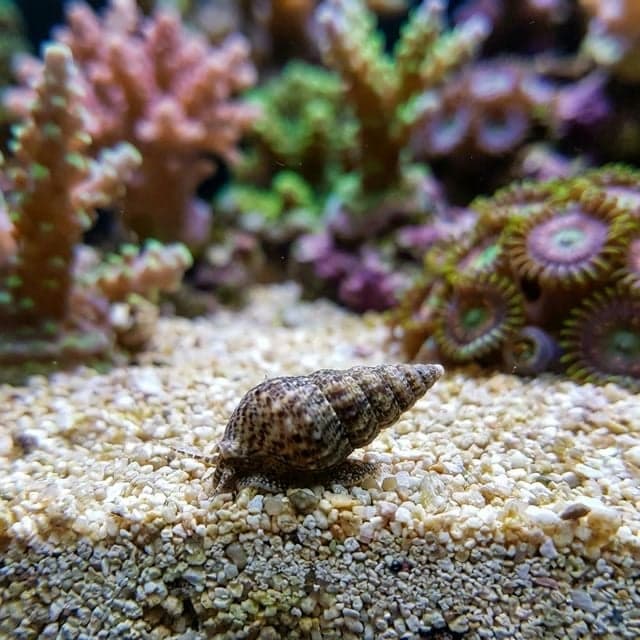
When selecting tank mates for Pajama Cardinalfish, it is crucial to choose species that share similar temperaments and environmental needs. Compatible species include small, peaceful fish such as Neon Tetras, Guppies, Rasboras, and other species of Cardinalfish. They also coexist well with invertebrates, such as shrimps and snails, as long as the tank is not overcrowded.
Conversely, avoid keeping Pajama Cardinalfish with aggressive species or larger predatory fish that may see them as prey. Fish such as cichlids or large barbs can be disruptive and harmful to the peaceful nature of the Pajama Cardinalfish. Creating a balanced community that respects the needs of all inhabitants will lead to a thriving aquarium ecosystem.
Breeding
Breeding Pajama Cardinalfish in captivity can be a rewarding yet challenging endeavor. They exhibit a unique breeding behavior known as mouthbrooding, where the male carries the fertilized eggs in his mouth until they hatch. To encourage breeding, create a serene and secure environment with plenty of hiding spots, typically within a group of at least five fish to stimulate natural courtship behaviors.
Optimal conditions for breeding include a temperature range of 78°F to 80°F (25°C to 27°C) and stable water quality. Once the male has fertilized the eggs and taken them into his mouth, it's essential to minimize disturbances in the environment to ensure the fry have a safe place to develop. With patience and proper care, you may witness this beautiful and fascinating aspect of their life cycle.
Common Health Issues
Pajama Cardinalfish are relatively resilient, but they can be susceptible to certain diseases if not properly cared for. Common health issues include ich (Ichthyophthirius multifiliis), fin rot, and dropsy. Preventive measures such as maintaining excellent water quality, ensuring a balanced diet, and minimizing stress factors can help reduce the risk of these ailments.
Regularly observing your fish for any signs of illness, such as changes in behavior, appetite, or physical appearance, is crucial for early detection and treatment. Quarantining new additions before introducing them to the main tank can also help prevent the spread of potential diseases, ensuring a healthy and vibrant aquarium.