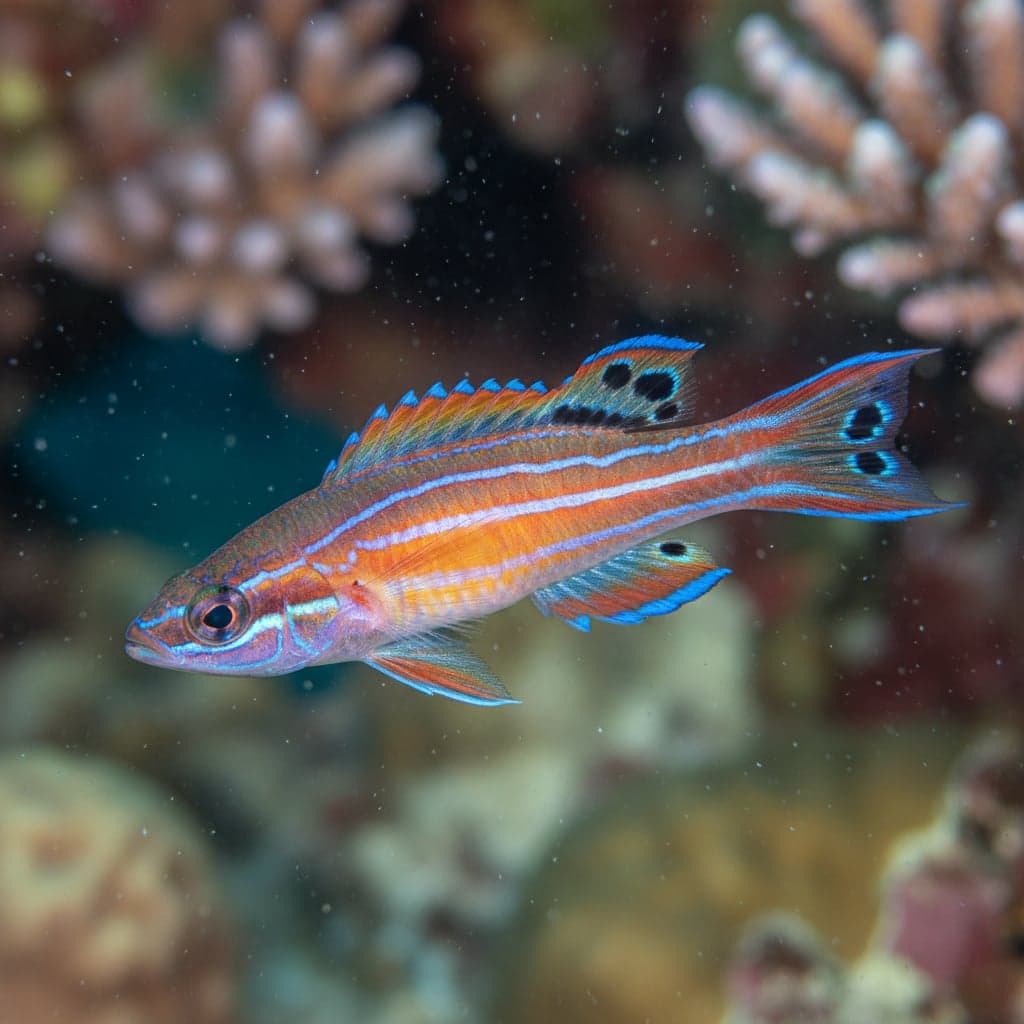
Gold-line Cardinalfish
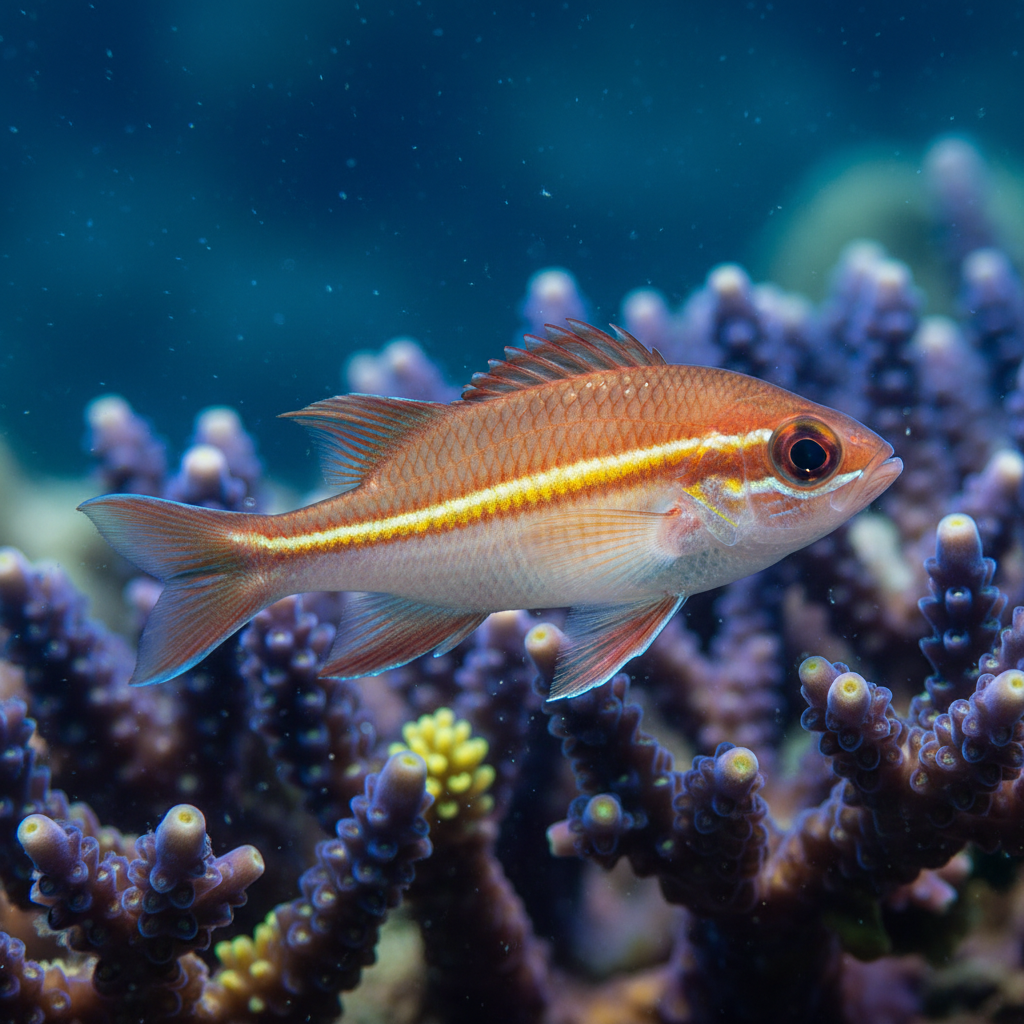
An 8cm cardinalfish with a fine gold lateral line. Peaceful, nocturnal- leaning and reef safe, and it shoals loosely.
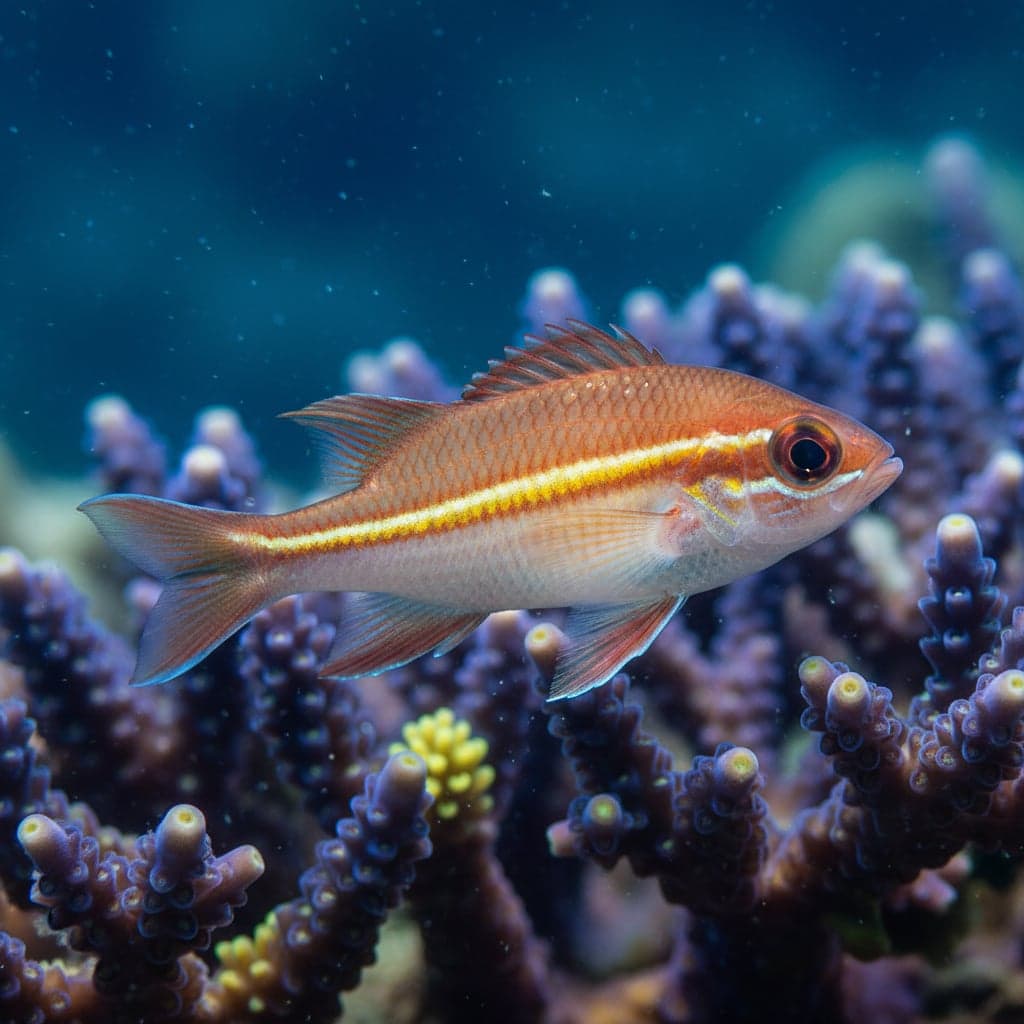
Gold-line Cardinalfish
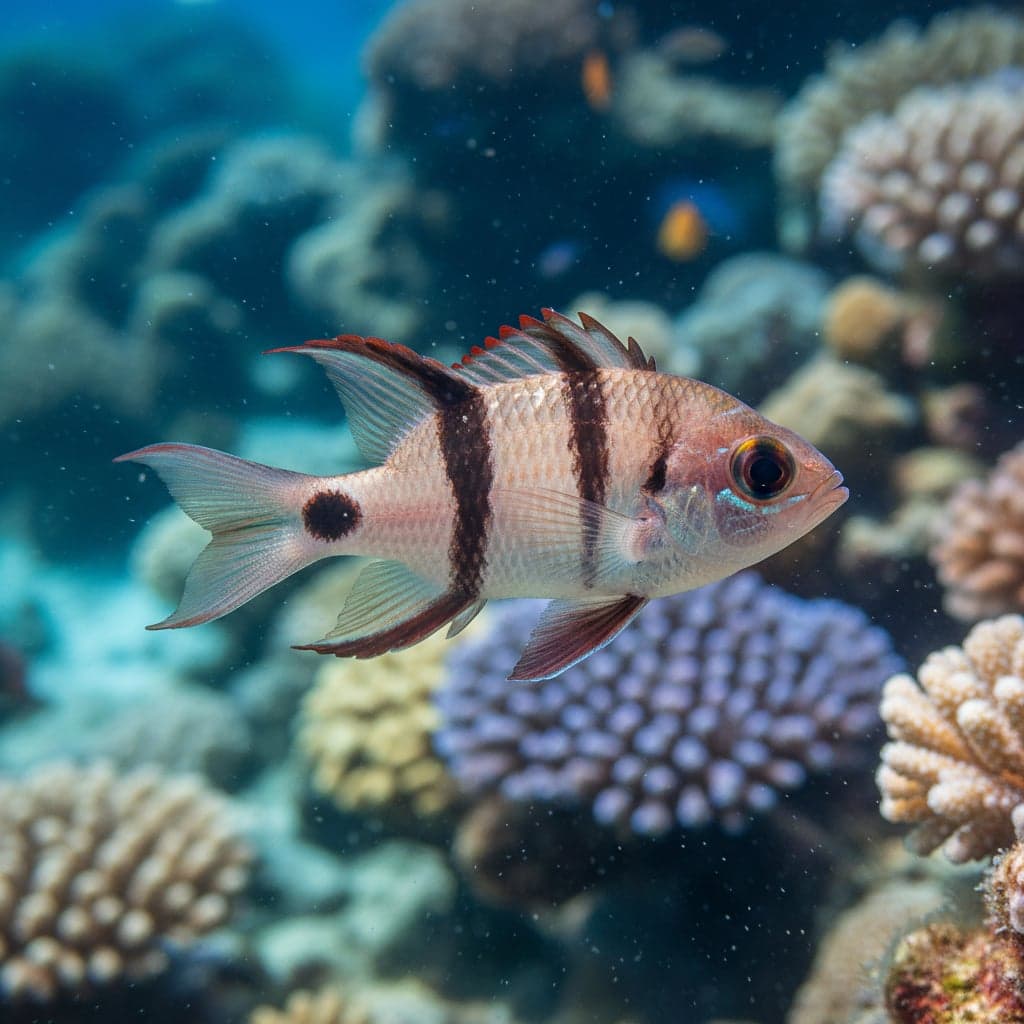
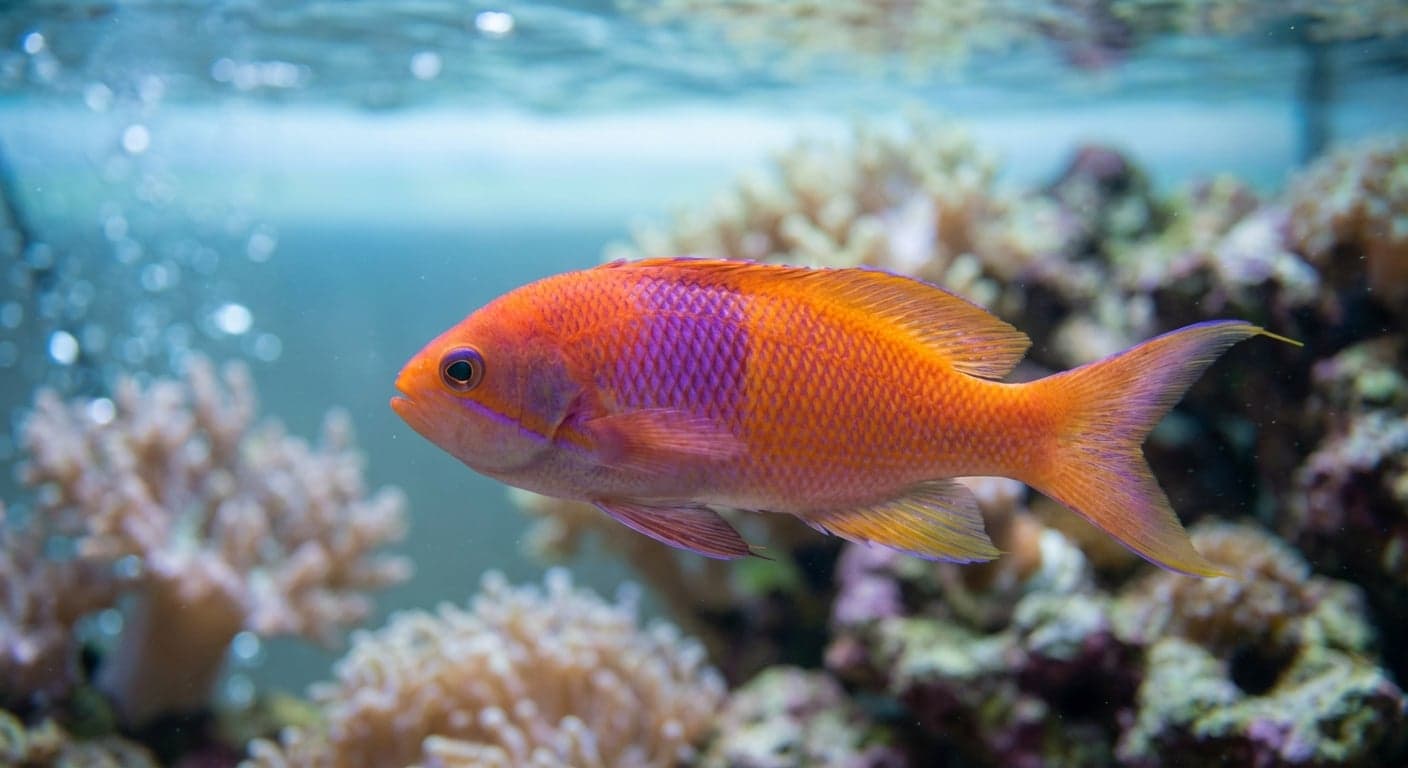
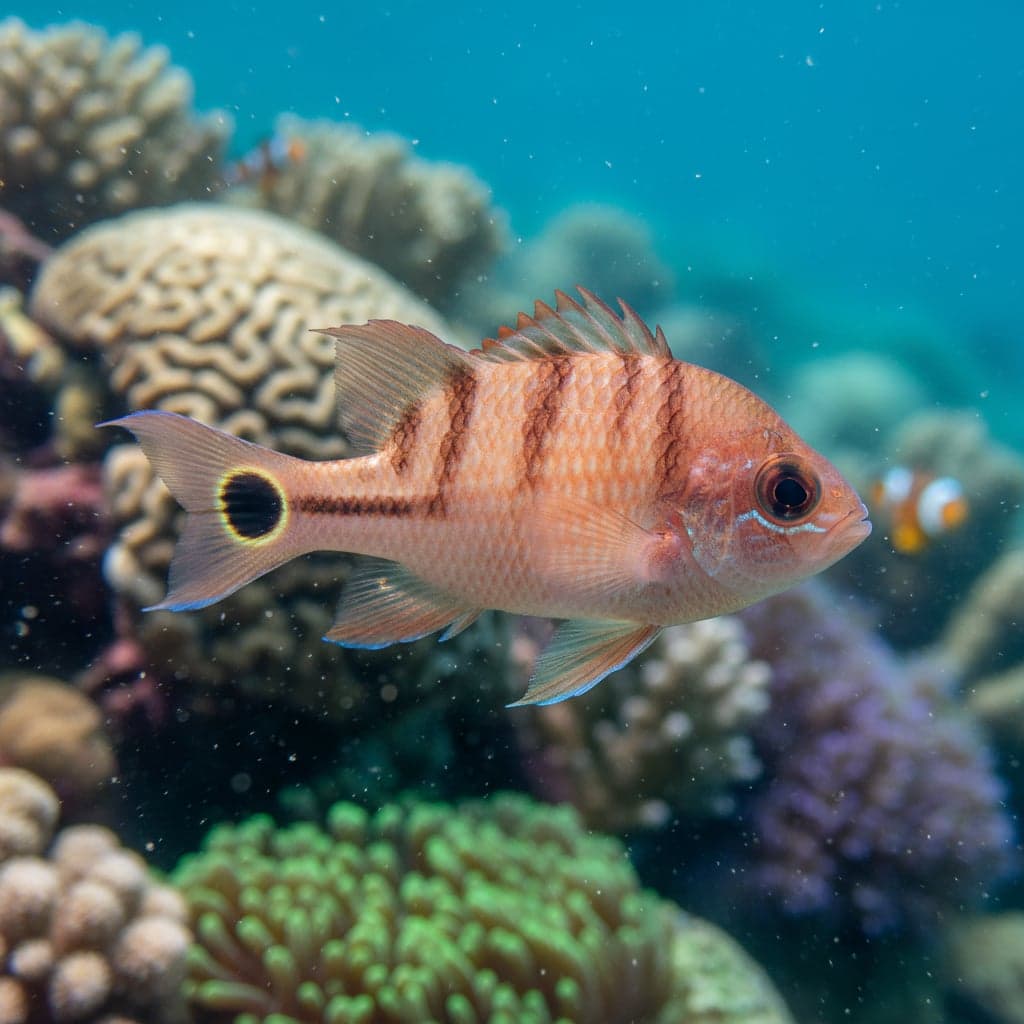
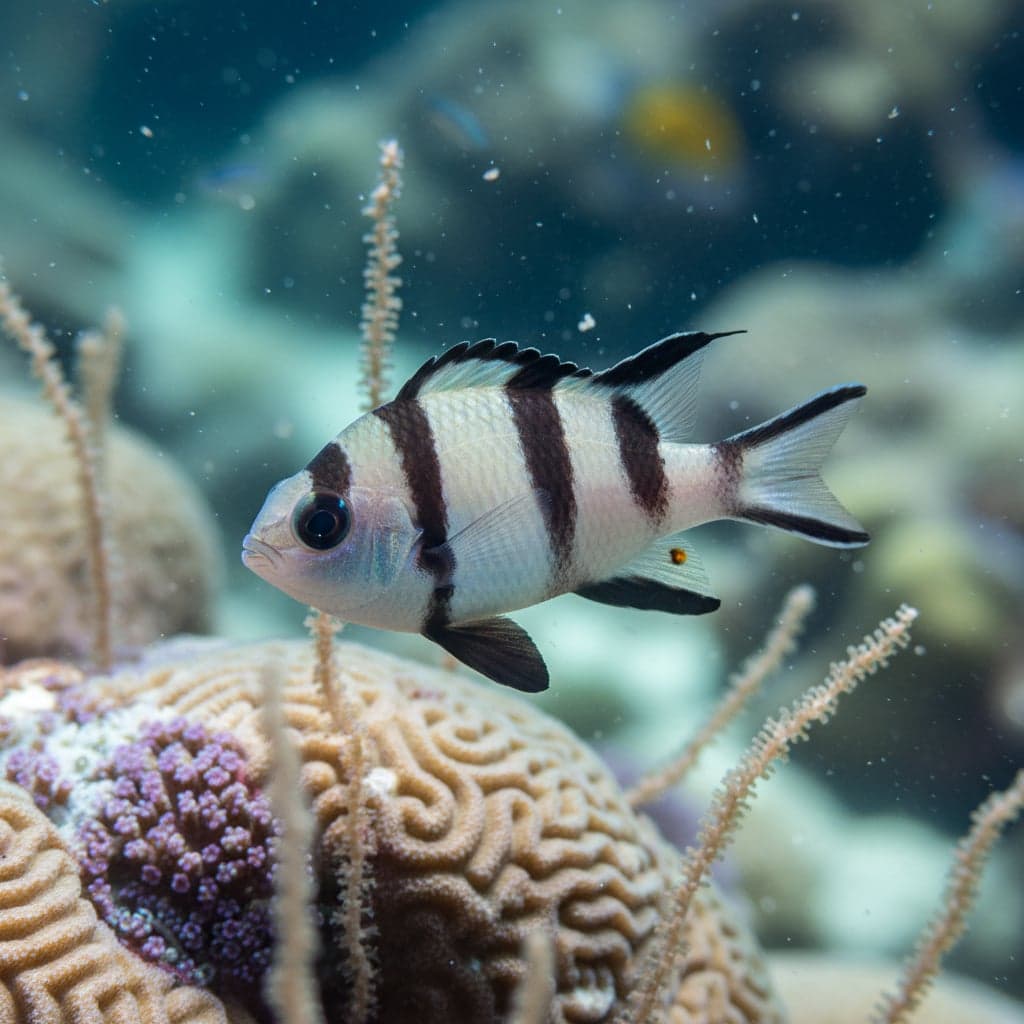
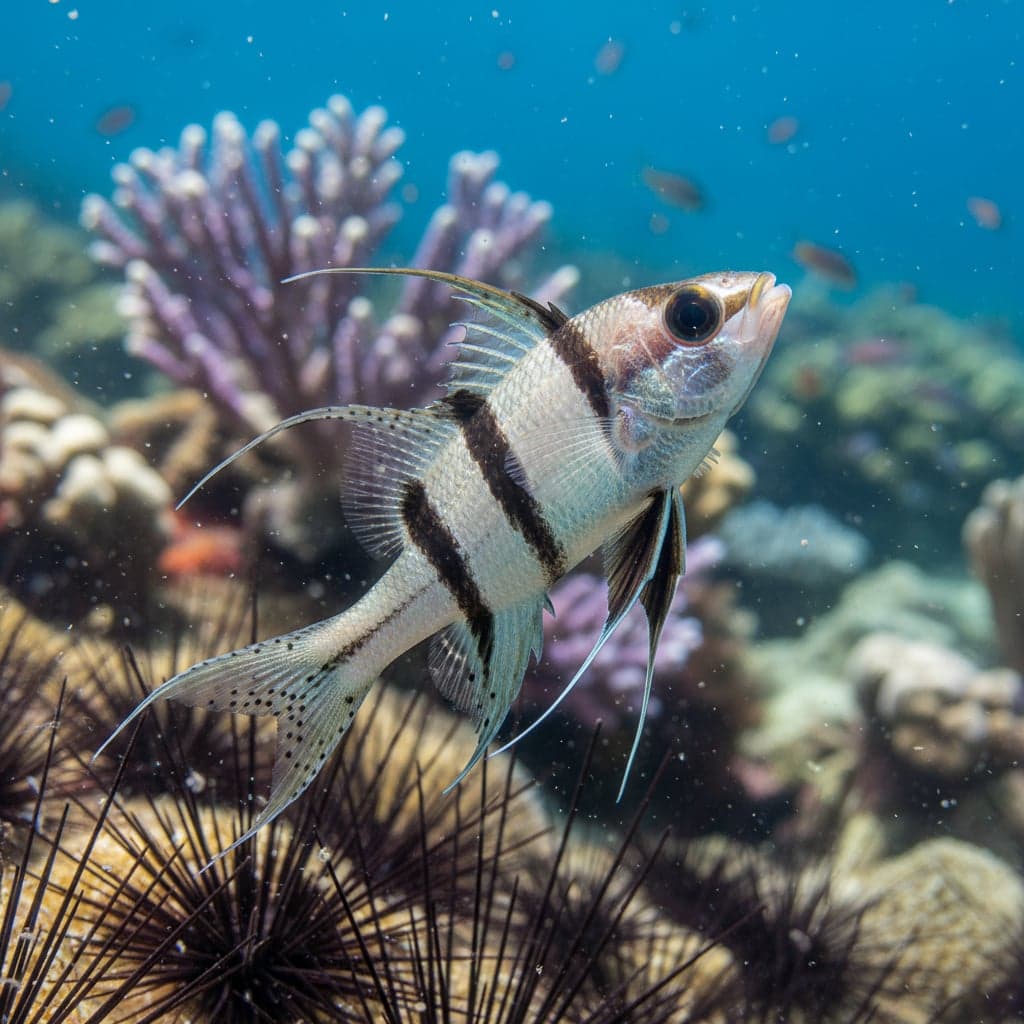
The Gold-line Cardinalfish (Ostorhinchus cyanosoma), also known as the Yellow-striped Cardinalfish, is a striking marine species popular for its visual appeal and peaceful behavior. This small fish is characterized by its silver-cobalt body adorned with several bright golden-orange horizontal stripes that run the length of its frame. Featuring large, expressive eyes and a calm, hovering swimming style, it is a perfect addition to a reef aquarium where it adds both color and a sense of tranquility.
In addition to its visual appeal, the Gold-line Cardinalfish holds significance in the aquarium hobby due to its relatively easy care requirements and adaptability. These fish are hardy and resilient, making them suitable for both beginners and experienced aquarists. Their active, schooling behavior provides an engaging display in the tank, as they commonly swim in groups. This social aspect adds a dynamic element to the aquarium, encouraging hobbyists to create environments that foster their natural tendencies. As a species, the Gold-line Cardinalfish thrives in well-maintained tanks, offering both beauty and tranquility to any aquatic setting.
Natural Habitat & Origin
The Gold-line Cardinalfish is native to the Indo-Pacific region, where it can be found in various marine environments, particularly in coral reefs and coastal lagoons. Its geographical range extends from the Red Sea and the eastern coastal regions of Africa to the islands of the Pacific, including the Philippines and Indonesia. The species typically inhabits shallow waters, preferring depths of about 10 to 30 meters. The Gold-line Cardinalfish thrives in clear waters, where sunlight penetrates, supporting the growth of algae and corals that make up its natural habitat.
This species is often found in areas with ample hiding spots provided by coral formations and rocky outcroppings. The environmental context is crucial, as these fish rely on the structural complexity of their habitats to escape predation and to find food. In the wild, they experience fluctuations in water quality; hence, understanding their natural habitat can help aquarists replicate the necessary conditions that promote the health and well-being of Gold-line Cardinalfish in captivity.
Care Requirements
To successfully keep Gold-line Cardinalfish, it is vital to maintain specific water parameters. The ideal pH range for these fish is between 7.8 and 8.4, with a temperature between 24°C and 28°C (75°F to 82°F). They prefer moderately hard water, with a hardness level of 8 to 12 dGH. A minimum tank size of 120 litres (32 gallons) is recommended for a small school of these 8cm Ostorhinchus — social fish that need room to hover as a group.
The tank setup should include fine sand or small gravel substrate to mimic their natural habitat, alongside plenty of live rock and coral arrangements, which provide hiding spots and encourage natural behavior. Adequate lighting is essential; a moderate level of illumination will help keep the tank looking vibrant without causing stress to the fish. Incorporating live plants can also enhance the aesthetic while offering additional shelter. Proper filtration and regular water changes are crucial in maintaining good water quality and a healthy environment for Gold-line Cardinalfish.
Diet & Feeding
Gold-line Cardinalfish are omnivores, and their diet in captivity should be diverse to ensure optimal health. A well-balanced diet can include high-quality flakes, small pellets, and freeze-dried foods such as brine shrimp or daphnia. Frozen foods can also be a significant component of their diet, with options like mysis shrimp and other meaty preparations providing essential nutrients. Occasionally introducing live foods can stimulate natural hunting instincts and increase feeding activity.
It is important to feed these fish small portions multiple times a day rather than a single large feeding, as they have small mouths and prefer to graze throughout the day. A varied diet ensures they receive all the necessary vitamins and minerals while preventing any potential nutritional deficiencies. Regular feeding not only keeps them healthy but also promotes vibrant coloration and resilient behavior.
Behavior & Temperament
Gold-line Cardinalfish exhibit peaceful behavior, making them suitable for community tanks with a variety of compatible species. They are social beings that prefer to swim in small schools of five or more individuals, forming cohesive groups that add life and movement to the aquarium. In terms of social dynamics, they typically display little aggression, although males may occasionally engage in displays of dominance during mating rituals.
These fish are known to inhabit the middle to upper levels of the water column, often seen hovering near the tank’s surface. They may dart in and out of hiding spots when feeling threatened, showcasing their instinctual behaviors. Overall, their calm demeanor makes Gold-line Cardinalfish an enjoyable addition to both novice and advanced aquarium setups.
Tank Mates
When selecting tank mates for Gold-line Cardinalfish, it is essential to choose species that share similar care requirements and temperament. Compatible tank mates include small peaceful marine fish like:
- Firefish Goby
- Royal Gramma
- Blue-Green Chromis
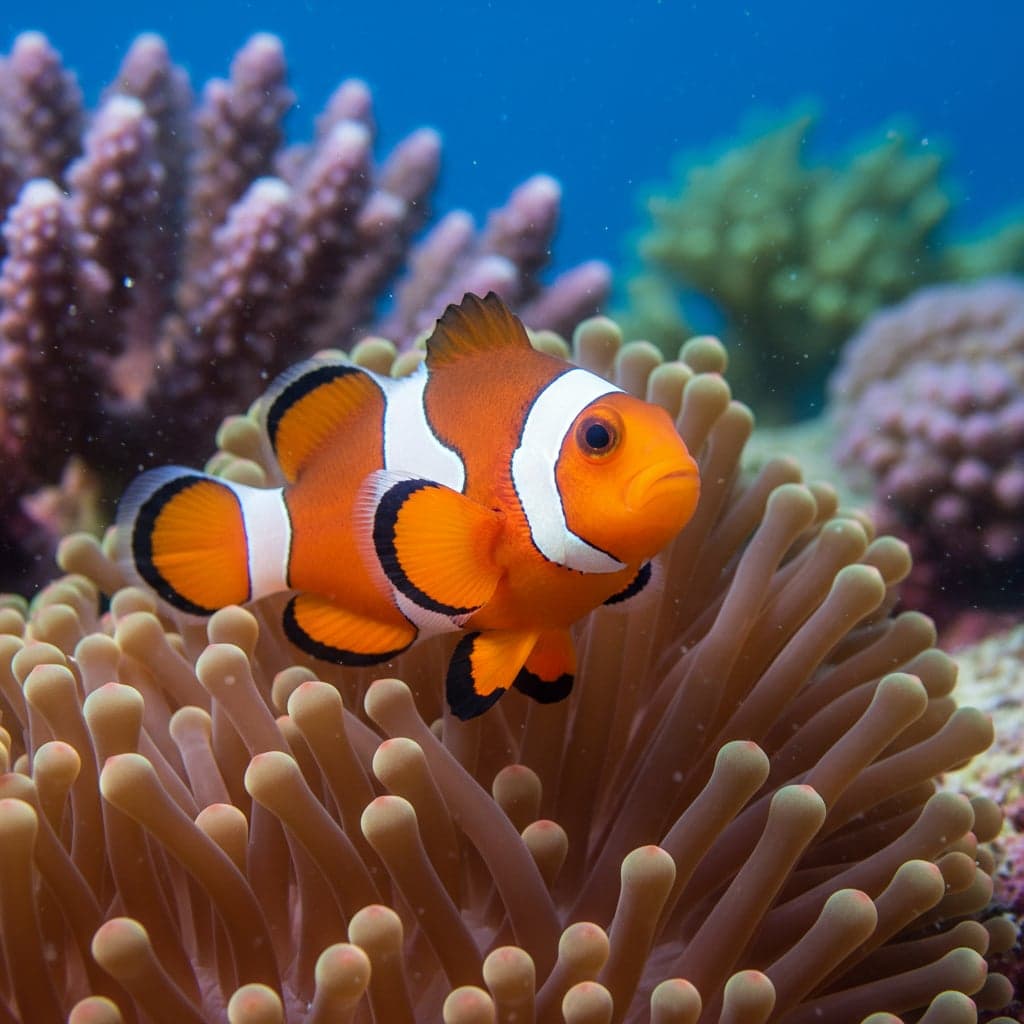
- Ocellaris Clownfish
- Blennies
- Other peaceful Cardinalfish
In a well-planned aquarium setup, Gold-line Cardinalfish can thrive alongside a diverse range of species. Their schooling nature means that maintaining a balanced population in the tank can result in a lively aquatic display. Moreover, ensuring that potential competitors or aggressors are omitted from the tank can create an ideal habitat for these captivating fish.
Breeding
Breeding Gold-line Cardinalfish in captivity requires specific conditions to successfully stimulate spawning behaviors. These fish are known to be mouthbrooders; after spawning, the female lays eggs that the male fertilizes. The male then carries the fertilized eggs in his mouth for protection and nourishment until they hatch. To encourage breeding, a separate breeding tank with quiet conditions, stable water parameters, and appropriate hiding spaces is advisable.
Providing a diet rich in live foods leading up to the breeding period can improve spawning chances. The breeding tank should also have lower light levels to create a more conducive atmosphere for the fish during this sensitive time. After a successful spawning, separating the male from the fry once they are free-swimming will help ensure the survival of the young. It is crucial to provide the fry with finely crushed food or specialized fry food to support their early growth stages.
Common Health Issues
Observing feeding behaviors and overall well-being can help detect health issues early. A quarantine period for new arrivals is highly recommended to minimize the risk of introducing disease to established tanks. Providing a stress-free environment with plenty of hiding spots among rockwork will enhance the resilience of Gold-line Cardinalfish.