Yellowhead Jawfish
A 10cm jawfish that builds a burrow from rubble and hovers vertically above it. Needs a deep mixed substrate and a tight lid.
Yellowhead Jawfish
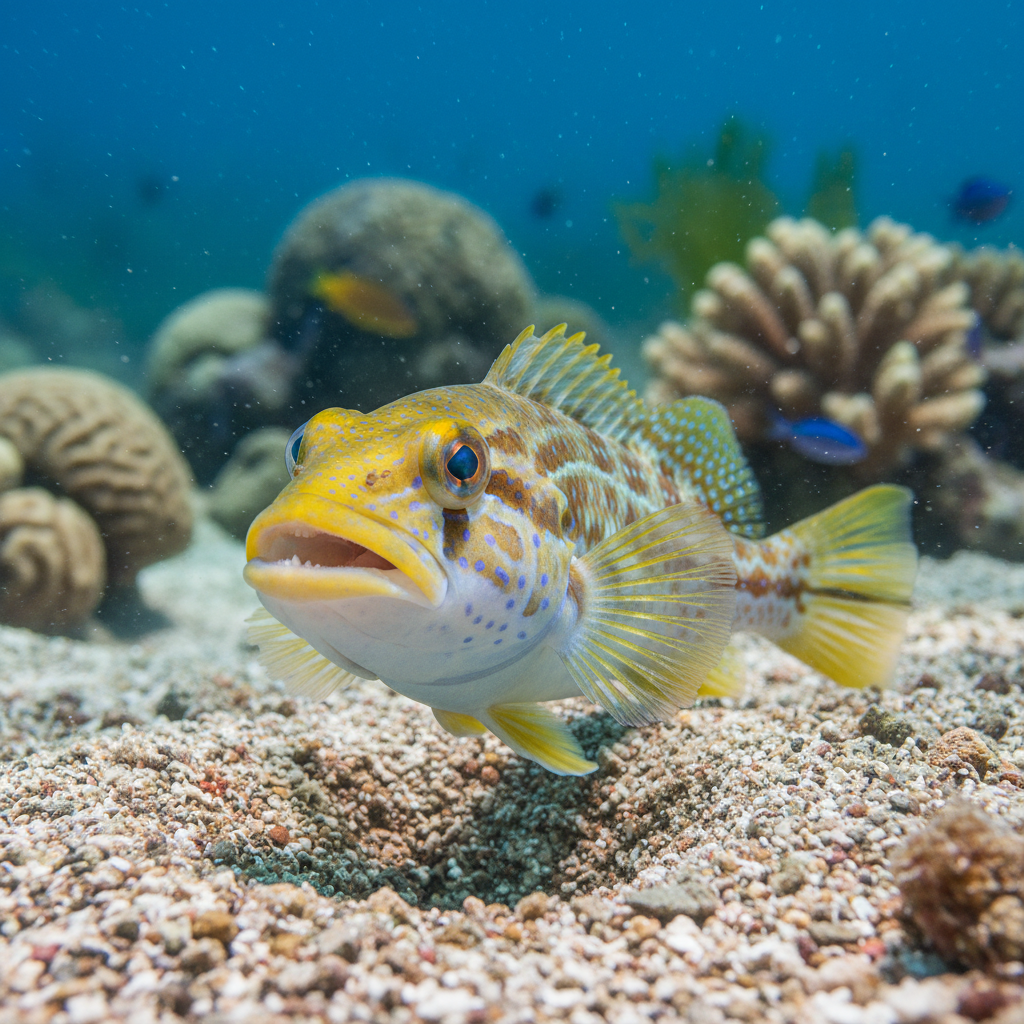
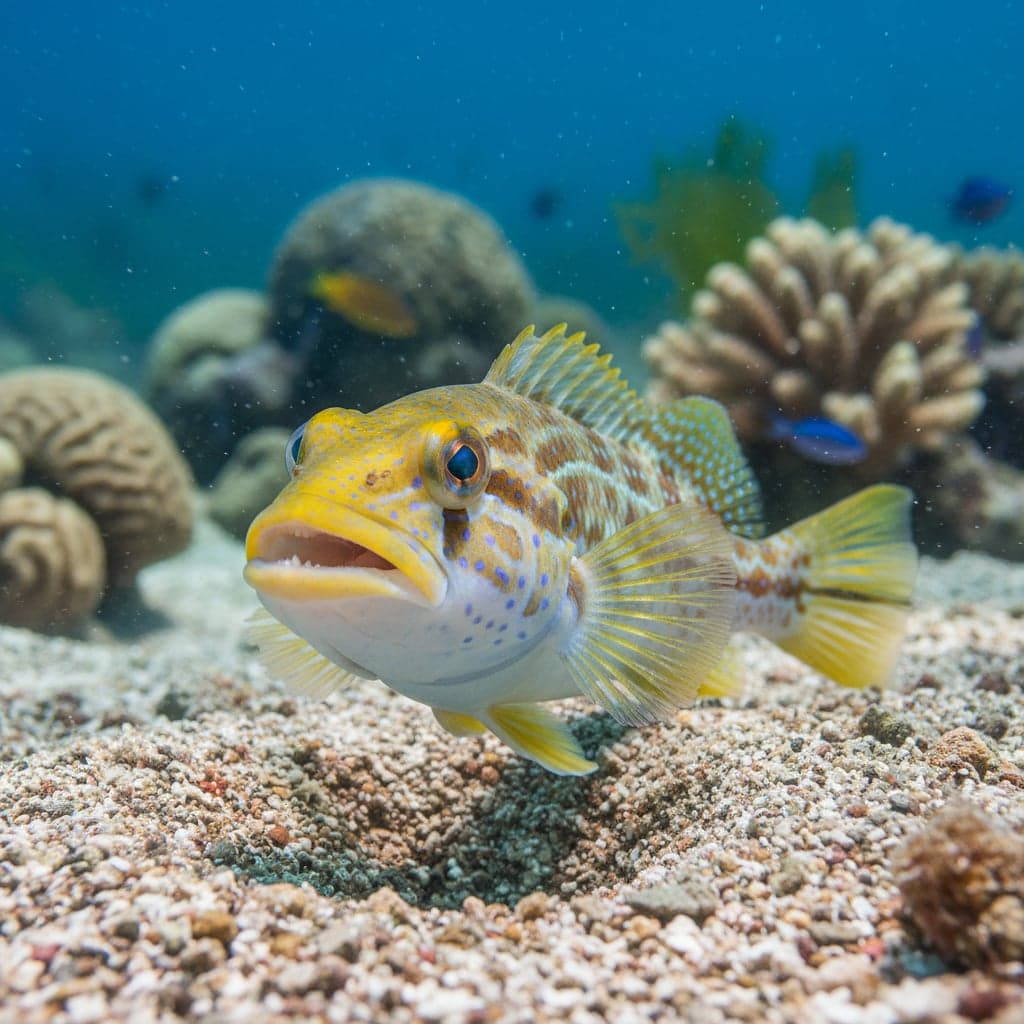
The Yellowhead Jawfish (Opistognathus aurifrons) is a captivating marine species renowned for its striking appearance and unique behavior. Native to the coral reefs of the Caribbean, this small fish is characterized by its vibrant yellow head and blue body, offering a stunning visual contrast that draws aquarists and hobbyists alike. Typically reaching a size of about 4 to 5 inches, the Yellowhead Jawfish possesses a robust physique and large mouth, feature adaptations that facilitate their unique digging behavior. Within the aquarium hobby, they hold significance not only for their aesthetic appeal but also for their interesting burrowing habits that contribute to the biodiversity and dynamism of a well-maintained reef tank.
In addition to their visual allure, the Yellowhead Jawfish stands out in the aquarium community due to its engaging behavior. This species is known for its propensity to create burrows in sandy substrates, exhibiting territoriality and clever use of its environment. The combination of their compelling colors and captivating behaviors makes them a standout choice for both beginner and advanced aquarists. However, providing the right conditions and tank mates forms an integral part of ensuring these fascinating fish thrive in a home aquarium setting.
Natural Habitat & Origin
The Yellowhead Jawfish is primarily found in the shallow waters of the Caribbean Sea, particularly around coral reefs and sandy substrates. Geographically, their range extends from the Bahamas to the coasts of South America, thriving in warm, tropical environments where they can avoid predators and access plentiful food sources. This fish prefers habitats characterized by clearwater environments, often taking advantage of the best opportunities to dig and hide from threats during their daily activities.
In their natural habitat, these jawfish inhabit environments that are rich in biological diversity, a characteristic environment reflective of their need for both shelter and foraging. The blend of sandy substrates allows them to create burrows while the availability of live rock provides additional structure for foraging and resting. Such conditions not only support their survival but are crucial in replicating their environment in captivity.
Care Requirements
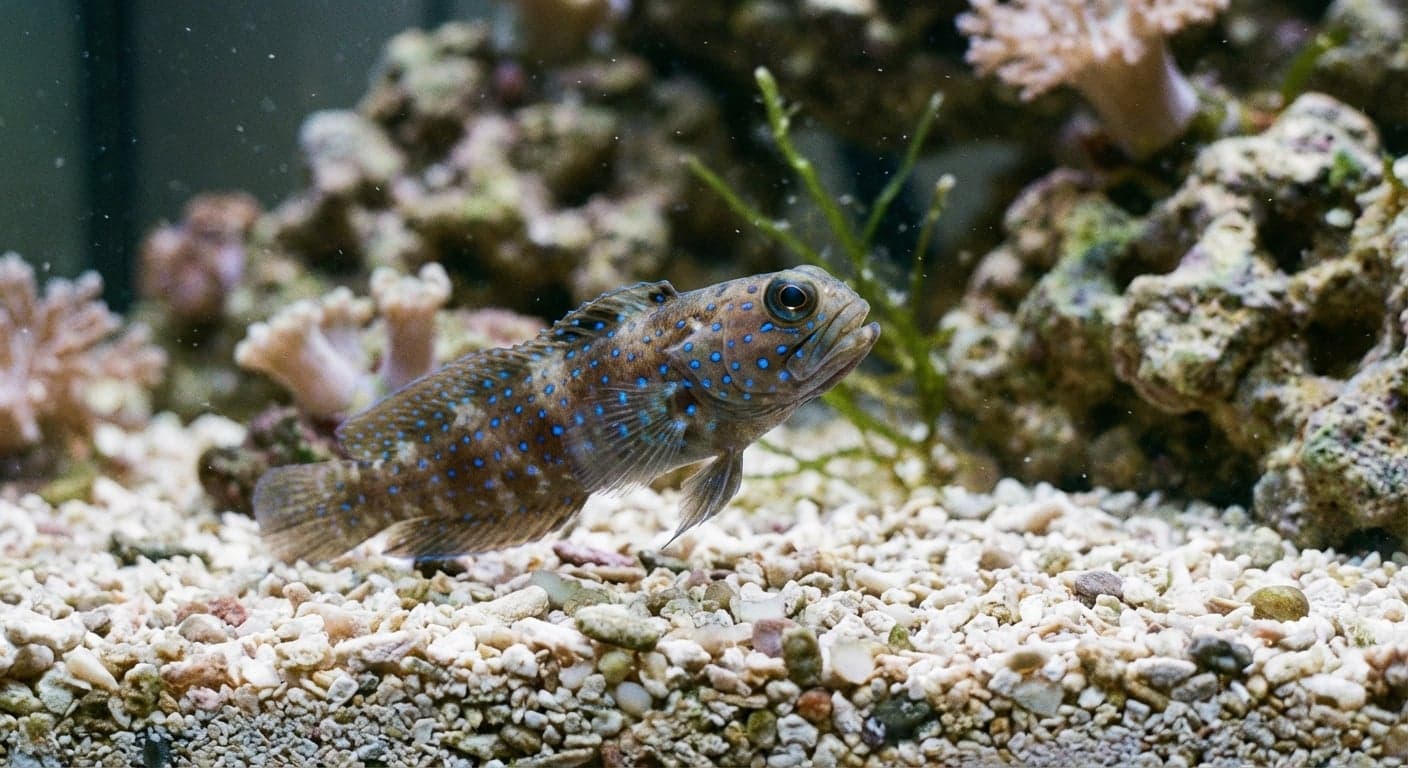
When setting up an aquarium for the Yellowhead Jawfish, it is vital to establish conditions that closely mimic their natural habitat. The ideal tank size should be a minimum of 120 litres (32 gallons) for this 10cm burrower — provide deep mixed sand for its burrow and a tight-fitting lid, since jawfish are notorious jumpers. These fish prefer sandy substrates, which allow them to dig comfortably. A depth of 2 to 3 inches of fine sand is recommended, along with the inclusion of live rock for additional structure.
Water parameters play a crucial role in the health and well-being of the Yellowhead Jawfish. A pH range of 8.1 to 8.4, a temperature between 74°F to 82°F (23°C to 28°C), and water hardness between 8 to 12 dGH are optimal. Adequate filtration is necessary to maintain water quality, along with moderate lighting that supports the growth of any live plants or coralline algae, should the aquarist choose to enhance the aesthetic of the tank.
Diet & Feeding
The Yellowhead Jawfish is primarily carnivorous but will also munch on different types of food. In captivity, they should be offered a well-balanced diet consisting of high-quality pellets, flakes, and frozen foods. Marine foods such as mysis shrimp, brine shrimp, and finely chopped seafood can be excellent sources of protein. As opportunistic feeders, they will readily accept a variety of food, so it is important to ensure a diverse diet to promote health and vitality.
Feeding should be conducted several times a day in small amounts, considering their natural foraging behavior. This not only mimics their feeding habits in the wild but also helps to prevent overfeeding, which can lead to water quality issues. Moreover, it is essential to ensure that any sinking foods chosen are appropriate for their feeding style, as they will often scavenge in their burrows.
Behavior & Temperament
The Yellowhead Jawfish is known for its unique social behavior and distinct swimming method. They are generally solitary yet can exhibit territorial tendencies, particularly when it comes to their burrow. This fish prefers a vertical swimming pattern, frequently darting in and out of its burrow, making them a fascinating addition to a reef aquarium. They occupy the lower strata of the tank, often spending their time hovering above the sand, peeking out of their digs.
Though generally peaceful, their aggression may manifest when multiple jawfish are housed inappropriately in a single tank or when they feel their territory is encroached upon. Keeping only one Yellowhead Jawfish per tank or ensuring ample space is key to promoting a harmonious environment. Their curious nature makes them intriguing to watch, but careful tank selection is necessary to avoid any stress-induced issues.
Tank Mates
Finding compatible tank mates for the Yellowhead Jawfish requires consideration of each species' temperament and habitat needs. Peaceful fish that occupy different strata and are not overly aggressive are ideal tank mates. Some excellent companions include small gobies, blennies, clownfish, and other docile marine species that can thrive alongside the jawfish.
However, aggressive species or larger fish that could intimidate the Yellowhead Jawfish should be avoided. Fish such as lionfish, larger wrasses, and triggers can pose threats to this smaller, more docile fish. Additionally, due to their tendency to burrow, tank mates should not be overly territorial or aggressive in claiming territory, as this could lead to unnecessary stress and conflict.
Breeding
Breeding Yellowhead Jawfish in captivity can be quite rewarding but requires the right conditions. They are known to be mouthbrooders, with males primarily responsible for carrying the eggs in their mouths until they are ready to hatch. To encourage breeding, it is essential to provide a stable and healthy environment with enriched habitats through ample hiding spots, a good substrate for burrowing, and appropriate water parameters.
During the breeding process, the male will lead the female to a suitable nesting area, typically a well-defined burrow. Once the eggs are laid, the male will fertilize them and carry them for about 10 days before they hatch. Breeding in captivity may require separate acclimatization from the main tank to ensure the safety and success of the pairing, as other tank mates can disrupt the breeding process.
Common Health Issues
The Yellowhead Jawfish is relatively hardy, but they can be prone to several health issues, including ich, velvet disease, and stress-related ailments. Maintaining optimal water quality is crucial in preventing these common illnesses. Regular water changes, proper tank maintenance, and ensuring stable water parameters can minimize health risks.
Additionally, providing adequate hiding spots can help reduce stress levels associated with territorial disputes or new tank introductions. It's advisable to quarantine new arrivals before introducing them to an established tank, thereby allowing any potential diseases to be treated without risking the health of existing inhabitants. Keeping a close eye on behavior changes and feeding habits can also help detect early signs of distress or illness.