Yellowtail Tubelip
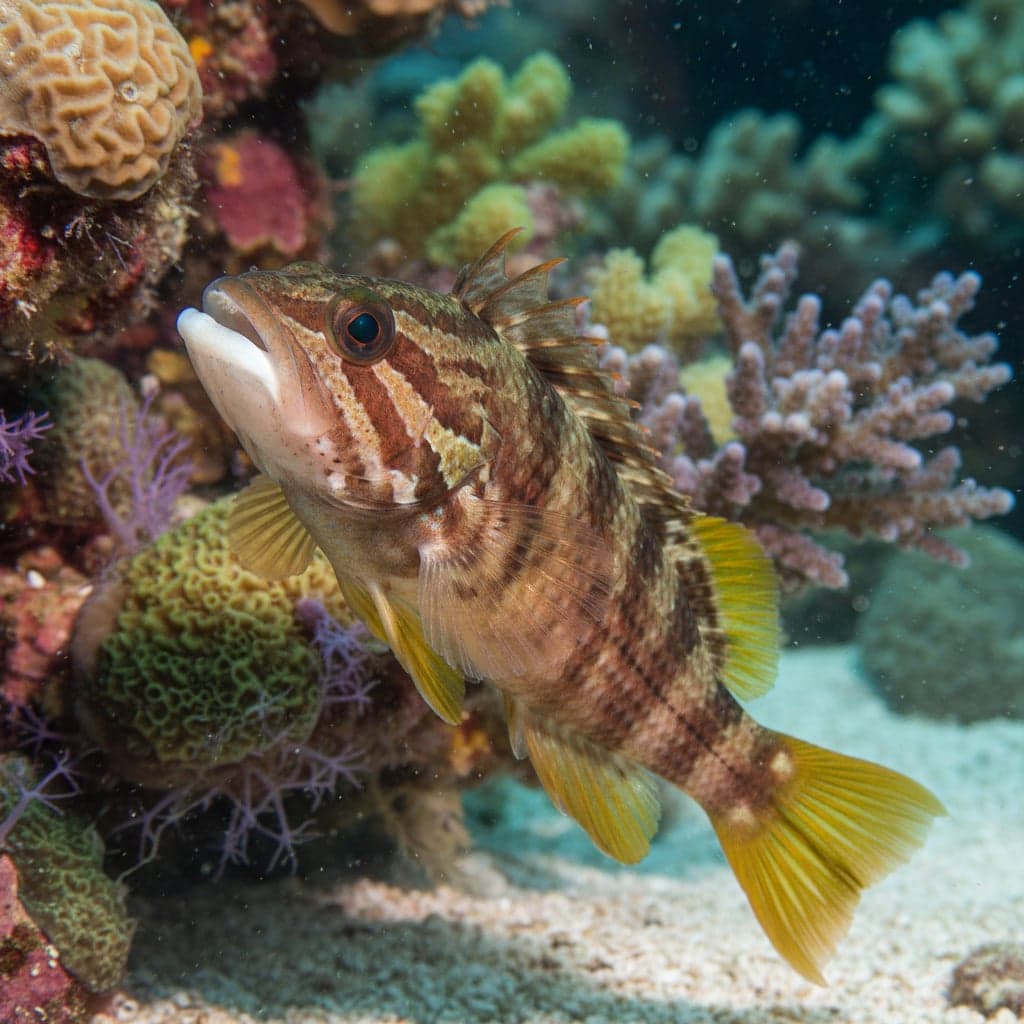
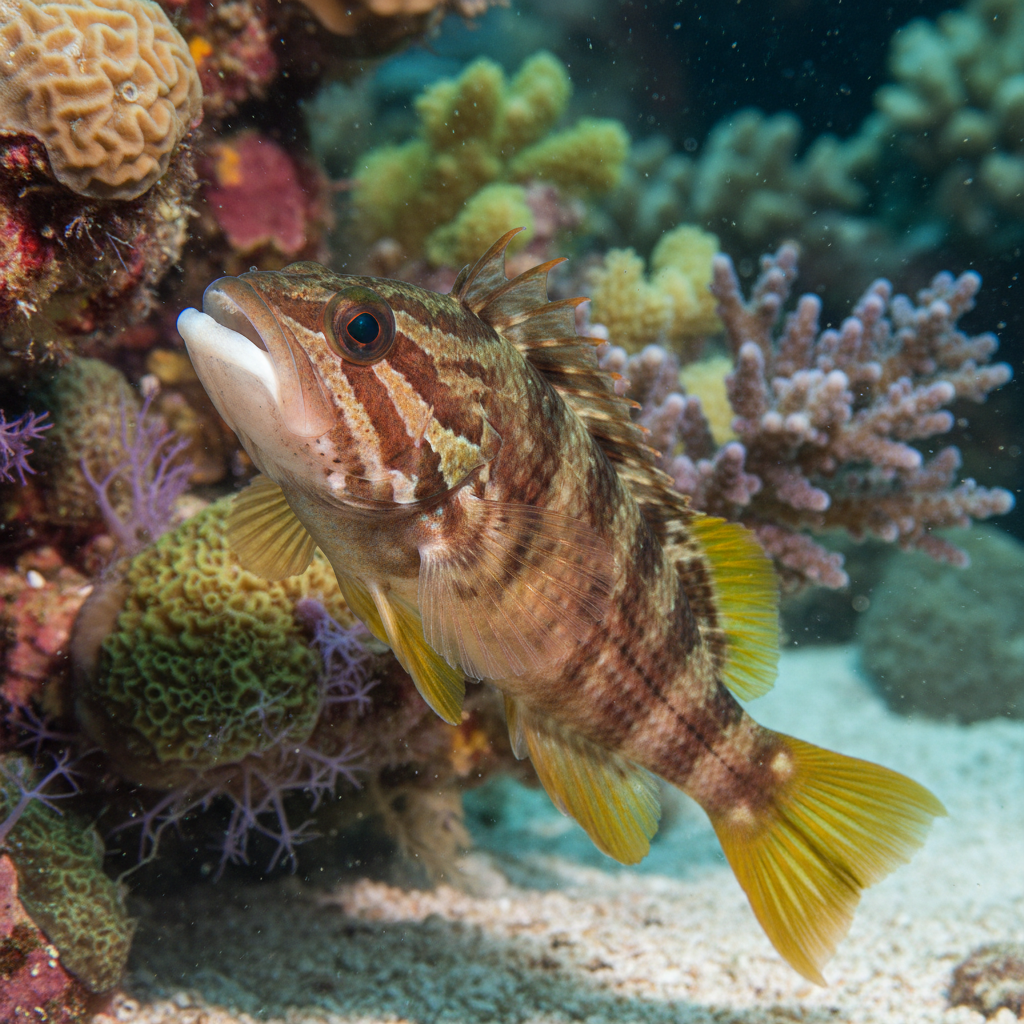
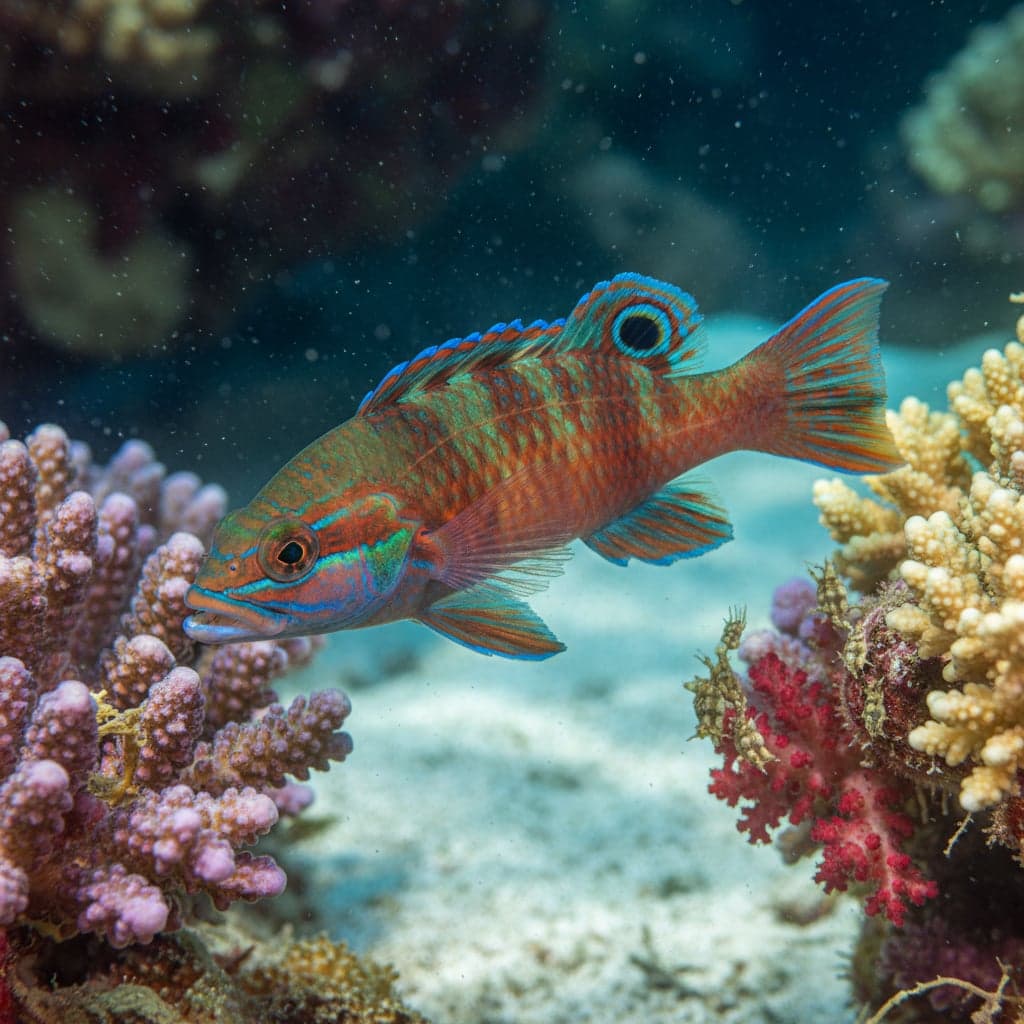
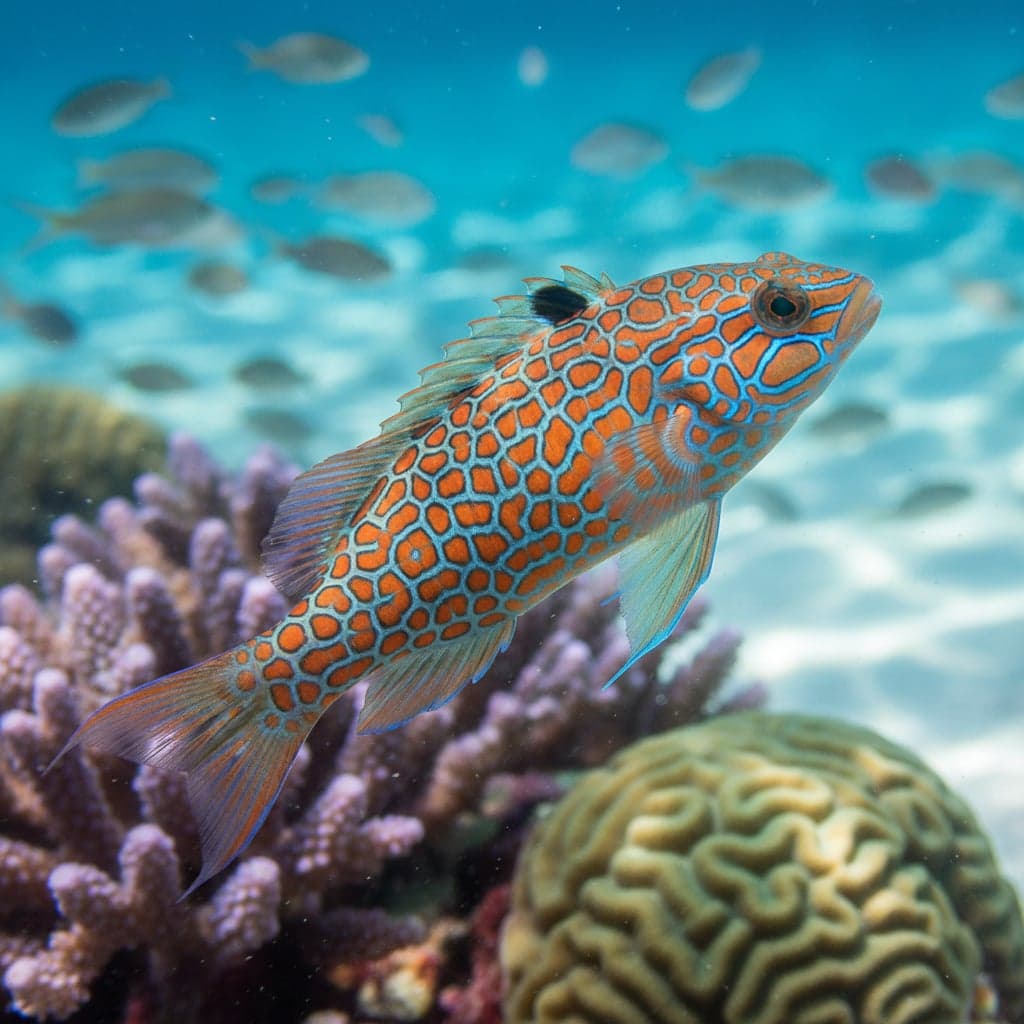
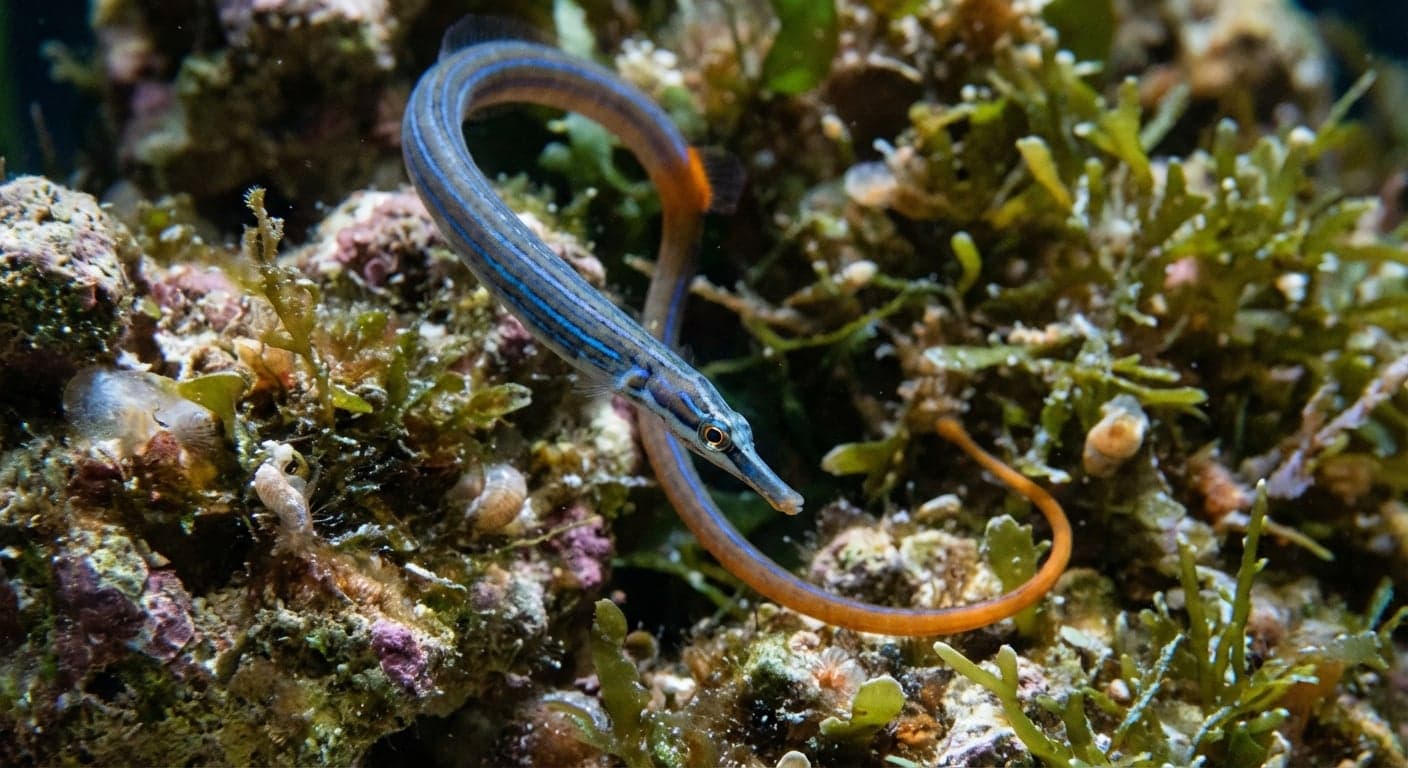
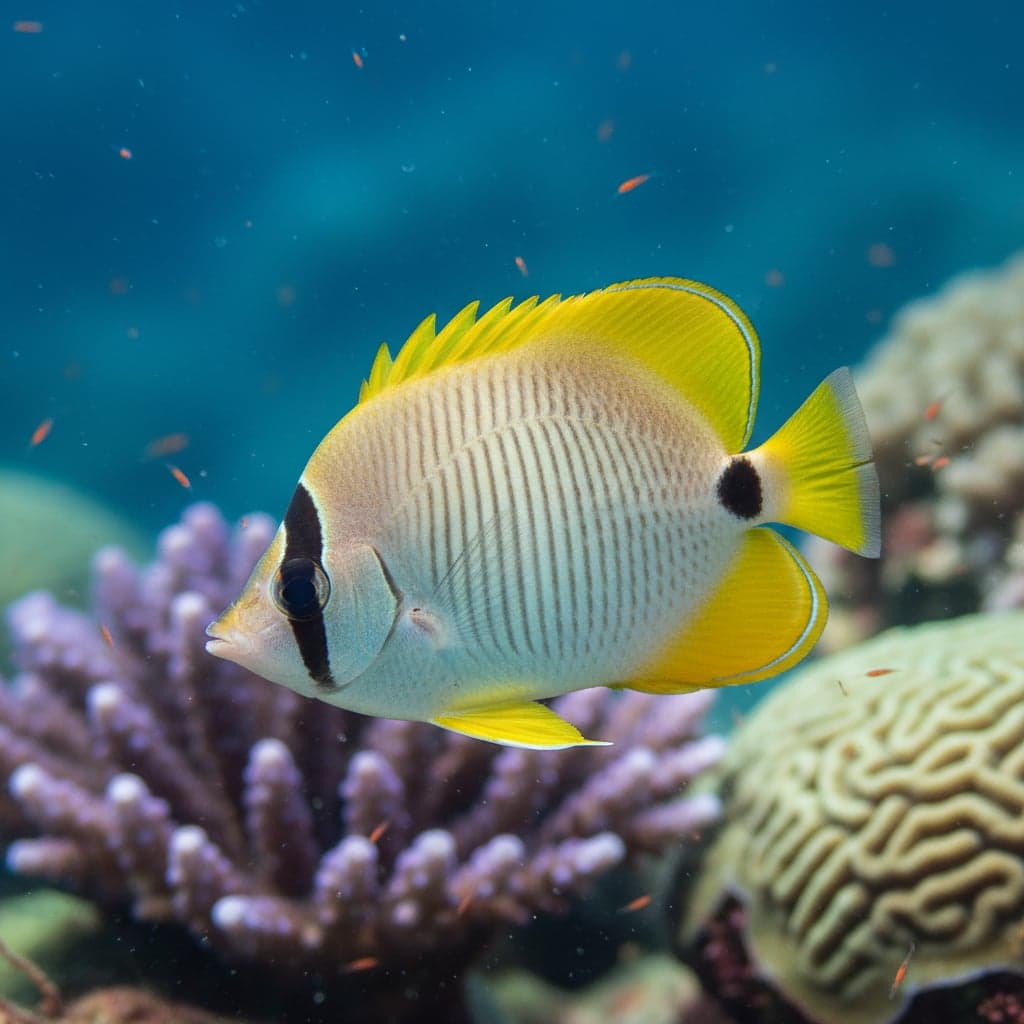
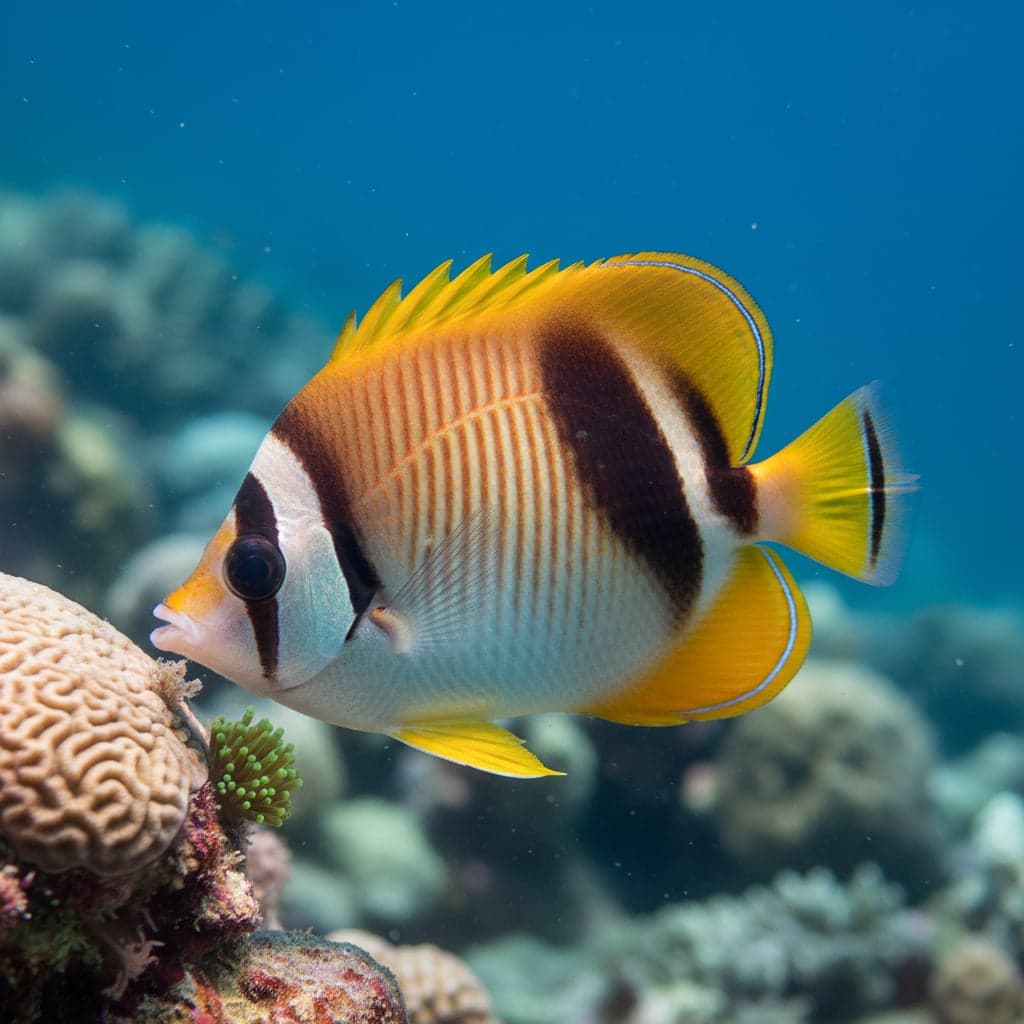
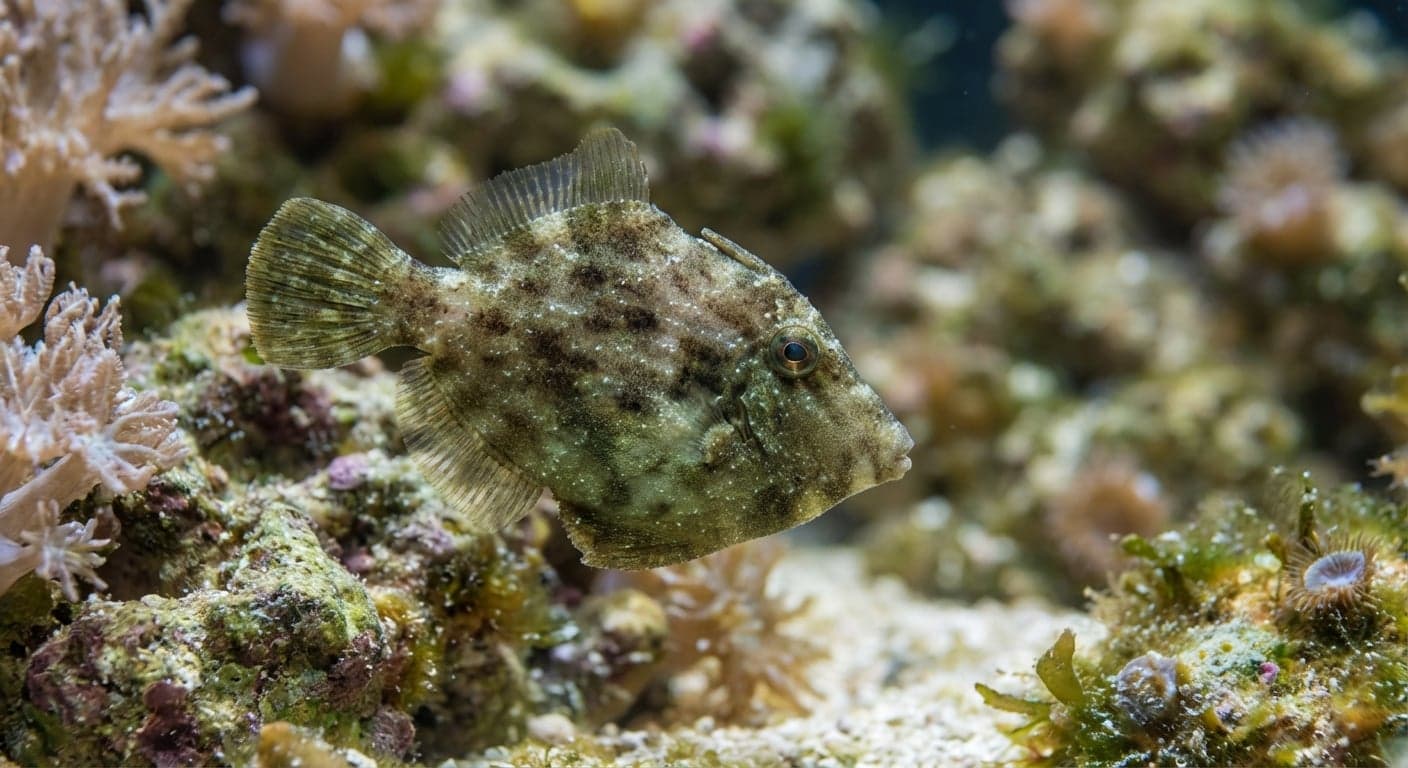
The Yellowtail Tubelip (Diproctacanthus xanthurus) is a stunning saltwater fish known for its unique appearance and behavior.

Yellowtail Tubelip
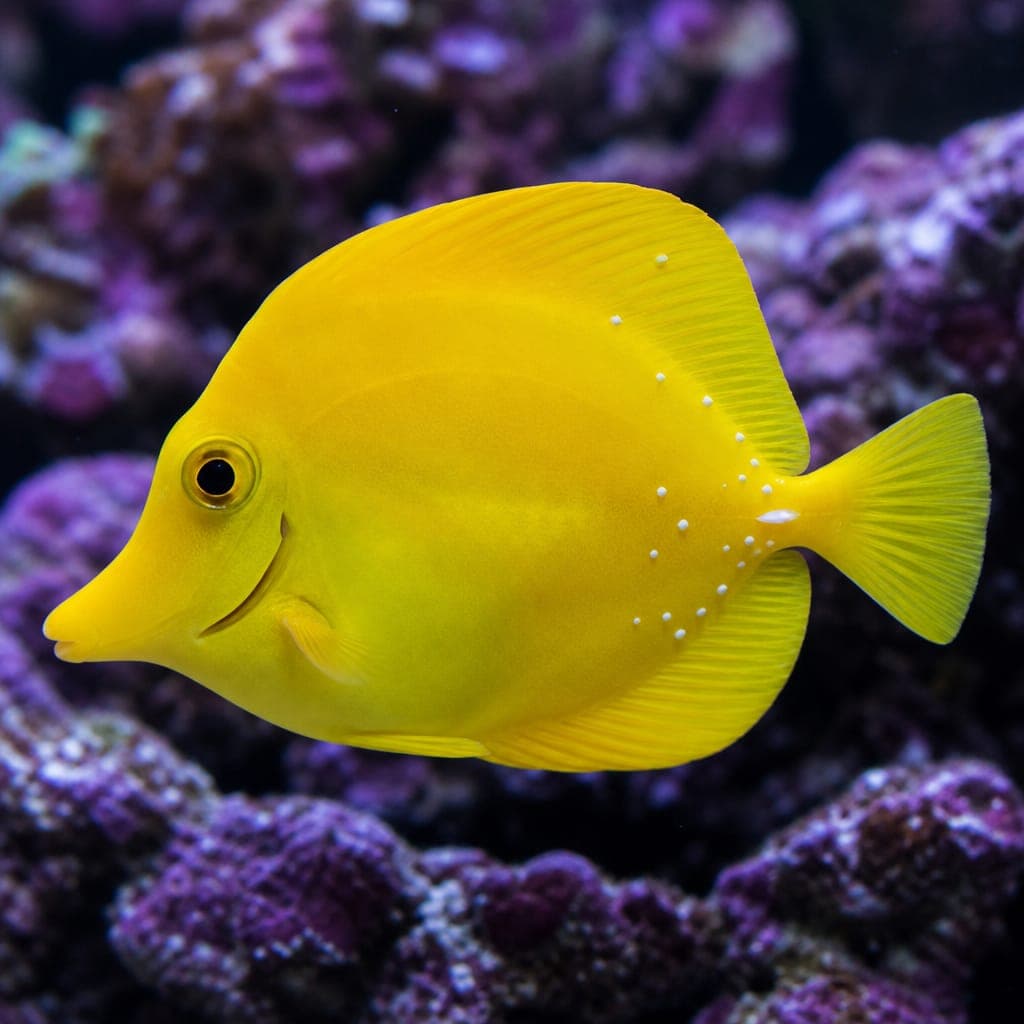
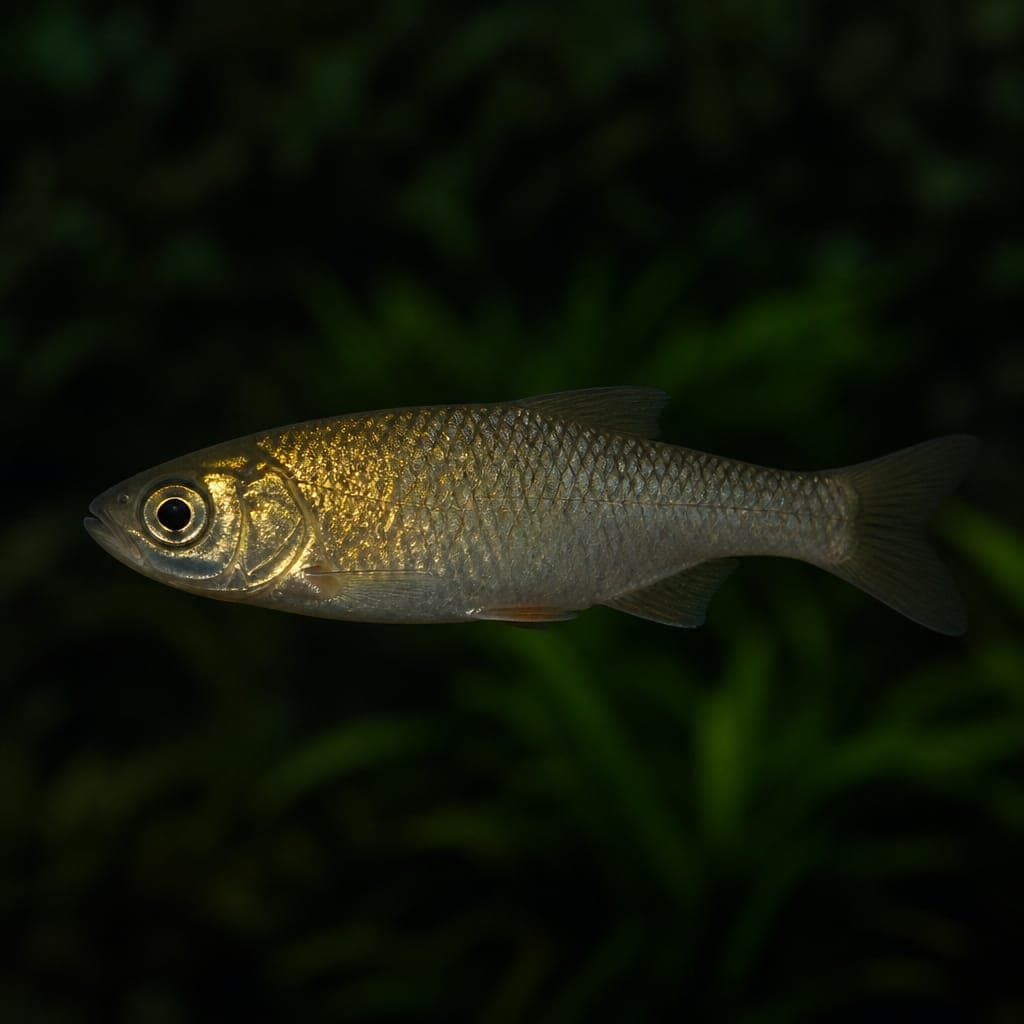
The Yellowtail Tubelip, scientifically known as Kelberi geoffroy, is an exotic freshwater fish known for its striking appearance and unique odyssey into the aquarium hobby. Its most attractive feature is its vibrant yellow tail that stands in stark contrast to its dark, robust body. This coloration, combined with a rounded, streamlined shape, makes the Yellowtail Tubelip a visually captivating addition to any aquarium. Its unique physical features and lively demeanor contribute to its popularity among both novice and experienced aquarists who seek to enhance their aquascaping endeavors with an eye-catching species.
In addition to its aesthetic appeal, the Yellowtail Tubelip is significant for its role in the aquatic ecosystem and the aquarium trade. Found mainly in Brazil, this species has become a sought-after choice for aquarists looking to create biodiverse and dynamic habitats. It not only enhances the visual complexity of aquariums but also serves as a remarkable representative of biodiversity within freshwater ecosystems. Its presence in aquarium displays encourages responsible fishkeeping practices, including sustainable sourcing and educating hobbyists about the importance of protecting their natural habitats.
Natural Habitat & Origin
The Yellowtail Tubelip hails from the rivers and streams of Brazil, notably in regions that have a mix of clearwater and slightly turbid environments. This species predominantly inhabits areas rich in vegetation, where it finds both shelter and ample food sources. Being an aquatic inhabitant of the Amazon River basin, it flourishes in the naturally shallow waters that are laden with fallen leaves and woody debris, creating a habitat that mirrors the complexities and richness of its native ecosystem. This specific environmental context plays a crucial role in understanding the care and management of the Yellowtail Tubelip in captivity.
In terms of geographical origins, the Yellowtail Tubelip is primarily distributed in South America, where it thrives amidst an array of aquatic flora. The soft and acidic waters of this region, with low turbulence and plentiful plant cover, contribute to the species' adaptability. Aquarists must strive to replicate the Yellowtail Tubelip’s natural habitat to promote its well-being and longevity in a home aquarium setting.
Care Requirements
When it comes to caring for the Yellowtail Tubelip, maintaining the right water conditions is crucial. The ideal pH level for this species ranges between 6.0 to 7.5, reflecting its natural habitat’s slightly acidic to neutral waters. An optimal temperature range of 24-28°C (75-82°F) is recommended to ensure the fish remains healthy and active. Additionally, water hardness should be maintained at around 3-10 dGH, keeping in line with the soft waters where the Yellowtail Tubelip originates.
For tank setup, a minimum aquarium size of 75 gallons is advisable to provide ample swimming space and allow for natural social dynamics. A soft substrate, such as fine sand or smooth gravel, mimics its natural environment while preventing damage to its sensitive fins. Incorporating dense aquatic plants, driftwood, and hiding spots allows the Yellowtail Tubelip to exhibit natural behaviors such as foraging and hiding. Proper lighting should be moderate to highlight the vibrancy of the fish without causing stress.
Diet & Feeding
The Yellowtail Tubelip is an omnivore, displaying a varied diet that can comprise both plant and animal matter. In captivity, a balanced diet should include high-quality flake or pellet food designed for omnivorous freshwater fish, supplemented with frozen or live food options like brine shrimp, daphnia, and bloodworms to enhance nutrition and mimic natural feeding behaviors. Regular feedings of blanched vegetables such as spinach, zucchini, or peas can also promote healthy digestive function and vibrant coloration.
It is crucial to avoid overfeeding; thus, providing two small meals per day or a single larger meal will keep the fish satisfied without health consequences. Ensuring a diet that includes a variety of food sources not only maintains the Yellowtail Tubelip’s health but also encourages natural behaviors, further enhancing its appeal in the aquarium setting.
Behavior & Temperament
In terms of behavior and temperament, the Yellowtail Tubelip is known for its peaceful and relatively social nature. These fish thrive in community settings but also appreciate the presence of other species that complement their tranquil disposition. They often engage in shoaling behaviors, particularly when kept with others of their kind. The Yellowtail Tubelip tends to occupy the mid to upper levels of the tank and may occasionally venture towards the substrate, seeking food and exploring its environment.
Aggression levels are typically low, making them suitable for larger community tanks. However, care should be taken to avoid overly aggressive species that may intimidate or bully the Yellowtail Tubelip. Providing ample space, escape routes, and hiding spots will further reduce stress and potential territorial disputes in a mixed aquarium setup.
Tank Mates
When selecting tank mates for the Yellowtail Tubelip, aim for peaceful species that share similar water parameters and habitat preferences. Compatible fish include tetras such as Neon and Cardinal Tetras, smaller cichlids like Apistogramma, and other community-friendly species such as rasboras and danios. It’s also advisable to add snails and shrimps as tank mates, as they contribute to the ecosystem without competing for the same food sources.
Species to avoid in the same tank with the Yellowtail Tubelip include aggressive fish such as larger cichlids, barbs, and certain catfish species that may pose a threat or compete too aggressively for resources. Understanding the social dynamics and individual temperaments of potential tank mates will foster a harmonious aquarium environment where the Yellowtail Tubelip can thrive.
Breeding
Breeding the Yellowtail Tubelip in captivity can be a rewarding experience, although it may require specific conditions to encourage spawning behaviors. This species generally breeds in slightly acidic water, with a pH between 6.0 and 6.5 being ideal. The tank should be well-planted with lots of fine-leaved or spawning mops to provide suitable locations for egg deposition. A separate breeding tank with a volume of at least 20 gallons can help protect the fry from potential predation by the parents or other tank mates.
To induce spawning, temperature can be gradually raised to around 28-30°C (82-86°F), mimicking the natural seasonal changes that trigger breeding in the wild. After spawning, which occurs in pairs, the Yellowtail Tubelip typically demonstrates parental care, guarding the eggs until they hatch. Ensuring optimal water quality and maintaining a well-balanced diet will further enhance the chances of successful breeding and fry development.
Common Health Issues
The Yellowtail Tubelip may be prone to certain health issues, with stress and poor water quality being primary contributors to disease. Common ailments include ich (white spot disease), fin rot, and various forms of parasitic infections. Regular water changes, proper filtration, and monitoring of water parameters are essential for preventing these problems. Additionally, maintaining a healthy diet and avoiding overcrowding in the aquarium will bolster the fish’s immune system, reducing susceptibility to illness.
Routine observation and proactive care can help detect issues before they escalate. Regular health checks for signs of distress, unusual swimming patterns, or physical irregularities will aid in early diagnosis and treatment. Providing a stress-free environment with plenty of space, hiding spots, and stable conditions is key