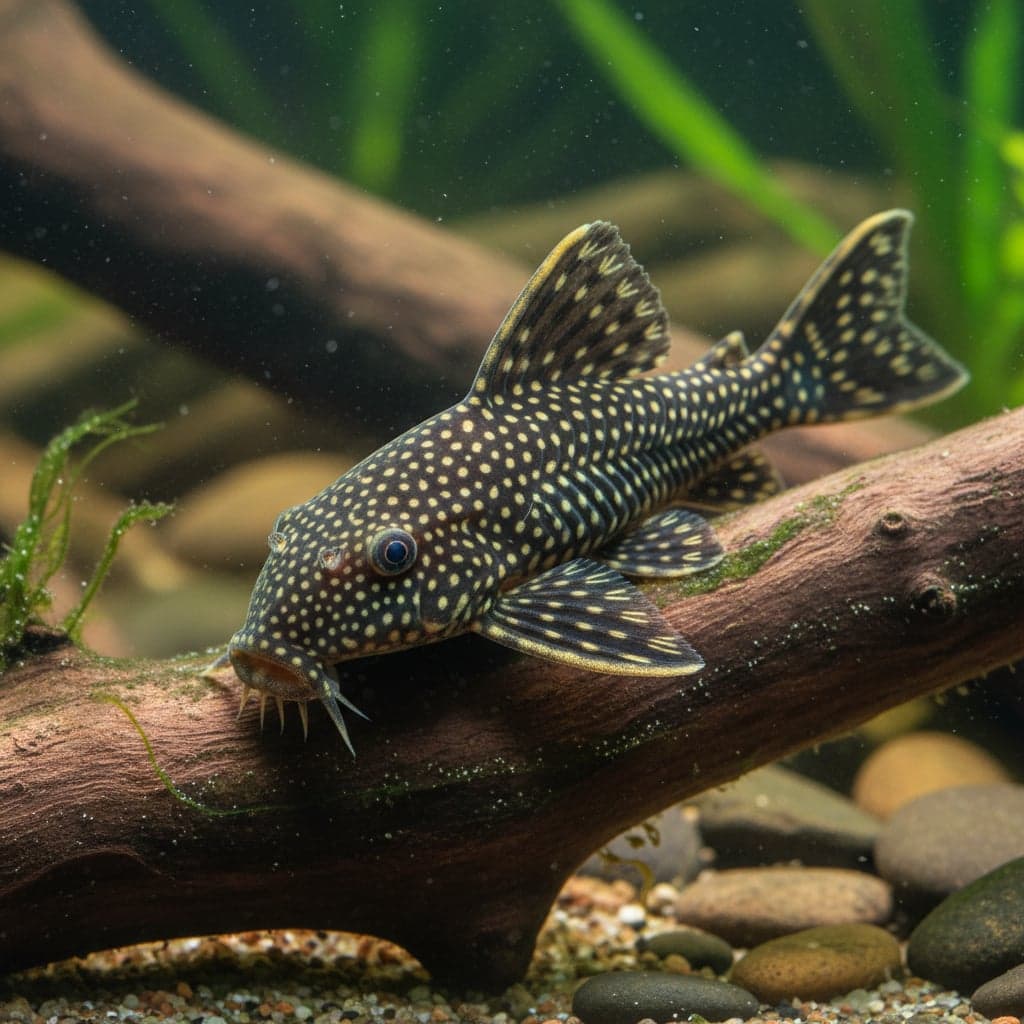
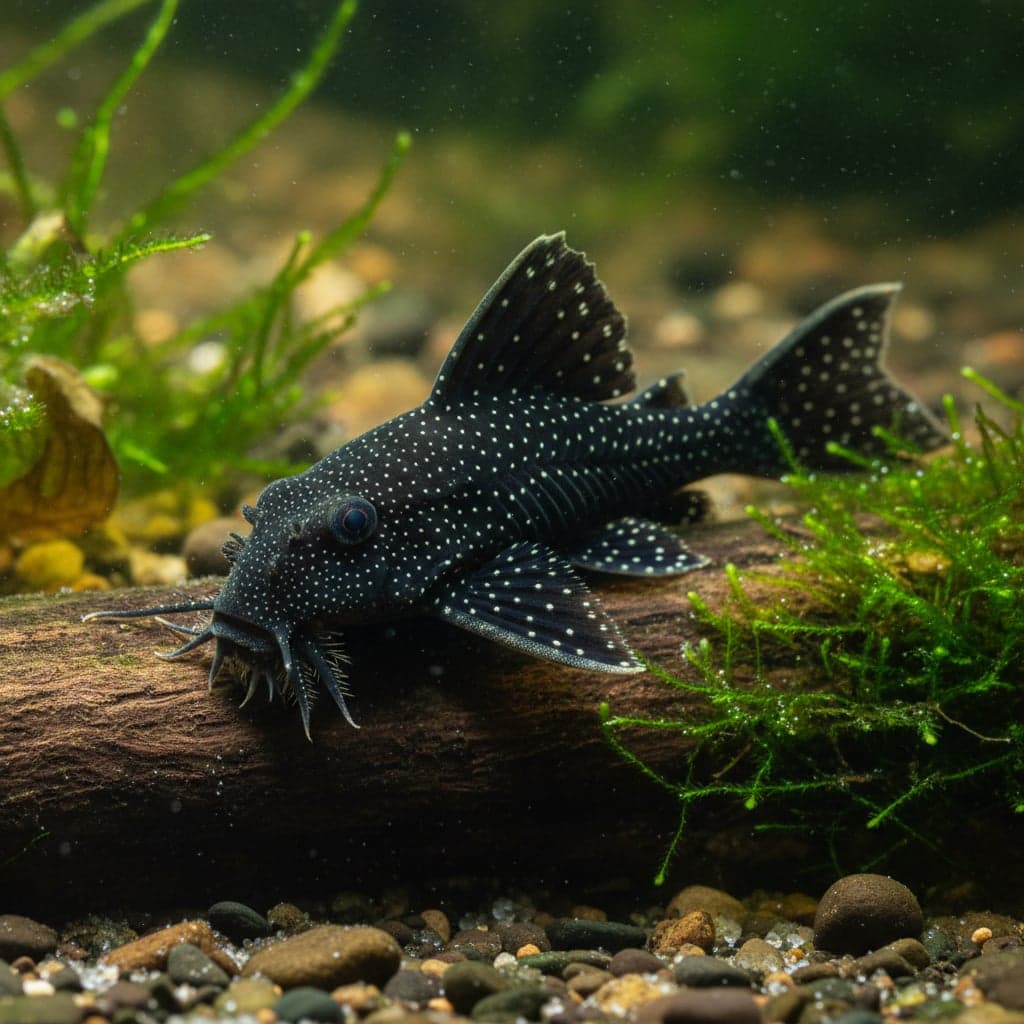
Zebra Oto: Otocinclus cocama
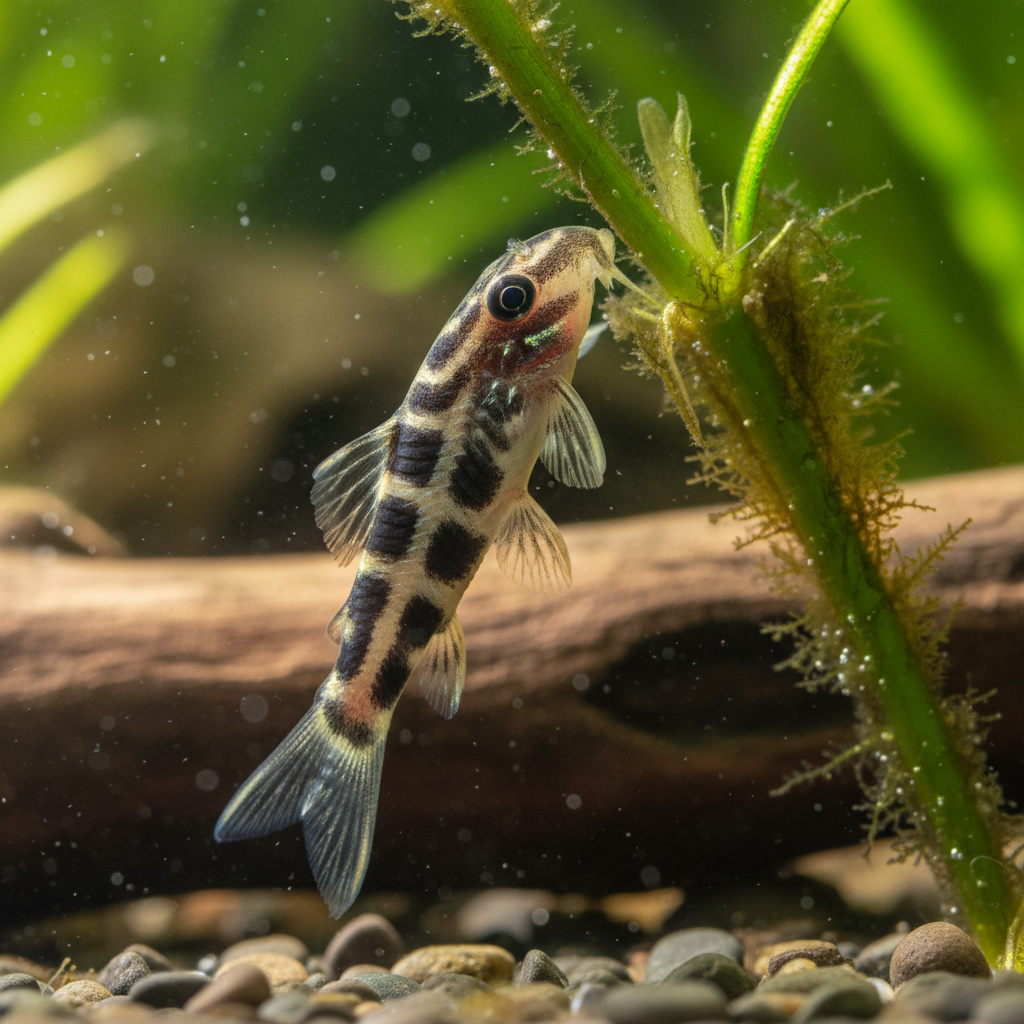
A stunning and rare member of the dwarf sucker-mouth catfish family, famous for its intricate black-and-white zebra pattern and excellent algae-eating abilities.
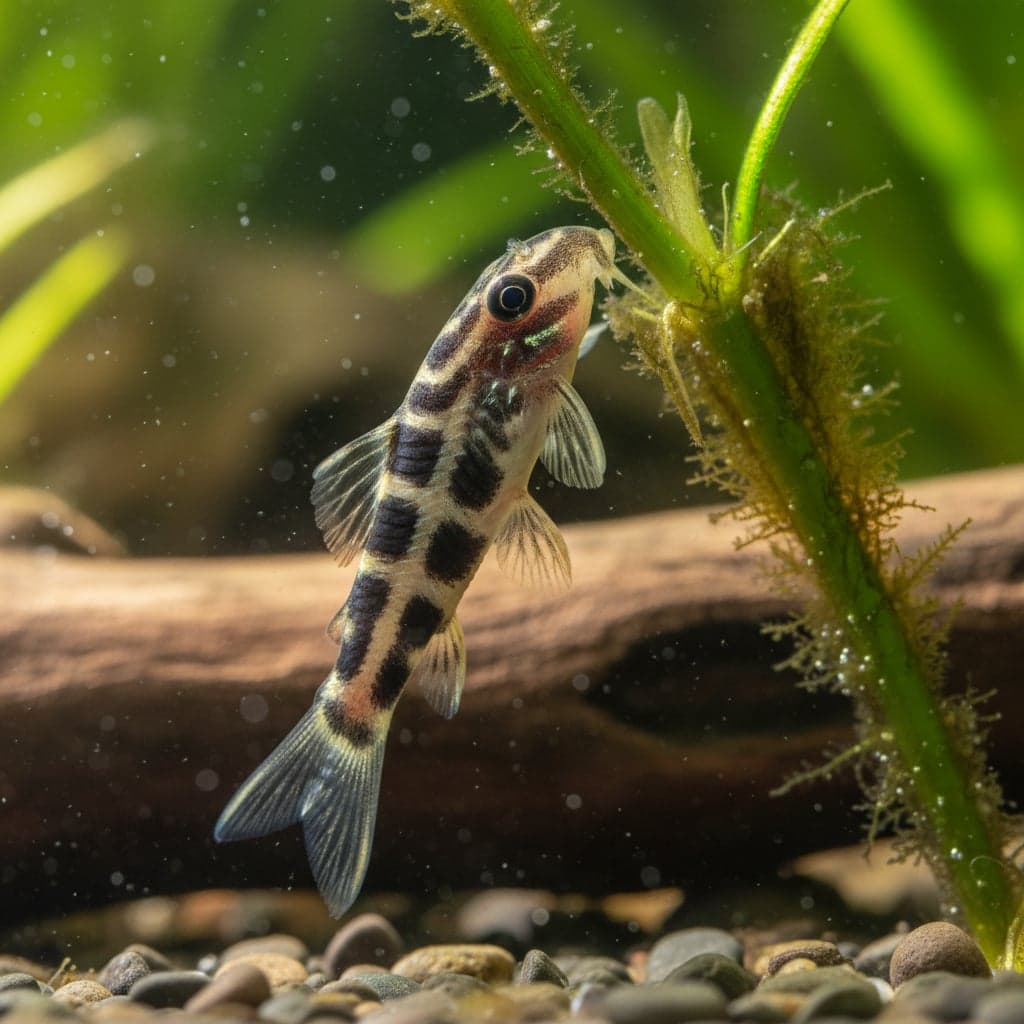
Zebra Oto
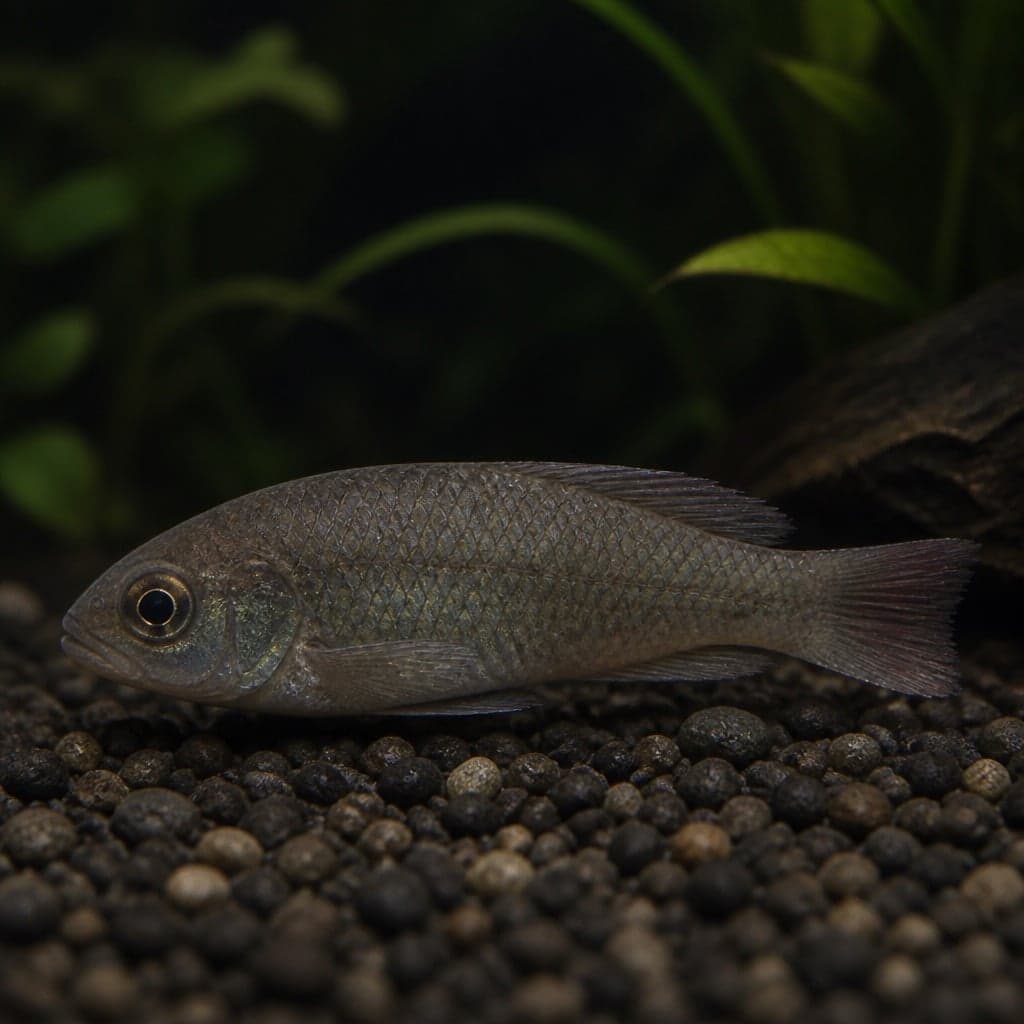
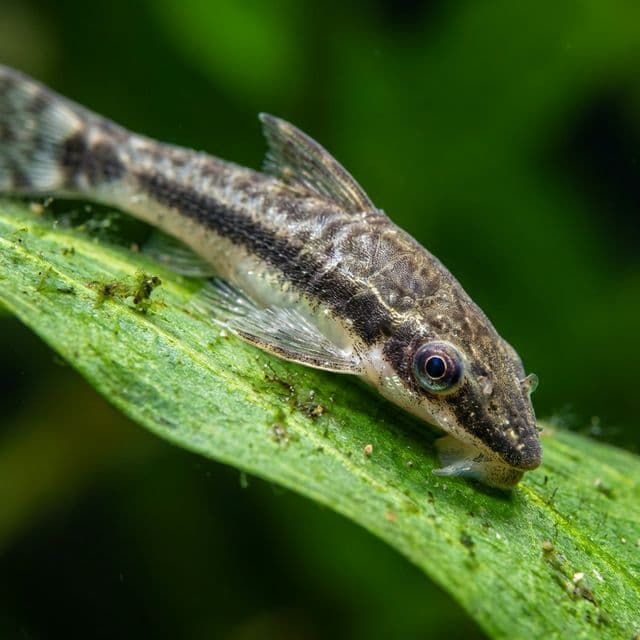
The Zebra Oto, scientifically known as Otocinclus cocama, is a charming freshwater fish highly sought after in the aquarium hobby. Known for its unique black and white striped pattern, resembling that of a zebra, this small catfish typically reaches about 2 inches in length. Its body is sleek and elongated, allowing it to navigate nimbly through aquatic vegetation. The Zebra Oto not only adds visual appeal to your aquarium with its striking coloration but also serves as a useful algae-eater, making it a popular choice for aquarists looking to maintain a clean tank environment. Its docile nature and engaging behavior make it a delightful addition to community tanks.
Belonging to the family Loricariidae, the Zebra Oto is an essential species among the various Otocinclus fish that thrive in the aquarium trade. These fish are often considered beneficial for their role in controlling algae growth. Their peaceful demeanor fosters a serene environment in community tanks, allowing them to coexist harmoniously with various species. As a result, the Zebra Oto holds significance not only for aesthetic purposes but also for its functional role in aquarium health and ecology.
Natural Habitat & Origin
The Zebra Oto is native to the clear waters and flooded forests of the Amazon River basin in Peru, particularly around the regions of Iquitos. It typically inhabits areas with dense aquatic vegetation, where the water is relatively slow-moving, providing plenty of hiding spots and food sources. These fish thrive in whitewater and blackwater environments characterized by high organic matter content that contributes to the soft and slightly acidic water conditions they crave. The lush vegetation and specific water chemistry play a crucial role in their natural habits, influencing their behaviors, feeding strategies, and overall well-being.
In the wild, Zebra Otos are often found nestled among fallen leaves, submerged logs, and dense plant life, where they graze on biofilm and algae. This natural habitat provides them with not only food but also shelter from predators, emphasizing the importance of replicating such environments in an aquarium setting. With captivating ecosystems around them, Zebra Otos showcase their unique adaptations that make them a favorite among aquarists who seek to mimic their natural living conditions.
Care Requirements
To ensure a healthy and thriving environment for Zebra Otos, specific water parameters must be maintained. The ideal pH range for these fish is between 6.0 and 7.5, while the temperature should be kept within the range of 72°F to 79°F (22°C to 26°C). Hardness levels should be kept low, ideally between 2 to 10 dGH. Regular testing of the water conditions is essential, as fluctuations can lead to stress and health issues.
For tank setup, Zebra Otos require a minimum tank size of 20 gallons to accommodate their schooling nature. The substrate should consist of fine gravel or soft sand to avoid damage to their delicate bodies. Aquarium lighting can be moderate, as they prefer shaded areas among plants or driftwood to mimic their natural habitat. Including live plants such as Java fern, Anubias, and other hardy species not only enhances the aesthetic appeal but also provides algae for grazing while aiding in water quality through natural filtration processes.
Diet & Feeding
Zebra Otos are primarily herbivores, thriving on a diet rich in algae. In the aquarium, they can be fed a variety of food sources. High-quality algae wafers are an excellent staple, as they provide the necessary nutrients these fish need. Supplementing their diet with blanched vegetables like zucchini, cucumber, or spinach can help replicate their natural feeding habits while supporting their health. Additionally, offering spirulina-based flakes or pellets can provide extra nutrition.
Though they primarily feed on algae, it is essential not to rely solely on algae as their food source, especially in a newly established tank where algae growth may be limited. A varied diet incorporating commercial fish foods designed for herbivorous fish can help maintain their health and vitality. Feeding should occur once or twice a day, with small amounts that can be consumed within a few minutes to prevent overfeeding and maintain water quality.
Behavior & Temperament
Zebra Otos are peaceful and social fish that thrive in groups. Ideally, they should be kept in schools of at least five to six individuals to promote natural behaviors and reduce stress. In such schools, they often display lively activity as they explore their tank, nibbling on biofilm and algae, which enhances their interactions and provides a captivating display for aquarists.
This species is generally non-aggressive, making it an excellent choice for community tanks with similarly sized, non-aggressive fish. Zebra Otos are typically found near the substrate and are known to spend a considerable amount of time grazing on plants and tank decorations. They prefer to swim at various levels within the tank but are often seen along the tank's lower levels, where they feel safest and can sneak around plants and décor.
Tank Mates
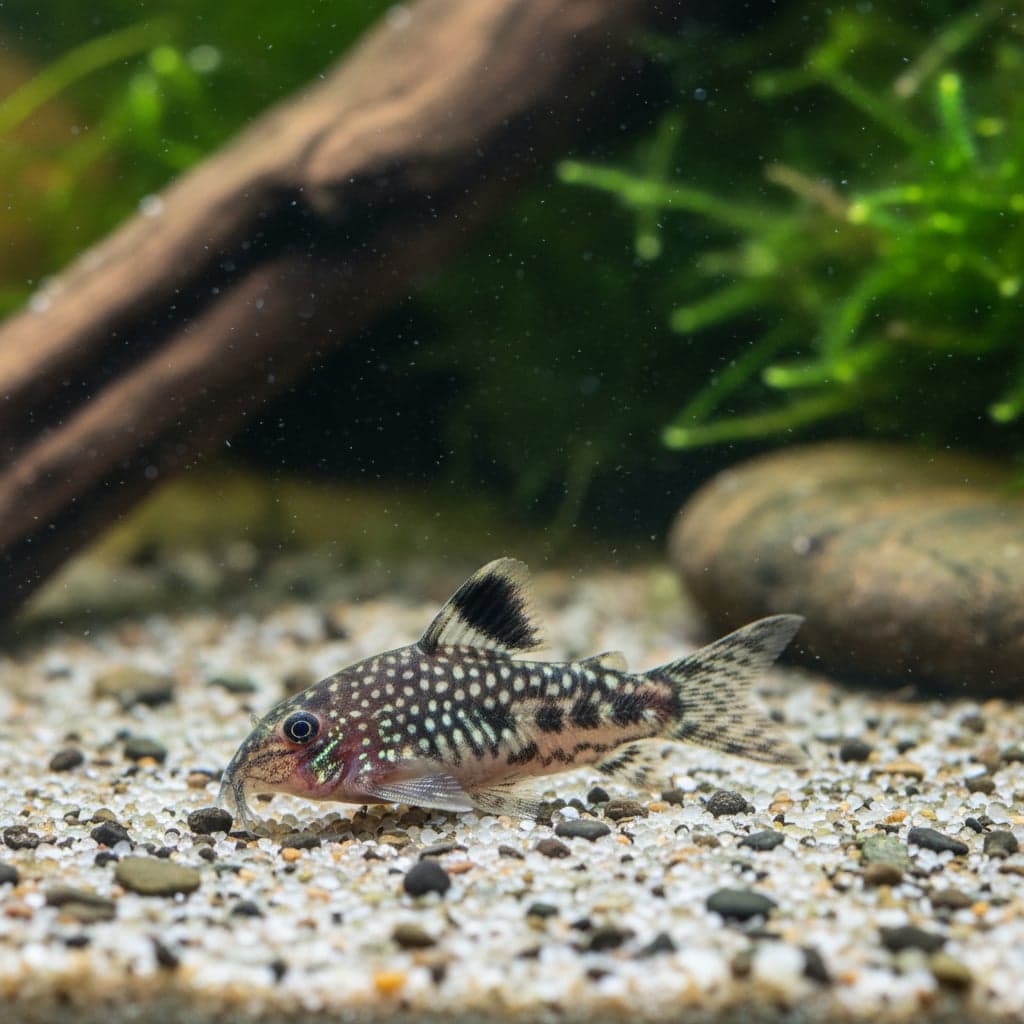
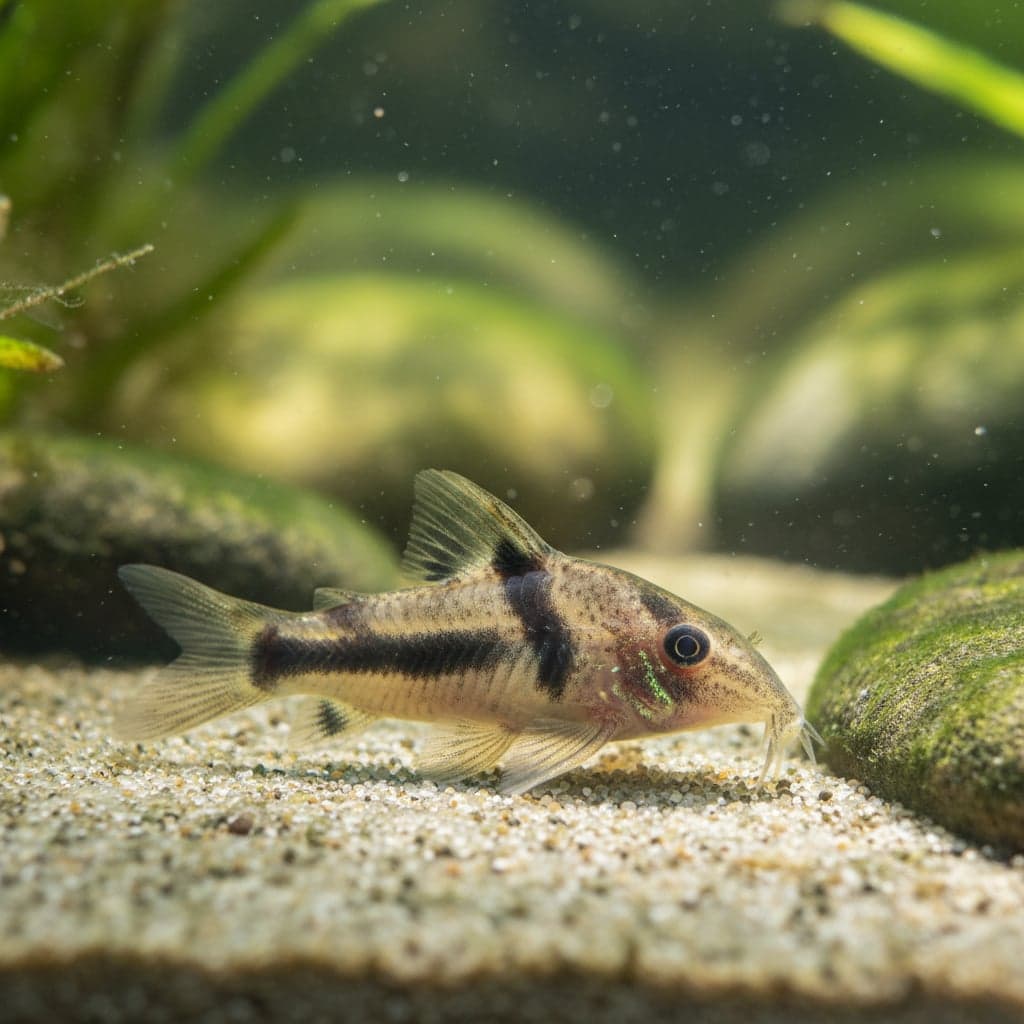
When considering tank mates for Zebra Otos, it is crucial to choose species that share similar care requirements and temperament. Compatible species include small tetras (like Neon Tetras and Rummy Nose Tetras), peaceful rasboras, and community-friendly fish such as Guppies and Corydoras catfish. Other suitable companions may include small livebearers and dwarf cichlids, provided they exhibit non-aggressive behavior.
It is essential to avoid larger, predatory fish that may view Zebra Otos as potential food, as well as excessively aggressive species that may harass or stress them. Furthermore, avoid keeping them with larger catfish and aggressive species such as cichlids that could dominate their territory. By selecting compatible species, you can maintain a harmonious aquarium environment that supports the Zebra Oto's peaceful demeanor.
Breeding
Breeding Zebra Otos in captivity is a challenging task due to specific requirements for spawning success. They typically require soft, slightly acidic water along with ample hiding spaces provided by plants for the females to lay eggs. When conditions are ideal, males will perform a courtship dance, encouraging females to release eggs. The males will fertilize these eggs shortly after, placing them among plants or substrate.
After spawning, adult Zebra Otos should be removed from the breeding tank, as they may consume their eggs. The eggs take about 3-5 days to hatch, depending on water conditions. Once the fry have absorbed their yolk sacs, they can be fed infusoria or finely crushed algae wafers until they reach a size suitable for larger foods. Due to the challenges associated with breeding these fish in captivity, many aquarists appreciate the beauty of the Zebra Oto while supporting responsible sourcing practices for their tank.
Common Health Issues
Zebra Otos are generally hardy but can be susceptible to some common health issues if not properly cared for. One of the primary concerns is Mycobacterium infections, which can result from poor water quality and stress. Maintaining stable tank conditions and performing regular water changes can help prevent these infections. They may also experience issues like ich (white spot disease) and fin rot, often caused by stress or inadequate water quality.
To prevent health problems, ensure regular water testing and proper maintenance of the aquarium setup. Quarantining new fish before introducing them to the main tank can help prevent disease transmission. Providing a balanced diet and maintaining a stress-free environment will also contribute to the overall health and longevity of your Zebra Oto. Quarantine new arrivals, avoid copper-based medications that can harm sensitive catfish, and keep biofilm and algae available so they are not forced to compete for food. Watch for white spots, clamped fins, or sudden weight loss, and treat promptly with oto-safe options. Stable soft water, a plant-rich setup, and a proper school keep Zebra Otos grazing actively and looking their best for years.