Zebra Shovelnose Catfish: Brachyplatystoma tigrinum
A massive and majestic predatory catfish from the Amazon, prized for its incredibly long whiskers and its stunning black-and-white striped coloration.
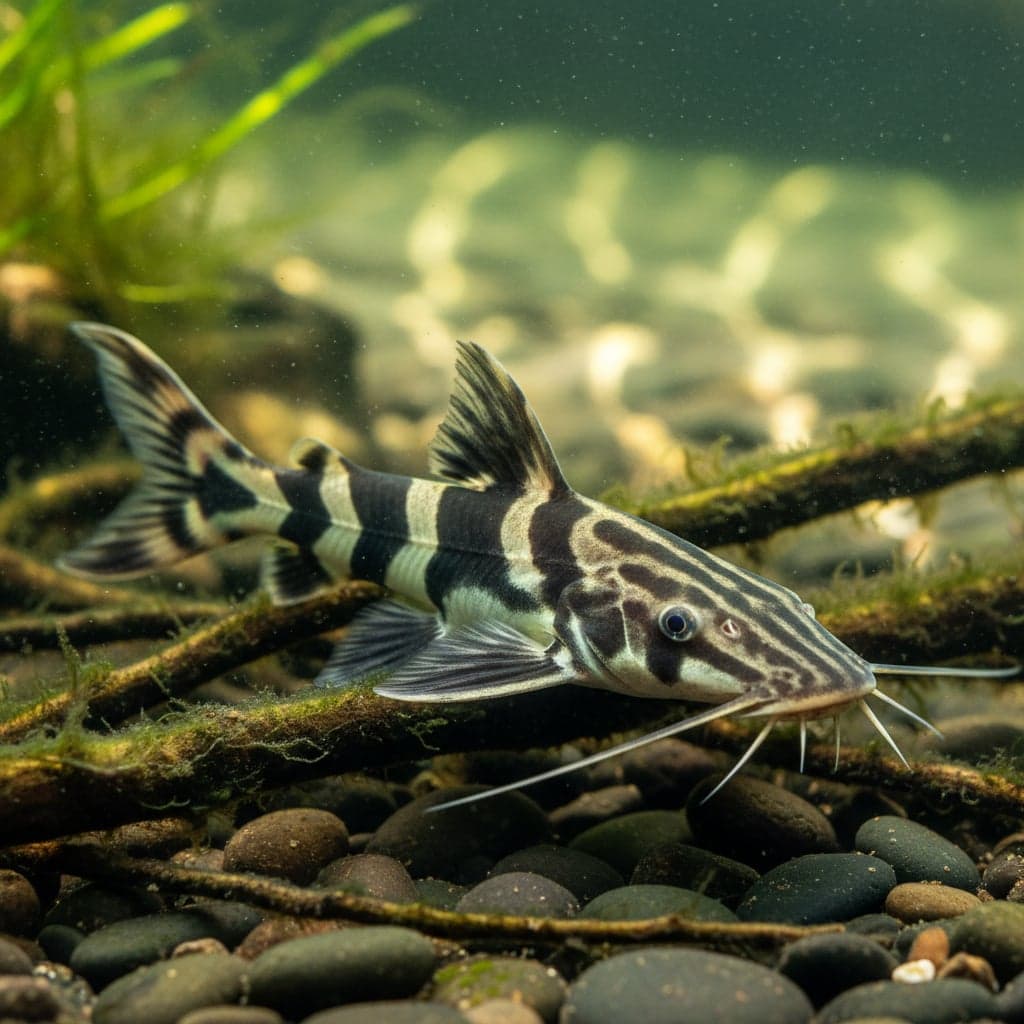
Zebra Shovelnose Catfish
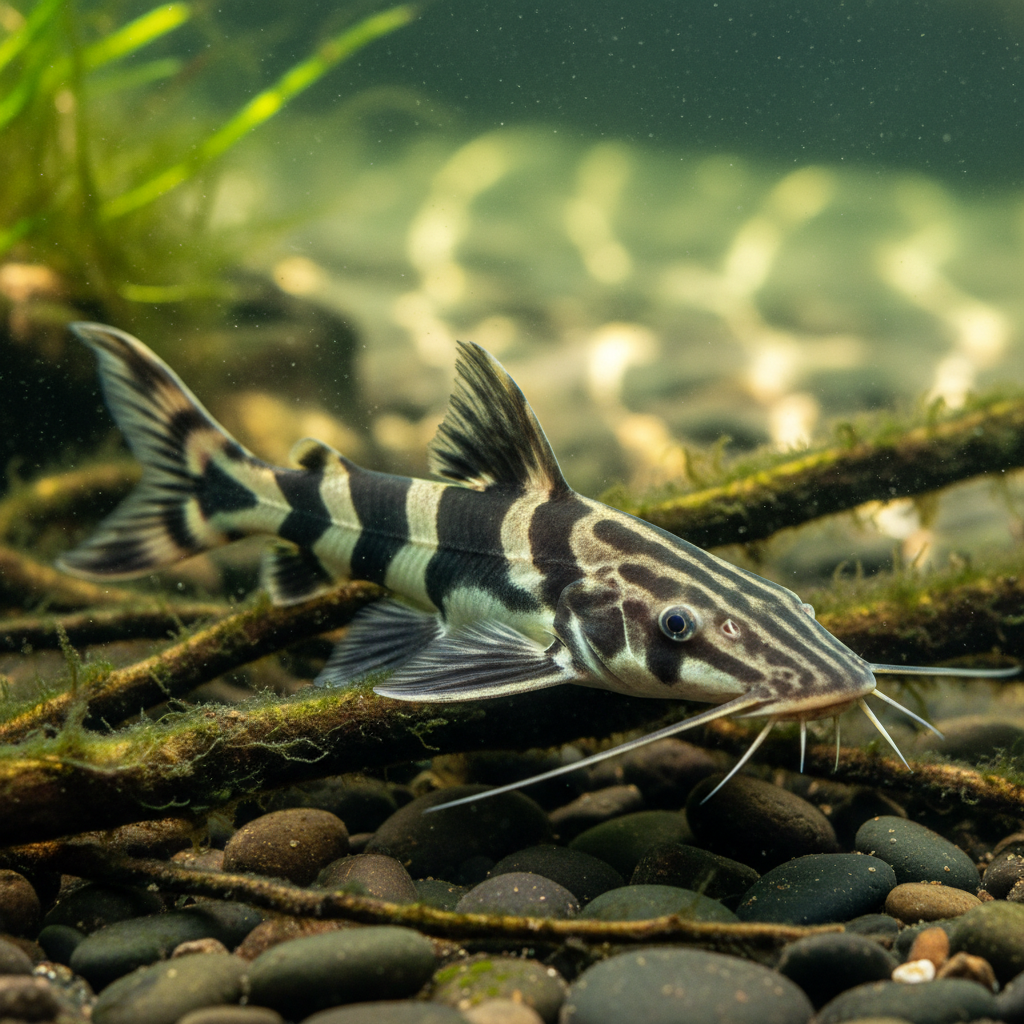
The Zebra Shovelnose Catfish, scientifically known as Brachyplatystoma tigrinum, is a captivating species revered in the aquarium hobby for both its striking appearance and unique behavioral characteristics. This freshwater fish is distinguished by its elongated body and distinctive pattern of bold black and white stripes, which not only enhances its aesthetic appeal but also serves as camouflage in its natural habitat. As a truly remarkable specimen, it can grow to impressive lengths, often exceeding two feet, making it a focal point in larger community tanks. Enthusiasts value the Zebra Shovelnose Catfish for its graceful swimming style and inquisitive nature, which brings dynamic movement to any aquarium environment.
Despite its beauty and allure, the Zebra Shovelnose Catfish requires careful consideration before being added to a tank, primarily due to its eventual size and specific care requirements. In the wild, this species plays a significant role in maintaining the balance of its ecosystem; it is a predator that primarily feeds on smaller fish and invertebrates. For aquarium keepers, understanding the biological and ecological significance of this fish not only fosters a deep appreciation but also encourages responsible keeping practices that ensure the well-being of the fish and the stabilization of the aquatic ecosystem.
Natural Habitat & Origin
The Zebra Shovelnose Catfish is native to the vast river systems of South America, predominantly found in the Amazon Basin, Orinoco River, and surrounding hydrographic networks. This species thrives in a variety of aquatic environments, but it exhibits a preference for blackwater rivers—water bodies characterized by their dark, tannin-stained waters. The presence of decaying organic matter and dense plant growth in these habitats creates a complex ecosystem that supports a rich diversity of life. In these natural settings, the Zebra Shovelnose Catfish often occupies deeper areas and areas with slow-moving currents, where it can find shelter and suitable hunting grounds.
The environmental context of its natural habitat plays a critical role in shaping the Zebra Shovelnose Catfish's behavior and care requirements; the water tends to be soft, slightly acidic, and well-filtered, reflecting the rich biotic interaction found within these complex riverine systems. Understanding this ecological framework is essential for aquarists aiming to replicate optimal conditions for this extraordinary catfish.
Care Requirements
To ensure a healthy and thriving Zebra Shovelnose Catfish in captivity, a deep understanding of its care requirements is essential. The ideal water parameters include a pH range of 6.0 to 7.5, a temperature of 75°F to 82°F (24°C to 28°C), and a hardness level of 2 to 15 dGH. Maintaining these conditions, particularly the water quality through filtration, is vital, as this species can be sensitive to poor water quality and fluctuations.
When setting up a tank for a Zebra Shovelnose Catfish, a minimum tank size of 200 gallons is recommended due to its eventual size and swimming needs. The substrate should consist of fine sand or soft gravel to protect its delicate barbels. Although this fish does not require intense lighting, providing subdued, filtered lighting can help replicate its natural habitat and reduce stress. Incorporating root structures, driftwood, and dense vegetation can create hiding spots and enrichment for the fish, promoting a more natural and comfortable environment.
Diet & Feeding
The Zebra Shovelnose Catfish is primarily carnivorous, with a diet that consists mainly of smaller fish, invertebrates, and other protein-rich foods in the wild. In an aquarium setting, it is essential to provide a well-rounded diet that includes high-quality sinking pellets, which are specially formulated for carnivorous fish. Additionally, incorporating frozen or live foods such as bloodworms, brine shrimp, and small pieces of fish will encourage natural hunting behaviors and keep the catfish healthy.
While some aquarists may also offer vegetable-based foods in moderation, it's crucial to ensure that the bulk of the diet remains protein-focused to cater to the fish's natural nutritional needs. Feeding should occur once or twice a day, with caution against overfeeding, as excess food can lead to water quality issues. Regularly monitoring feeding practices can enhance the overall health and vitality of the Zebra Shovelnose Catfish.
Behavior & Temperament
The Zebra Shovelnose Catfish exhibits a generally peaceful temperament, making it suitable for larger community tanks, but it does have specific social behaviors that aquarists should observe. This fish is primarily a nocturnal species, preferring to explore and forage during the night while often resting or hiding by day. It can be a solitary swimmer but may benefit from being kept in small groups, although careful attention should be paid to tank size and space to avoid territorial disputes, especially as it grows.
While not considered aggressive, the Zebra Shovelnose Catfish can display assertiveness during feeding times, particularly if competing with other fish for food. Its preferred vertical placement is near the bottom to mid-water column, where it can forage for food, explore its surroundings, and feel secure in its environment.
Tank Mates
When selecting tank mates for the Zebra Shovelnose Catfish, it is crucial to choose species that can coexist harmoniously in a larger aquarium environment. Compatible species often include larger community fish such as Tinfoil Barbs, Silver Dollars, and larger cichlids, as these fish tend to have similar environmental and dietary needs. Additionally, peaceful bottom dwellers like larger species of loaches or catfish can share the tank with the Zebra Shovelnose Catfish due to their non-aggressive nature.
However, certain species should be avoided to prevent any potential conflicts. Small or overly aggressive fish, such as many varieties of bettas or small tetras, may become targets or stressed in the presence of the Zebra Shovelnose Catfish. It is essential to assess the temperaments and needs of all species being considered to create a balanced and harmonious aquatic ecosystem.
Breeding
Breeding the Zebra Shovelnose Catfish in captivity is a rare occurrence among aquarium enthusiasts, largely due to the specific conditions required for successful spawning. In the wild, these fish typically breed during the rainy season, which leads to flooding and the subsequent availability of ample food sources. To replicate these conditions, aquarists aiming to breed this species should set up a separate breeding tank with soft, acidic water (pH 6.0 - 6.5) and a temperature range of 78°F to 82°F (25°C - 28°C).
Creating a suitable breeding environment often involves the inclusion of smooth spawning surfaces such as flat stones or large leaves, as the fish prefer to spawn on these surfaces. Providing adequate space and more hiding spots can also increase comfort and encourage courtship behaviors. Monitoring the water quality and ensuring stable conditions during the breeding process is critical in promoting successful spawning.
Common Health Issues
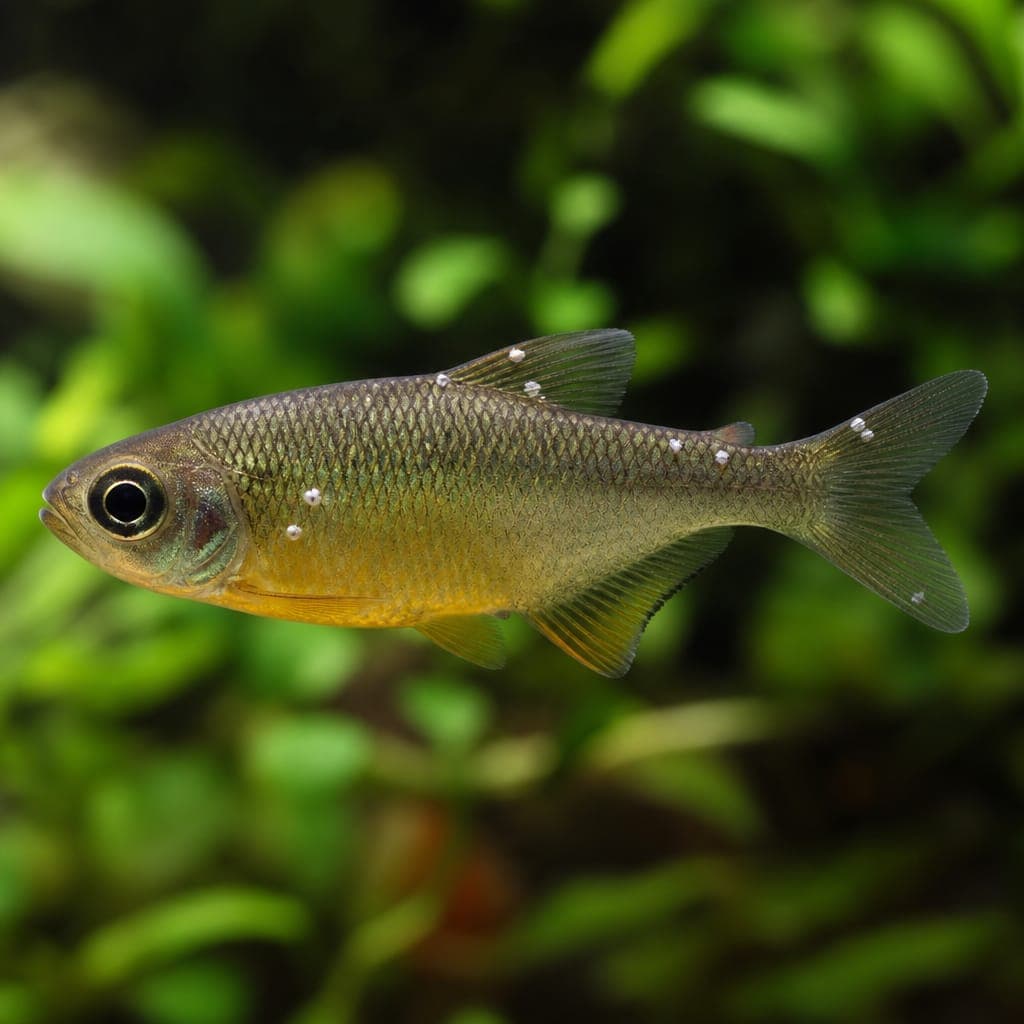
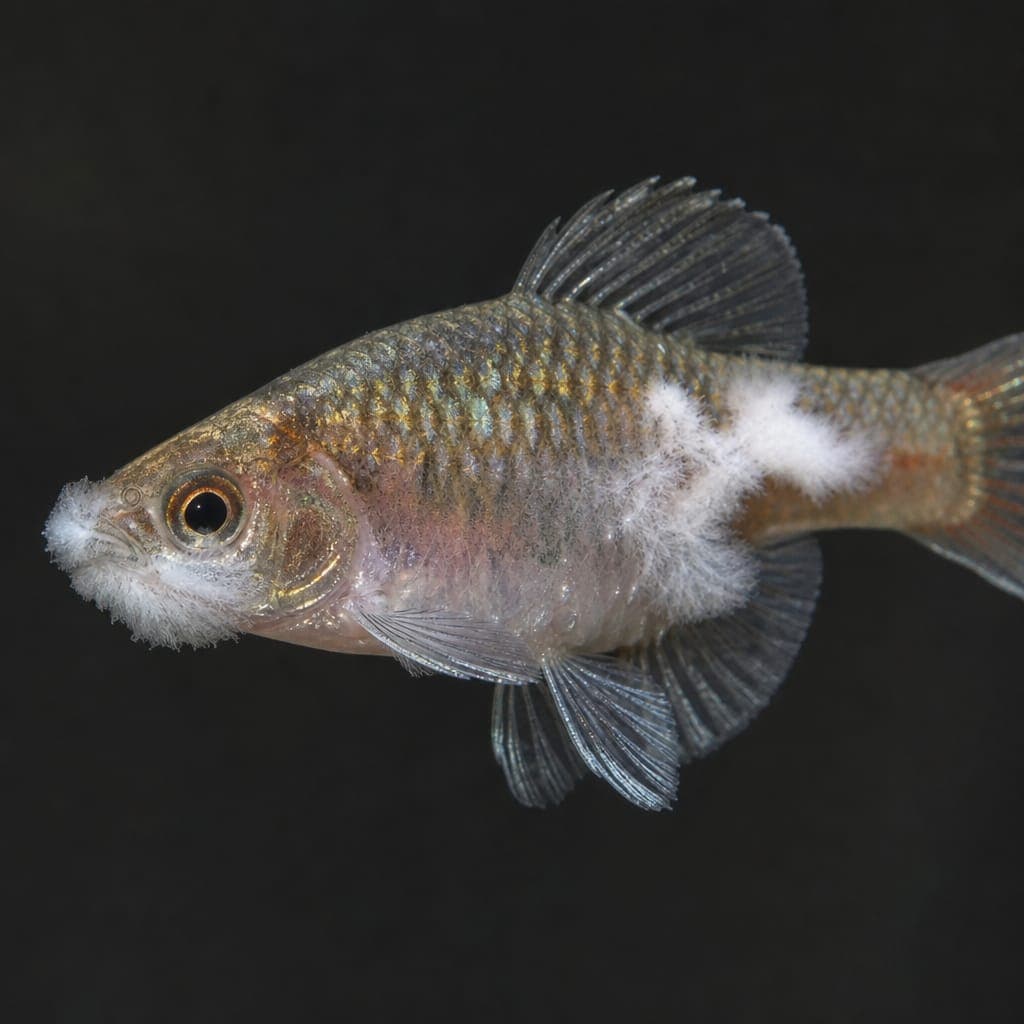
The Zebra Shovelnose Catfish can be susceptible to a range of health issues, often stemming from inadequate water quality or stress. Diseases such as Ichthyophthirius multifiliis (ich), bacterial infections, and fungal infections are common, typically presenting symptoms like white spots, frayed fins, or changes in behavior. Preventive measures are essential for maintaining the health of this species; regular water changes, high-quality food, and proper tank maintenance help prevent most outbreaks. Quarantine new fish and act early at the first sign of distress so your Zebra Shovelnose Catfish stays healthy.