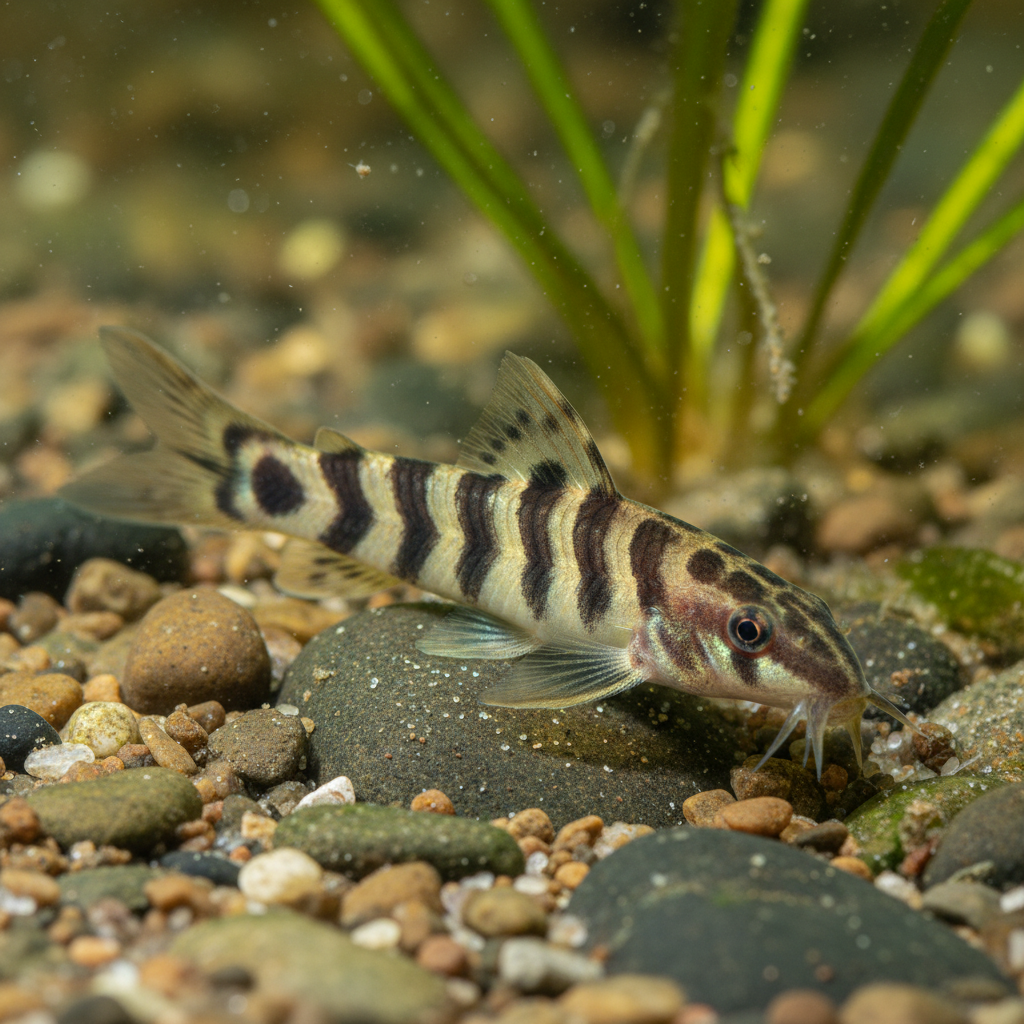
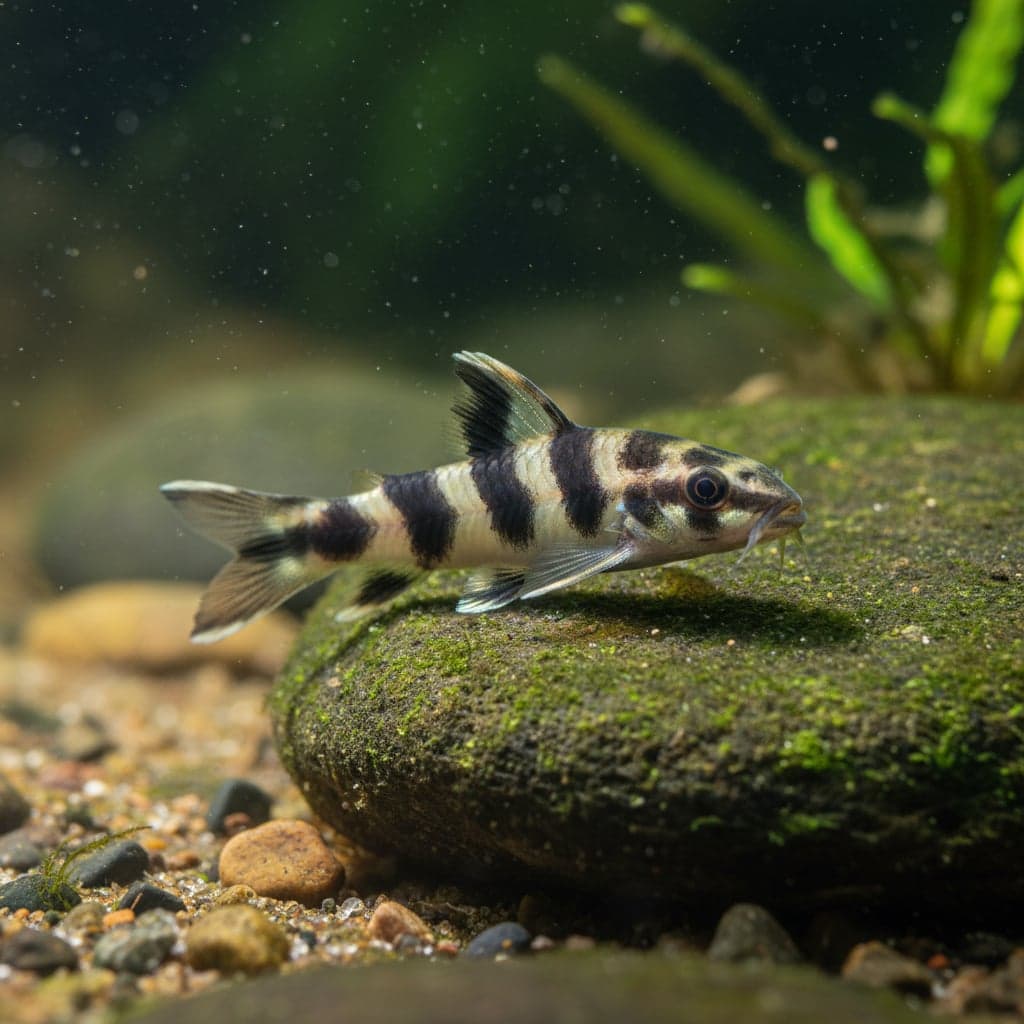
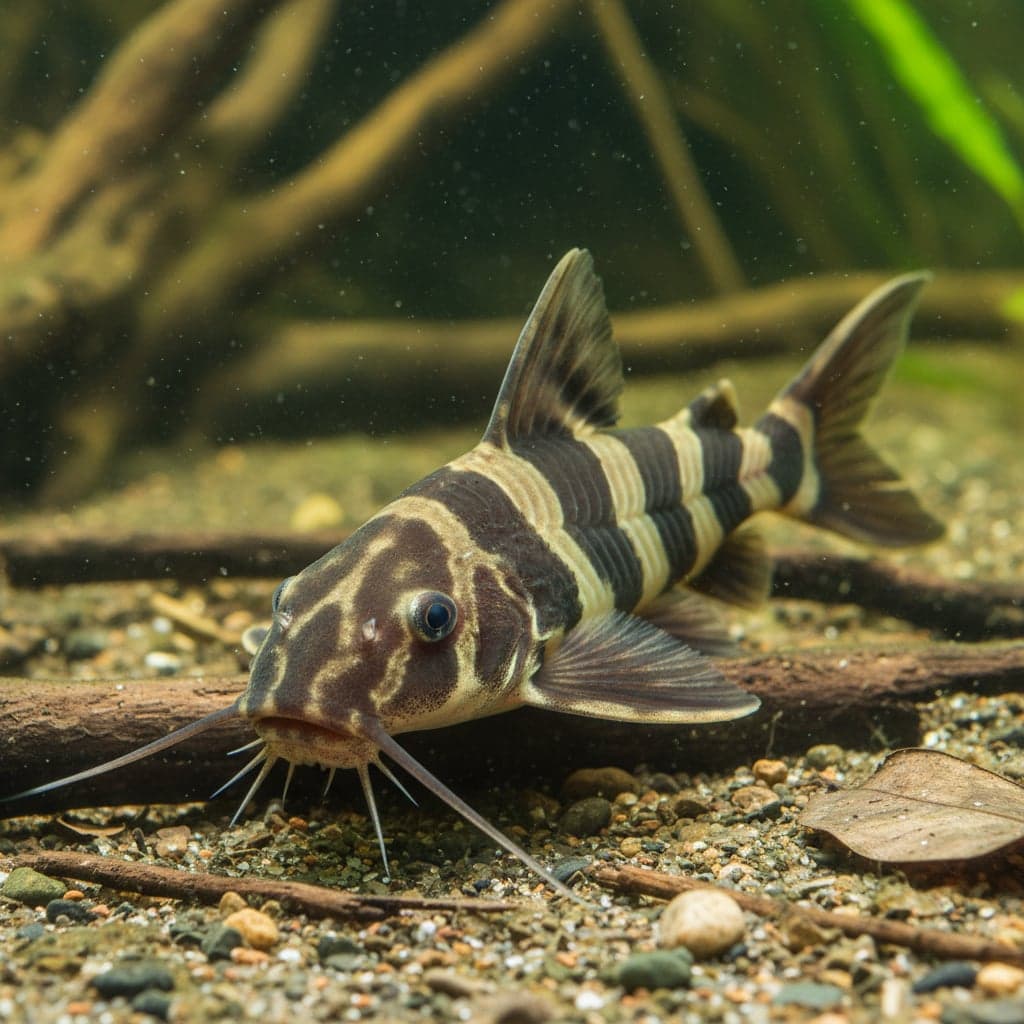
Zipper Loach: Paracanthocobitis zonalternans
A charming and energetic loach from Southeast Asia, featuring a unique "zipper-like" pattern along its sides and a tireless appetite for scavenging.

Zipper Loach
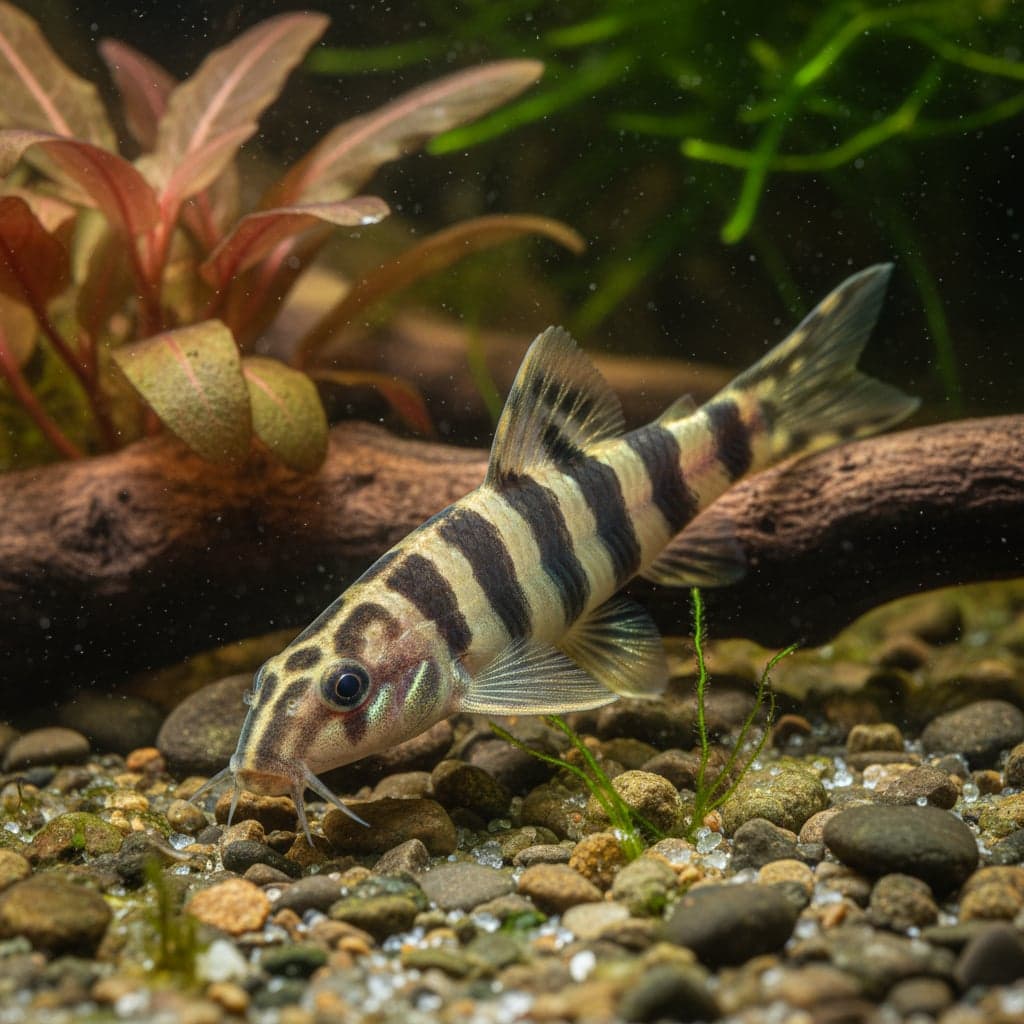
The Zipper Loach, scientifically known as Paracanthocobitis zonalternans, is a fascinating freshwater fish that has captured the attention of aquarium enthusiasts worldwide. Recognizable by its unique and alluring pattern, it features bold contrasting stripes that resemble a zipper, hence its common name. Its slender, elongated body not only enhances its visual appeal but also makes it an intriguing inhabitant for any home aquarium. The vibrant and distinctive markings provide not just aesthetic value but also an educational opportunity to observe the adaptations of fish from stream-dwelling environments. The Zipper Loach’s active and charismatic nature adds to its charm, making it a popular choice for aquarists looking to introduce a lively and visually striking species to their tanks.
In the aquarium hobby, Zipper Loaches hold significant importance due to their engaging behavior and relatively peaceful temperament. As bottom dwellers, they offer a different dimension of interaction, often sifting through substrate in search of food. Their sociable disposition encourages them to thrive in groups, allowing them to display their full behavioral repertoire when kept in a community setting. Additionally, the Zipper Loach serves as a great ambassador for promoting the conservation of natural waterways, as it originates from specific habitats that are under threat in the wild. Understanding and appreciating such species can foster a sense of responsibility among hobbyists toward sustainable practices and emphasize the importance of preserving natural ecosystems.
Natural Habitat & Origin
The Zipper Loach is native to Southeast Asia, specifically found in the freshwater streams and rivers of parts of Thailand and Laos. These environments are typically characterized by slow-moving water that is rich in leaf litter and debris, creating a complex habitat for these fish. The Zipper Loach thrives in blackwater and soft, slightly acidic conditions, which are often prevalent in these tropical regions. Water parameters in their natural habitats generally range from a pH of around 5.5 to 7.0 and maintain a temperature of 24°C to 28°C (75°F to 82°F). This species prefers a lush environment, often hiding amongst rocks, plants, and driftwood, which makes replicating such conditions in captivity crucial for their well-being.
In terms of the environment, Zipper Loaches are adept at navigating their complex habitats, using their elongated bodies to blend into the substrate while searching for food. The vegetative cover provided by the propensity of submerged plants, along with the shaded areas formed by overhanging branches, contributes to their overall success and survival. Replicating these aspects within an aquarium setting not only enhances their visual appeal but also allows for more natural behaviors, resulting in a healthier and more stress-free fish.
Care Requirements
Maintaining Zipper Loaches in captivity requires careful attention to their specific care needs. Ideally, a minimum tank size of 20 gallons is recommended for a small group, allowing ample space for the fish to explore and establish territories. Water parameters are crucial; they thrive in a pH range of 6.0 to 7.5, with temperatures maintained between 24°C to 28°C (75°F to 82°F). A soft water hardness level of 5 to 10 dGH is optimal, mimicking their natural habitats. To create a stimulating environment, a substrate that is soft and sandy is highly advisable, as this is where they forage for food.
Lighting should be moderate to low, simulating the conditions found in their natural blackwater habitats. Incorporating dense plant coverage, driftwood, and rocks not only adds to the beauty of the aquarium but also provides vital hiding spaces where Zipper Loaches can seek refuge. Floating and rooted aquatic plants can help diffuse light and enhance the aesthetic appeal, while also contributing to water quality by providing oxygen and absorbing nitrates.
Diet & Feeding
The Zipper Loach is classified as an omnivore, exhibiting a diverse diet that encompasses a variety of food sources. In captivity, they thrive on high-quality flake and pellet foods formulated for bottom-feeders, as well as sinking granules. Additionally, incorporating live or frozen foods such as bloodworms, brine shrimp, and daphnia can help provide essential proteins that keep the fish healthy and vibrant. While they enjoy these food types, it's essential to provide a balanced diet to ensure comprehensive nutrition.
Feeding should be conducted multiple times a day in small portions, allowing all fish to receive nourishment without overloading the tank with uneaten food. Their foraging behavior is a treat to observe, as they sift through the substrate in pursuit of food. Offering a varied diet will not only cater to their nutritional needs but will also promote natural behaviors in a controlled aquarium environment.
Behavior & Temperament
The Zipper Loach is known for its peaceful demeanor and sociable nature, making it an excellent addition to community tanks. They are primarily bottom dwellers, often engaging in foraging behaviors that involve rummaging through the substrate in search of food. These fishes are best kept in groups of at least five or more, as they exhibit stronger schooling habits when in larger numbers. Their active engagement within the substrate adds an interesting dynamic to the aquarium environment, as they constantly search for food while interacting with each other.
In terms of aggression, the Zipper Loach is generally non-aggressive towards other tank mates. However, they may display occasional shyness, particularly when introduced to a new environment. It is advised to provide plenty of hiding spots and plants within the tank, which helps promote their comfort and confidence. Their placement in the aquarium is predominantly towards the bottom, although they may occasionally venture mid-level in search of food or during social interactions within their group.
Tank Mates
Choosing suitable tank mates for the Zipper Loach is essential for a harmonious aquarium environment. Ideally, they pair well with other peaceful fish species such as tetras, rasboras, danios, and small cichlids like the Apistogramma. Additionally, bottom-dwellers like Corydoras catfish can also coexist with Zipper Loaches, provided the tank is spacious enough to accommodate both species' needs.
On the other hand, it is crucial to avoid housing the Zipper Loach with aggressive or larger predatory fish that may intimidate or prey on them. Species such as larger cichlids, barbs with nippy behaviors, and any aggressive freshwater fish are best avoided. Ensuring a balanced community of peaceful, similarly-sized fish will promote a thriving aquarium where the Zipper Loach can thrive alongside compatible tank mates.
Breeding
Breeding the Zipper Loach in captivity can be quite challenging, as they are not frequent spawners. To encourage breeding behavior, aquarists should aim to create optimal conditions that replicate their natural habitat. This includes slightly lowering the water temperature and providing ample hiding spots, such as dense vegetation and caves in which the females feel secure enough to lay eggs. Water quality is also critical; a soft, slightly acidic environment is conducive to spawning.
During the breeding process, males will display courtship behaviors, often chasing the female and trying to coax her to a suitable spawning site. Once the female is ready to spawn, she can lay several eggs, which will adhere to surfaces around the spawning site. After spawning, it's essential that the adult fish be removed, as they may eat the eggs. The eggs usually hatch within 24 to 48 hours, and the fry can be fed infusoria or finely crushed flake food until they are large enough for more substantial offerings. Success is uncommon, but patience and soft, acidic water improve the odds.
Common Health Issues
Although generally hardy, Zipper Loaches can experience ich, fin rot, and bacterial infections when water quality declines. Loaches are nearly scaleless and sensitive to copper-based medications, so choose loach-safe treatments. Maintain stable soft water, quarantine newcomers, and keep them in a proper group to reduce stress. A varied diet and clean substrate keep Zipper Loaches active and healthy for years.