Dwarf Water Lettuce: Pistia stratiotes
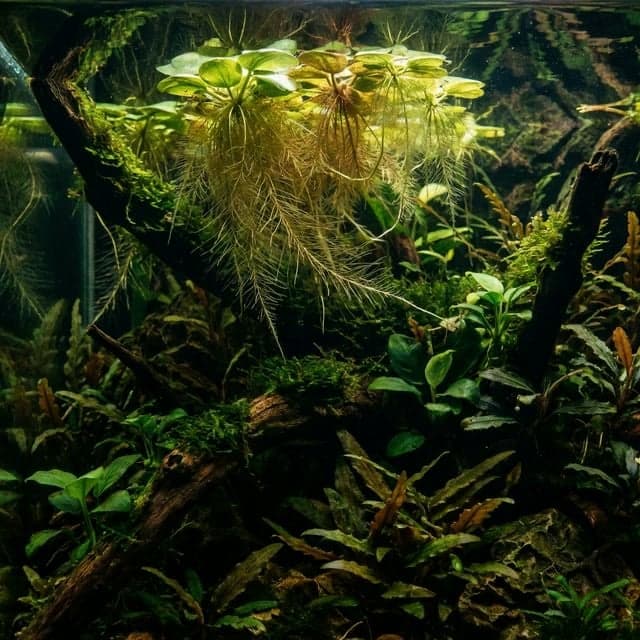
Looks like a floating green cabbage. Soft, velvety rosette leaves. Illegal in some states due to invasiveness.

Dwarf Water Lettuce
Dwarf Water Lettuce, scientifically known as Pistia stratiotes, is a floating aquatic perennial that boasts a rosette of soft, velvety leaves. This intriguing plant is characterized by its light green, rounded leaves, which can grow up to 20 cm in diameter. Ideal for tranquil aquascapes, Pistia stratiotes not only adds aesthetic appeal but also contributes to the ecosystem by providing shade and reducing algae growth in the water. Its lush foliage forms a beautiful floating mat that enhances the visual dynamics of any aquascape, making it a favored choice among aquarium enthusiasts.
Care Guide
To ensure optimal growth of Dwarf Water Lettuce, maintain the following care parameters:
- Light: This plant thrives in bright, indirect sunlight. Ideally, provide 8-10 hours of light daily using full-spectrum lighting to encourage robust growth and vibrant coloration.
- Water Conditions: A temperature range of 20-28°C (68-82°F) is optimal. Maintain a pH level between 6.0 and 7.5. Regular water changes will help maintain a stable environment.
- Water Movement: Minimal water movement is preferred, as strong currents can disrupt the floating mat and inhibit growth.
Nutrient Requirements
- CO2: Dwarf Water Lettuce does not require additional CO2 supplementation, as it absorbs carbon dioxide directly from the water surface.
- Fertilization: While it can thrive in nutrient-rich environments, avoid over-fertilizing. A balanced liquid fertilizer applied at half-strength once every two weeks is sufficient to maximize growth and health.
Natural Biomes
Dwarf Water Lettuce is naturally found in several biodiverse biomes, including:
These regions provide ideal conditions that mirror the needs of Pistia stratiotes, enabling it to flourish in various aquatic environments.
Livestock Compatibility
Dwarf Water Lettuce is compatible with a variety of freshwater fish and shrimp. Species such as guppies, tetras, and small rasboras thrive alongside this plant, as they appreciate the cover it offers. Dwarf shrimp, like cherry and ghost shrimp, also benefit from the protective environment created by Pistia stratiotes, making them excellent companions in a well-planned aquascape.