Indian Swampweed: Hygrophila polysperma
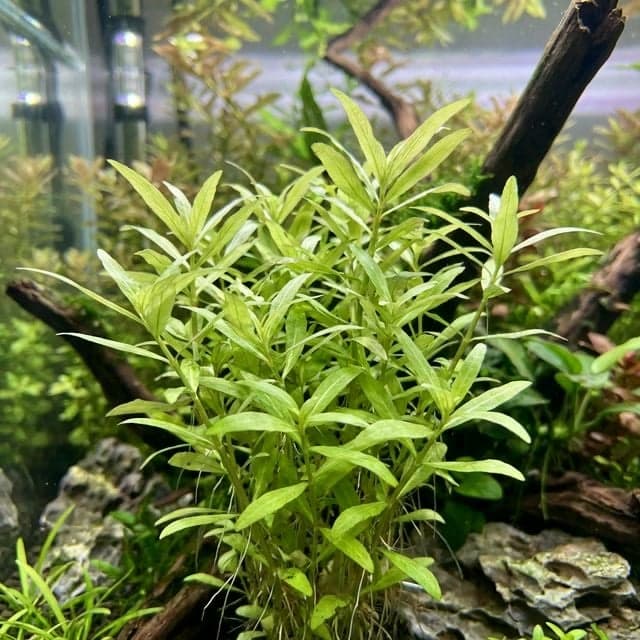
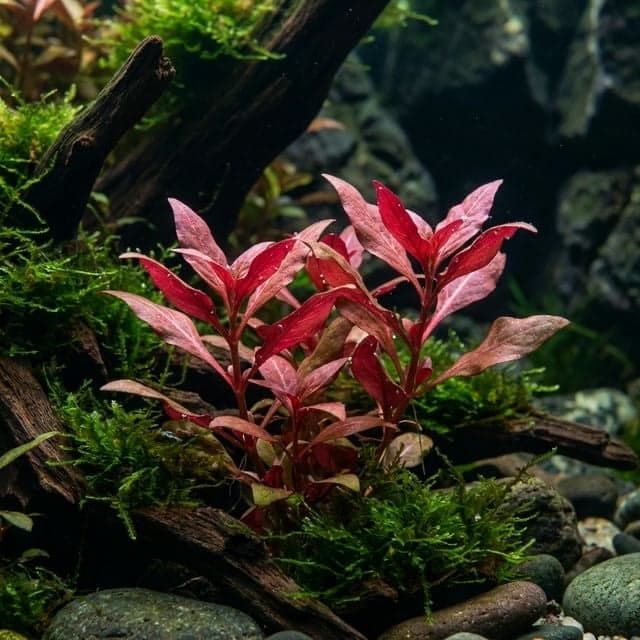
One of the hardiest aquarium plants, known for its rapid growth and light green leaves that can turn pinkish under intense light.
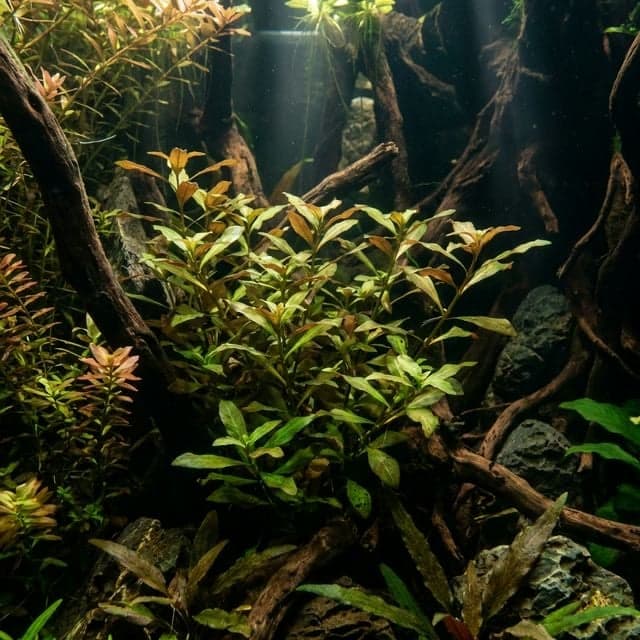
Indian Swampweed
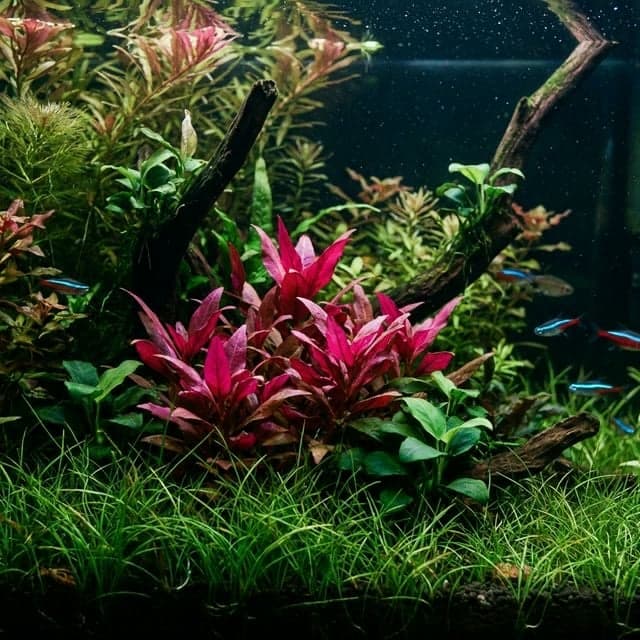
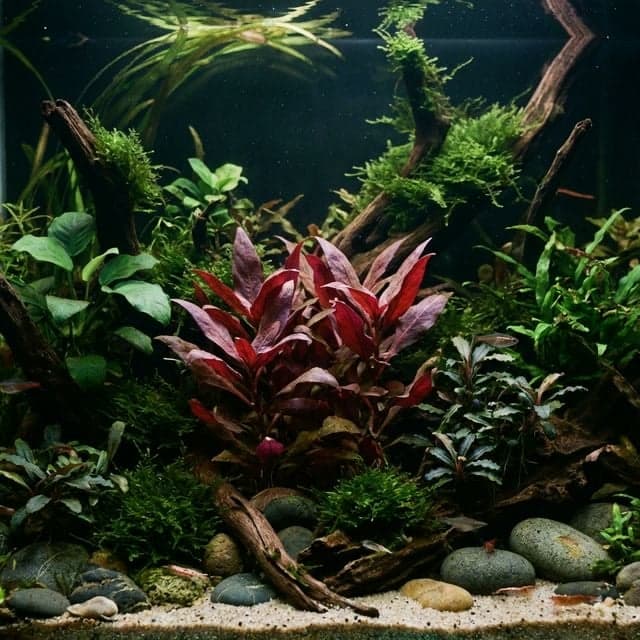
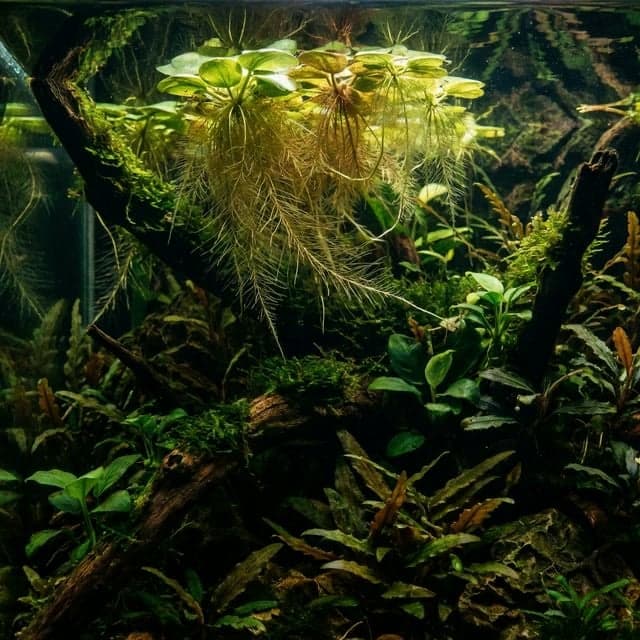
Hygrophila polysperma, commonly known as Indian Swampweed, is a remarkable aquatic plant celebrated for its adaptability and vibrant appearance in aquascapes. Originating from the freshwater environments of the Indian subcontinent, this robust plant features slender, lanceolate leaves that grow in lush, bushy formations. Its vibrant green foliage, which can reach heights of up to 30 inches, provides excellent coverage and texture, making it a favored choice for both beginners and experienced aquarists alike. This plant not only enhances the aesthetic appeal of aquatic landscapes but also plays a vital role in maintaining water quality by absorbing excess nutrients.
Care Guide
Indian Swampweed is known for its resilience and ease of care, making it suitable for a variety of aquarium setups.
- Lighting: Provide moderate to bright lighting to encourage healthy growth. A photoperiod of 10-12 hours per day is optimal.
- Water Conditions: Maintain a temperature range of 72-82°F (22-28°C) with a pH between 6.5 and 7.5. Regular water changes help keep the plant looking its best.
- Trimming: Regular trimming is essential to prevent the stems from becoming leggy and to promote bushier growth. Prune excess growth every few weeks, especially if the plant begins to reach the water's surface.
Nutrient Requirements
For optimal health and growth, Indian Swampweed requires careful attention to its nutrient needs.
- Light: This plant thrives under moderate to high lighting conditions, which supports its rapid growth and lush appearance.
- CO2: Although Hygrophila polysperma can tolerate low levels of CO2, injecting CO2 can significantly enhance its growth rate and foliage density.
- Fertilization: A comprehensive aquarium fertilizer rich in micronutrients will nurture growth. Utilize both substrate and liquid fertilizers to ensure the plant receives the necessary nutrients.
Natural Biomes
Hygrophila polysperma thrives in varied natural environments. It is commonly found in:
- Amazon Basin: Known for its rich biodiversity and nutrient-laden waters, providing an ideal habitat for aquatic plants.
- India: Its native region, characterized by seasonal wetlands where the plant flourishes amidst fluctuating water levels.
- Mekong Delta: Features a rich ecosystem that supports diverse aquatic plant species, including Hygrophila polysperma.
Livestock Compatibility
Indian Swampweed is compatible with a wide range of aquatic life. It provides shelter and breeding grounds for many species. Consider housing it with:
- Fish: Small to medium-sized fish, such as Tetras, Guppies, and Rasboras, do well in environments with Indian Swampweed.
- Shrimp: The plant's dense foliage offers excellent hiding spots for shrimp species like Cherry Red Shrimp and Amano Shrimp, promoting their natural behavior and reducing stress.
In summary, Hygrophila polysperma is not only a beautiful addition to any aquascape but also a functional component that contributes to a healthy aquarium ecosystem.