Japanese Cress: Cardamine lyrata
A beautiful, ivy-like plant with light green, kidney-shaped leaves that grows best in cooler water with moderate flow.
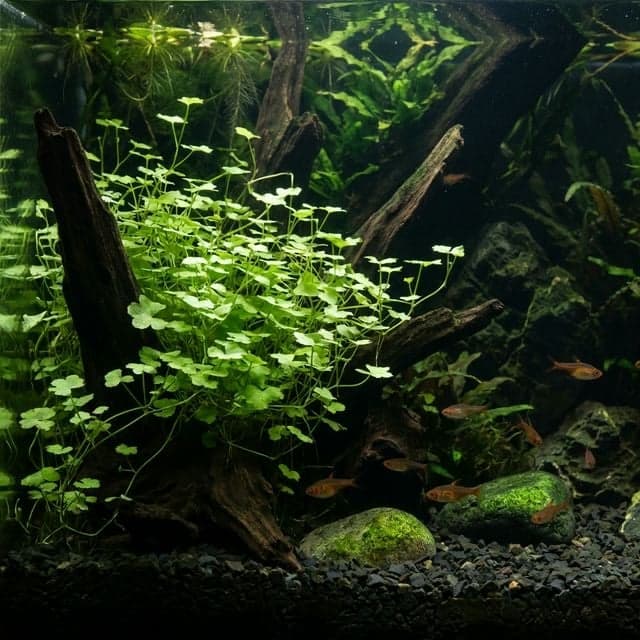
Japanese Cress
Japanese Cress, scientifically known as Cardamine lyrata, is a captivating emergent aquatic plant native to the wetlands of Japan. This perennial herb showcases delicate, heart-shaped leaves with distinctive serrated edges, creating an engaging visual texture in any aquascape. The plant typically rises above the water surface, producing charming white to light pink flowers, making it an attractive addition to both planted tanks and aquaponic systems. Its unique appearance and growth habit enable it to serve as an excellent focal point, particularly in biotopes simulating its natural habitat.
Care Guide
To thrive, Japanese Cress requires specific care and conditions:
- Lighting: Moderate to high lighting is essential for optimal growth. While it can tolerate lower light levels, brighter conditions stimulate fuller and more robust foliage.
- Water Temperature: Maintain a water temperature range of 18-24°C (64-75°F) to replicate its natural habitat conditions and encourage healthy growth.
- Water Parameters: Aim for a pH of 6.5-7.5 and moderate hardness. Regular water changes will help maintain water quality and keep this plant flourishing.
- Planting: Plant Japanese Cress in the substrate or allow it to root in nutrient-rich soils while ensuring the crown remains above the waterline. This setup will encourage proper growth and flowering.
- Trimming: Regular pruning will help control its growth and encourage bushier foliage, enhancing its aesthetic appeal.
Nutrient Requirements
Japanese Cress benefits significantly from specific nutrient inputs:
- Light: Provide at least 8-12 hours of light daily. Utilize LED or fluorescent lights optimized for plant growth, ensuring they reach the lower portions of the aquatic environment.
- CO2: While not strictly necessary, supplemental CO2 can enhance growth and promote vibrant foliage, particularly under high light conditions.
- Fertilization: Implement a balanced fertilization regime, including macronutrients (NPK) and micronutrients (iron, magnesium) to support healthy and vigorous growth. Regular dosing with liquid fertilizers will significantly benefit the plant.
Natural Biomes
Japanese Cress is commonly found in various biomes, including:
- Japan - where it thrives in the subtropical wetlands and riverbanks, benefiting from seasonal floods.
- Mekong Delta - a region characterized by rich biodiversity and nutrient-laden waters, providing a robust environment for aquatic plants.
- Orinoco - another rich ecosystem that supports similar plant species, highlighting the adaptability of Cardamine lyrata.
Livestock Compatibility
Japanese Cress is compatible with a variety of aquatic fauna. Ideal livestock includes:
- Small Shrimp: Cherry shrimp and Amano shrimp enjoy navigating the lush foliage, often grazing on biofilm and detritus that accumulates on its leaves.
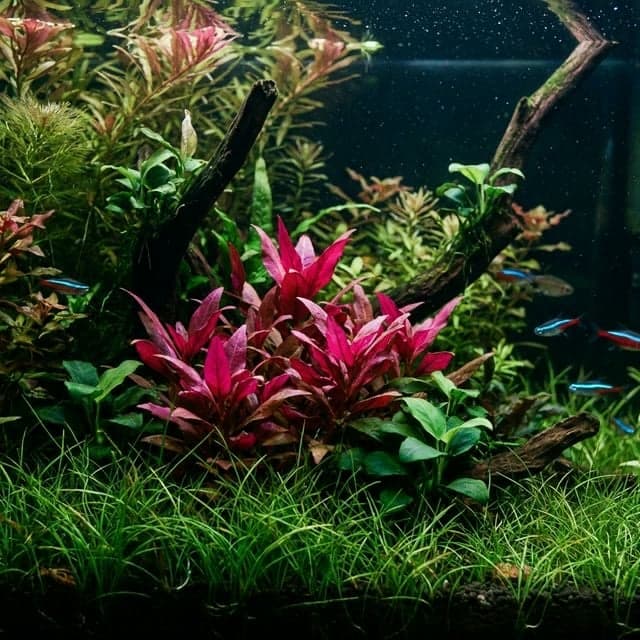
- Small Fish: Neon tetras, Rasboras, and endlers thrive in environments with dense vegetation, making Japanese Cress an ideal companion plant. These fish benefit from the cover the plant provides, enhancing their sense of security.
Integrating Cardamine lyrata into your aquascape not only enhances visual appeal but also promotes a healthy ecosystem for both flora and fauna.