Madagascar Lace Plant: Aponogeton madagascariensis
A legendary aquatic plant prized for its skeleton-like, latticed leaves that require pristine water and cool temperatures.
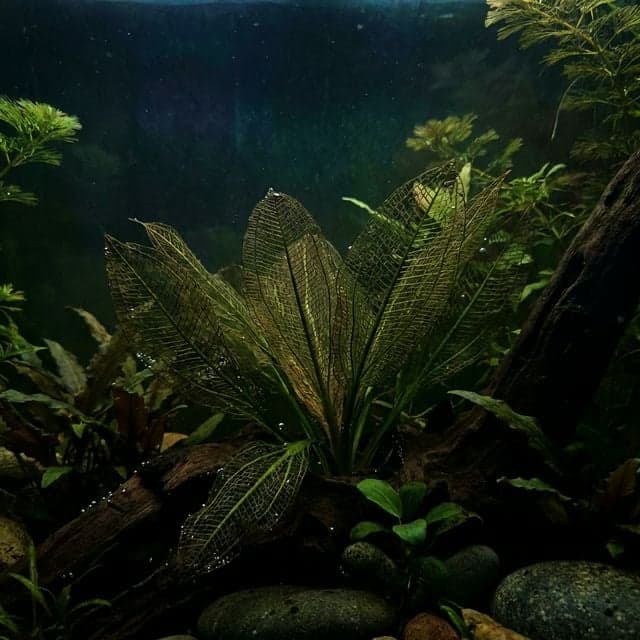
Madagascar Lace Plant
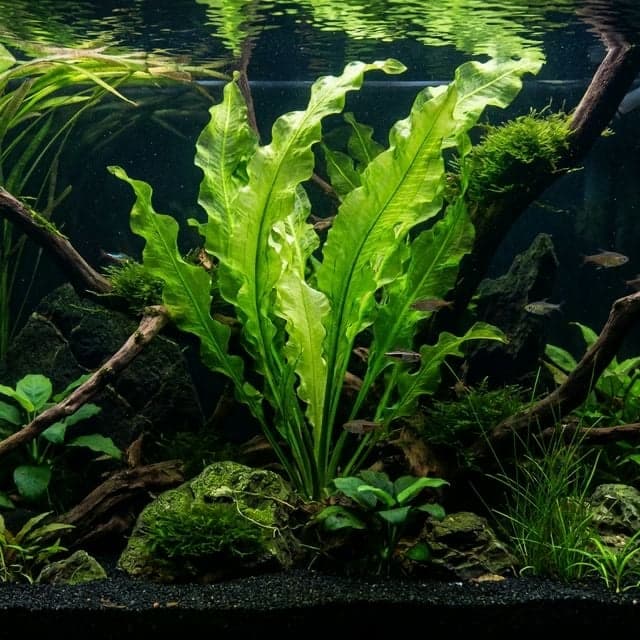
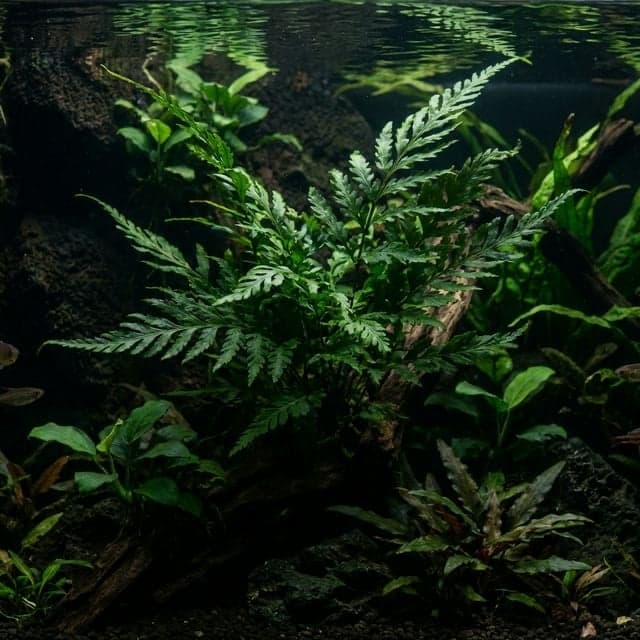
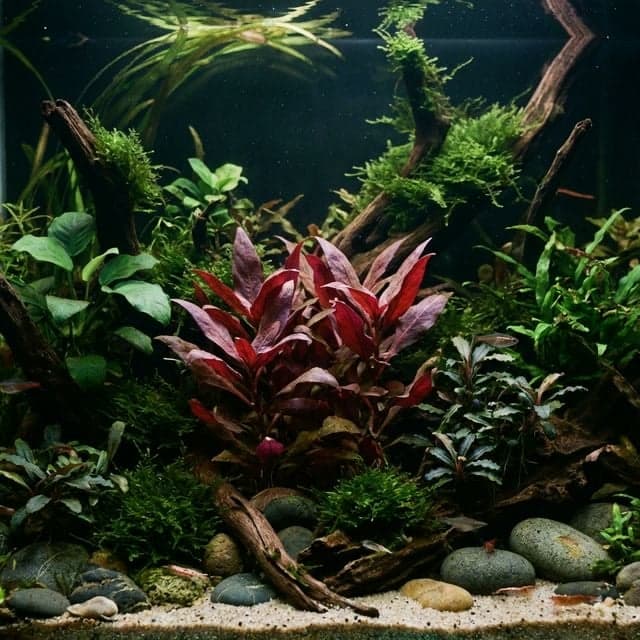
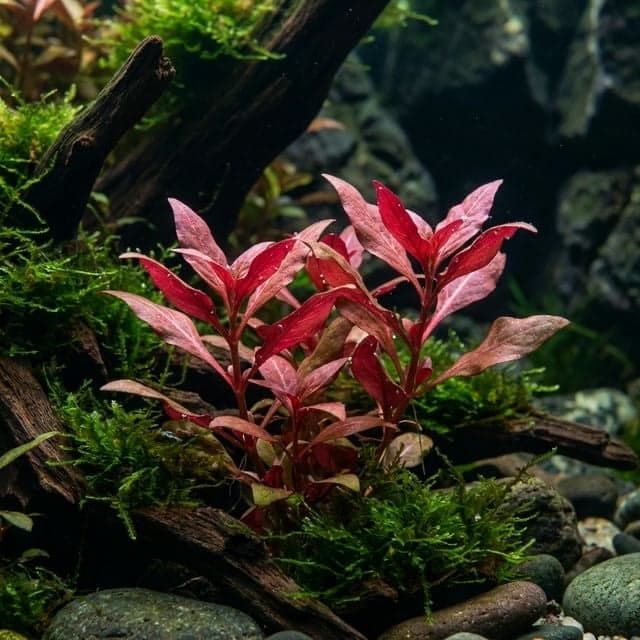
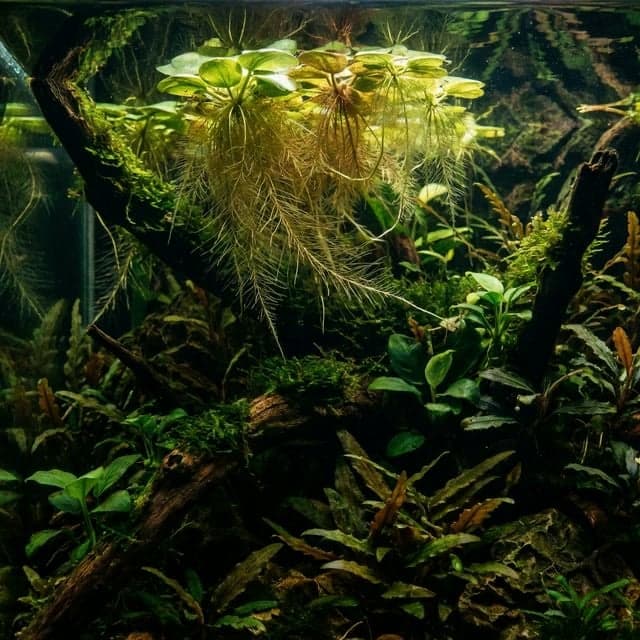
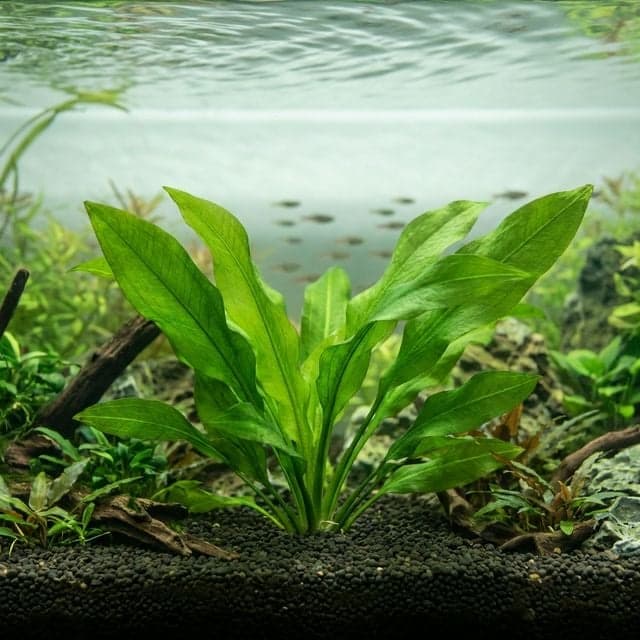
The Madagascar Lace Plant, scientifically known as Aponogeton madagascariensis, is a stunning aquatic plant cherished in the world of aquascaping for its unique lace-like leaves and vibrant appearance. Native to Madagascar’s lush waterways, this plant can reach impressive heights, providing a dramatic backdrop in aquariums. Its intricately patterned leaves create a captivating visual effect, making it a popular choice for both novice and experienced aquarists alike. Incorporating Aponogeton madagascariensis into an aquascape not only enhances aesthetic appeal but also contributes to a well-balanced aquatic ecosystem.
Care Guide
To ensure the healthy growth of the Madagascar Lace Plant, aquarists should adhere to specific care requirements:
- Lighting: Provide moderate to high light levels, ideally around 2 to 4 watts per gallon. This facilitates optimal leaf development and intricate patterns.
- Water Conditions: The plant thrives in a pH range of 6.5 to 7.5 and prefers slightly warmer water temperatures between 68-82°F (20-28°C). It benefits from soft to moderately hard water conditions.
- Substrate: A nutrient-rich substrate is essential; consider using a layered substrate containing both fine gravel and nutrient-rich soil to promote root growth.
- Additional Notes: Ensure regular pruning of old or damaged leaves to encourage new growth and prevent rot.
Nutrient Requirements
The Madagascar Lace Plant has specific nutrient requirements to flourish:
- Light: Strong lighting conditions will stimulate growth and enhance the unique lace texture of the leaves.
- CO2: Adding CO2 can significantly improve growth rates and leaf quality, especially in high-light setups.
- Fertilization: Regular fertilization is crucial, with an emphasis on potassium, phosphorus, and trace elements. Liquid fertilizers can be applied bi-weekly to support healthy development.
Natural Biomes
The Madagascar Lace Plant is found in diverse aquatic environments, including:
- Amazon Basin: Although not native, its presence in biomes with similar water chemistry makes it adaptable.
- Orinoco: Shares characteristics of stagnating water bodies, promoting the growth of lace-like plants.
- Mekong Delta: Represents rich biodiversity, making it a suitable environment for the plant's proliferation.
Livestock Compatibility
The Madagascar Lace Plant is compatible with a variety of fish and shrimp, including:
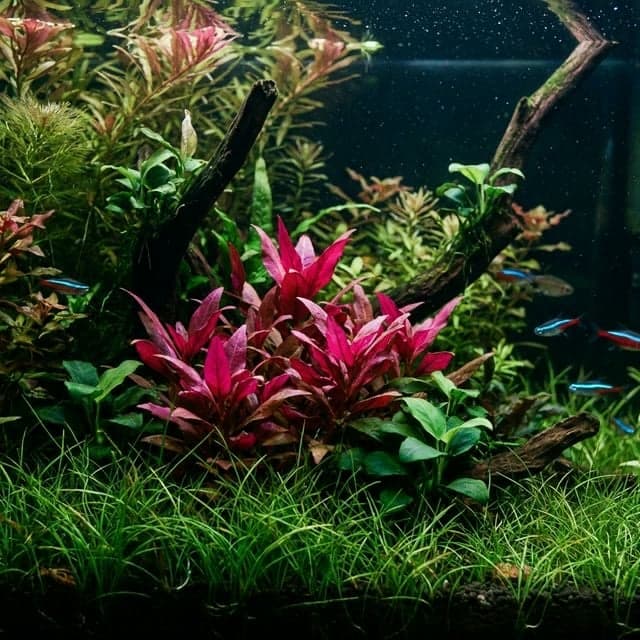
- Fish: Small community fish such as Neon Tetras, Rasboras, and Guppies thrive among the graceful foliage, while larger fish can also benefit from the plant's structure for shelter.
- Shrimp: Crystal Red Shrimp and Ghost Shrimp find great refuge and grazing opportunities among the lace-like leaves, which support their natural foraging behaviors. Incorporating these species into a tank with Madagascar Lace Plant can result in a harmonious and vibrant aquascape.