Mudbabies: Echinodorus tenellus
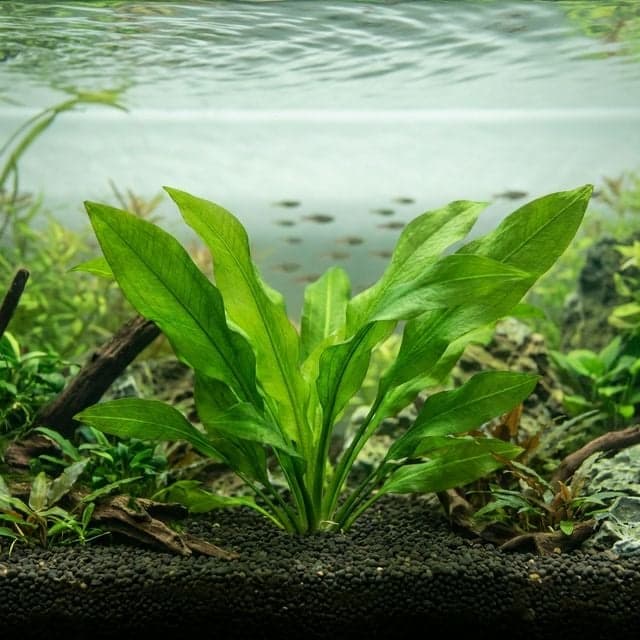
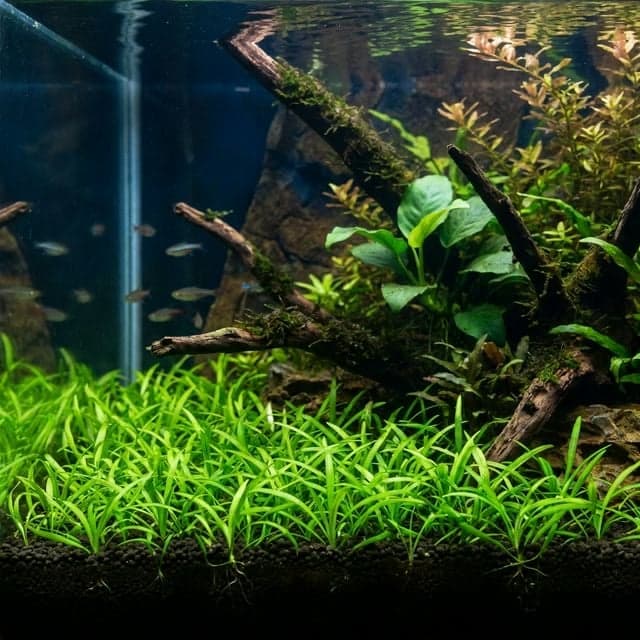
A popular foreground carpeting plant that produces narrow, grass-like leaves under high light conditions.
Mudbabies
The Echinodorus tenellus, commonly known as Mudbabies, is an exquisite aquatic plant cherished by aquascapers for its elongated, grass-like leaves and lush green appearance. Native to the shallow waters of North and South America, this versatile plant adds depth and texture to any aquascape, serving as a stunning foreground option in both traditional and modern tank designs. Its resilient nature allows it to flourish in various water conditions, making it a favorite among enthusiasts.
Care Guide
Echinodorus tenellus thrives in well-lit environments with stable water parameters. For optimal growth, maintain a temperature range of 22-28°C (72-82°F) and a pH between 6.5 and 7.5. Regular maintenance includes:
- Water Changes: Perform weekly water changes of 20-30% to ensure clean and nutrient-rich conditions.
- Trimming: Periodically trim the plant to encourage denser growth and prevent overcrowding. Remove any dead or yellowing leaves to keep the aesthetics pristine.
- Substrate: Plant Mudbabies in a nutrient-rich substrate, as their root systems benefit from rich organic material.
Nutrient Requirements
To achieve robust growth, Echinodorus tenellus requires:
- Light: Provide moderate to high light levels, ideally 2-3 watts per gallon. This promotes lush foliage and enhances its natural color.
- CO2: Supplementing with CO2 is highly recommended, as it significantly improves growth rates and overall vitality.
- Fertilization: Use liquid fertilizers high in nitrogen and trace elements bi-weekly to support healthy leaf development and root growth.
Natural Biomes
Echinodorus tenellus is native to various biomes, including:
These habitats provide insights into its growth requirements and adaptations, helping aquarists replicate ideal conditions in their aquascapes.
Livestock Compatibility
Echinodorus tenellus is an excellent companion for a variety of aquatic life. It thrives in tanks adorned with:
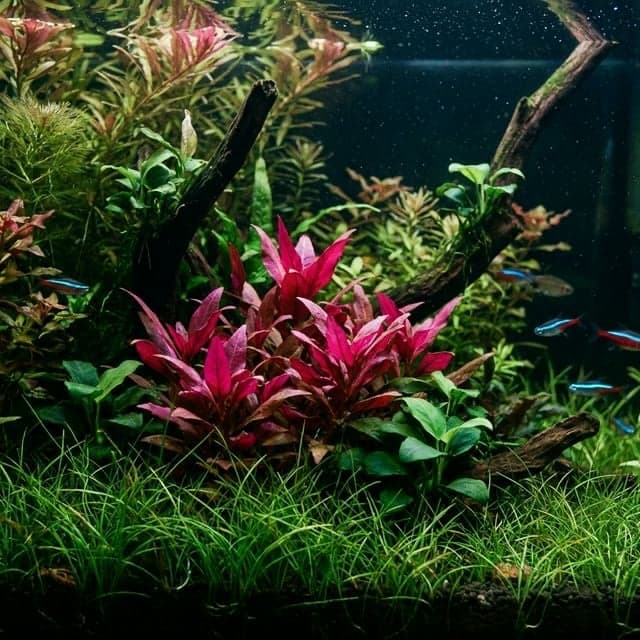
- Community Fish: Such as Neon Tetras, Rasboras, and Guppies, which appreciate the cover Mudbabies provide.
- Shrimp: It is also compatible with shrimp species like Cherry Shrimp and Amano Shrimp, which benefit from the plant's foliage as a source of biofilm and shelter.
Incorporating Mudbabies into your aquascape not only enhances the visual intrigue but also fosters a balanced ecosystem for various aquatic inhabitants.