Nymphaea odorata
Nymphaea odorata is a popular aquatic plant used in biotope and planted aquariums.
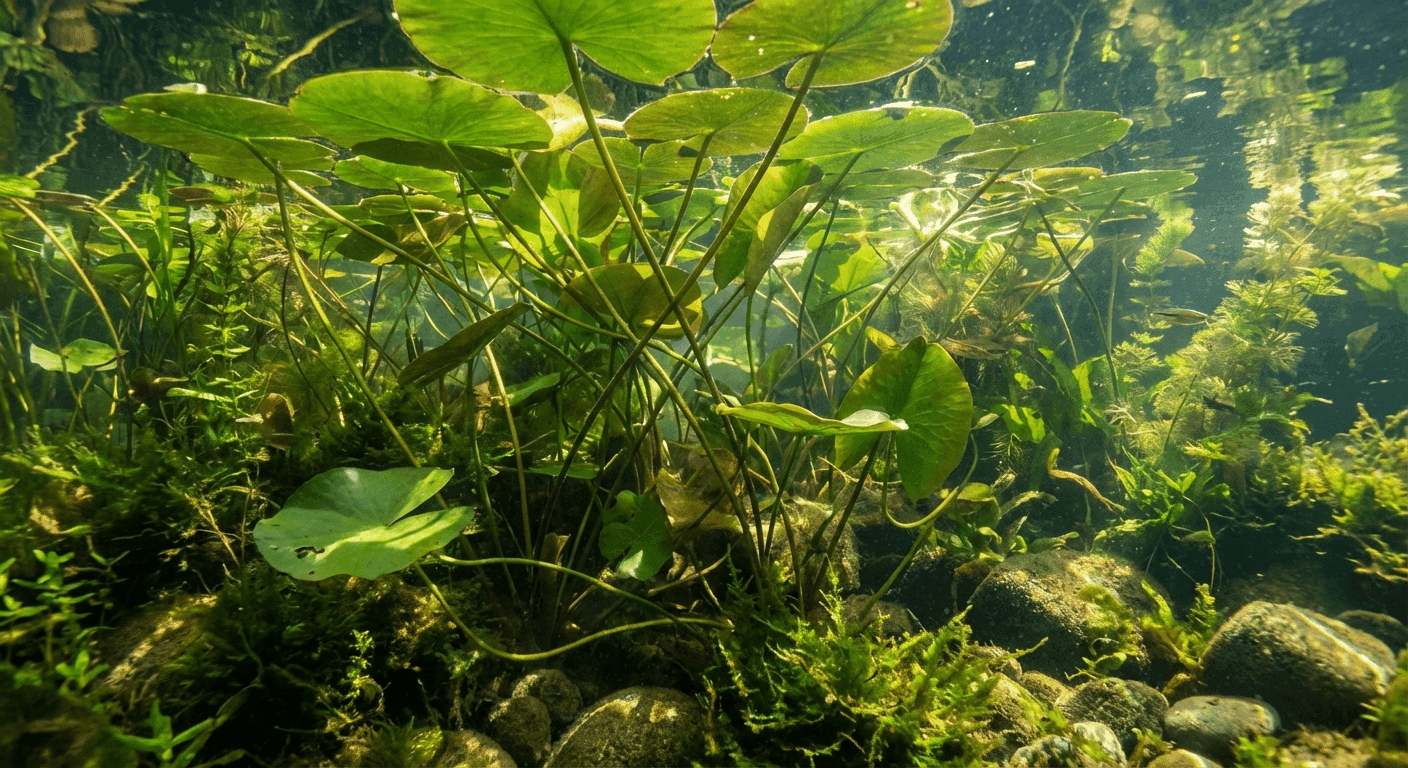
Nymphaea odorata
Nymphaea odorata, commonly known as the American white water lily, is a stunning aquatic plant renowned for its striking white flowers that float gracefully on the surface of still waters. This perennial plant features broad, rounded leaves that can reach up to 12 inches in diameter and are typically green or variegated with purplish undertones. The fragrant, cup-shaped flowers bloom during the day and exude a sweet aroma, attracting pollinators and enhancing the aesthetic appeal of aquascapes.
In aquascaping, Nymphaea odorata plays a vital role as a focal point. Its lush foliage provides shelter for small fish and invertebrates, while the floating leaves create shaded areas, helping to regulate light and temperature within the aquarium. This plant's striking presence can anchor a design and complement a myriad of aquatic environments.
Care Guide
To ensure optimal growth and health of Nymphaea odorata, adherence to specific maintenance practices is essential:
-
Lighting: Provide a moderate to high light level for at least 6-8 hours a day, promoting robust growth and flowering. Use full-spectrum LED or fluorescent lights to replicate natural sunlight.
-
Water Conditions: Nymphaea odorata thrives in soft to moderately hard water with a pH range of 6.0 to 7.5. Maintain a water temperature between 70°F to 85°F (21°C to 29°C).
-
Placement: Introduce the plant in the foreground or middle ground of a larger aquascape, ensuring it has sufficient room for its leaves to spread and grow. The rhizome should be planted in nutrient-rich substrate, with water levels kept above the soil.
-
Pruning: Regularly remove any yellowing or decaying leaves to prevent nutrient depletion and maintain the aesthetics.
Nutrient Requirements
For optimal development of Nymphaea odorata, consider the following nutrient needs:
-
Light: Aim for moderate to bright light conditions to facilitate healthy growth and flowering.
-
CO2: While not strictly necessary, the addition of CO2 can enhance growth rates. If CO2 injection is available, a moderate level is beneficial.
-
Fertilization: Use a balanced aquatic fertilizer, either in liquid form or in tablet form, specifically designed for aquatic plants. Fertilize every 4-6 weeks, focusing on aquatic plant nutrients like nitrogen, phosphorus, and potassium.
Natural Biomes
Nymphaea odorata is native to various biomes, including:
These biomes provide a natural habitat where Nymphaea odorata thrives, contributing to the biodiversity and beauty of aquatic environments.
Livestock Compatibility
Nymphaea odorata is compatible with a variety of fish and invertebrates, creating a harmonious aquascape. Suitable inhabitants include:
-
Small to Medium Fish: Species like Betta, Guppies, and Tetras thrive among the shelter provided by the plant’s foliage.
-
Shrimp: Cherry shrimp and Amano shrimp benefit from the protective leaves while scavenging for biofilm and detritus.
In conclusion, incorporating Nymphaea odorata into an aquascape not only enhances visual appeal but also supports a thriving aquatic ecosystem. Proper care and attention to nutrient needs will ensure this beautiful plant flourishes in any aquarium setting.