Sagittaria subulata
Sagittaria subulata is a popular aquatic plant used in biotope and planted aquariums.
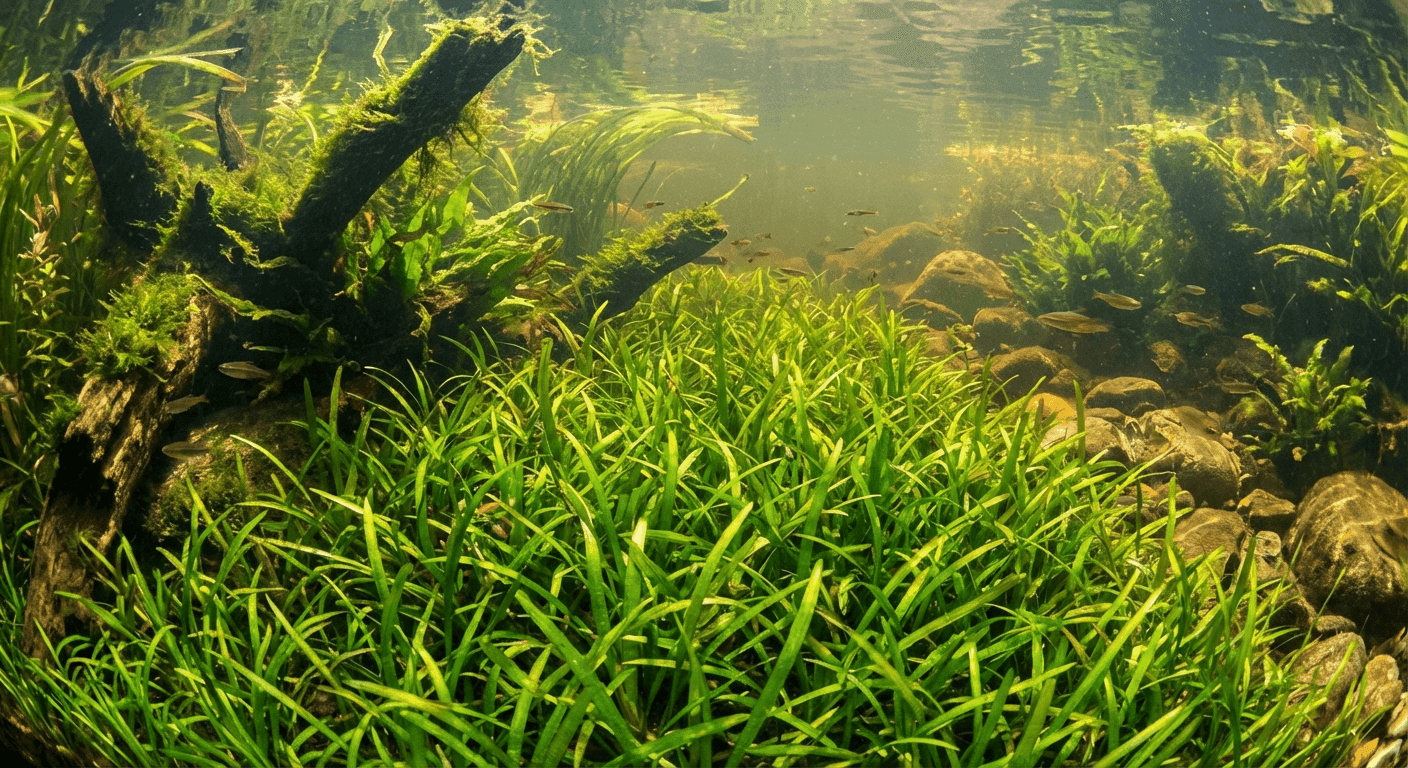
Sagittaria subulata
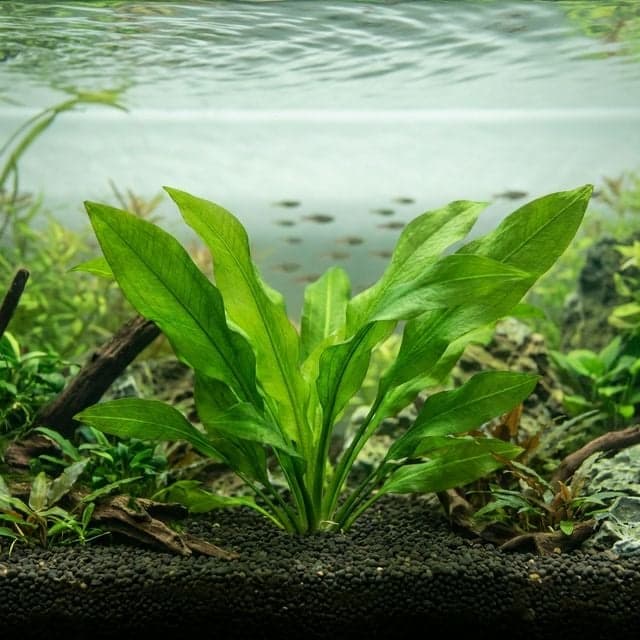
Sagittaria subulata, commonly known as the narrow-leaf arrowhead, is a versatile aquatic plant esteemed for its adaptability and aesthetic qualities in aquascaping. With long, slender leaves that can reach heights of 30-60 cm, this plant exhibits a striking vertical growth that can serve as a captivating focal point or as lush background coverage in a well-planned aquarium. Its arrow-shaped leaves emerge directly from the substrate, providing an appealing contrast to rounder, softer-leaved plants.
Care Guide
To successfully cultivate Sagittaria subulata, consider the following care guidelines:
-
Lighting: Moderate to bright lighting is optimal for healthy growth. While it can tolerate lower light conditions, insufficient light may induce slower growth and reduced vigor. Aim for a photoperiod of 10-12 hours daily.
-
Water Parameters: Maintain water temperatures between 22-28°C (72-82°F). The pH level should ideally be between 6.5 and 7.5, with a general hardness (GH) of 3-10 dGH.
-
Planting: Ensure that the plant is securely anchored in nutrient-rich substrate to promote healthy root development. Adjust spacing according to the desired density; these plants can be spaced 5-10 cm apart.
-
Trimming: Regularly trim back old or damaged leaves to encourage new growth and maintain the plant's overall health and appearance.
Nutrient Requirements
Sagittaria subulata flourishes under specific nutrient conditions:
- Light: Moderate to bright light enhances growth and promotes vibrant colors.
- CO2: While it can survive without supplemental CO2, injecting CO2 promotes robust growth and can lead to healthier and more vibrant foliage.
- Fertilization: Provide a balanced aquatic fertilizer rich in macro and micronutrients, particularly during the growing season. Regular dosing according to the product instructions is recommended.
Natural Biomes
Sagittaria subulata is native to a number of rich, biodiverse ecosystems. Key biomes include:
These habitats provide insights into the natural environments suitable for this adaptable species.
Livestock Compatibility
Sagittaria subulata is highly compatible with a variety of fish and shrimp species. Ideal companions include:
- Small and peaceful fish such as tetras and rasboras that appreciate planted environments.
- Freshwater shrimp species like Neocaridina and Caridina thrive in aquariums featuring Sagittaria, as it offers shelter and grazing opportunities for biofilm.
This plant not only enriches the visual appeal of the aquarium but also contributes to a balanced ecosystem, promoting the health and well-being of its aquatic inhabitants.