Effective Aquarium CO2 System Setup for Plant Growth
Discover how an aquarium CO2 system boosts plant health, balances ecosystems, and enhances tank appearance with our comprehensive setup guide.
Creating a thriving planted aquarium involves balancing various elements, and one crucial aspect of this is carbon dioxide (CO2). While CO2 is naturally found in adequate amounts in natural water bodies, it may fall short in aquariums, limiting plant growth. That's where a CO2 system for aquariums becomes vital.
A good CO2 system, comprising a regulator, diffuser, and drop checker, can greatly boost your plants' health and vibrancy. Beyond encouraging lush plant growth, it helps maintain a balanced ecosystem, keeps fish healthy, and enhances the tank's overall appearance. In this guide, we'll explore what an aquarium CO2 system is, how to set it up, and the benefits it brings to your aquatic world.
What is an Aquarium CO2 System?
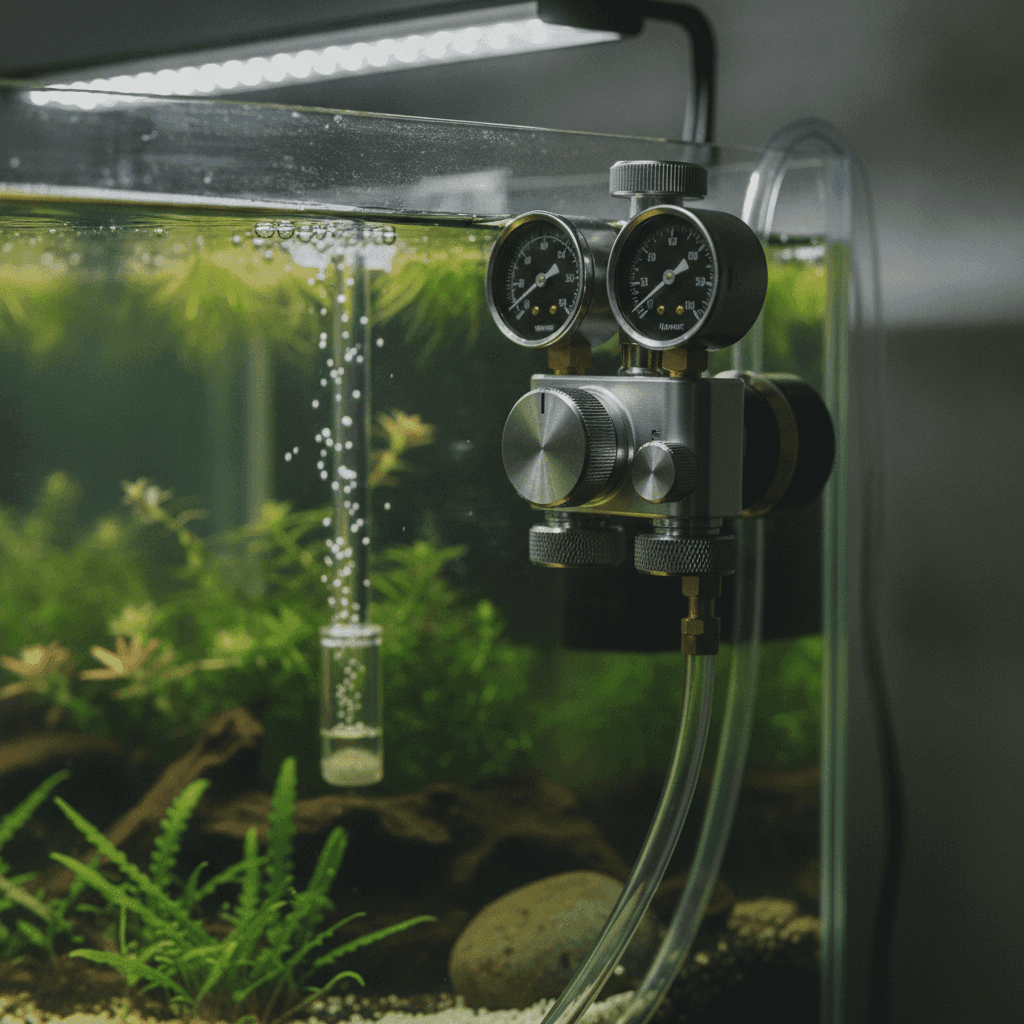
An aquarium CO2 system is designed to supply carbon dioxide to your tank to support plant life and encourage healthy growth. This system includes several key components that work together to evenly distribute CO2 throughout the aquarium:
- CO2 Tank: A pressurized cylinder that supplies carbon dioxide.
- CO2 Regulator: Controls the CO2 flow from the tank, ensuring it is released safely and steadily.
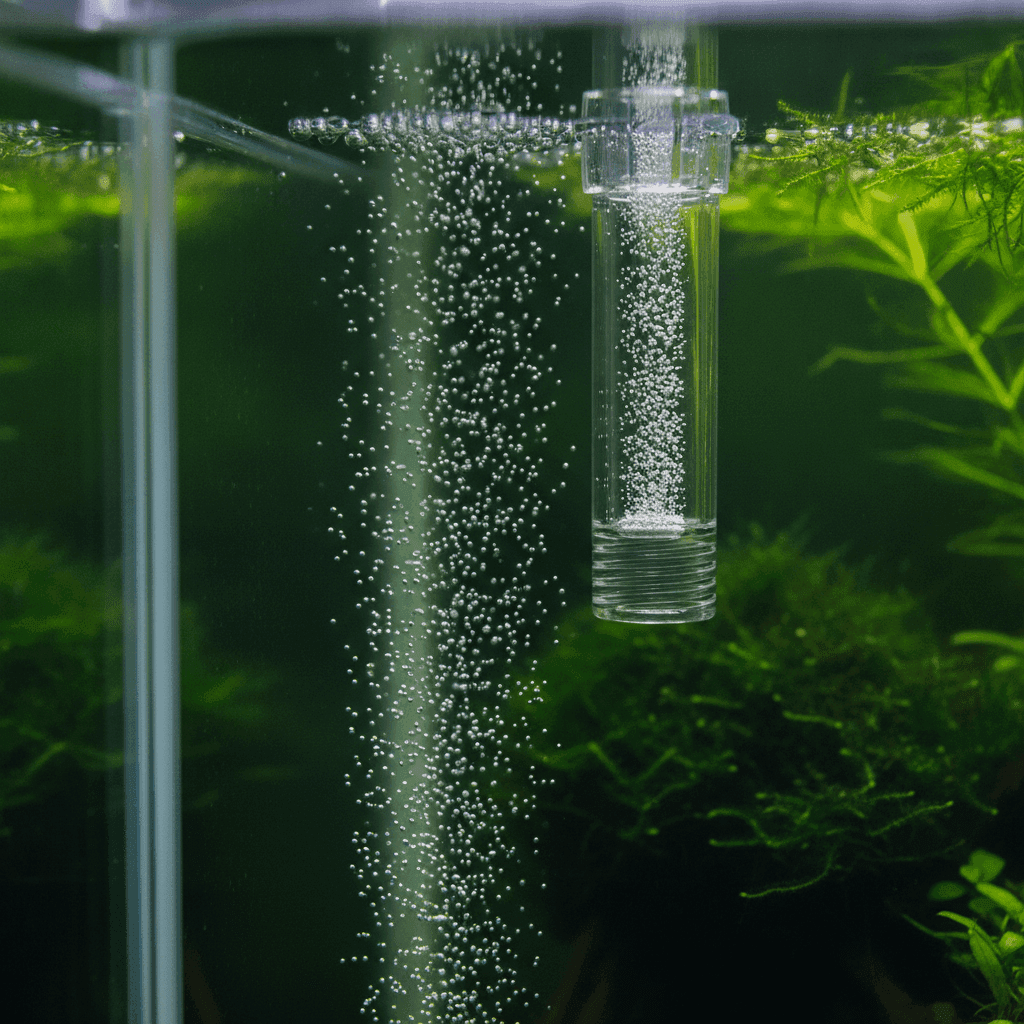
- CO2 Diffuser: Breaks down CO2 into tiny bubbles for better dissolution in water.
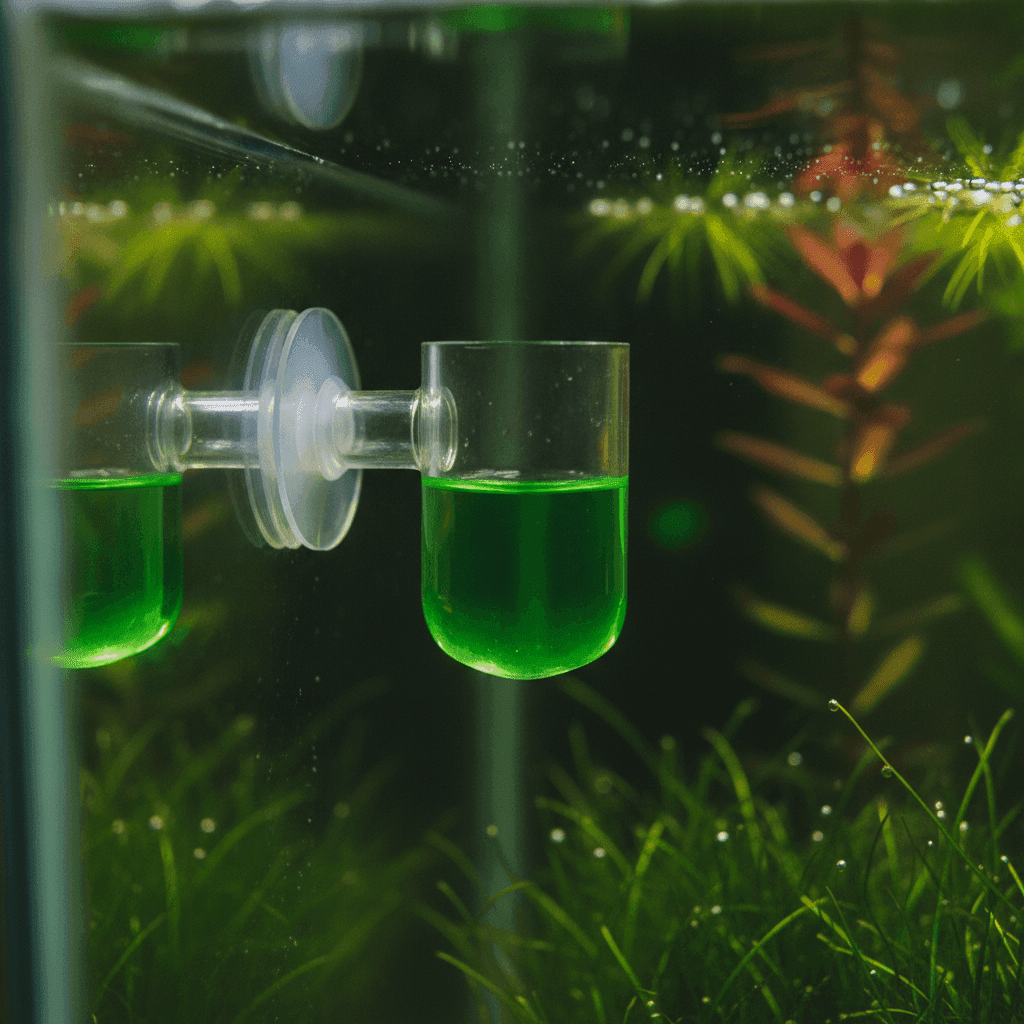
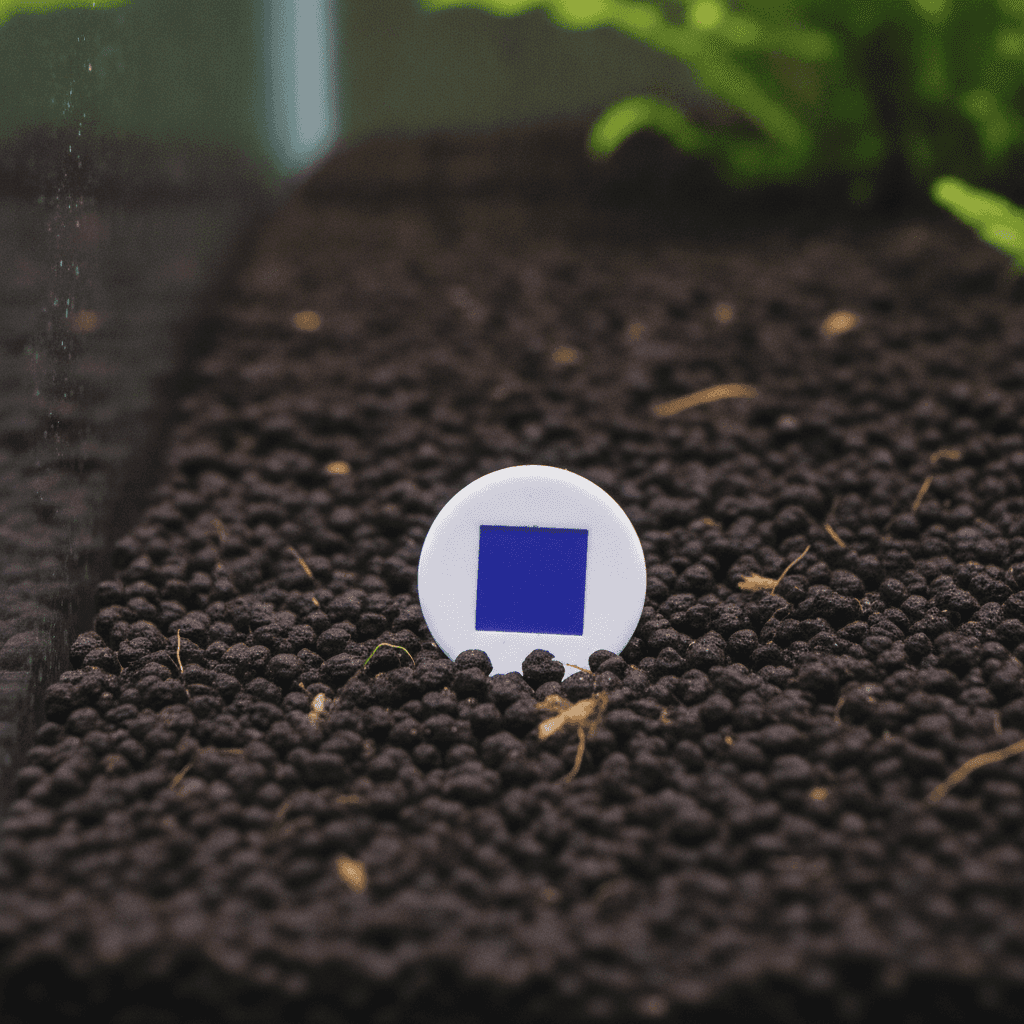
- Drop Checker: Monitors CO2 levels to maintain optimal concentrations for plant life.
Each of these plays a vital role in keeping your aquarium a vibrant and healthy environment for both plants and aquatic creatures.
How to Set Up a CO2 System for Planted Aquariums
Follow these simple steps to set up your CO2 system:
- Gather Your Gear: Make sure you have a CO2 tank, regulator, diffuser, and drop checker.
- Connect the Regulator: Attach it securely to the CO2 tank to prevent leaks.
- Set the Pressure: Adjust the regulator pressure according to your aquarium size.
- Position the Diffuser: Place it strategically in the tank to maximize bubble dispersion.
- Install the Drop Checker: Use it to keep an eye on CO2 levels and adjust as needed.
For a beginner's comprehensive guide to setting up an aquarium, visit our Aquascaping for Beginners: A Step-by-Step System (Low-Tech + High-Tech Paths).
Benefits of CO2 Injection in a Planted Tank
Injecting CO2 into your planted aquarium offers several advantages:
- Boosted Plant Growth: CO2 is crucial for photosynthesis, leading to healthier and faster-growing plants.
- Enhanced Visual Appeal: Thriving plant life adds vibrancy and beauty to your aquarium.
- Stable Ecosystem: Proper CO2 levels help stabilize pH and create a healthier environment for both plants and fish.
Step-by-Step Guide to Setting Up a CO2 System
Choosing the Right CO2 Regulator for Your Aquarium
When picking a CO2 regulator, consider these important features:
- Precision and Control: Opt for a regulator that allows fine-tuned CO2 flow control.
- Durability: Choose materials like stainless steel for a long-lasting device.
- Compatibility: Ensure it fits your CO2 tank properly.
Choosing a suitable regulator is essential for effective CO2 management.
Installing the CO2 Regulator
To install the regulator, start by firmly attaching it to the CO2 tank:
- Secure Connection: Carefully connect the regulator, ensuring everything is tight and leak-free.
- Set Pressure Levels: Adjust the pressure based on your tank's volume; start between 1.5 and 2 bars.
- For detailed instructions, see our Plant Care Basics for Planted Tanks.
Selecting and Installing a CO2 Diffuser
Choosing the right diffuser affects how well CO2 dissolves in the water. Consider these types:
- In-tank Diffusers: Placed inside the tank, typically using ceramic discs to produce fine bubbles.
- Inline Diffusers: Installed in the filter outflow for maximum CO2 dissolution.
Position the diffuser near your filter's outflow for best results, and clean it regularly to avoid blockages.
Using a Drop Checker to Monitor CO2 Levels
A drop checker is key for accurately gauging CO2 levels in your tank:
- Setup: Fill the drop checker with a 4dkh solution and place it in the aquarium.
- Interpret Results: Different colors indicate CO2 levels: blue for low, yellow for high, and green for optimal concentration.
- Adjust Accordingly: Modify CO2 output based on the drop checker to maintain that green hue.
Testing and Adjusting Your System
- Watch Plant and Fish Behavior: Initial CO2 changes may cause stress; keep an eye on your tank’s residents.
- Fine-tune CO2 Levels: Adjust based on plant health and drop checker readings, gradually increasing CO2 to avoid stressing your fish.
Common Mistakes When Setting Up a CO2 System
Here are some common mistakes to avoid during setup:
- Ignoring Proper Sealing: This can result in costly gas leaks.
- Overlooking CO2 Levels: Regular monitoring prevents stress to both fish and plants.
- Skipping Maintenance: Frequent system checks ensure efficiency. For more information, refer to our Substrate Guide: Aquarium Soil vs Inert + Root Tabs.
Safety Measures and Maintenance Tips
Safely handling a CO2 system prevents mishaps:
- Regular Inspections: Check for leaks and secure all connections regularly.
- Proper Storage: Keep CO2 cylinders upright in cool, dry places.
- Have an Emergency Plan: Be prepared for CO2 leaks to protect your tank. Find further details here: Aquarium Safety Tips for Beginners.
Putting Your Aquarium CO2 System Together
While setting up a CO2 system for your aquarium might seem challenging, following these steps will simplify the process and enrich your tank environment. From selecting the right equipment to observing changes within your aquarium, every piece contributes to a thriving setup. The art of aquascaping is flexible—experimenting and tweaking your system will lead to a personalized underwater haven.
FAQ
How often should I check my CO2 system?
Weekly checks are ideal to ensure everything functions well, but keep an eye on your system daily to catch issues early.
Can too much CO2 harm my fish?
Yes, excessive CO2 can reduce oxygen levels, stressing or even harming your fish. Strive for balance.
How do I know if my plants need more CO2?
Signs that more CO2 is needed include slow growth, poor color, and algae outbreaks.
What is the lifespan of CO2 tanks and regulators?
CO2 tanks typically last several months, while regulators can last years with proper maintenance. Regularly inspect for wear.
Are there alternatives to CO2 injection for beginners?
Yes, beginners might try liquid carbon supplements or boost CO2 naturally through fish stocking and frequent water changes.