Substrate Guide: Aquarium Soil vs Inert + Root Tabs
Compare the best substrate for planted aquarium: nutrient-rich aquasoil vs sand or gravel with root tabs. Pros, cons, and how to choose.
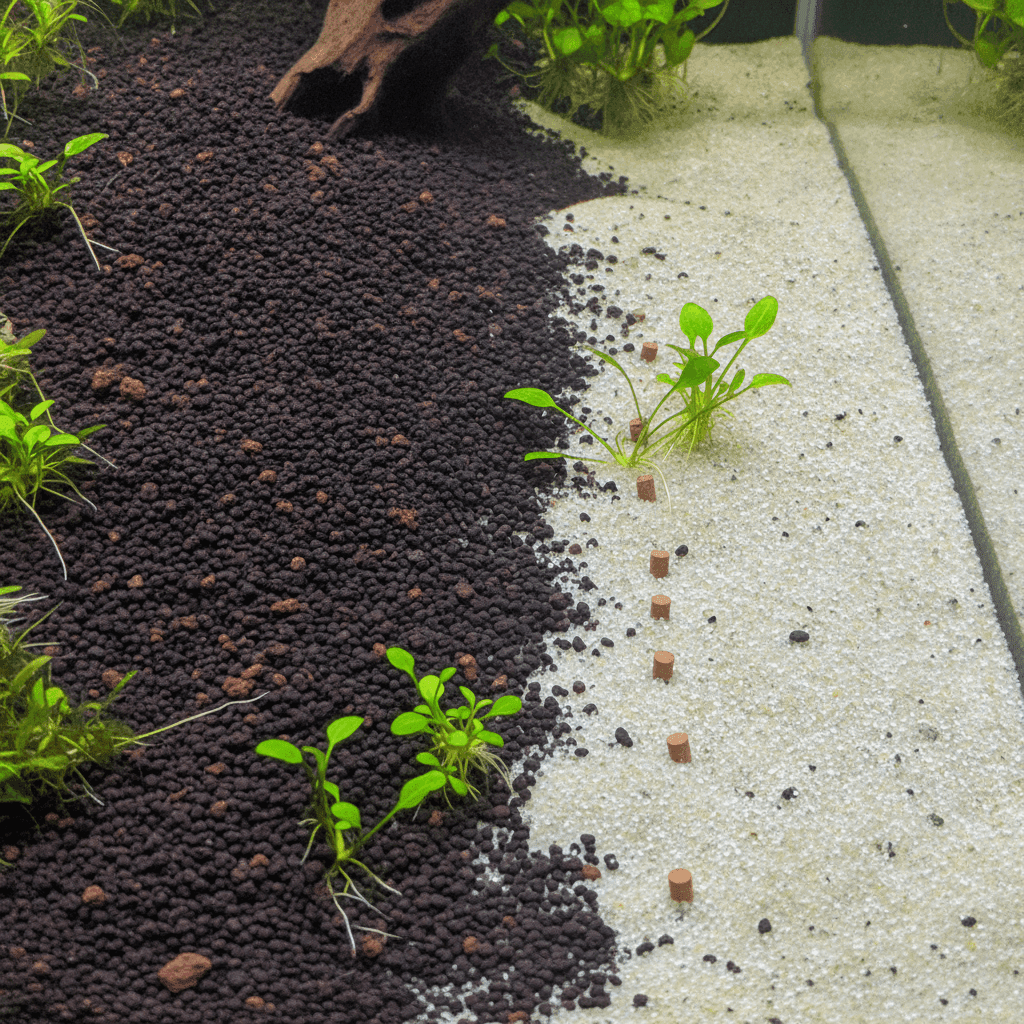
Choosing the best substrate for planted aquarium setups comes down to two main paths: nutrient-rich aquarium soil (aquasoil) or inert substrate—sand or gravel—with root tabs and liquid fertiliser. Both can grow healthy plants; the difference is cost, maintenance, and how much you want the substrate to do for you. This guide compares aquarium soil vs inert plus root tabs so you can pick the right foundation for your tank.
In short: The best substrate for a planted aquarium depends on your goals and budget. Aquasoil (nutrient-rich aquarium soil) is ideal for heavily planted tanks and long-term nutrient release with less ongoing dosing. Inert sand or gravel with root tabs and liquid fertiliser is cheaper upfront and works well for beginner-friendly plants and low-tech setups. For a full build from tank to plants, see our step-by-step aquascaping guide.
Why Substrate Matters in a Planted Tank
Substrate anchors roots, stores and releases nutrients for root-feeders, and can buffer water chemistry. Heavy root-feeders like Amazon sword and Cryptocoryne pull a lot of food from the substrate; epiphytes and floating plants care more about the water column. Matching your substrate to your plant list and your willingness to dose ferts is the first step to choosing the best substrate for your planted aquarium.
Aquarium Soil (Aquasoil): Pros and Cons
Aquasoil and similar nutrient-rich substrates are baked or processed soils that release nitrogen, phosphorus, potassium, and micronutrients over months. They often soften water and lower pH slightly, which suits many soft-water plants and CO2 setups.
Pros: Long-term nutrient supply with minimal dosing, good for carpets and dense planting, stable water buffering, and a proven choice for high-tech tanks. One practical observation: aquasoil tanks often need fewer root tabs and less liquid fertiliser in the first year than inert setups.
Cons: More expensive per litre, can leach ammonia in the first few weeks (plan for a cycle or pre-soak), and eventually depletes—many aquascapers refresh or cap with new soil after 2–3 years. It can also cloud the water if disturbed; rinse lightly if dusty and avoid washing until it’s mud.
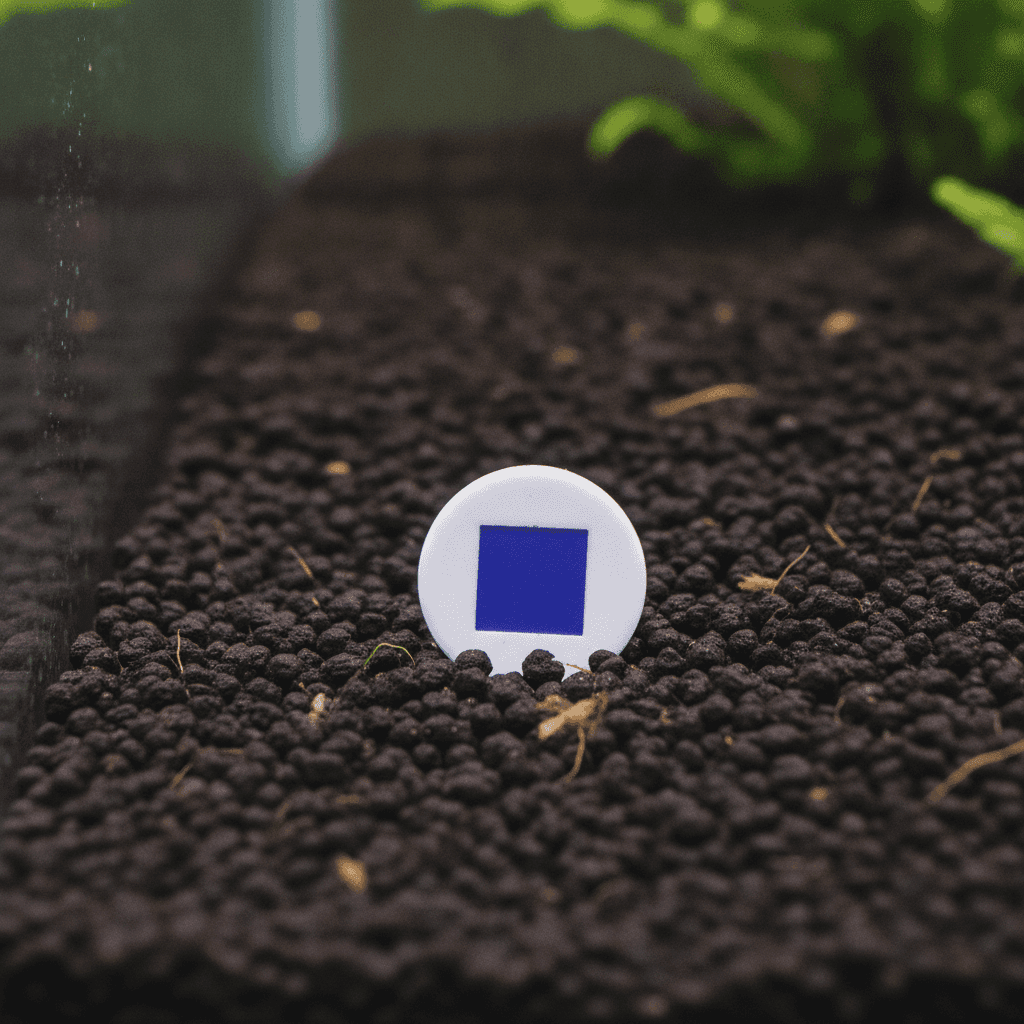
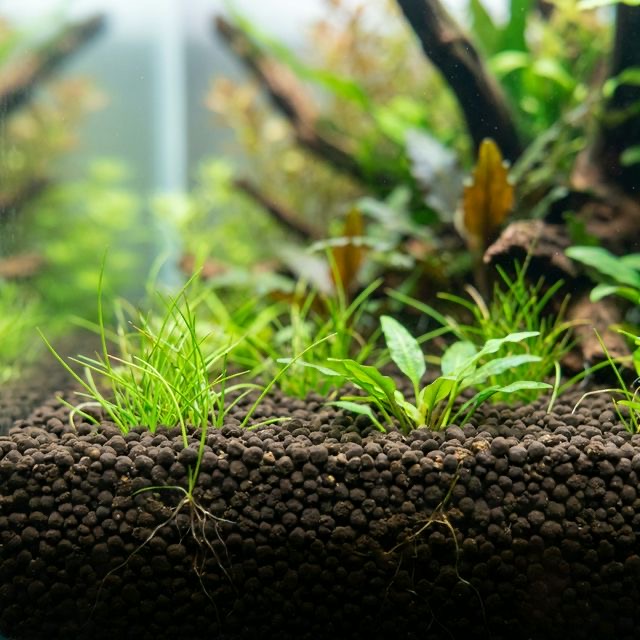 Aquasoil and nutrient substrate for planted tanks
Inert Substrate (Sand or Gravel) + Root Tabs
Inert substrate is sand or gravel that does not release nutrients or change water chemistry. Plants get food from root tabs pushed into the substrate near root-feeders and from liquid fertiliser in the water column. This approach is the best substrate for planted aquarium setups when you want lower upfront cost, simple chemistry, and flexibility to change layout without replacing soil.
Pros: Cheaper, no ammonia spike, neutral pH and KH, and easy to vacuum or rescape. Works very well with Java Fern, Anubias, and many stem plants that feed from the water column, plus root-feeders when you keep up with root tabs.
Cons: You must add and replace root tabs on a schedule (typically every 3–6 months depending on brand and plant load). Heavy carpets and demanding root-feeders can be trickier than with aquasoil unless you dose and tab consistently. For more on feeding plants in inert substrate, see our plant care basics.
How to Choose the Best Substrate for Your Planted Aquarium
- Heavily planted or high-tech: Aquasoil (or similar nutrient soil) is usually the best substrate for a planted aquarium when you’re running CO2, strong light, and lots of carpets or red plants.
- Low-tech or budget-conscious: Inert sand or gravel with root tabs and liquid fertiliser is a solid choice. Pair it with easy species and you’ll have less to manage.
- Mixed or unsure: You can use aquasoil in the back or in planting zones and inert in the front for a clean look; or start inert and add root tabs, then switch to soil on the next rescape if you want more nutrient support.
Slope the substrate slightly from back to front (e.g. 1–2 cm) to add depth and give roots more room where you plant most. For hardscape and layout ideas, browse our hardscaping guides.
Common Substrate Mistakes
- Overwashing aquasoil: Rinsing until the water runs clear strips nutrients and can make the granules break down. Rinse lightly to remove dust only.
- Skipping root tabs in inert substrate: Root-feeders like swords and crypts will starve without tabs or soil. Place tabs near roots and replace on schedule.
- Mixing soil and inert without a barrier: If you cap aquasoil with sand, use a thin layer and avoid deep vacuuming into the soil, or nutrients will leach out and the cap can compact.
- Ignoring the cycle with new soil: Fresh aquasoil can release ammonia. Cycle the tank (fishless or with a light bioload) before adding sensitive livestock.
- Choosing only for looks: Fine sand can compact and limit root oxygen; very coarse gravel can let debris fall through. A medium grain or dedicated aquasoil is easier for plants.
Laying and Maintaining Your Substrate
Add substrate after the tank is in place and before hardscape and planting. For aquasoil, 4–6 cm depth in planting areas is typical; you can go thinner in open areas. For inert, 3–5 cm is enough if you use root tabs. Avoid piling substrate high against the front glass—it traps debris and looks messy.
Maintenance: with aquasoil, avoid deep gravel vaccing into the soil; hover above it to remove mulm. With sand or gravel, you can vacuum the surface and replace root tabs on a schedule. Either way, regular water changes and balanced light and CO2 matter as much as substrate choice for long-term plant health.
FAQ
What is the best substrate for a planted aquarium?
There’s no single best option. Aquasoil is best for heavily planted or high-tech tanks that benefit from long-term nutrient release. Inert sand or gravel with root tabs and liquid fertiliser is best for budget and simplicity, especially with low-tech plants.
Can I use sand in a planted tank?
Yes. Use root tabs near root-feeders and liquid fertiliser for the rest. Fine sand can compact—avoid very deep beds and stir gently when placing tabs.
How long does aquasoil last?
Most aquasoils release nutrients for 1–2 years; after that many aquascapers add a new layer, cap with fresh soil, or supplement with root tabs. Depletion depends on plant load and water changes.
Do I need root tabs with aquasoil?
Usually not for the first year or two. Once the soil depletes, you can add root tabs or refresh the substrate. Heavy root-feeders in old soil often benefit from tabs.
Can I mix aquasoil and sand?
Yes. Common approaches: aquasoil in the back or under planting zones with a thin sand cap in the front, or separate areas. Use a barrier (mesh or rock) if you want to keep them from mixing during maintenance.