African Butterfly Cichlid: Anomalochromis thomasi
A peaceful, colorful dwarf cichlid from West Africa that does not dig up plants. Ideal for community tanks.
African Butterfly Cichlid
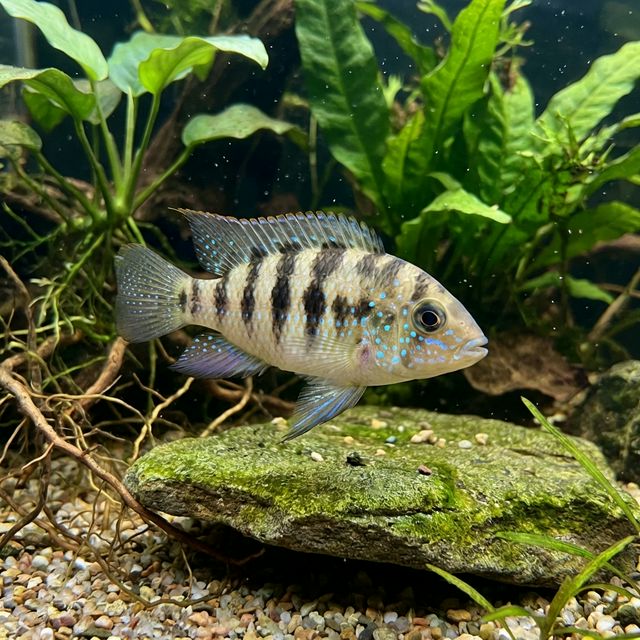
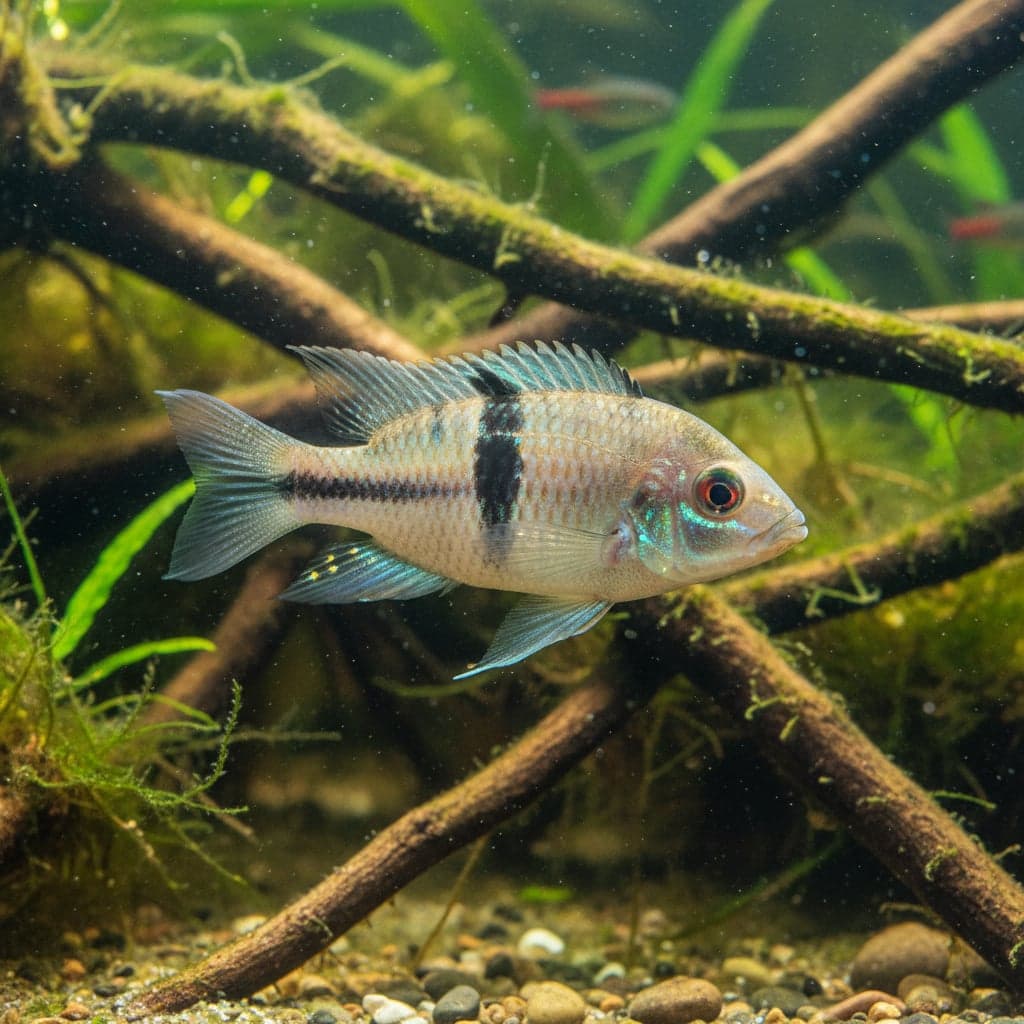
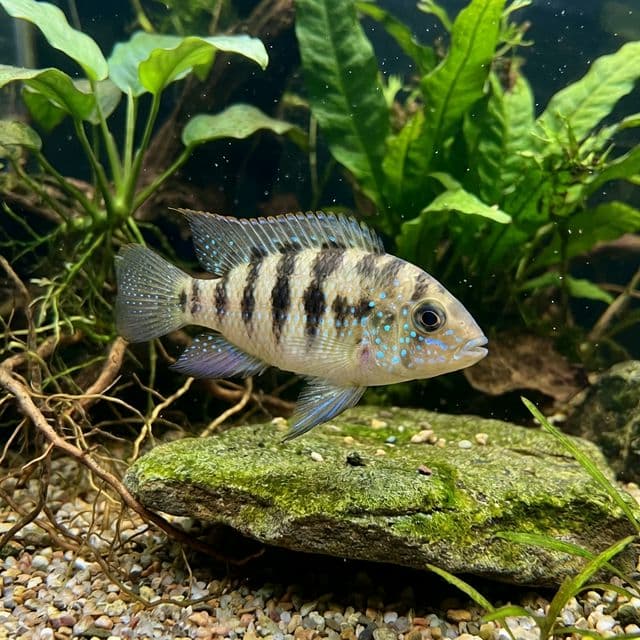
The African Butterfly Cichlid, scientifically known as Anomalochromis thomasi, is a captivating freshwater fish native to the rivers and lakes of West Africa. Renowned for its striking appearance, this species showcases a stunning combination of vibrant blue, yellow, and green colors, making it a sought-after addition to many aquariums. Often referred to as the “butterfly” due to its unique fin structure and coloration, this fish not only brings visual interest to the tank but also offers fascinating behavioral traits that are appealing to aquarists.
In the aquarium hobby, the African Butterfly Cichlid is significant not only for its beauty but also for its relatively manageable care requirements. Though it can be shy and sometimes elusive, when provided with suitable conditions, it exhibits engaging interactions with tank mates and displays its remarkable colors. Due to its popularity, the African Butterfly Cichlid serves as a focal species in many themed aquariums, particularly those representing African biotopes.
Natural Habitat & Origin
The African Butterfly Cichlid originates from the slow-moving rivers and floodplains across several countries in West Africa, including Ghana and Nigeria. This region is characterized by a humid tropical climate, with the fish typically inhabiting blackwater systems filled with decaying plant matter and tannins, which contribute to the tea-colored waters that are a hallmark of their natural habitat. These cichlids find refuge among submerged logs, dense vegetation, and leaf litter, where the complex structure provides essential hiding spots that enhance their sense of security.
In addition to blackwater environments, the African Butterfly Cichlid may also be observed in clearwater lakes and streams. The soft, acidic nature of this water (with a pH typically ranging from 6.0 to 7.5) is vital for their well-being, as their bodies are adapted to such conditions. Understanding their natural habitat is crucial for aquarists aiming to replicate an ideal environment for these stunning fish in captivity.
Care Requirements
To ensure the optimal health and longevity of the African Butterfly Cichlid, specific water parameters must be maintained within the aquarium. The recommended pH level should be between 6.0 and 7.5, with a temperature range of 24°C to 28°C (75°F to 82°F). Additionally, water hardness should be kept between 5 to 15 dGH. These parameters mimic their natural habitats and allow the fish to thrive.
When setting up the tank, a minimum size of 75 gallons is recommended to provide ample swimming space and territorial regions for these cichlids. The substrate should consist of soft sand or small gravel to replicate the riverbed environment. Incorporating live plants, driftwood, and rocks will create hiding spots, which is essential for the fish’s psychological well-being. Moderate lighting works well, as bright lights can stress the African Butterfly Cichlid; thus, providing shaded areas will help them feel more secure.
Diet & Feeding
The African Butterfly Cichlid is an omnivore, and it's important to provide a varied diet to promote optimal health. In captivity, they thrive on high-quality cichlid pellets and flakes specifically formulated for their dietary needs. Additionally, incorporating a selection of frozen foods—such as brine shrimp, bloodworms, and daphnia—will enhance their diet and ensure they receive adequate protein. Occasional live foods can also be provided as a treat to simulate their natural hunting behavior.
It is beneficial to supplement their diet with vegetable-based foods, such as spirulina flakes or blanched spinach, which support their overall health. Feeding should occur 2-3 times a day in small quantities to avoid overfeeding, with the aim of completing their meal within a few minutes.
Behavior & Temperament
In terms of social behavior, the African Butterfly Cichlid is typically peaceful but can exhibit varying levels of shyness and territoriality, especially when breeding. Males may become more aggressive during mating displays, so it is advisable to keep them in groups with multiple females to diffuse potential aggression. These cichlids tend to prefer swimming near the mid to lower levels of the tank, often utilizing the bottom and hiding places to feel secure.
While they are relatively calm, it’s essential to monitor their interactions with other species. Providing plenty of space, hiding spots, and visual barriers will help reduce stress and aggressive encounters within a community tank setup.
Tank Mates
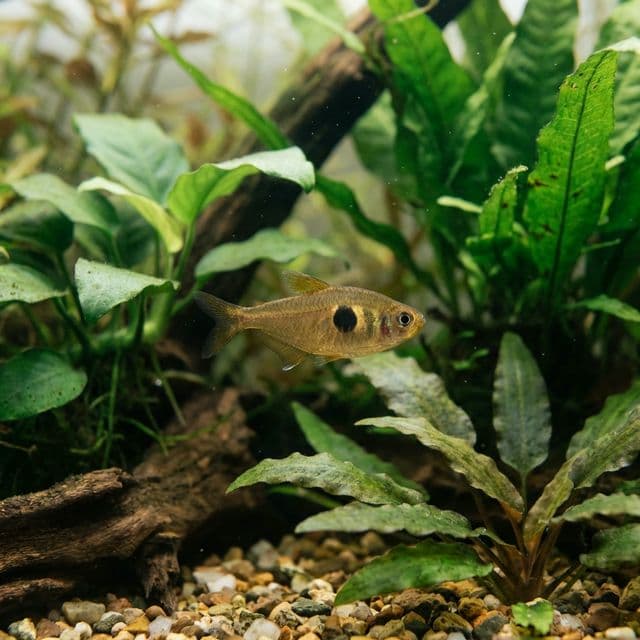
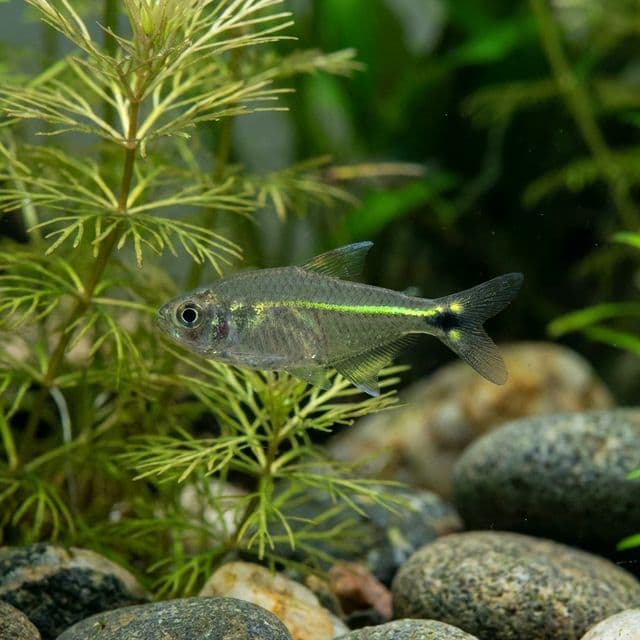
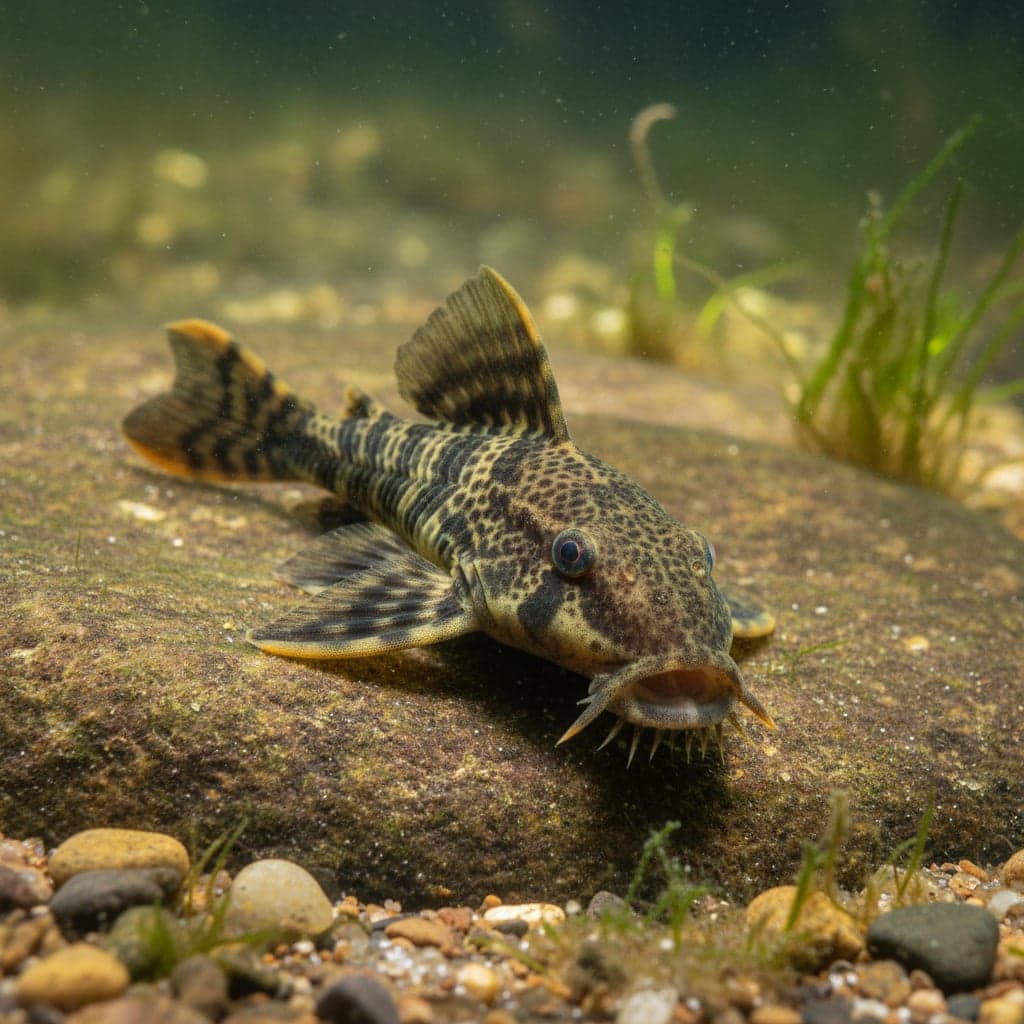
For a harmonious community aquarium, the African Butterfly Cichlid is best kept with compatible species that share similar water requirements and temperament. Suitable tank mates include smaller peaceful fish such as Tetras (like Neon and Rummy Nose), Corydoras Catfish, and some species of peaceful Loaches. Dwarf Cichlids, particularly those from South America or related African species, may coexist well.
Conversely, it is critical to avoid aggressive or large species, such as larger Cichlids, aggressive Barbs, or certain Catfish such as Redtails, as they may stress or harm the African Butterfly Cichlid. Careful selection of tank mates will help ensure a tranquil aquarium environment.
Breeding
Breeding the African Butterfly Cichlid in captivity can be a rewarding experience for aquarists. For successful spawning, provide a well-planted aquarium with plenty of hiding spots, as the African Butterfly Cichlid prefers secluded areas to lay eggs. They typically exhibit courtship behavior, where males will display their color and size to attract females. After a successful courtship, the female will lay up to 100 eggs on a flat surface or in a crevice, which she will then guard fiercely.
After the eggs hatch, the fry should be moved to a separate rearing tank to prevent predation from adult fish. It's important to offer finely crushed flakes or specialized fry food to the young fish until they are large enough to eat regular cichlid food. Maintaining ideal water conditions is crucial during this time to support the growth of the fry.
Common Health Issues
Like many freshwater fish, African Butterfly Cichlids may be susceptible to certain health issues, including Ich or white spot disease, fin rot, and occasionally, swim bladder disease. Maintaining clean water through regular water changes and filtration is essential for prevention, as poor water quality can lead to stress and disease onset.
Quarantine new additions before introducing them to the main tank to avoid introducing illnesses. Regular monitoring of water parameters and a balanced diet can greatly minimize the risks of these common health issues, ensuring your African Butterfly Cichlid thrives in your aquarium.