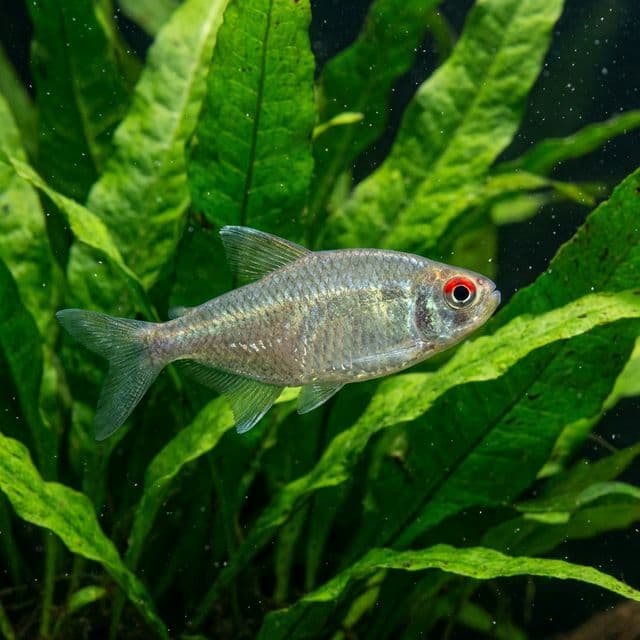
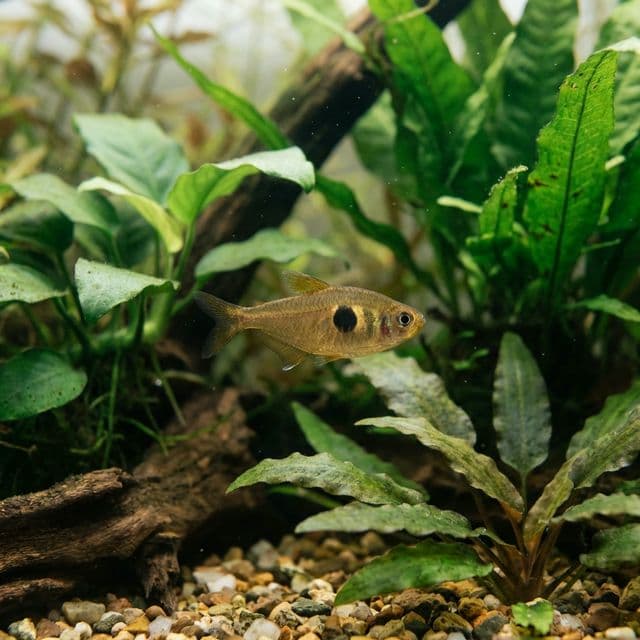
African Copper Ribbon Tetra: Rhabdalestes septentrionalis
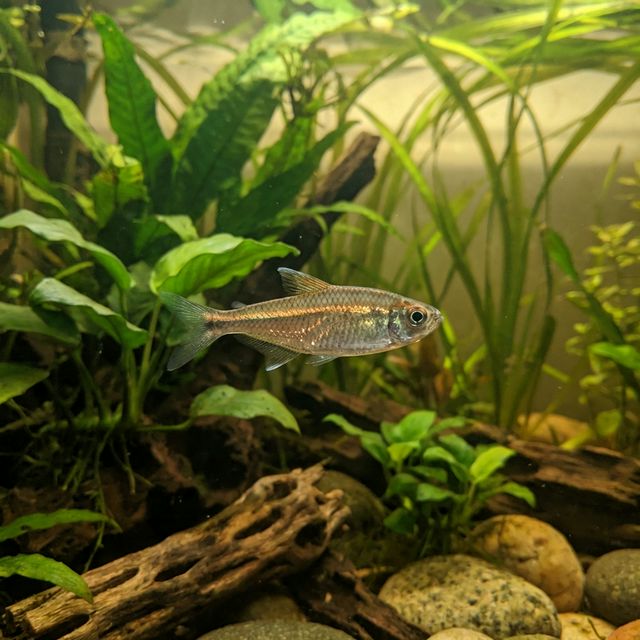
A slender, metallic silver/copper tetra from Africa. An active surface swimmer.
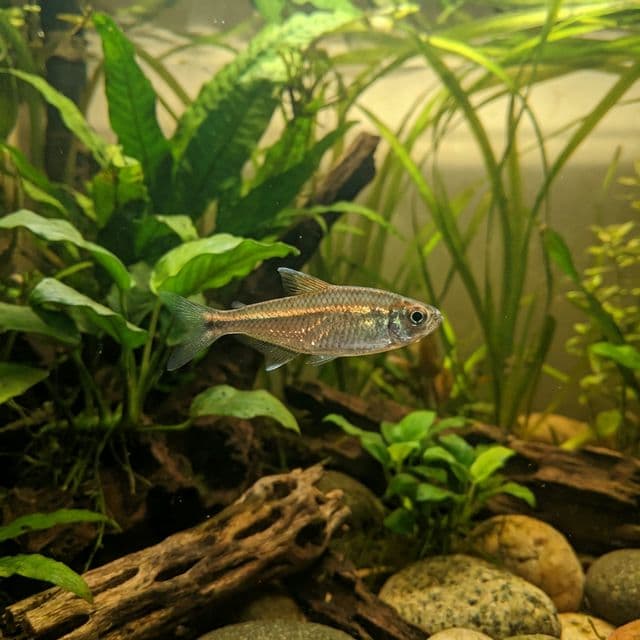
African Copper Ribbon Tetra
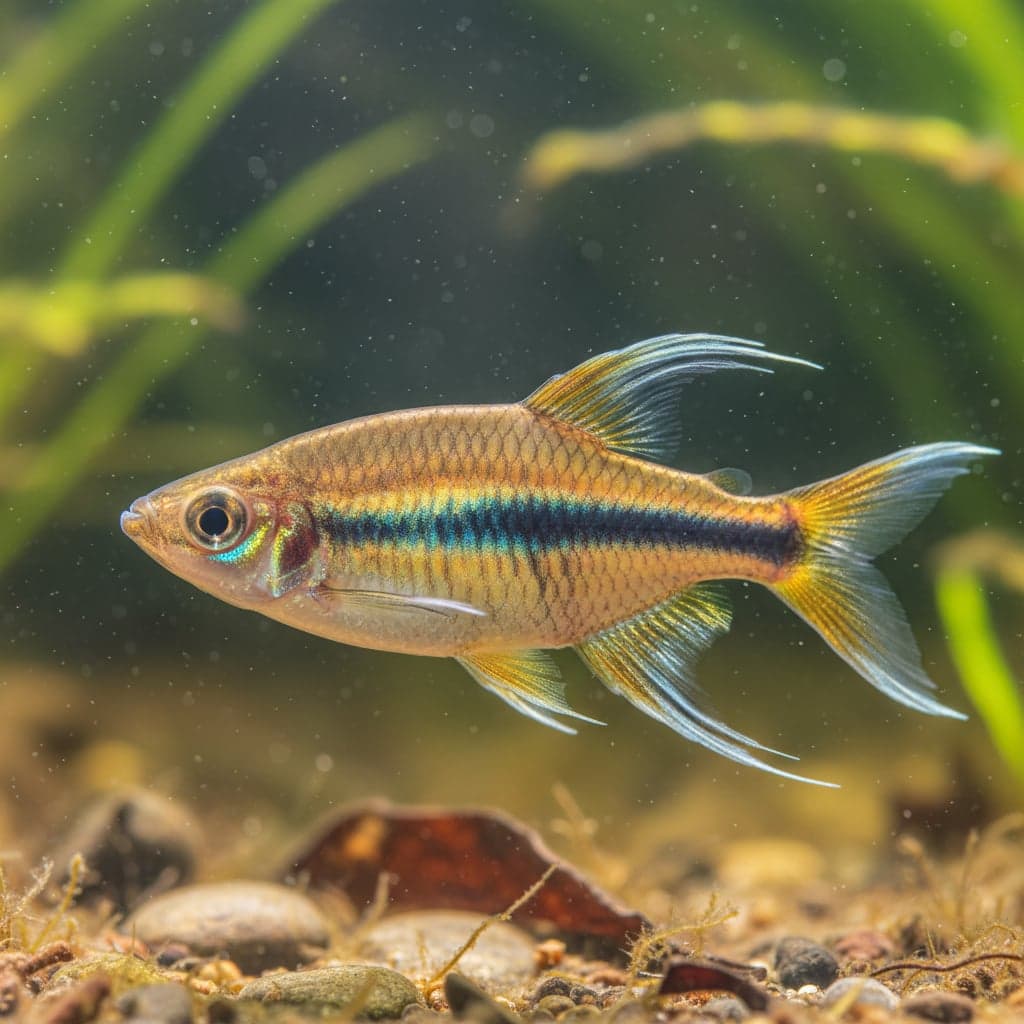
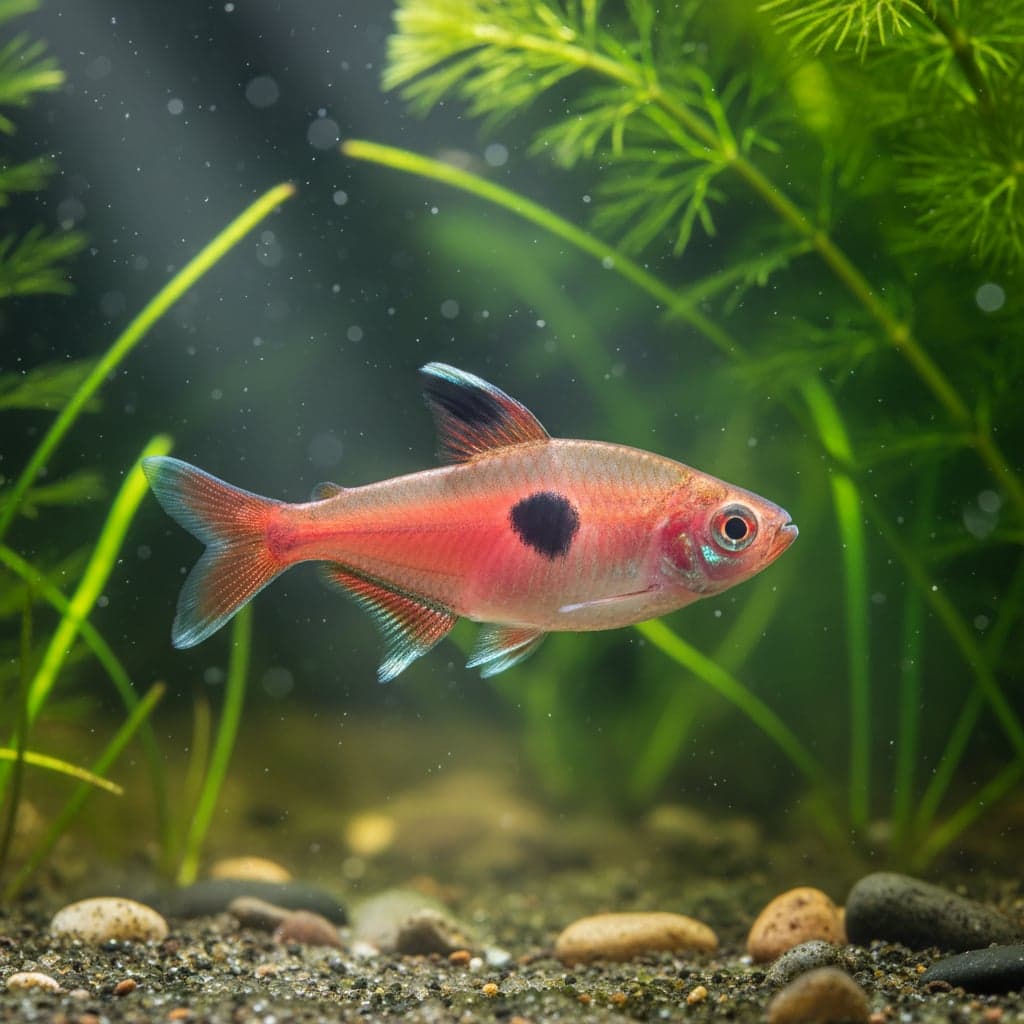
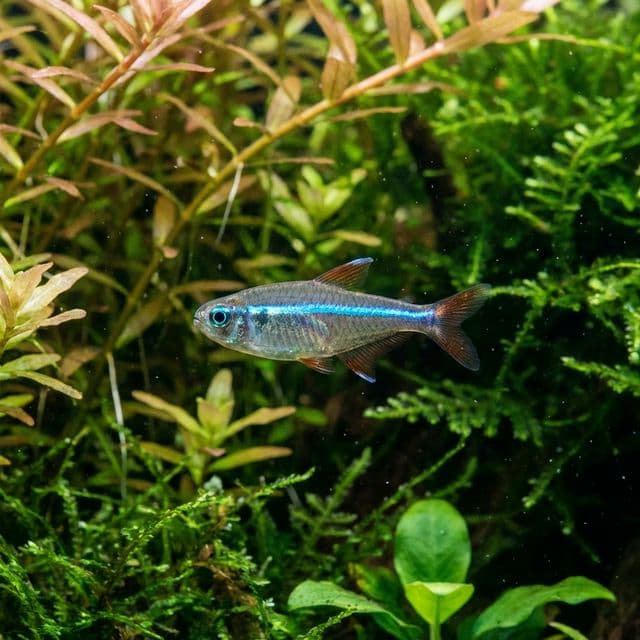
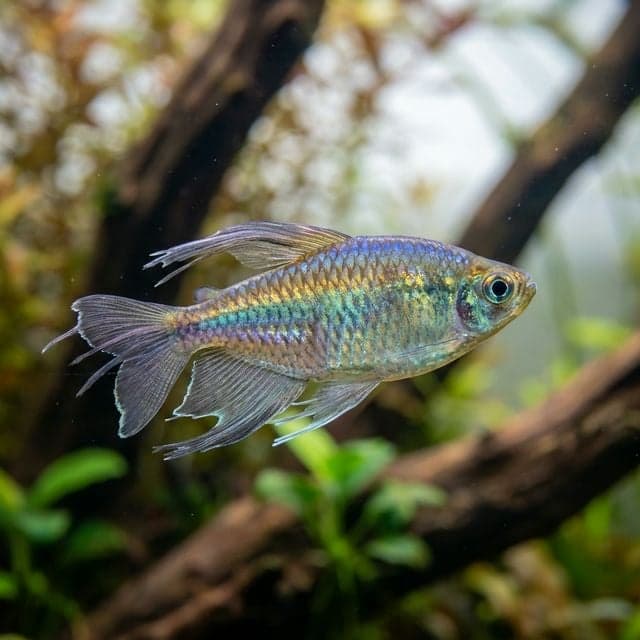
The African Copper Ribbon Tetra (Rhabdalestes septentrionalis) is a strikingly beautiful freshwater fish that has gained popularity among aquarists due to its vibrant coloration and unique body shape. This small, slender tetra features an elongated body adorned with a stunning array of iridescent copper and blue hues that shimmer under aquarium lighting. The natural sheen of its scales, combined with the graceful, ribbon-like fins, makes it a captivating sight in any aquatic landscape. Beyond its aesthetic appeal, the African Copper Ribbon Tetra plays a significant role in the aquarium hobby, serving as an excellent choice for community tanks and promoting biodiversity within the home aquarium.
In addition to its visual impact, the African Copper Ribbon Tetra offers a lively addition to fish communities with its active swimming behavior and peaceful nature. As a schooling fish, it thrives in groups, which not only enhances its vibrant displays but also encourages natural behaviors, making it an ideal choice for aquarists looking to create dynamic aquatic environments. Whether you're a novice fish keeper or a seasoned aquarist, the African Copper Ribbon Tetra is sure to become a standout feature in your aquarium, providing enjoyment and natural beauty.
Natural Habitat & Origin
The African Copper Ribbon Tetra is native to the rivers and streams of West Africa, predominantly found in countries such as Nigeria and Cameroon. Its natural habitat consists of blackwater environments rich in organic matter, which contribute to its characteristic water chemistry. These waters are typically stained by tannins from decaying leaves and plant material, creating an ideal environment with low pH levels. The substrate in these habitats often consists of a combination of fine particles and soft sediments, while the water is usually bilaterally buoyant and exhibits gentle flow, with plenty of submerged roots, vegetation, and debris that provide both shelter and food sources.
In the wild, this species prefers densely planted areas where it can find safety from potential predators and ample foraging opportunities. The presence of leaf litter often serves as both shelter and breeding grounds. As aquarists appreciate recreating these habitats, understanding the natural environmental context of the African Copper Ribbon Tetra is essential for successful care and maintenance in captivity.
Care Requirements
To ensure the health and well-being of the African Copper Ribbon Tetra, specific water parameters and habitat conditions should be maintained. The ideal aquarium environment for this species includes a pH range of 5.5 to 7.5, with a temperature between 24°C and 28°C (75°F to 82°F). Hardness should be kept low, around 2 to 10 dGH, to mimic its natural blackwater surroundings.
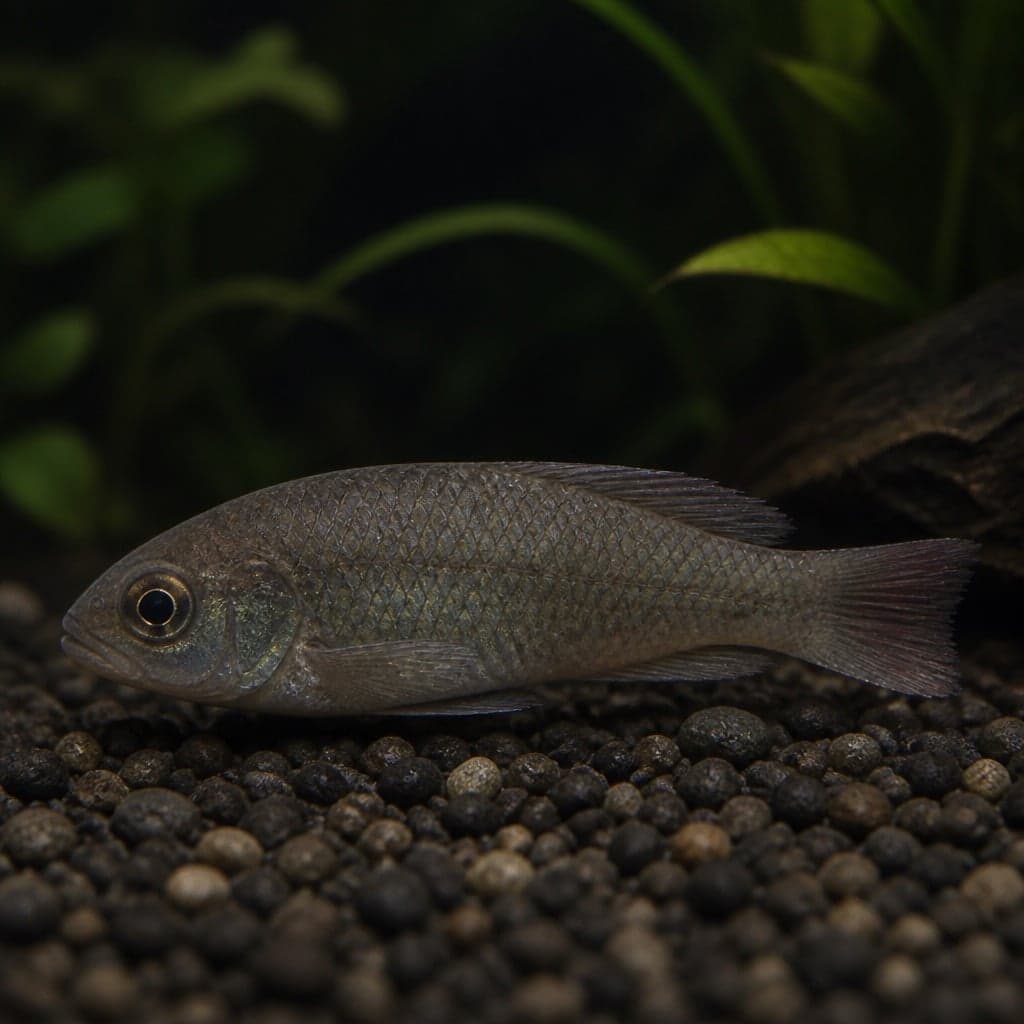
For tank setup, a minimum tank size of 20 gallons is recommended to accommodate a small school of this species. The substrate should consist of fine gravel or sand to avoid damaging their delicate fins. Adequate lighting is essential but should be kept to moderate levels to prevent excessive algae growth and to replicate their natural habitat. Incorporating plenty of live plants, driftwood, and leaf litter will enhance the tank's aesthetics while providing hiding spots and foraging opportunities that reflect their natural environment.
Diet & Feeding
The African Copper Ribbon Tetra is classified as an omnivore, which means its diet encompasses both plant and animal matter. In captivity, they thrive on a varied diet that consists of high-quality flake food, small pellets, and freeze-dried or frozen options like brine shrimp and bloodworms. Live foods can also be offered, such as daphnia or small insects, which help promote natural feeding behaviors and brighten their coloration. It's important to provide a balanced diet, ensuring they receive essential nutrients to promote optimal growth and vitality.
Feeding should ideally be done twice daily, providing small amounts that can be consumed within a few minutes. Overfeeding should be avoided, as it can lead to water quality issues and health complications for the fish. Regular dietary variety will not only enhance their health but also encourage more active and engaging behaviors, making them a pleasure to observe.
Behavior & Temperament
African Copper Ribbon Tetras are known for their peaceful and sociable nature. These fish exhibit natural schooling behavior, which is crucial for their mental well-being. It is best to keep them in groups of at least five to seven individuals, as they thrive in numbers and feel more secure when surrounded by their kind. In a properly sized aquarium, these tetras will often be found swimming in the middle to upper levels of the tank, showcasing their graceful movements and iridescent bodies.
Although generally non-aggressive, African Copper Ribbon Tetras may exhibit mild territoriality during breeding periods. They can coexist with a variety of other peaceful species; however, maintaining a balanced fish community will ensure a harmonious environment. Observing them interact with their school and manage their place in a diverse tank setup is a rewarding aspect of keeping this beautiful fish.
Tank Mates
When selecting tank mates for the African Copper Ribbon Tetra, it is crucial to choose species that share similar temperament and water parameter preferences. Ideal companions include other peaceful tetras such as Neon Tetras, Rummy Nose Tetras, and Corydoras catfish. Additionally, smaller species like Rasboras and Guppies can coexist harmoniously. Avoid keeping them with larger, aggressive fish, as these can pose a threat to the fragile tetras, leading to stress or injury.
Species to avoid include Cichlids that exhibit territorial behavior, particularly African Cichlids known for aggressiveness, as well as larger barbs and aggressive catfish capable of bullying smaller, more delicate species. A well-planned community tank will not only provide a safer environment for the African Copper Ribbon Tetra but also create a lively display of diverse aquatic life.
Breeding
Breeding the African Copper Ribbon Tetra in captivity requires careful attention to specific conditions. To stimulate spawning, it is important to keep the fish in a well-planted tank with plenty of hiding places. A separate breeding tank is often recommended to prevent other fish from eating the eggs. Mimicking their natural blackwater conditions helps trigger spawning; thus, maintaining slightly acidic pH and slightly warmer temperatures in a separate tank is beneficial.
Once conditioned, the breeding pair will engage in courtship displays, typically occurring early in the morning. The female will lay eggs among the plants, and males will fertilize them. Given the group spawning behavior of this species, multiple pairs may be introduced to the breeding setup. After spawning, it is crucial to remove the adult fish, as they may consume the eggs or fry. Under optimal conditions, the eggs will hatch within 24-36 hours, and the fry will start swimming freely within a few days. They can be fed with infusoria or finely crushed flake food until they are large enough to consume larger foods.
Common Health Issues
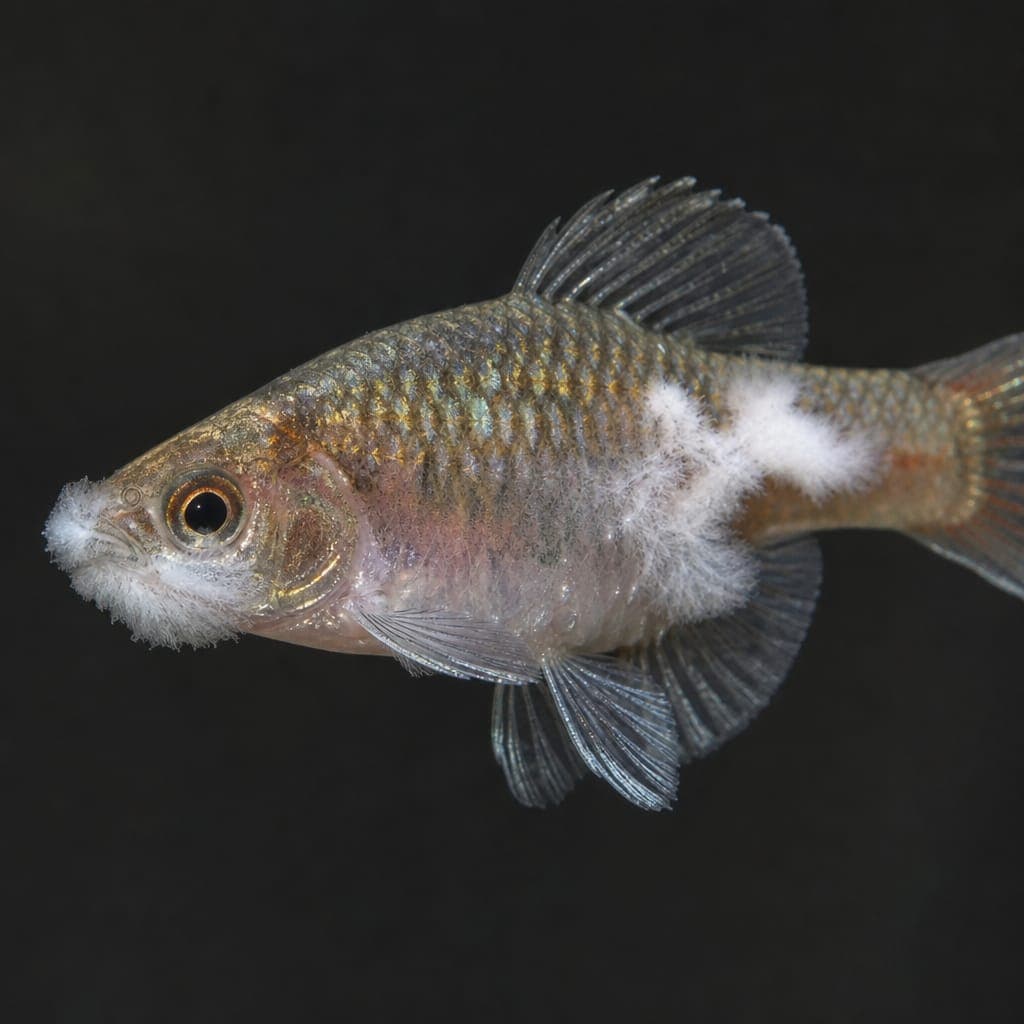
Like many freshwater fish, the African Copper Ribbon Tetra can be susceptible to various health issues, particularly if proper care is not provided. Common ailments include Ich (Ichthyophthirius multifiliis), fin rot, and fungal infections. To prevent these issues, maintaining excellent water quality and stable parameters is essential. Regular water changes, proper tank filtration, and monitoring for signs of stress or illness will aid in ensuring a healthy environment.
Introducing new tank mates should also involve quarantine procedures to minimize the risk of disease transmission. Additionally, a well-balanced diet, devoid of overfeeding, will strengthen immunity and reduce disease risk long term. Quarantine newcomers, keep ammonia and nitrite at zero, and perform regular partial water changes. Watch for white spots, frayed fins, clamped fins, or sudden lethargy, and treat affected fish promptly in a hospital tank. Soft acidic blackwater and a school of five or more further cut stress. With stable conditions and early action, African Copper Ribbon Tetras remain colourful mid-water schoolers for years.