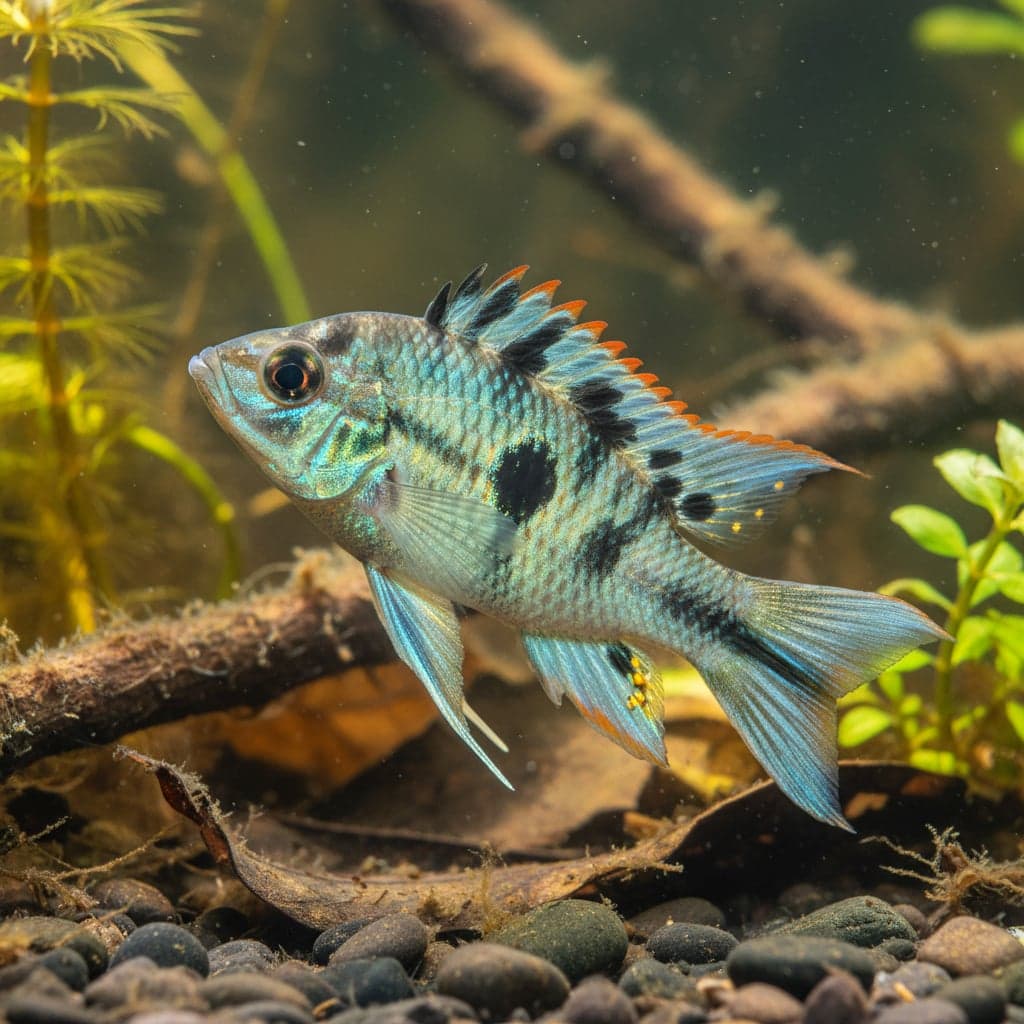
Agassiz's Dwarf Cichlid: Apistogramma agassizii
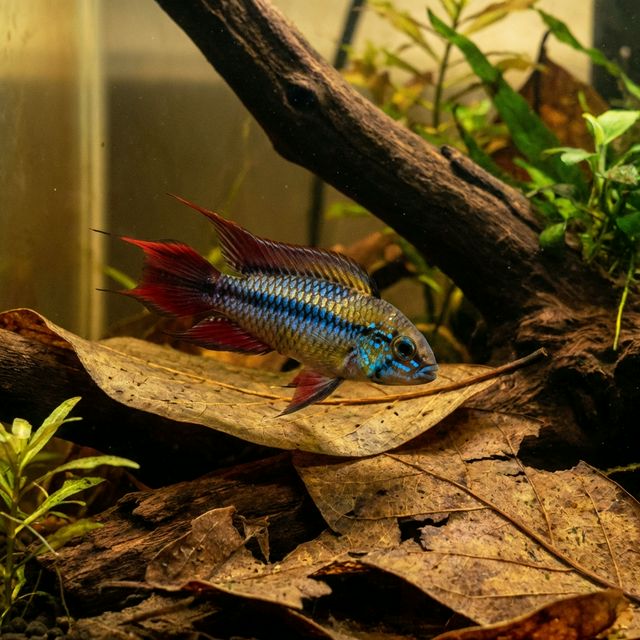
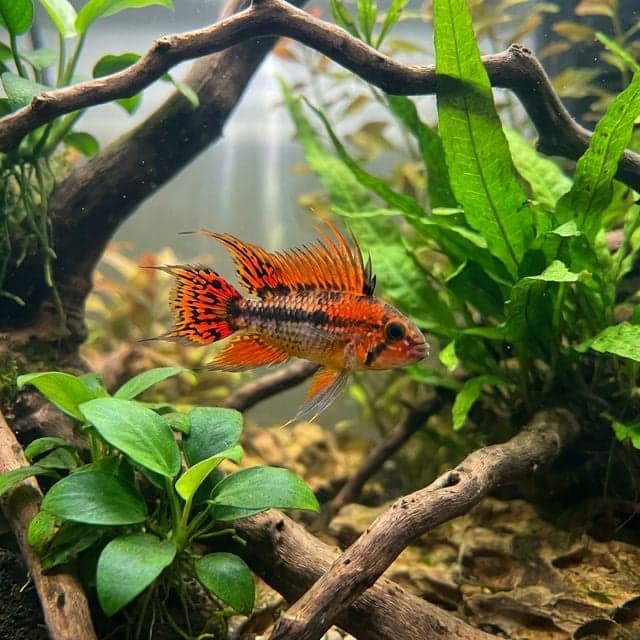
One of the most colorful dwarf cichlids. Males have a spade-shaped tail and brilliant colors.
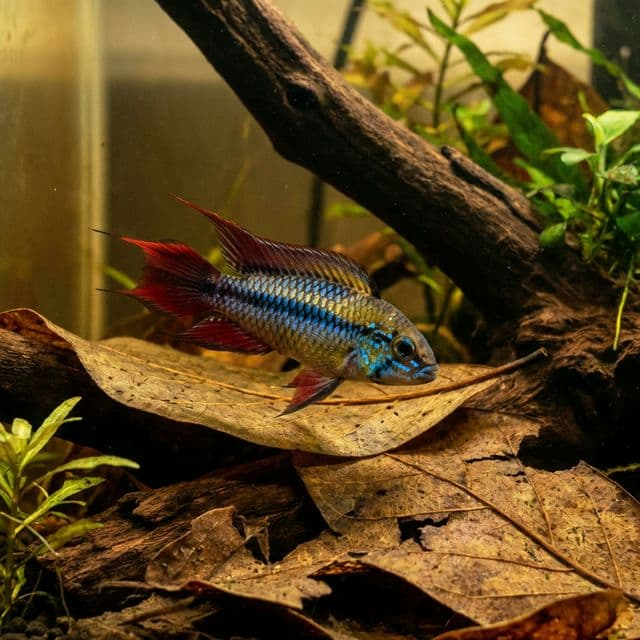
Agassiz's Dwarf Cichlid
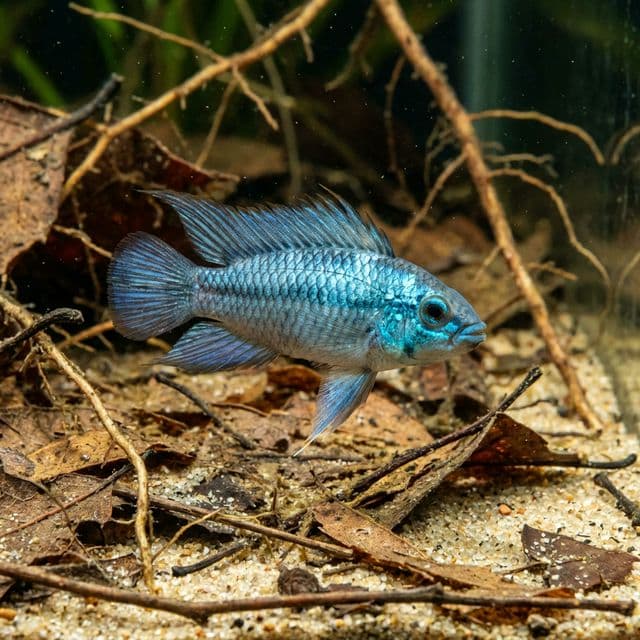
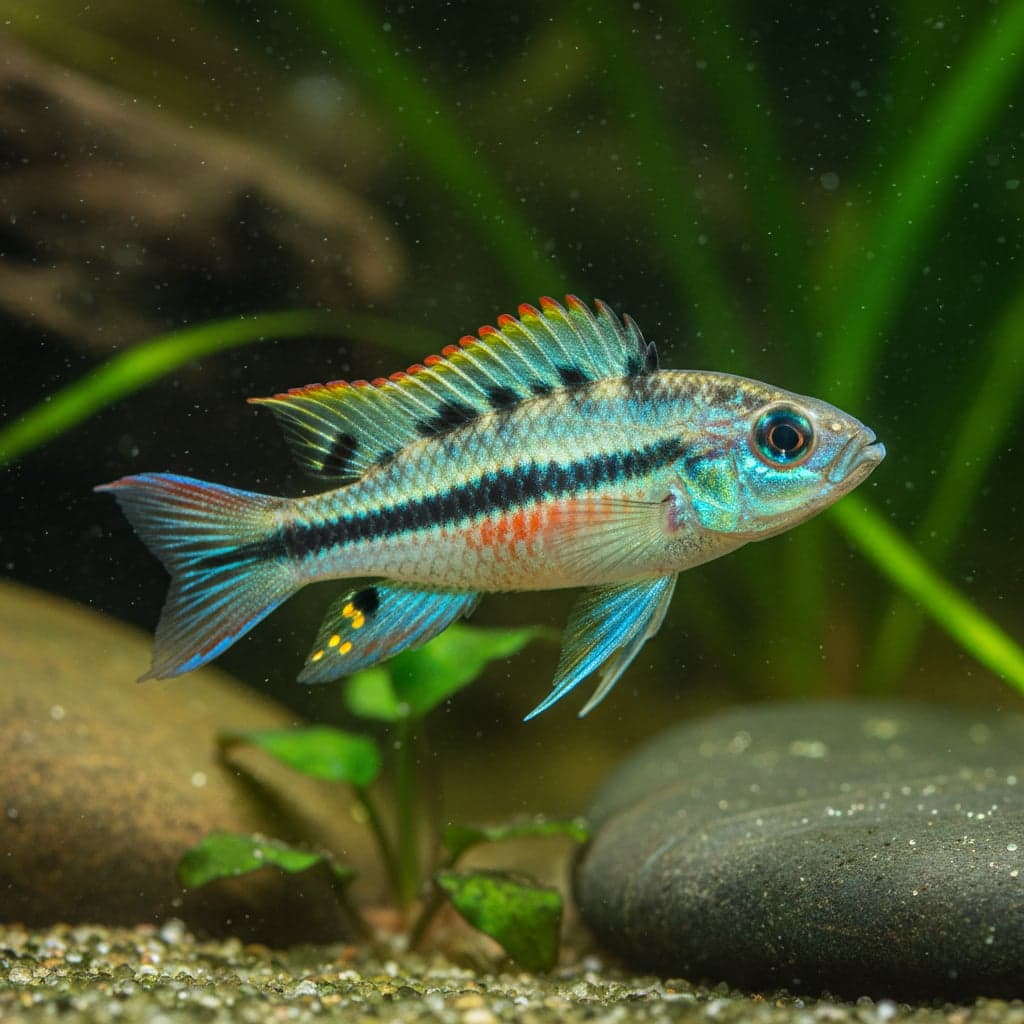
Agassiz's Dwarf Cichlid, scientifically known as Apistogramma agassizii, is a captivating and vibrant species of freshwater fish highly sought after by aquarists. This incredible little fish is known for its stunning coloration, typically showcasing shades of yellow, blue, and orange with striking vertical bands that capture the eye. The males tend to be more colorful and larger than the females, displaying long, flowing fins that add to their elegance. Their diminutive size—averaging around 2.5 to 3 inches—makes them an intriguing choice for smaller aquariums, allowing fish enthusiasts to create visually diverse aquatic landscapes without occupying excessive space.
Not only are Agassiz's Dwarf Cichlids visually appealing, but they also play a significant role in the aquarium hobby due to their unique behaviors and breeding habits. They are known for their intelligence and interactive personalities, often displaying a range of social behaviors that can be fascinating to observe. As mouthbrooders, their breeding rituals include intricate displays and nesting practices that every aquarist can appreciate. These fish offer a slice of their natural environment to aquarium enthusiasts, creating an engaging and educational experience while contributing to the biodiversity of the freshwater aquarist community.
Natural Habitat & Origin
Agassiz's Dwarf Cichlid is native to the slow-moving waters of the Amazon Basin, particularly in regions of Venezuela and Brazil. These fish inhabit a variety of freshwater environments, primarily preferring blackwater and clearwater rivers rich in leaf litter, aquatic vegetation, and submerged structures. The soft, acidic waters of their natural habitat are crucial to their well-being, often saturated with tannins that not only color the water but also promote health benefits such as antibacterial properties.
In the wild, Agassiz's Dwarf Cichlids thrive in densely vegetated areas with plenty of hiding spots, providing refuge from both predators and environmental stresses. These habitats are typically characterized by a warm tropical climate, with water temperatures ranging between 75°F and 82°F. Understanding the natural ecosystem of this dwarf cichlid is essential for replicating the conditions they need to thrive in a home aquarium setting.
Care Requirements
To ensure the health and longevity of Agassiz's Dwarf Cichlid, specific water parameters and tank requirements must be met. Ideally, the pH level should range from 6.0 to 7.0, with a temperature maintained between 75°F and 82°F. The hardness of the water should be on the softer side, between 3 to 10 dGH, to mimic their natural habitat.
In terms of tank setup, a minimum tank size of 20 gallons is recommended for a small group or breeding pairs, as this provides ample space for territorial behavior. The substrate should consist of soft sand or fine gravel to prevent damage to their delicate fins. An abundance of hiding spots, such as driftwood, caves, and dense plant life, is vital, along with moderate to low lighting which can enhance their color and mimic the dimly lit environments of their natural habitats. Additionally, plants like Amazon swords, Java ferns, and floating plants can contribute to the overall aesthetic while providing necessary cover.
Diet & Feeding
Agassiz's Dwarf Cichlids are omnivorous and thrive on a varied diet that includes high-quality flakes and pellets, as well as frozen or live foods. A diet rich in protein sources, such as brine shrimp, daphnia, and bloodworms, is crucial for their nutrition and overall health. It is beneficial to supplement their diet with vegetable matter and plant-based products, such as spirulina flakes or blanched vegetables, to ensure a well-rounded nutrition profile.
Feeding should take place multiple times a day in small portions, allowing them to exhibit natural foraging behaviors. Meticulous feeding practices can not only promote healthy growth but also encourage vibrant colors that highlight the breathtaking visuals of this species. Ensuring that dietary needs are met is paramount for both their longevity and vitality in the home aquarium.
Behavior & Temperament
Agassiz's Dwarf Cichlid is known for its unique behavior and interpersonal interactions within the tank. They are generally peaceable but can exhibit territoriality, particularly during breeding or when establishing hierarchy within a group. It is common for males to exhibit posturing and displays of aggression towards one another, which may include fin flaring and chasing. However, these interactions are mostly non-violent, especially when given adequate space and hiding areas.
These fish are not shoaling species but benefit from the presence of their own kind. Maintaining a few individuals can reduce stress and encourage natural behaviors, as they are social and interact frequently with each other. In terms of tank placement, Agassiz's Dwarf Cichlids are typically middle to bottom dwellers, where they enjoy exploring caves and crevices but are less active in the upper water column.
Tank Mates
Finding suitable tank mates for Agassiz's Dwarf Cichlid is essential for a harmonious aquarium environment. Compatible species include other peaceful cichlids, small tetras, rasboras, and dwarf catfish. Members of the Apistogramma genus can often coexist well together, especially when ample space and hiding spots are provided. Species like neon tetras, emperor tetras, and otocinclus catfish generally make excellent companions, promoting a vibrant community tank.
Conversely, tank mates to avoid include larger or more aggressive fish, which may pose a threat or cause undue stress, leading to territorial disputes. Avoiding species such as larger cichlids (like oscars or jaguar cichlids), aggressive livebearers, and overly boisterous fish, like some barbs, is crucial for maintaining harmony within the tank.
Breeding
Breeding Agassiz's Dwarf Cichlids in captivity can be a rewarding experience for aquarists. Males typically display vibrant colors and elaborate courtship dances to attract females. They are substrate spawners, laying eggs on flat surfaces, such as rocks or amidst plant leaves. It is essential to provide well-maintained conditions with stable water parameters, as this will encourage spawning behavior.
The female lays anywhere from 30 to 100 eggs, which she will guard aggressively. After hatching, the fry will stay close to the shelter of the substrate while being monitored by both parents. A separate breeding tank can be beneficial for ensuring the safety of the fry, allowing them to grow in a controlled environment free of potential threats from other tank inhabitants. Regular water changes and maintaining optimal water quality are also critical during the breeding process.
Common Health Issues
Agassiz's Dwarf Cichlids are relatively hardy but can fall prey to certain health issues if not kept in proper conditions. Common diseases include ich, fin rot, and dropsy. Maintaining pristine water conditions, along with regular water changes and tank cleaning, is vital in preventing these ailments. It is critical to monitor for signs of stress or illness, including faded colors or abnormal swimming behavior.
Quarantine new arrivals before adding them to the community tank to reduce the risk of disease transmission. Additionally, feeding a varied, high-quality diet will bolster their immune systems, making them less susceptible to common ailments. Regular monitoring and proactive health management will contribute significantly to the longevity and quality of life of Agassiz's Dwarf Cichlids in the aquarium. Soft, acidic water, gentle filtration, and plenty of cover further reduce stress-related illness. With attentive care, these Apistogrammas stay vibrant and active for years.