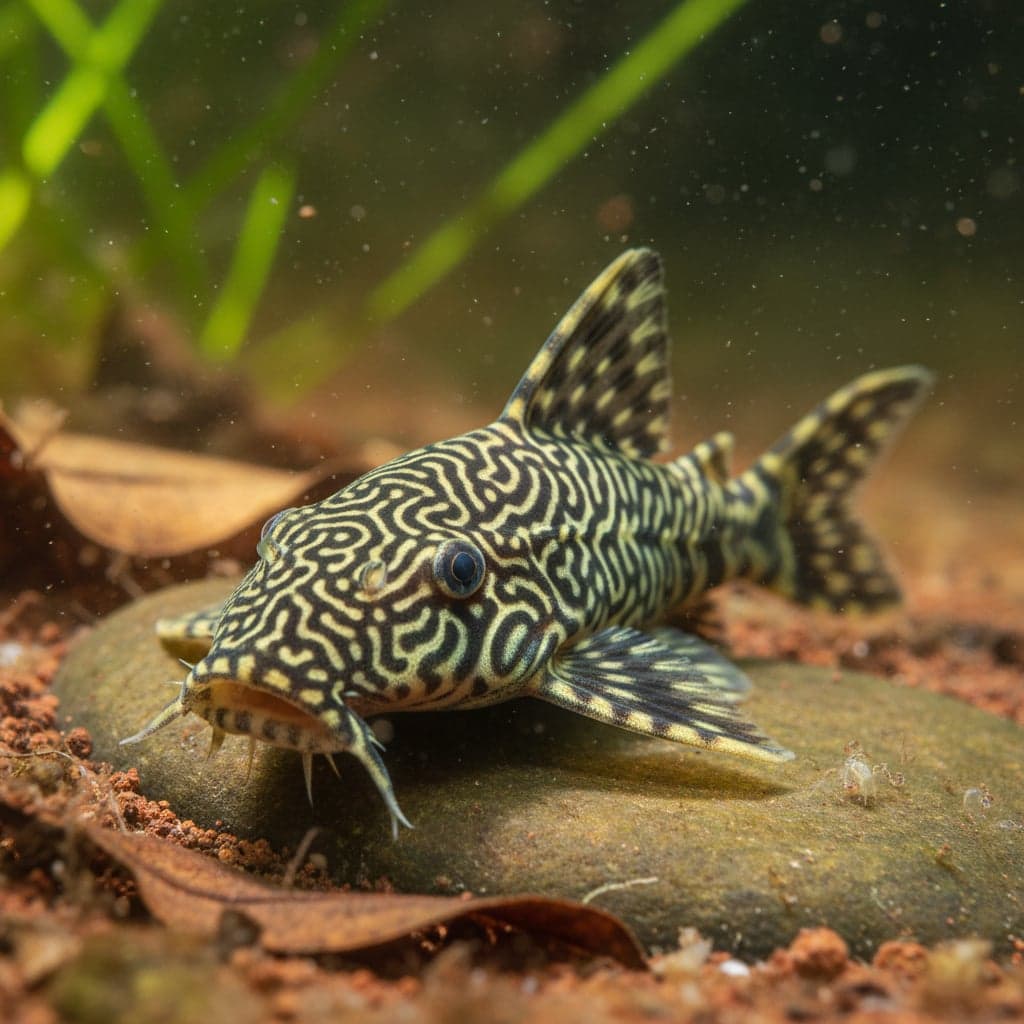
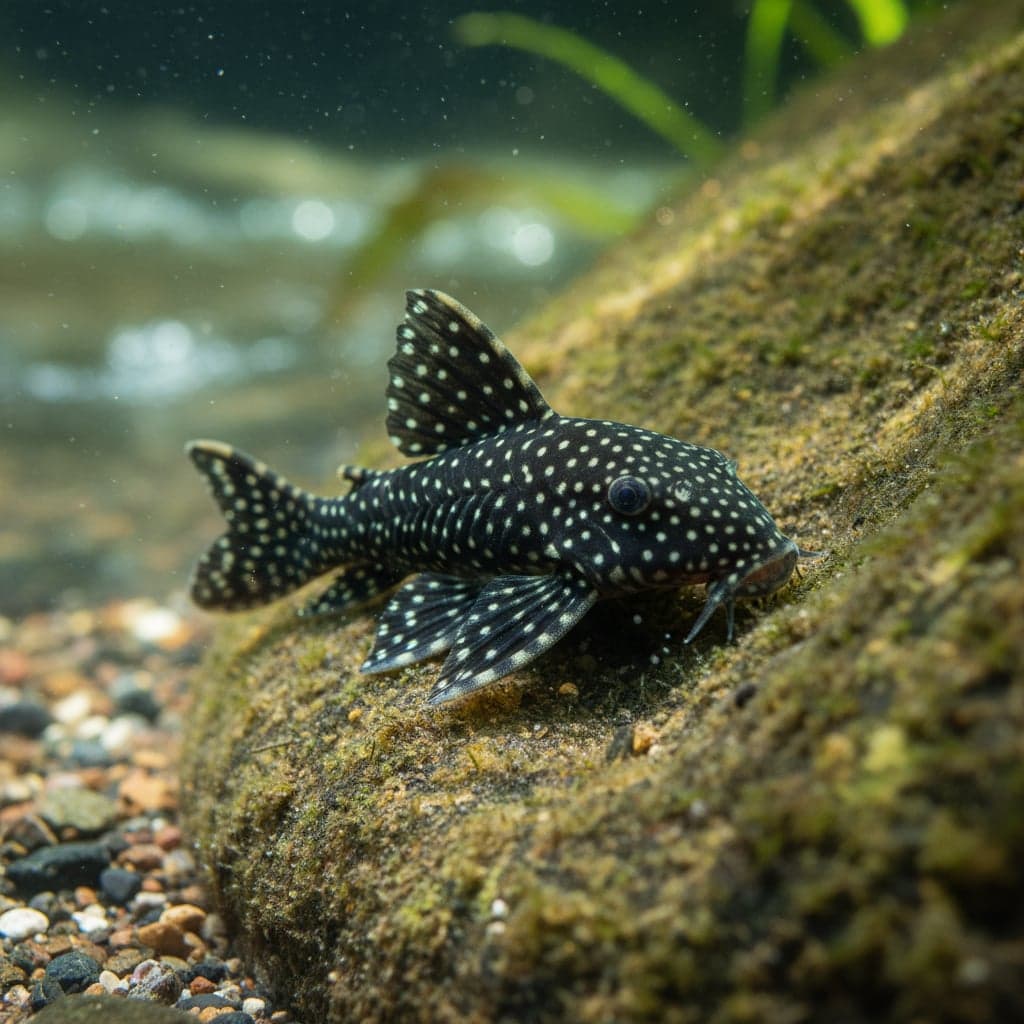
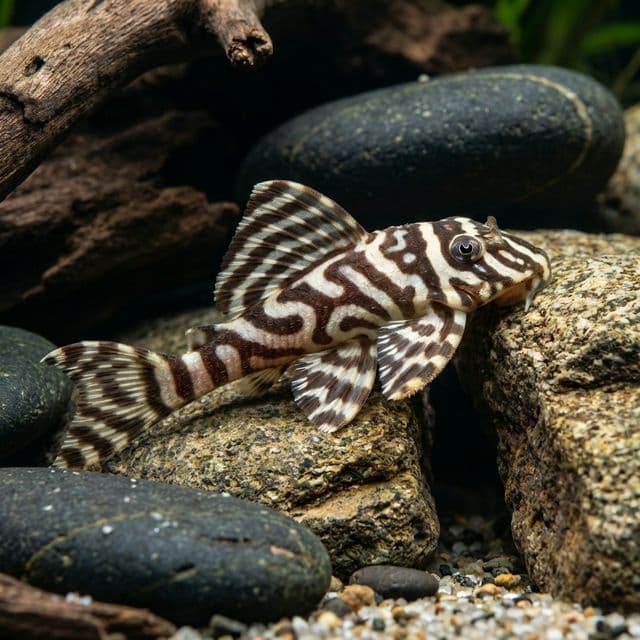
Angelicus Plec: Hypancistrus sp.
A polka-dotted L-number pleco that stays small. A collector favorite.
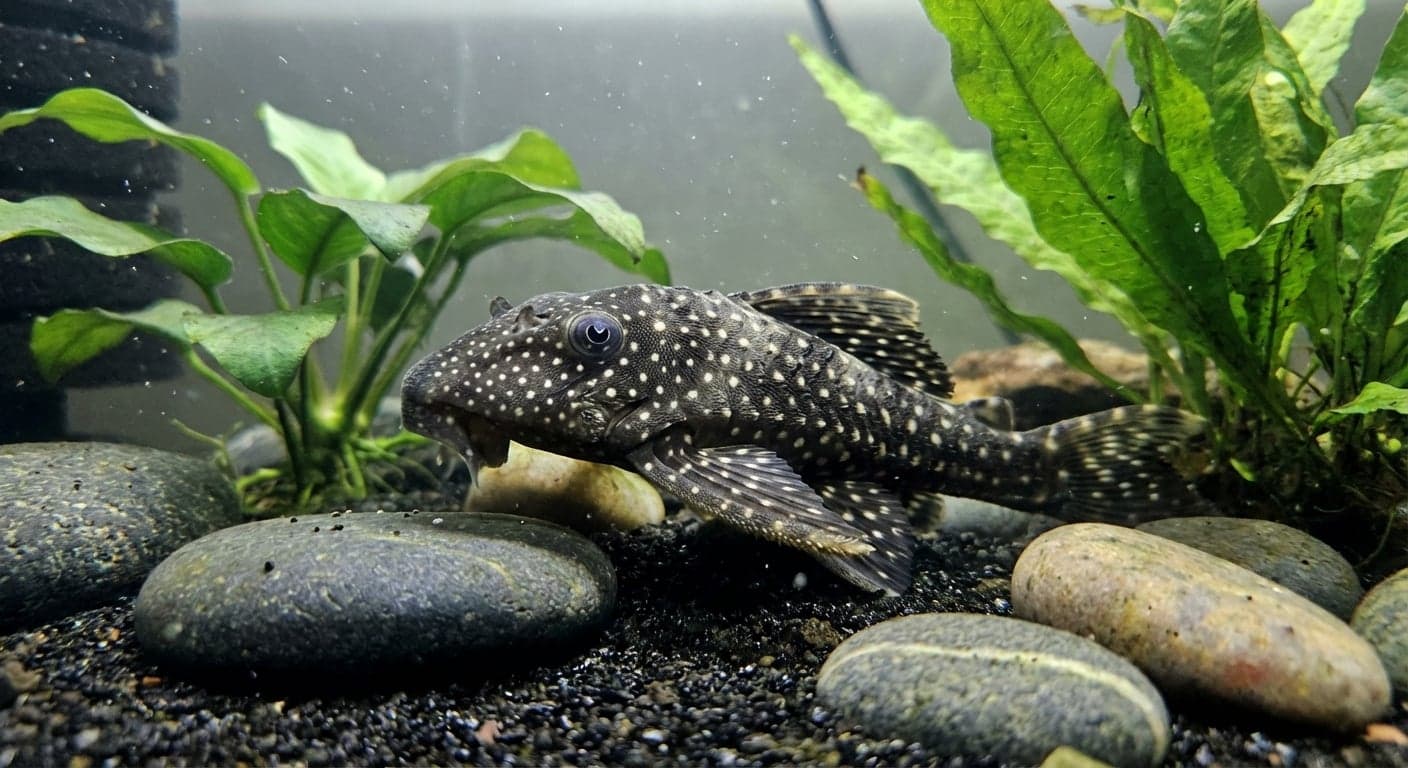
Angelicus Plec
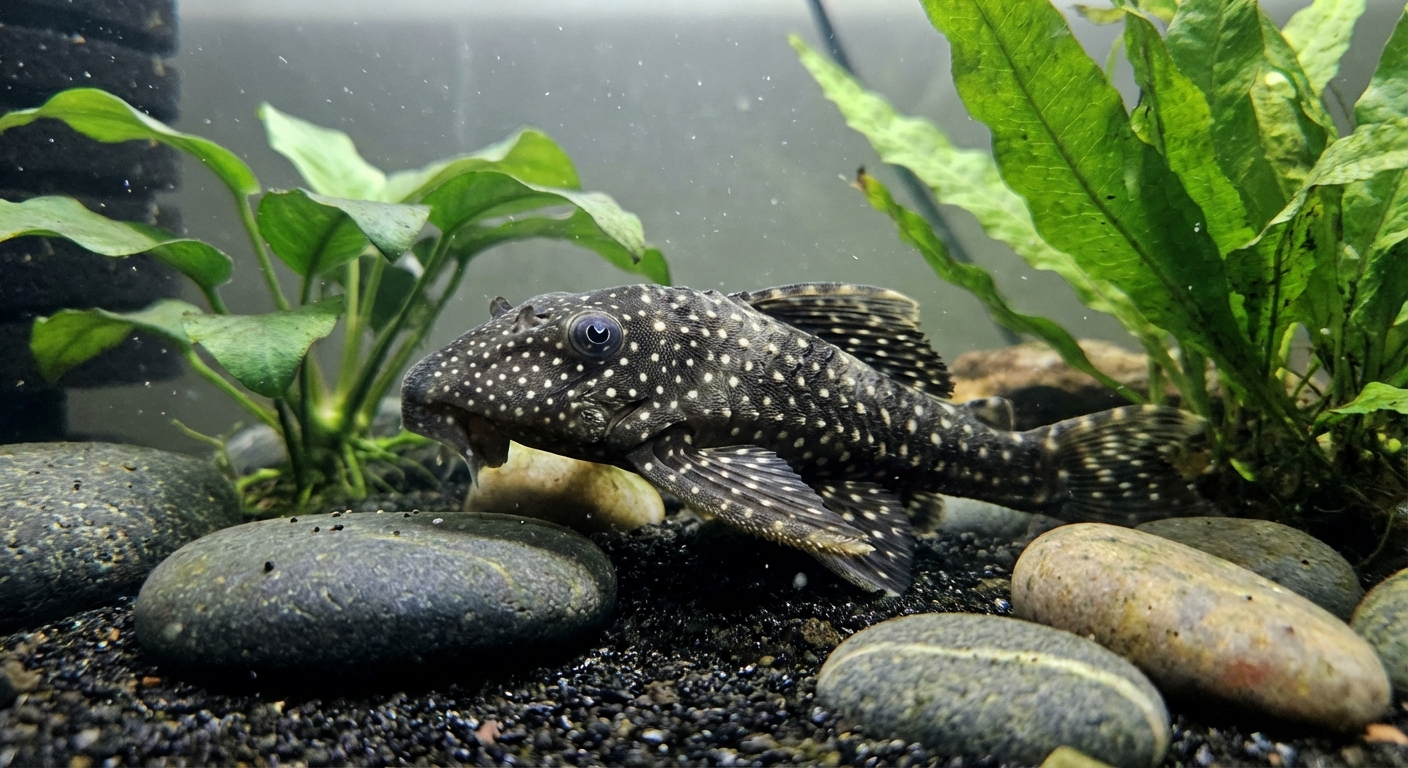
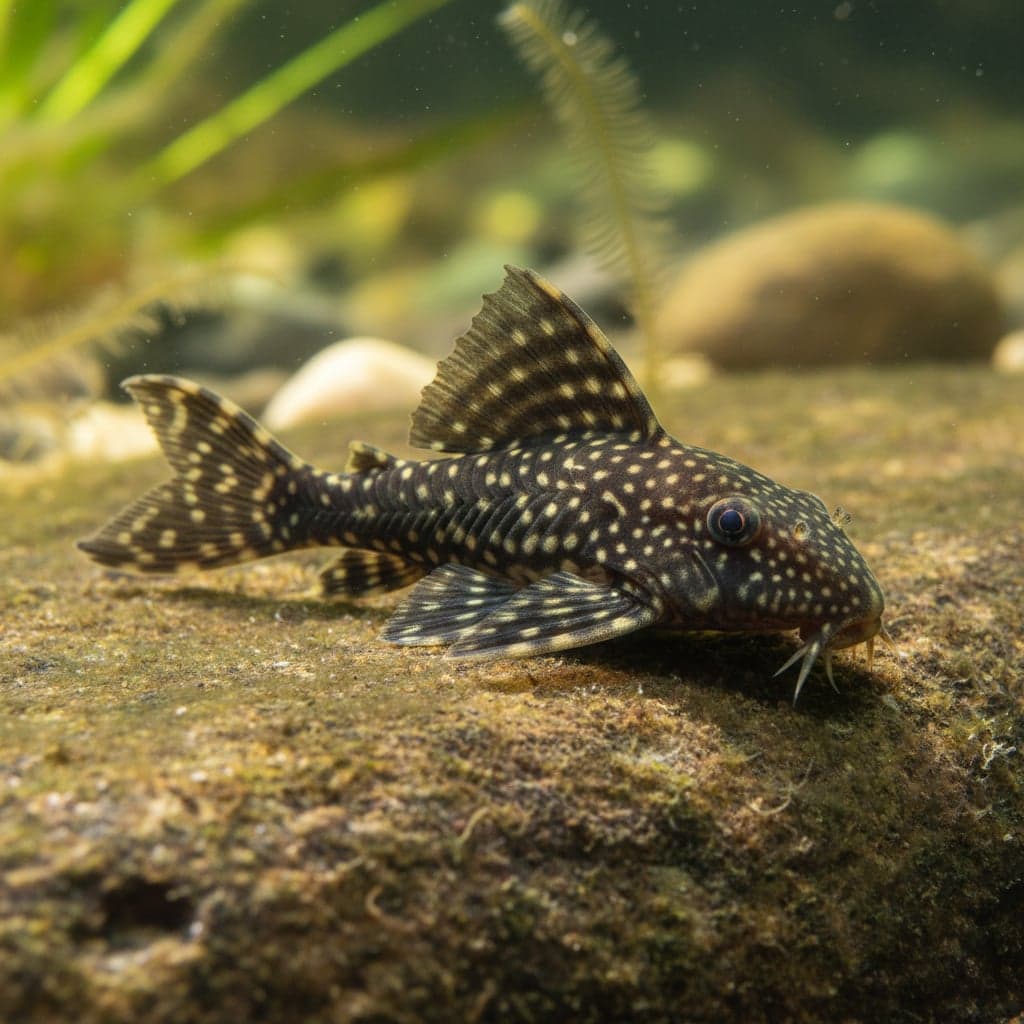
The Angelicus Plec, scientifically known as Hypancistrus sp., is a captivating and sought-after freshwater catfish that has become a staple in the aquarium hobby. Renowned for its striking coloration and unique patterning, this species typically showcases a dark body adorned with bright, contrasting spots. These vivid patterns create a mesmerizing visual effect that delights aquarists and enhances any tank setup. With its blend of elegance and charm, the Angelicus Plec not only serves as an aesthetic addition to aquariums but also plays a vital role in the ecosystem by helping to control algae growth.
Beyond its stunning appearance, the Angelicus Plec has significant importance in the aquarium industry due to its relatively peaceful temperament and adaptability to various tank environments. This fish is particularly notable for its ability to thrive in well-maintained aquariums, making it accessible to both novice and experienced aquarists. Its intriguing behavior and social interactions with other species further amplify its appeal, ensuring that the Angelicus Plec continues to capture the hearts of fish enthusiasts around the globe.
Natural Habitat & Origin
The Angelicus Plec is native to the rivers and streams of South America, specifically found in regions like the upper Amazon Basin, including parts of Peru and Brazil. In its natural habitat, this species prefers slow-moving waters rich in leaf litter and submerged wood, characteristic of blackwater environments. These waters typically exhibit low light penetration and high levels of dissolved organic matter, contributing to the fish's unique adaptation to such dark and nutrient-rich surroundings. The presence of these organic materials supports a diverse micro-ecosystem that is essential for the well-being of the Angelicus Plec and its fellow aquatic inhabitants.
Moreover, the warm, acidic conditions of its natural habitat are vital for the species' health. Blackwater habitats are known for their fluctuating pH levels and lower hardness, fostering a niche environment that the Angelicus Plec has evolved to thrive in. By recreating these conditions within the aquarium, hobbyists can promote a more natural and stress-free environment for this enchanting species.
Care Requirements
To ensure the health and happiness of the Angelicus Plec, maintaining proper water parameters is paramount. This fish thrives in a slightly acidic to neutral pH range of 6.0 to 7.5. The optimal temperature is between 75°F to 82°F (24°C to 28°C), and a water hardness of 2 to 12 dGH is recommended. Maintaining these parameters through regular water changes and a robust filtration system is essential for the overall well-being of the fish.
In terms of tank setup, a minimum tank size of 30 gallons is recommended to accommodate their active nature and territorial behaviors. The substrate should consist of fine sand or smooth gravel to prevent injury to their delicate bodies. In addition, incorporating plenty of hiding spots using driftwood, caves, and rock formations will create a secure environment where the Angelicus Plec can retreat and feel safe. Lighting should be subdued, mimicking their natural blackwater habitat, and live plants such as Anubias and Java Fern can enhance the aesthetic while providing additional cover.
Diet & Feeding
The Angelicus Plec is an omnivorous species that benefits from a varied diet to ensure optimal health and coloration. In captivity, they can be fed a combination of high-quality sinking pellets and flakes specifically formulated for catfish. Additionally, incorporating frozen or live foods such as bloodworms, brine shrimp, and vegetable-based treats will provide essential nutrients and enhance their color vibrancy. Wie preferences for flake and pellet foods can vary among individuals, so observing their feeding behavior is crucial to ensuring they receive a balanced diet.
It is essential to include plant matter in their diet, as their digestive systems are equipped to process fibrous material. Offering blanched vegetables like zucchini, cucumber, or spinach will also contribute to a well-rounded diet. Regularly varying their food sources will promote healthy growth and minimize the risk of nutrient deficiencies.
Behavior & Temperament
The Angelicus Plec is known for its calm and peaceful demeanor, making it a suitable addition to most community aquariums. While generally social, they do display some territorial behavior, particularly as they mature. These fish tend to be nocturnal and prefer to seek shelter during the day, becoming more active during the evening hours. It is important to provide ample hiding spots and territories to minimize potential disputes over space, especially in smaller tanks.
In terms of schooling habits, the Angelicus Plec does not form strict schools like some other fish species but can benefit from the company of fellow plecos. They are often seen resting on plants or substrate, using their suckermouth to graze on algae. Placing them in a tank with plenty of vertical space will encourage natural behaviors, as they enjoy climbing and exploring their environment.
Tank Mates
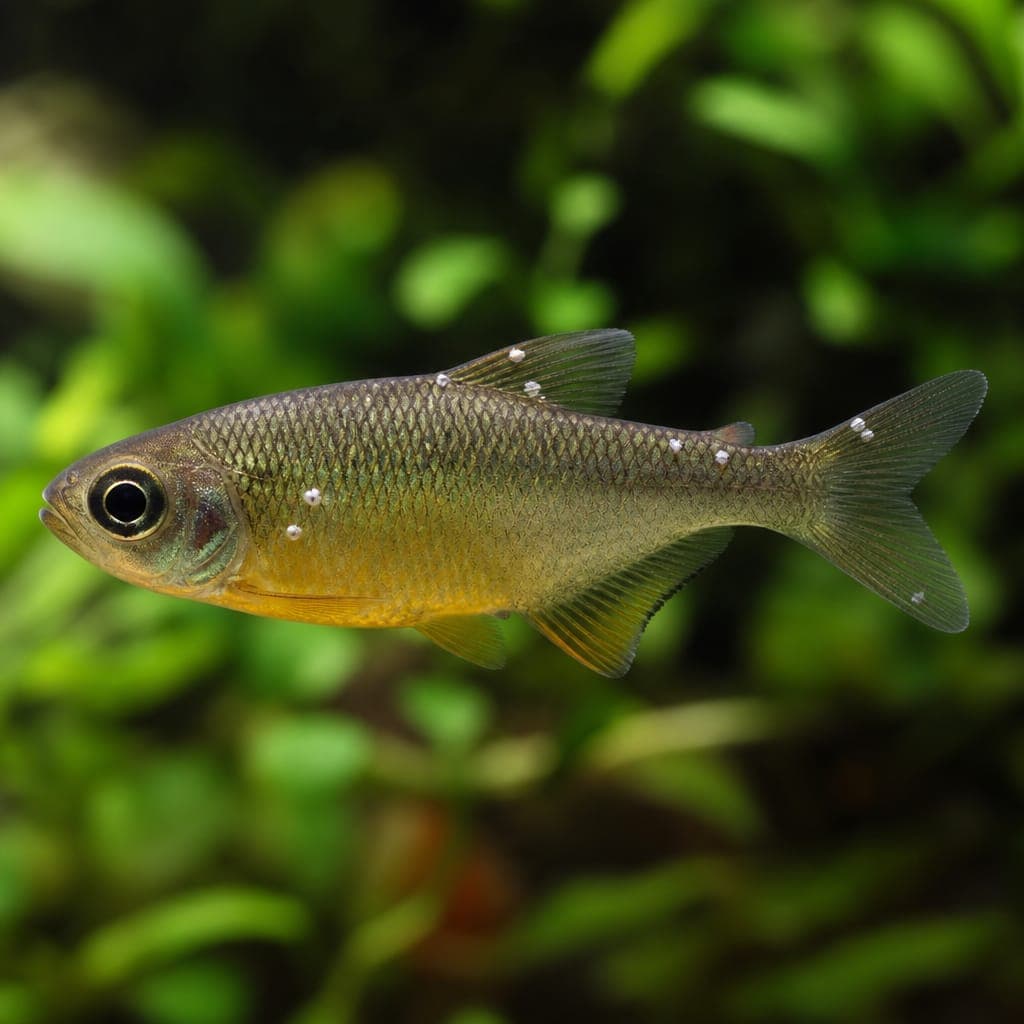
When selecting tank mates for the Angelicus Plec, it is crucial to choose peaceful species that share similar water condition requirements. Compatible tank mates include smaller cichlids, tetras, rasboras, and other non-aggressive bottom-dwellers. Species such as Corydoras catfish, Zebra Danios, and Guppies work well in harmony with the Angelicus Plec.
Conversely, avoid housing them with aggressive or overly territorial species, such as larger cichlids or fast-swimming fish that may outcompete them for food. Additionally, avoid pairing them with fin-nipping species that could stress the Angelicus Plec. A balanced community tank will promote long-term cohabitation and enhance the overall aquarium experience.
Breeding
Breeding the Angelicus Plec in captivity can be a rewarding challenge for dedicated aquarists. To encourage spawning, it is essential to create optimal conditions in the aquarium, which includes maintaining clean water and slightly lowering the temperature to around 75°F (24°C) during breeding. To trigger their breeding instincts, a well-maintained environment with plenty of caves and flat surfaces for laying eggs is necessary.
During the spawning process, males become increasingly territorial and protective of their chosen spawning site. The female will lay eggs, which the male will then fertilize and guard. After fertilization, the eggs typically hatch within 4 to 7 days, depending on water temperature. It's advisable to separate the fry from adult fish to ensure their safety and increase their chances of survival. Feeding them finely crushed flakes and infusoria will support their early development.
Common Health Issues
Like all aquarium fish, the Angelicus Plec can be susceptible to certain health issues. Common diseases that may affect this species include ich (Ichthyophthirius multifiliis), fin rot, and bacterial infections. Maintaining high water quality through regular testing and water changes is vital for preventing the onset of these diseases.
To further prevent health issues, ensure the tank is appropriately maintained with good filtration and avoid overcrowding. Additionally, monitoring their diet and providing a balanced feeding routine will bolster their immune system, making them less prone to infections. If any signs of illness are observed, prompt treatment with the appropriate medications is advisable to maintain the overall health of the aquarium.