Antenna Plec: Pterosturisoma microps
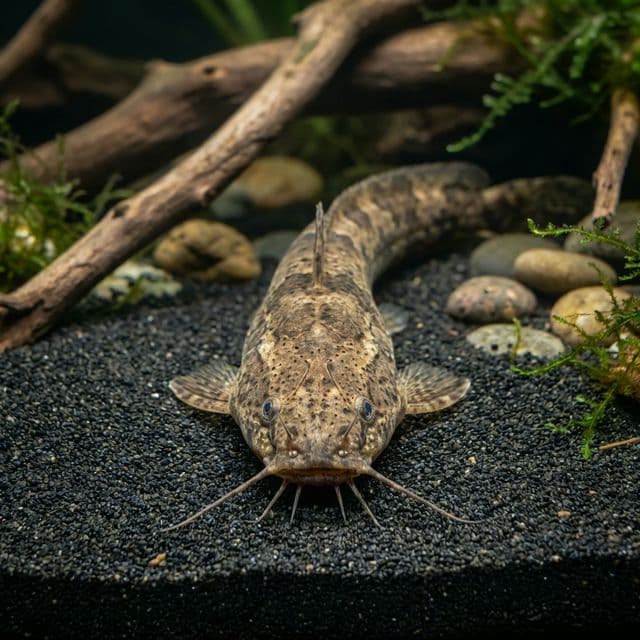
A specialized whiptail catfish with extremely long fin filaments resembling antennae.

Antenna Plec
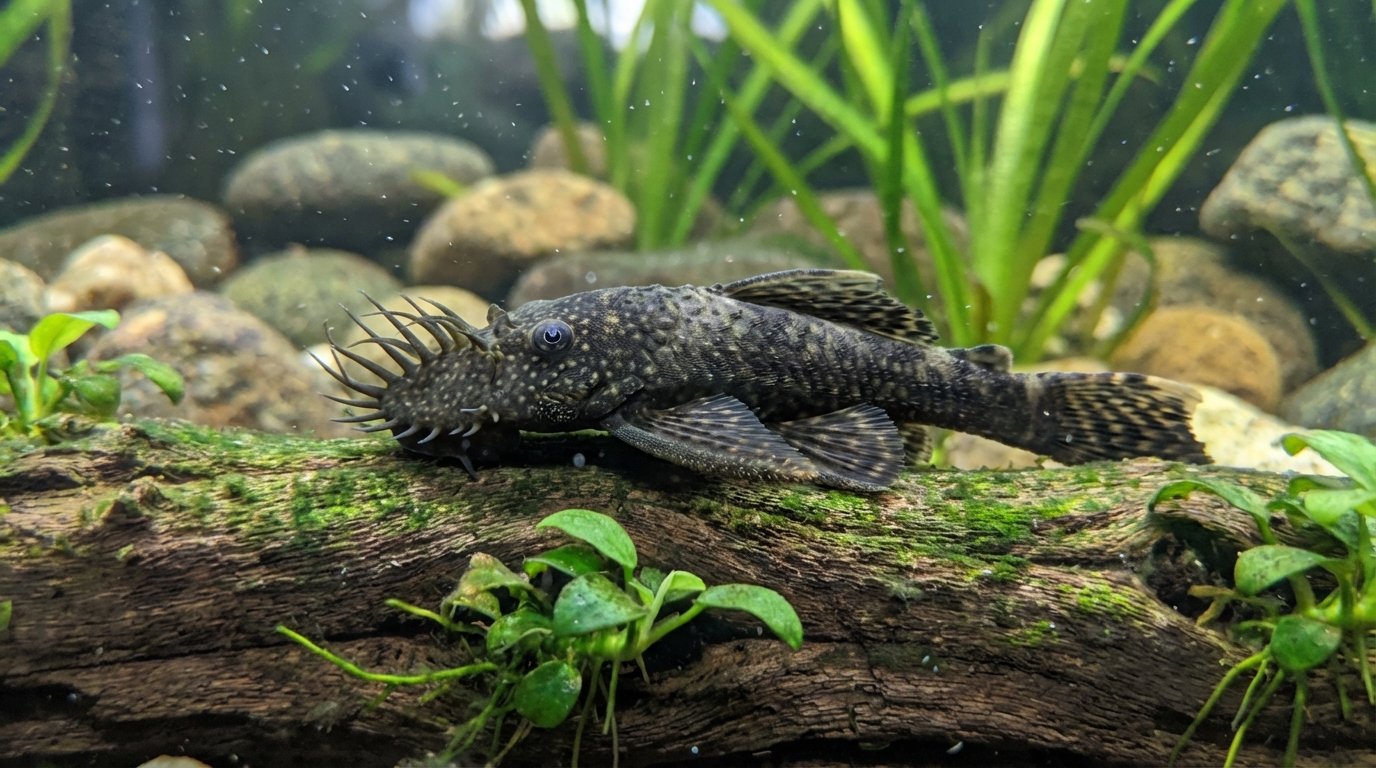
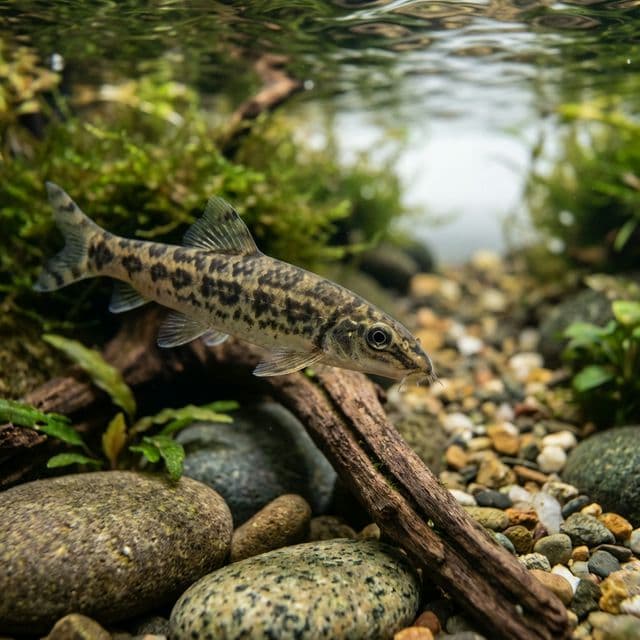
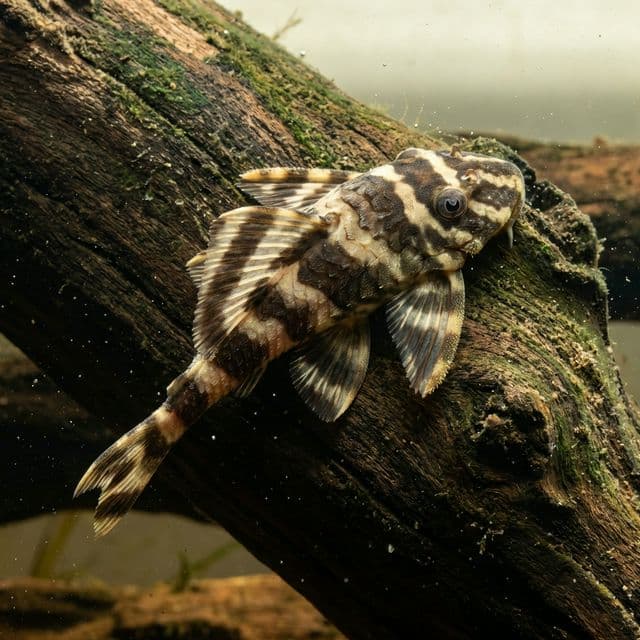
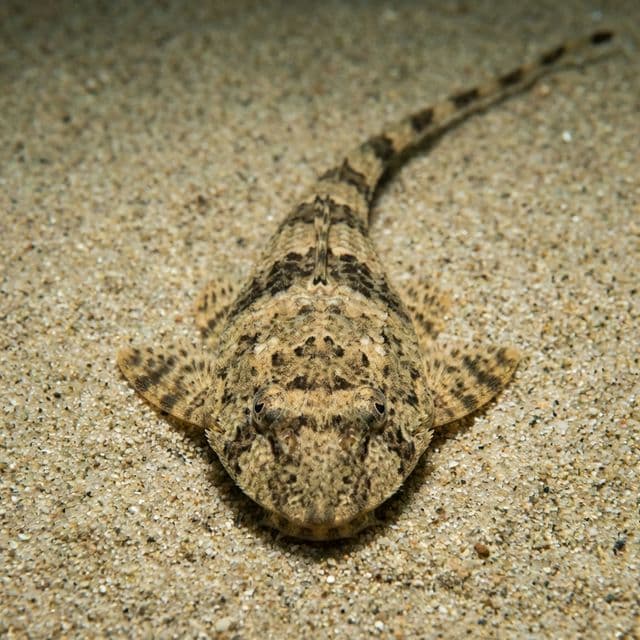
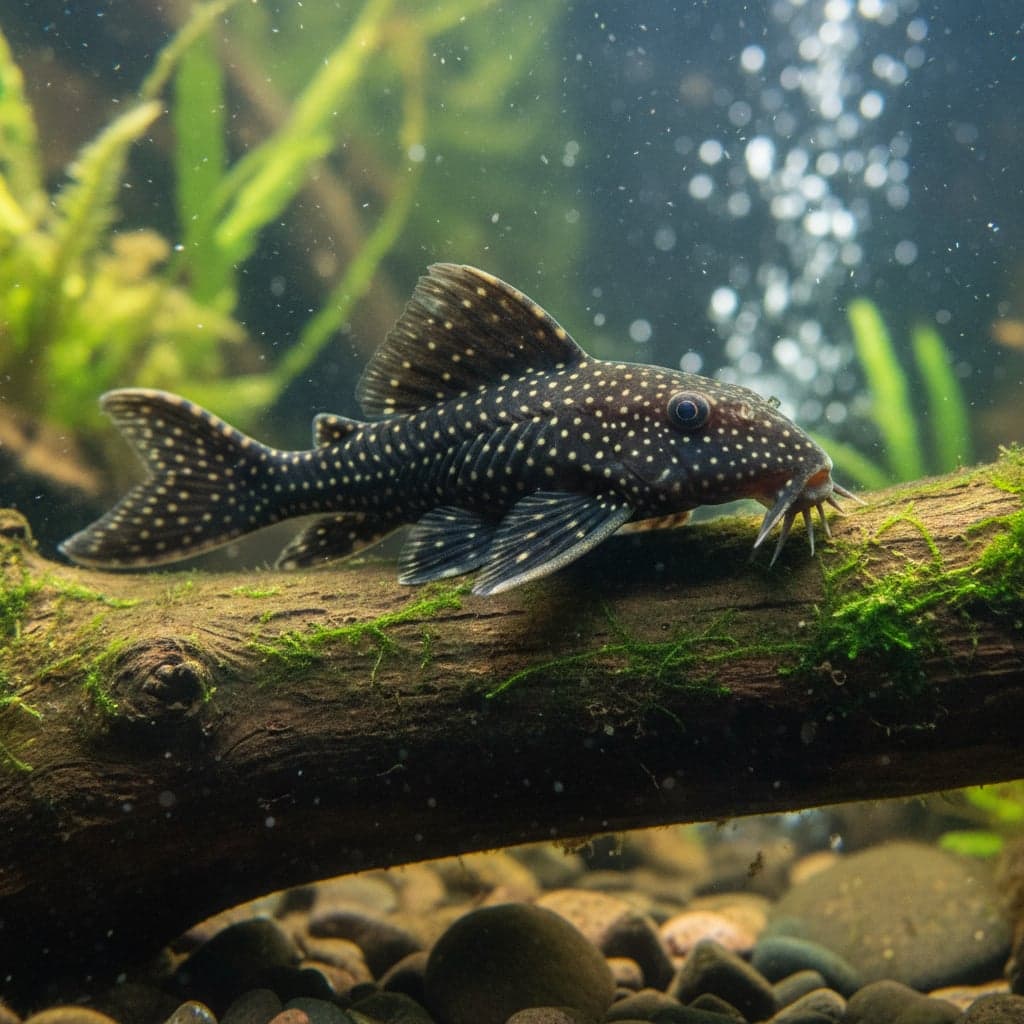
The Antenna Plec, scientifically known as Pterosturisoma microps, is a fascinating freshwater fish that captivates aquarists with its striking appearance and unique behavior. This species is renowned for its elongated body, adorned with intricate patterns, and the presence of prominent antennae-like whiskers that emanate from its head. These distinctive features not only elevate its visual appeal but also serve an essential purpose in navigating its natural environment. The Antenna Plec is often sought after in the aquarium hobby for its captivating look and the ecological role it plays within its habitat.
Originating from the waters of South America, specifically the Amazon River Basin, the Antenna Plec has gained popularity amongst aquarists due to its relatively calm demeanor and algae-eating habits. This fish adds both beauty and utility to community tanks, as it helps maintain the aquatic environment by consuming excess algae. In addition to its practical benefits, the Antenna Plec serves as a symbol of the diverse aquatic life found in freshwater ecosystems, promoting the importance of conservation and responsible fishkeeping practices among enthusiasts.
Natural Habitat & Origin
The Antenna Plec is native to the Amazon River Basin, which comprises a varied and complex ecosystem characterized by its blackwater and clearwater streams. These habitats create a rich tapestry of submerged structures, dense vegetation, and an abundance of organic matter that supports diverse aquatic life. The water conditions in this region generally present a low pH (around 5.5 to 7.0), with moderate hardness and warm temperatures between 24°C to 28°C (75°F to 82°F). As a species adapted to the tropical wilderness, the Antenna Plec thrives in environments enriched with leaf litter and driftwood, which provide shelter and mimic their natural surroundings.
In the wild, the Antenna Plec typically resides in slower-moving waters where it can forage for food amongst the substrate and vegetation. The rich biodiversity of the Amazon also contributes significantly to the Antenna Plec's significance as a vital species within its ecosystem, indicating the overall health of aquatic environments. Understanding its natural habitat allows aquarists to recreate a conducive living space in home aquariums, ensuring the fish remains vibrant and healthy.
Care Requirements
To successfully care for the Antenna Plec, it is essential to replicate the water conditions found in its native habitat. Ideal water parameters include a pH level of 6.5 to 7.5, a temperature range from 24°C to 28°C (75°F to 82°F), and a hardness of 5 to 15 dGH. A minimum tank size of 100 liters (around 26 gallons) is recommended, as this fish can reach sizes of up to 20 centimeters (8 inches) and benefits from ample swimming space.
For tank setup, a soft substrate such as sand or fine gravel is optimal, allowing the Antenna Plec to sift through the bottom for food. Incorporating driftwood and caves will not only provide hiding spots but also encourage natural behavior as the fish rubs against surfaces to maintain skin health. Lighting should mimic that of a dimly lit environment, using either subdued LED fixtures or floating plants to create shaded areas. Plant species like Anubias and Java ferns can add aesthetic value while contributing to water quality, creating a balanced ecosystem.
Diet & Feeding
The Antenna Plec is an omnivorous species with a varied diet that consists of both plant-based and protein-rich foods. In aquariums, they will happily consume high-quality algae wafers, sinking pellets, and blanched vegetables like zucchini or cucumber. It is beneficial to introduce a mix of frozen or live foods such as bloodworms or brine shrimp to provide essential nutrients. A balanced diet will promote optimal health and encourage natural foraging behaviors.
When feeding, it is essential to avoid overfeeding, as Antenna Plecs can quickly become bloated. Instead, provide small amounts of food several times a week, ensuring that excess food is promptly removed to maintain water quality. This approach will sustain not only the health of the fish but also the cleanliness of the aquarium environment.
Behavior & Temperament
The Antenna Plec exhibits a generally peaceful temperament, making it suitable for community tanks. These fish tend to be semi-social, preferring to remain solitary or in small groups rather than large schools. They often occupy the lower regions of the tank, utilizing their adept climbing abilities to explore various surfaces, including decor and plants. While they can display territorial behavior, especially during feeding or when nesting, aggression levels are relatively low compared to other species.
Positioned primarily towards the bottom of the aquarium, the Antenna Plec forages throughout the substrate and surfaces, showcasing its exploratory nature. It is crucial to ensure adequate hiding spots and territories to help minimize potential territorial disputes. By offering ample space and structure, aquarists can create an environment where these plecos feel secure while also promoting a dynamic and engaging display.
Tank Mates
When selecting tank mates for the Antenna Plec, it is essential to choose compatible species that inhabit similar water conditions and have a peaceful demeanor. Ideal companions include smaller, community-friendly fish such as Tetras, Rasboras, Corydoras, and Gouramis. Additionally, certain species of dwarf cichlids can coexist harmoniously with the Antenna Plec, provided there is enough space and hiding spots.
Conversely, it is advisable to avoid aggressive or overly territorial fish, such as large Cichlids, Barbs, or aggressive Catfish species, as they may stress or harm the Antenna Plec. By carefully curating tank mates, aquarists can establish an environment that encourages harmony and well-being among all species involved.
Breeding
Breeding the Antenna Plec in captivity presents a challenge, as successful spawning typically requires specific conditions. They tend to be cave-spawners, so providing suitable hiding spots, such as small caves or flowerpots, is essential for breeding behavior. Optimal conditions for breeding include slightly acidic water with a pH of around 6.0 to 6.5 and stable temperatures between 26°C to 28°C (78°F to 82°F).
During the breeding process, the female will lay eggs in the caves, while the male assumes responsibility for guarding and aerating the eggs. After several days, the fry will hatch, and it is crucial to provide suitable food for the young, such as finely crushed flakes or specialized fry food. Creating an appropriate environment and observing their behavior closely can increase the chances of successful breeding in captivity.
Common Health Issues
While the Antenna Plec is generally hardy, it is prone to several common health issues that every aquarist should be vigilant about. The most frequent problems include ich, fin rot, and skin diseases, often stemming from poor water conditions or stress. Regular water tests, along with maintenance, will help prevent these issues from arising.
Preventative measures include maintaining stable water parameters and a clean environment. Additionally, providing a varied and balanced diet will boost the fish’s immune system, making it less susceptible to disease. Ensuring proper tankmates and minimizing stress through thoughtful aquarium design will also contribute to the overall health of the Antenna Plec.