Asian Leaf Fish: Nandus nandus
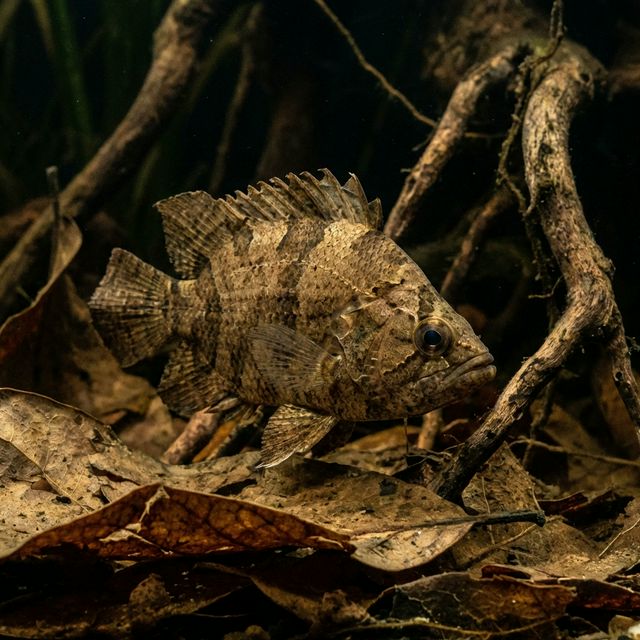
A master of camouflage resembling a dead leaf. An ambush predator.
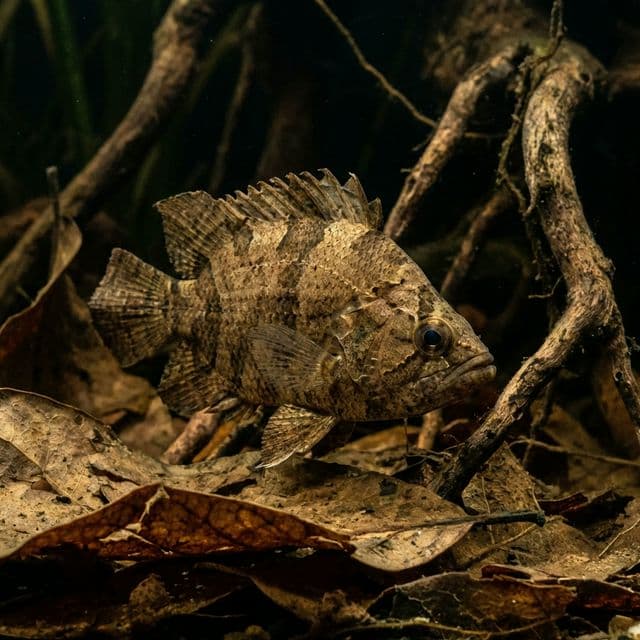
Asian Leaf Fish
The Asian Leaf Fish, scientifically known as Nandus nandus, is a unique and captivating species that has garnered significant attention in the aquarium hobby due to its stunning physical appearance and interesting behaviors. Native to the freshwater systems of Southeast Asia, particularly in regions like India, Bangladesh, and Myanmar, this fish is characterized by its flattened, leaf-like body that allows it to blend seamlessly into its natural environment. The intricate patterns and colors of the Asian Leaf Fish vary depending on the individual, but typically display shades of brown and green, mimicking the look of submerged leaves and detritus, which enhances its attractiveness for aquarists seeking to create a more naturalistic aquascape.
In addition to its visual appeal, the Asian Leaf Fish holds ecological significance in its native waters. As a predator of smaller fish and invertebrates, it plays a crucial role in maintaining the balance of its ecosystem. The Asian Leaf Fish has also intrigued aquarists due to its unique feeding habits and behavior, which can be both enthralling and challenging to observe. Its growing popularity reflects an increasing demand for exotic, aesthetically pleasing fish that provide dynamic interactions within the aquarium setting, making it a sought-after choice for both novice and experienced aquarists alike.
Natural Habitat & Origin
The natural habitat of the Asian Leaf Fish predominantly encompasses the slow-moving rivers, ponds, and floodplains of Southeast Asia. These environments are often characterized by blackwater conditions, where the water is stained brown due to decomposing organic materials like leaves and plant matter. The pH levels in these waters typically range from slightly acidic to neutral (around 6.0-7.5), with temperatures ranging between 24°C and 30°C (75°F to 86°F). Such conditions facilitate the growth of dense vegetation, which is essential for providing cover and breeding grounds for the Asian Leaf Fish as well as its prey items.
In their natural habitats, the Asian Leaf Fish finds refuge in shaded areas among submerged logs, aquatic plants, and leaf litter. This adaptation not only aids in camouflage from potential predators but also makes hunting easier, allowing for a stealthy approach to capture prey. Understanding these environmental parameters is crucial for aquarists seeking to replicate a suitable and thriving habitat for their Asian Leaf Fish in captivity.
Care Requirements
To successfully care for the Asian Leaf Fish, it is essential to create a suitable aquatic environment that mirrors its natural habitat. The minimum tank size for an individual fish should be at least 75 gallons, allowing for ample swimming space, as these fish can become stressed in cramped conditions. The water parameters should be carefully monitored, aiming for a pH range of 6.0 to 7.5, temperature between 24°C to 30°C (75°F to 86°F), and a hardness level of 4 to 10 dGH.
In terms of tank setup, a soft substrate, such as fine sand or peat, is recommended to mimic the leaf litter of their natural environment. Additionally, including dense vegetation with a mix of floating and rooted plants will not only provide the fish with the necessary cover and security but also enhance visual appeal. Low to moderate lighting is optimal, alongside the incorporation of driftwood or rocks, which can facilitate hiding spots and create a more naturalistic setting. Regular water changes and high-quality filtration are also essential to maintain a clean and stable environment.
Diet & Feeding
The Asian Leaf Fish is primarily carnivorous but exhibits omnivorous tendencies, allowing it to accept various types of food in captivity. In the wild, their diet typically consists of smaller fish, insects, and crustaceans, so replicating this diet in the aquarium setting is critical for their overall health. High-quality flakes and pellets specifically designed for carnivorous fish can form the foundational diet, but it is essential to complement this with live or frozen foods, such as brine shrimp, bloodworms, and daphnia, to ensure a balanced nutritional intake.
Feeding should occur once or twice a day, with care taken to avoid overfeeding, which can lead to water quality issues. Observing the fish during feeding times can also provide insights into their health and feeding habits. Varied diets will not only ensure optimal nutrition but also stimulate natural hunting behaviors, contributing to the overall well-being of the Asian Leaf Fish.
Behavior & Temperament
The Asian Leaf Fish is known for its unique behavioral traits, marked by a degree of shyness and a preference for solitude, especially when first introduced to a new environment. They are generally peaceful but can exhibit territorial behavior, particularly toward other fish of similar shape and size. This species does not form schools like many other fish; instead, they thrive better when kept singly or in pairs.
In terms of tank placement, the Asian Leaf Fish tends to occupy the mid to lower levels of the aquarium and often seeks refuge near plants and hiding spots. Observing their temperament can reveal individual personalities, with some fish displaying more boldness than others, especially when acclimated to their surroundings. Providing ample cover will promote a sense of security, allowing for natural behaviors to emerge.
Tank Mates
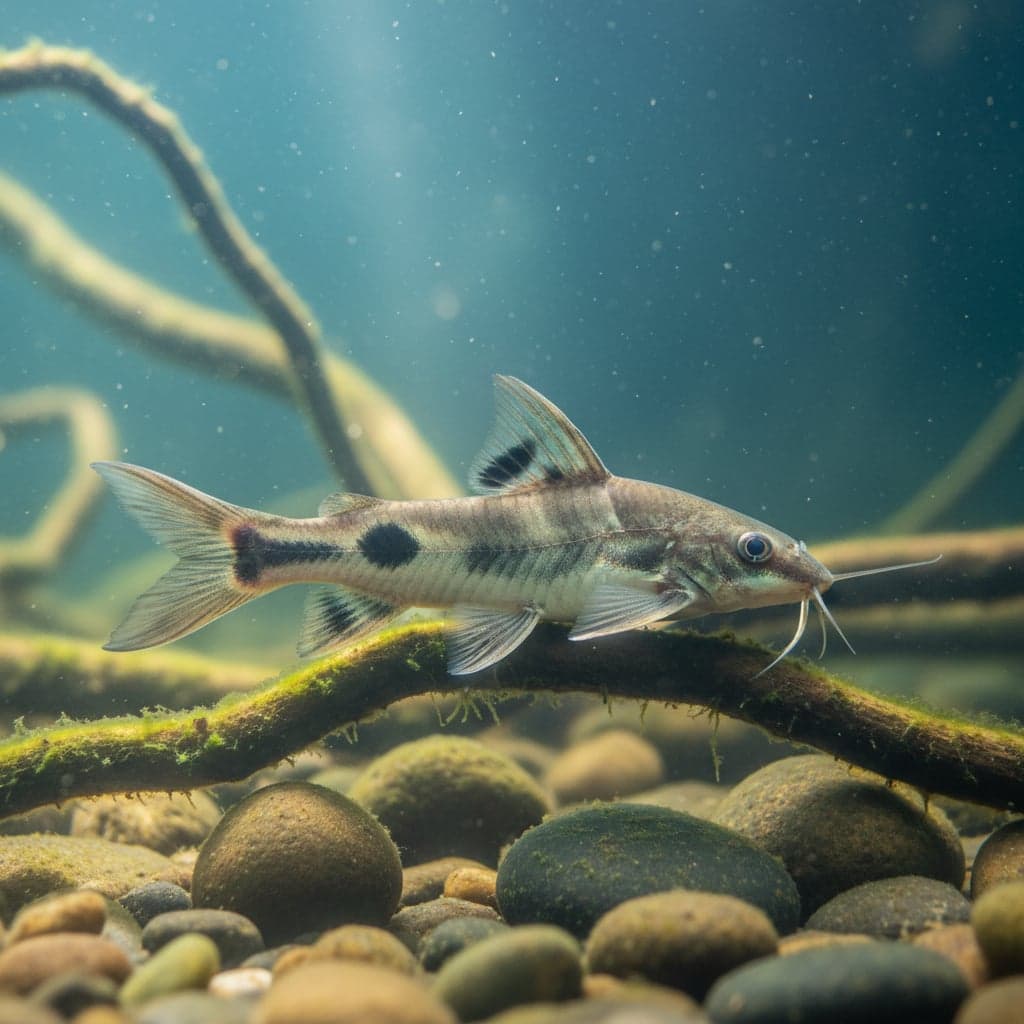
When selecting tank mates for the Asian Leaf Fish, it is essential to choose species that share similar care requirements and behavior to minimize stress and aggression. Compatible tank mates include larger community fish such as the Rainbowfish, larger Tetras, and peaceful Cichlids that won’t pose a threat. Small to mid-sized catfish, like Corydoras and Otocinclus, also coexist well alongside the Asian Leaf Fish.
Conversely, it is advisable to avoid aggressive or overly boisterous species, such as many typical barbs or aggressive Cichlids, as these may provoke stress or territorial disputes. Additionally, smaller fish that could easily be viewed as prey should be avoided, as the Asian Leaf Fish does have predatory instincts. A well-balanced environment with the right tank mates can enhance the tranquility of the aquarium and promote a rewarding viewing experience.
Breeding
Breeding the Asian Leaf Fish in captivity can be an exciting endeavor, though it requires specific conditions to be successful. This species is mouthbrooding, meaning that after spawning, the male will typically incubate fertilized eggs within its mouth until they hatch. To encourage breeding, a breeding pair should be selected and introduced into a spacious tank equipped with fine-leafed plants or spawning mops, where the female can lay her eggs.
The optimal conditions for breeding include slightly warmer water temperatures (28°C to 30°C or 82°F to 86°F), soft to slightly acidic water, and excellent water quality she can depend on. After spawning, the male will collect the fertilized eggs into its mouth; thus, separating him from other tank mates is critical to prevent disturbance. Once the fry are free-swimming, they can be fed infusoria and finely crushed flakes until they grow large enough to consume larger food items.
Common Health Issues
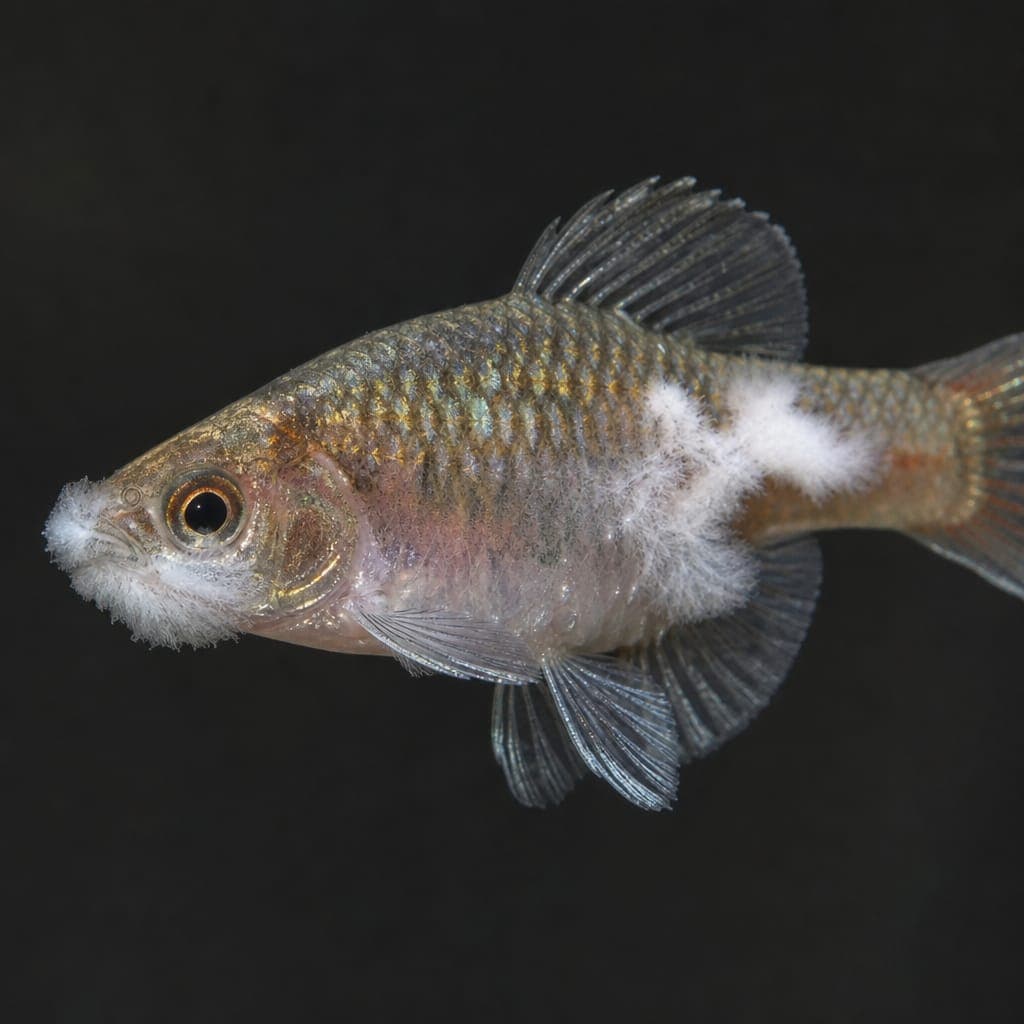
The Asian Leaf Fish, while generally hardy, can be susceptible to several common health issues, including ich, fin rot, and fungal infections. Maintaining optimal water quality through regular water changes and proper filtration is crucial in preventing the onset of these diseases. Additionally, stress from overcrowding, poor water parameters, or abrupt changes in tank conditions may contribute to health problems, making adequate tank conditions essential.
Preventative measures such as monitoring water temperature, pH, and ammonia levels, plus consistent water changes and quarantining new arrivals, help keep disease at bay. A varied diet and low-stress surroundings further support immunity. Watch for white spots, frayed fins, lethargy, or loss of appetite, and treat promptly with aquarium-safe medications. With stable parameters, a secure lid, and attentive care, Asian Leaf Fish remain healthy, camouflaged predators that thrive for years in a well-maintained planted aquarium.