Asian Sun Catfish: Horabagrus brachysoma
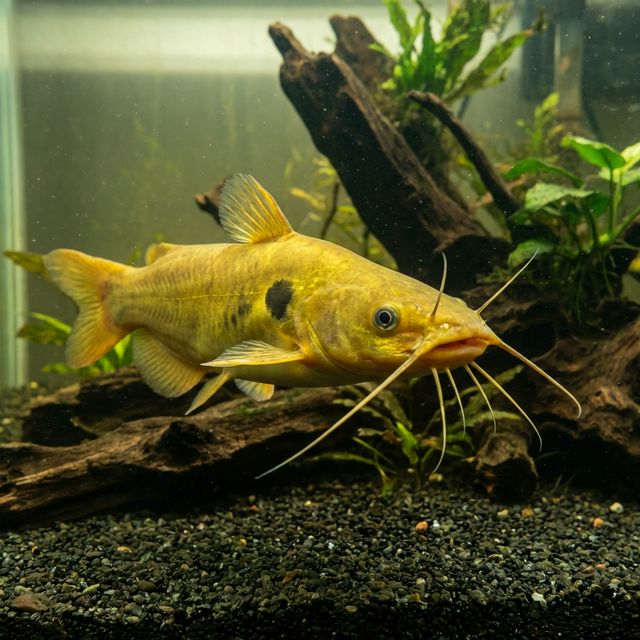
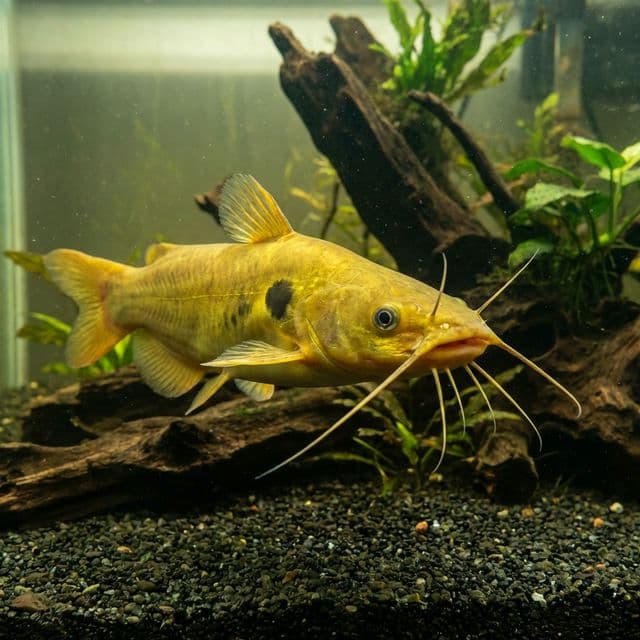
A large, peaceful golden catfish with a large black spot behind the gill. Great for monster fish communities.
Asian Sun Catfish
The Asian Sun Catfish (Horabagrus brachysoma) is an intriguing and visually captivating fish known for its stunning coloration and unique features. Displaying an array of iridescent shades ranging from golden yellow to dark brown, the Sun Catfish exhibits a radiant glow under well-lit aquarium conditions, often captivating the attention of aquarists and enthusiasts alike. Its elongated body shape, paired with a distinctive "sunny" coloration, makes it a standout choice for both beginner and seasoned aquarists. In addition to its aesthetic appeal, the Asian Sun Catfish plays a significant role in the aquarium hobby, serving as a hardy and adaptable species suitable for various freshwater setups.
This species is not only appreciated for its beauty but also for its fascinating behavioral traits. As nocturnal creatures, Asian Sun Catfish are most active during the night, showcasing an array of interesting hunting and exploring behaviors. They are known to scavenger and forage, which adds a dynamic element to the aquarium environment. Their unique characteristics and resilience contribute to their popularity in the aquarium trade, emphasizing their significance as both a decorative and interactive addition to aquariums.
Natural Habitat & Origin
The Asian Sun Catfish is native to the rivers and wetlands of Southeast Asia, particularly in regions of India, Bangladesh, and Myanmar. Preferring slow-moving streams and shallow rivers, this species thrives in soft, warm, and slightly acidic waters. The natural habitat is characterized by dense vegetation and a substrate of fine sand or mud, which provides both shelter and foraging opportunities. Blackwater environments, rich in decomposing organic matter, are particularly beneficial for these fish, as such conditions enhance their natural behaviors and reduce stress levels.
In their natural settings, Asian Sun Catfish often exhibit a preference for areas with ample hiding spots and substratum that allows for burrowing. The presence of leaf litter and driftwood not only influences their foraging habits but also supports biofilm growth, a favored food source. Understanding their natural habitat is essential for creating a suitable aquarium environment that mimics the conditions they thrive in, ensuring optimal health and longevity in captivity.
Care Requirements
To successfully care for Asian Sun Catfish, it's essential to replicate their natural habitat as closely as possible. Ideal water parameters include a pH of 6.0 to 7.5, a temperature range of 24 to 28°C (75 to 82°F), and soft to moderately hard water (1-15 dGH). A minimum tank size of 100 gallons is recommended to provide enough space for this fish to swim freely and exhibit natural behaviors. Creating a well-structured environment is essential; using a substrate like fine sand or smooth gravel is ideal to avoid damaging their sensitive barbels.
Lighting plays a crucial role as well; moderate lighting mimics their natural twilight conditions. Incorporating plenty of live plants, driftwood, and rocks for cover will not only create appealing visuals but also provide necessary hiding spots for the fish. Regular water changes and maintenance are vital to keep the environment clean, maintain water quality, and ensure the well-being of the Asian Sun Catfish.
Diet & Feeding
The Asian Sun Catfish is an omnivorous species that thrives on a varied diet. In captivity, they enjoy a mix of high-quality flakes, sinking pellets, and frozen or live foods such as bloodworms, brine shrimp, and daphnia. Offering a diverse range of foods will mimic their natural foraging behavior, ensuring they receive the necessary nutrients for optimal health. It's beneficial to feed them several small meals throughout the day rather than one large meal to prevent overfeeding and maintain water quality.
While they readily accept commercial foods, adding fresh vegetables such as blanched zucchini, spinach, and peas can diversify their diet further and encourage healthy digestion. Regularly varying the diet can prevent boredom and promote natural behaviors, contributing to their overall well-being.
Behavior & Temperament
The Asian Sun Catfish is known for its generally peaceful demeanor, but it is important to note their specific social behaviors. These fish are predominantly nocturnal; they become active during the twilight hours, exploring their environment and foraging for food. Although not highly aggressive, they can occasionally exhibit territorial behavior, especially during breeding periods or when feeling threatened. This species does best when kept in small groups, allowing for social interaction while also reducing the likelihood of aggression.
In terms of vertical placement within the tank, the Asian Sun Catfish often occupies the bottom level, where it seeks shelter among rocks and plants. While they are more solitary by nature, they may also engage with upper and middle-level tank mates as they search for food, making a well-structured tank vital for their comfort and security.
Tank Mates
Choosing the right tank mates for the Asian Sun Catfish is crucial to maintaining a harmonious community tank. Compatible species include larger, peaceful individuals such as Silver Dollars, Rainbowfish, and certain species of Catfish that share similar environmental requirements. Additionally, tropical cichlids that are not overly aggressive may coexist well with this species, as long as ample space and hiding spots are provided.
However, it is important to avoid smaller or more aggressive fish that may perceive the Asian Sun Catfish as food or threaten it with excessive aggression. Species such as smaller tetras, guppies, or angelfish should be avoided due to the potential for stress or harm. The key is to establish a balanced community that respects the Danios' needs and temperament.
Breeding
Breeding Asian Sun Catfish is a challenge even for experienced aquarists, primarily due to the specific conditions required for successful spawning. These fish tend to be egg layers, typically spawning during the rainy season in their native habitat. To encourage breeding in captivity, it is essential to create conditions resembling their natural environment, including slightly cooler water temperatures (around 23°C or 73°F) and rain-like water changes to simulate the seasonal influences.
When ready to spawn, the female Asian Sun Catfish will deposit eggs in sheltered areas, ideally among plants or within caves. After fertilization, the male will guard the eggs until they hatch, which usually occurs within 48 hours. Providing a separate breeding tank with optimal conditions can increase the chances of successful spawning and fry survival, ensuring a more productive breeding experience.
Common Health Issues
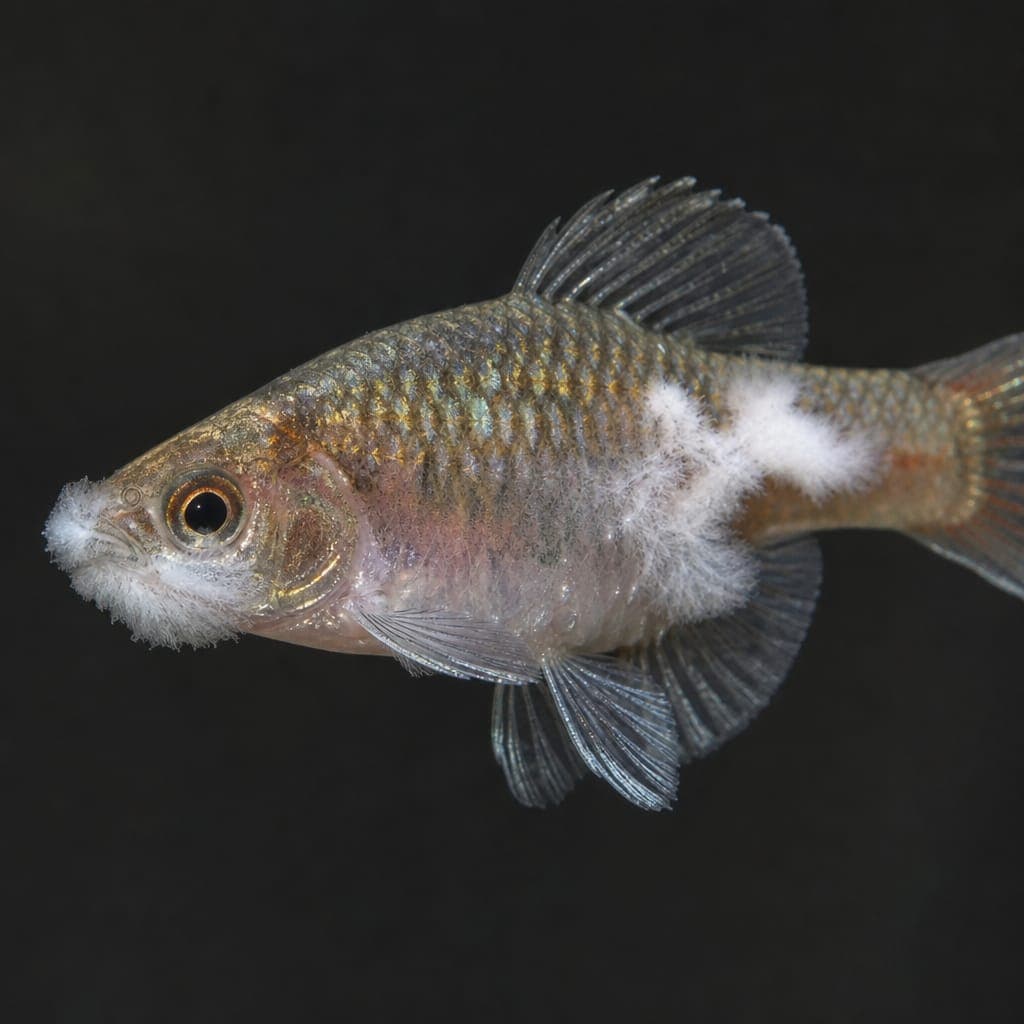
The Asian Sun Catfish is generally hardy but may be prone to specific health issues typical of freshwater fish. Common ailments include ich, fin rot, and other bacterial or fungal infections, particularly if water quality is not adequately maintained. To help prevent such diseases, ensure regular water changes, monitor water parameters diligently, and maintain a clean tank environment.
Quarantine new arrivals before introducing them to the main tank to prevent any potential health issues from spreading. Additionally, providing a balanced diet rich in nutrients supports their overall health, reinforcing their immune system and reducing the likelihood of illness. If signs of disease do appear, it is best to act quickly by isolating affected fish and treating promptly with appropriate medications as required.