Aspidoras C125: Aspidoras spilotus
A close relative of the Corydoras, this smaller catfish is active and great for nano tanks.
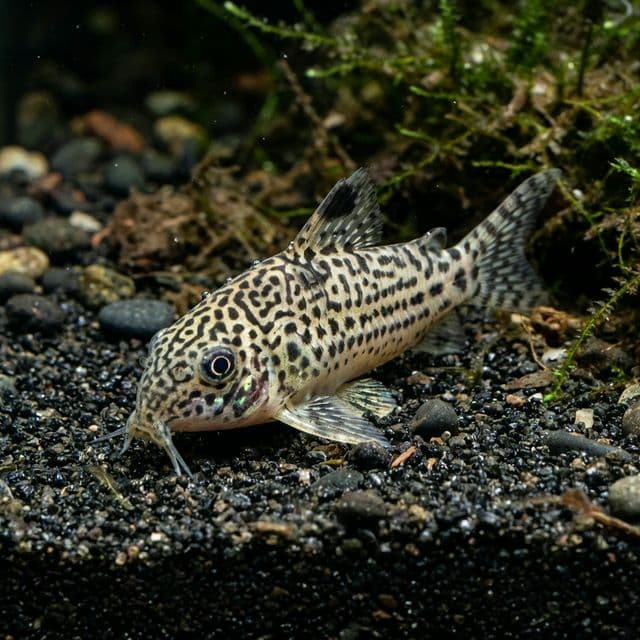
Aspidoras C125
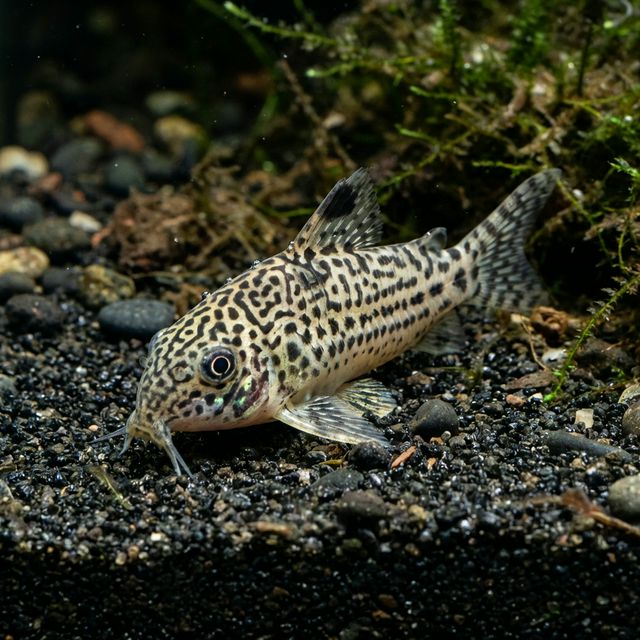
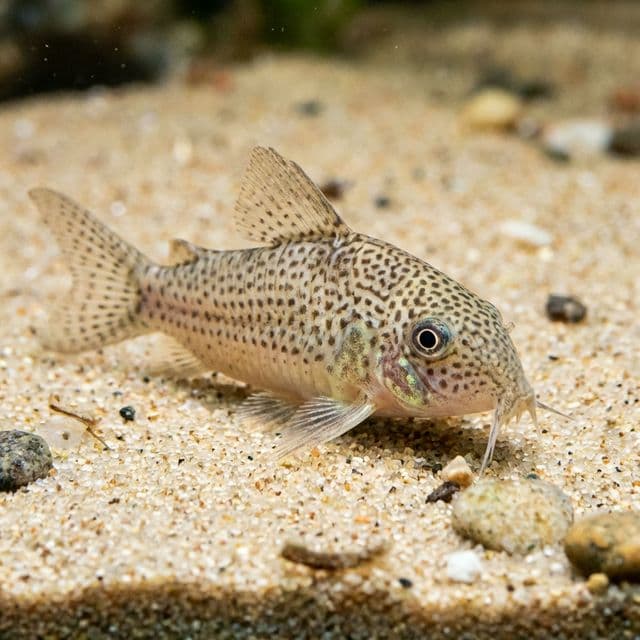
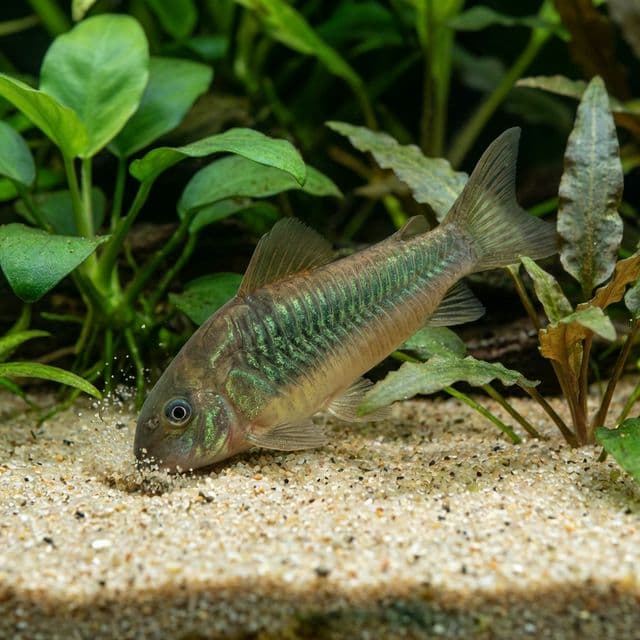
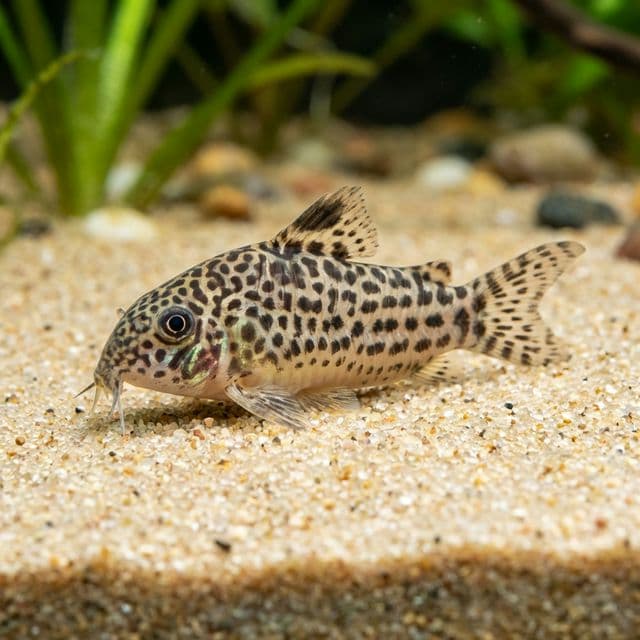
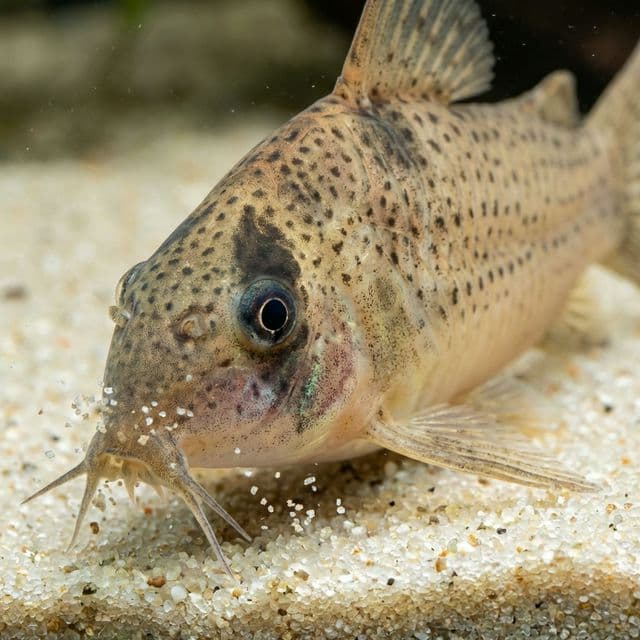
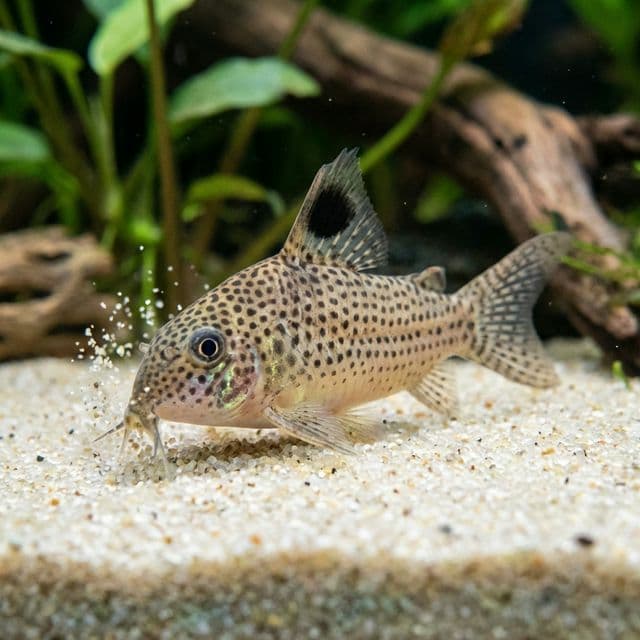
The Aspidoras C125, also known as Aspidoras spilotus, is a captivating species of catfish that falls under the family Callichthyidae. Resembling its cousins, the more commonly known Corydoras, Aspidoras C125 distinguishes itself with a striking appearance characterized by its mottled coloration. The fish features a combination of dark spots and small splotches across a light golden-brown body, making it visually appealing and an attractive addition to community tanks. It typically measures around 2 to 3 inches in length, allowing it to thrive comfortably in smaller aquaria while still making a substantial visual impact.
Originating from the intricate waterways of South America, the Aspidoras C125 has become a popular choice in the aquarium hobby due to its peaceful nature and relatively easy care requirements. This species not only enriches the aesthetic appeal of a tank but also plays a significant role in promoting a balanced aquarium ecosystem, as it contributes to algae control and substrate cleaning. Enthusiasts appreciate its engaging behavior, often observed foraging on the tank bottom, which adds dynamic movement to the underwater landscape.
Natural Habitat & Origin
The Aspidoras C125 hails from the lush, biodiverse regions of Brazil, particularly in the state of Amazonas, where it inhabits slow-moving rivers and streams. These waterways are typically characterized by warm, soft, and acidic water—conditions that reflect a blackwater habitat replete with leaf litter and submerged vegetation. The natural environment exposes them to a variety of organic materials, including decaying plants, which serve as a critical source of sustenance in their diet. This habitat is essential to understand as it allows hobbyists to replicate similar conditions in captivity for optimal health and behavior.
In the wild, Aspidoras C125 thrives alongside other species that share these specific environmental conditions. They prefer areas rich in cover and soft substrates, which provide not only safety from predators but also ideal foraging grounds. Maintaining parameters close to these natural waters is vital for their well-being in an aquarium setting.
Care Requirements
To ensure the well-being of Aspidoras C125, meticulous attention should be paid to their water parameters and tank setup. The ideal water conditions include a pH level between 6.0 and 7.5, a temperature range of 75°F to 82°F, and soft to moderately hard water (3-12 dGH). These parameters mimic their natural habitat, contributing to the fish’s overall health and longevity.
When it comes to tank setup, a minimum size of 20 gallons is recommended to accommodate a small school of these catfish gracefully. A soft substrate, such as sand or fine gravel, is essential to prevent injury to their sensitive barbels while foraging. Incorporating plants, driftwood, and caves enhances their habitat, providing both hiding spots and foraging surfaces. Moderate lighting will allow them to feel secure, as overly bright environments can cause stress. Additionally, maintaining a well-established biofilm with plenty of detritus will encourage natural grazing behaviors.
Diet & Feeding
Aspidoras C125 is primarily an omnivore, which means that its diet consists of both plant and animal matter. In captivity, a balanced diet can be achieved through high-quality pelleted foods, flakes, and frozen options, including bloodworms, brine shrimp, and daphnia. It is advisable to offer a varied diet to ensure that all nutritional needs are met. In addition to commercial foods, blanched vegetables (like zucchini or spinach) can also be introduced to provide extra nutrients and stimulate natural foraging behavior.
While they readily accept a range of prepared foods, it is crucial to avoid overfeeding. Offering small amounts multiple times a day will mimic natural feeding patterns and maintain optimal water quality.
Behavior & Temperament
The Aspidoras C125 is known for its peaceful disposition, making it an excellent addition to community tanks. These catfish exhibit strong schooling behavior, preferring to be in groups of at least 5 to 8 individuals. They are primarily bottom-dwellers and will be found foraging along the substrate, but they do venture into mid-water occasionally. Their social nature means they thrive in the presence of their own kind, promoting a lively aquarium environment.
While generally friendly, it's worth mentioning that they can occasionally exhibit shyness, particularly in larger displays or when kept with more boisterous species. To encourage their confidence, ensure ample hiding spots and places for them to feel secure.
Tank Mates
When selecting tank mates for Aspidoras C125, look for species that share similar environmental needs and temperament. Ideal companions include smaller fish like Tetras, Rasboras, and peaceful livebearers such as Guppies. Bottom-dwelling species like other Corydoras can coexist harmoniously with them as well, as long as the tank isn't overcrowded.
It is advisable to avoid larger or aggressive fish, such as Cichlids or certain species of barbs, which may intimidate or harm the Aspidoras C125. Sharp-finned species that may nip should also be excluded to maintain peace within the aquarium.
Breeding
Breeding Aspidoras C125 in captivity can be rewarding but requires specific spawning conditions. To promote spawning, it is essential to provide breeding pairs with pristine water conditions, slightly cooler temperatures (around 72°F), and a well-planted tank. Dark-colored substrates can encourage spawning, as the fish feel more secure.
During mating rituals, the male will chase and nudge the female, leading her to deposit eggs on broad, flat surfaces, such as flattened leaves or smooth stones. After spawning, the eggs typically hatch in 3 to 5 days, depending on water temperature. It's critical to remove the parents after spawning to prevent them from eating the fry. Providing a suitable environment rich in infusoria or finely crushed flakes will ensure healthy development for the young cats.
Common Health Issues
Despite being relatively hardy, Aspidoras C125 can be susceptible to common fish diseases such as ich, fin rot, and stress-related issues. Maintaining stable water parameters and performing regular water changes are crucial preventive measures. Quarantining new arrivals for at least two weeks can help stop pathogens before introducing them into the main tank.
Additionally, providing a stress-free environment, with adequate hiding places and a balanced diet, plays a significant role in reducing health risks. Regular observation for changes in behavior, appetite, or physical abnormalities can aid in early disease detection, allowing timely intervention and care.