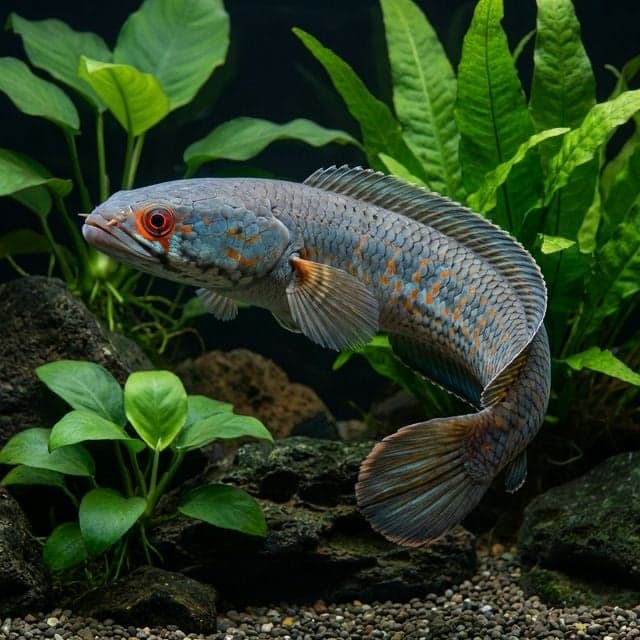
Assamese Snakehead: Channa stewartii
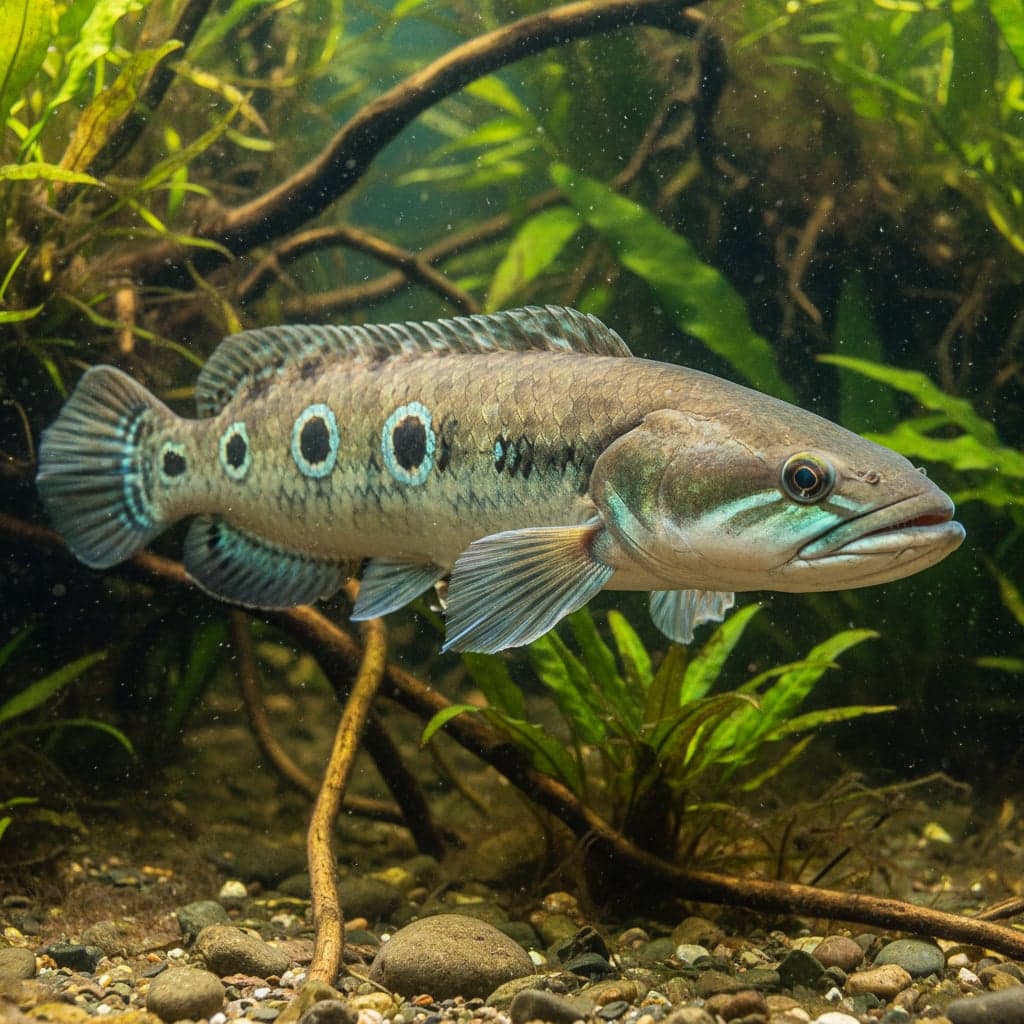
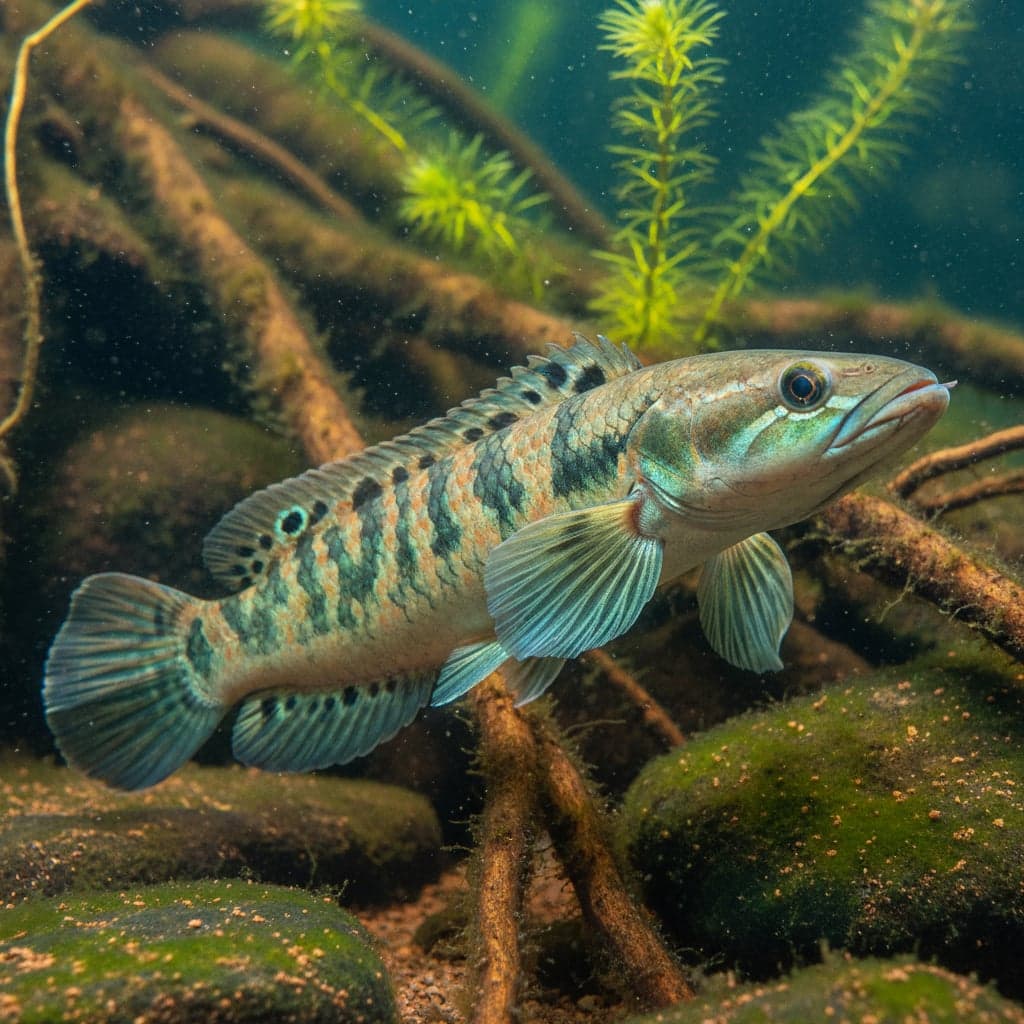
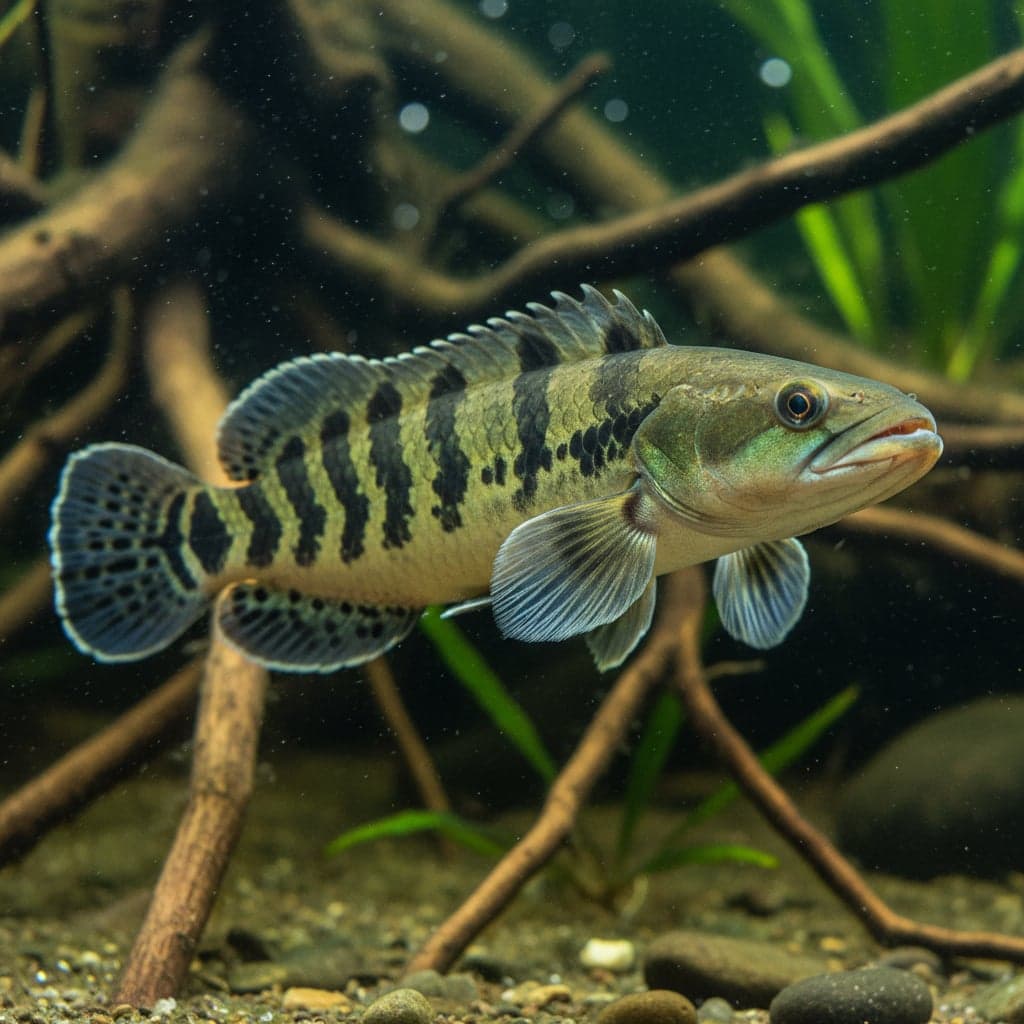
A stunning blue snakehead that stays relatively small (for a snakehead). A subtropical predator.
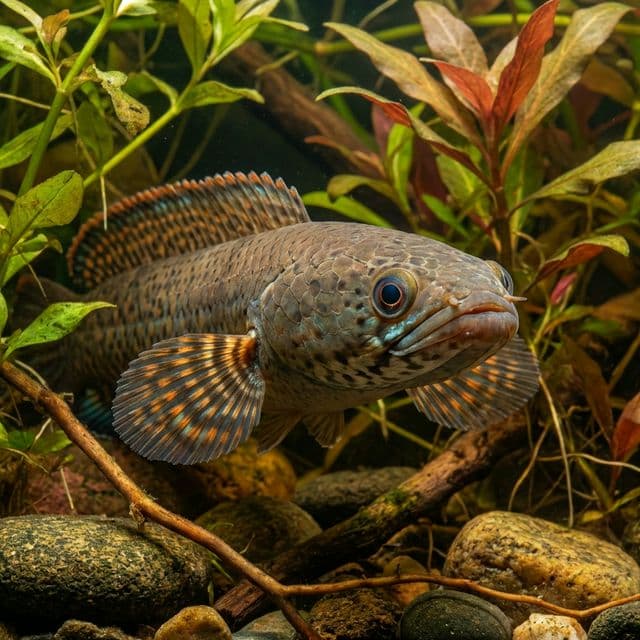
Assamese Snakehead
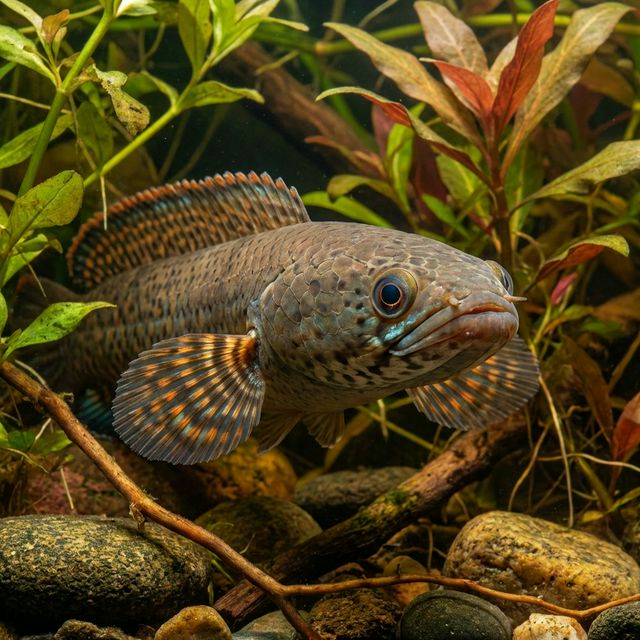
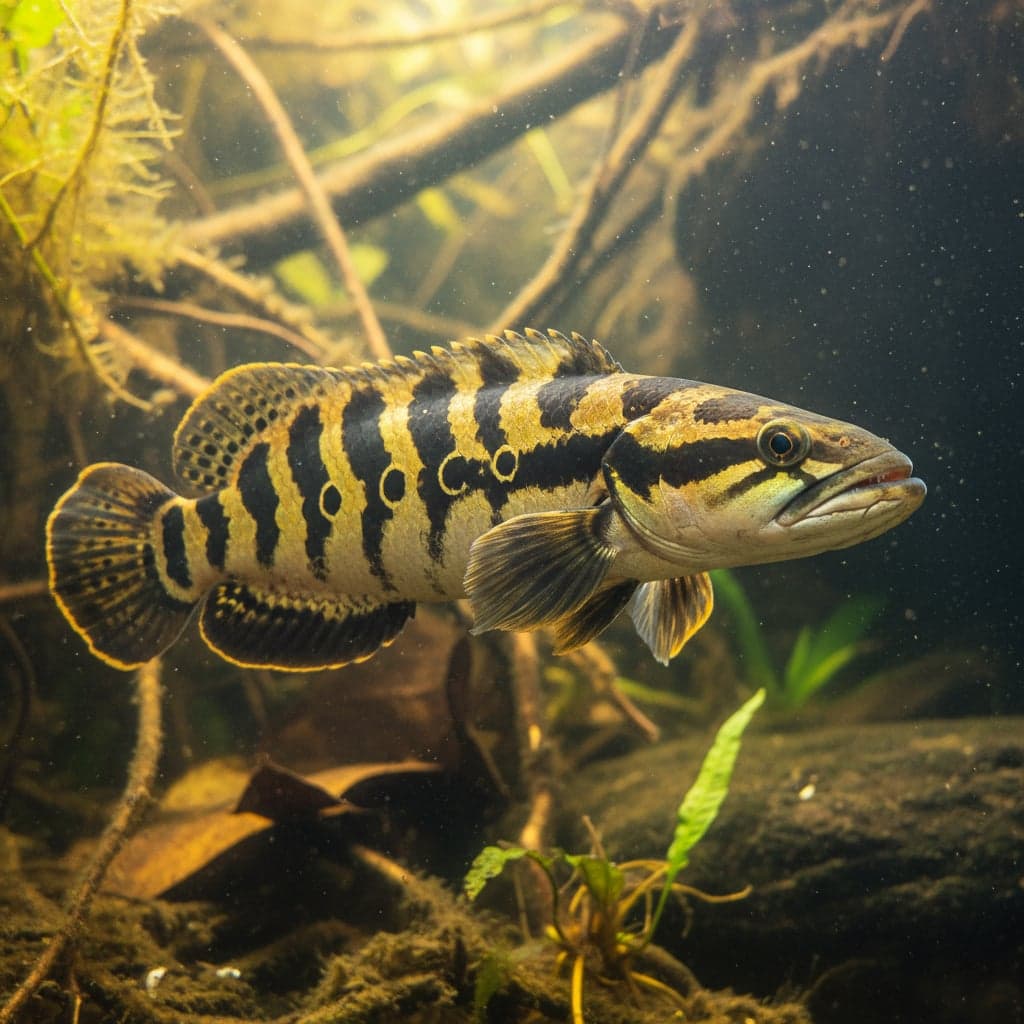
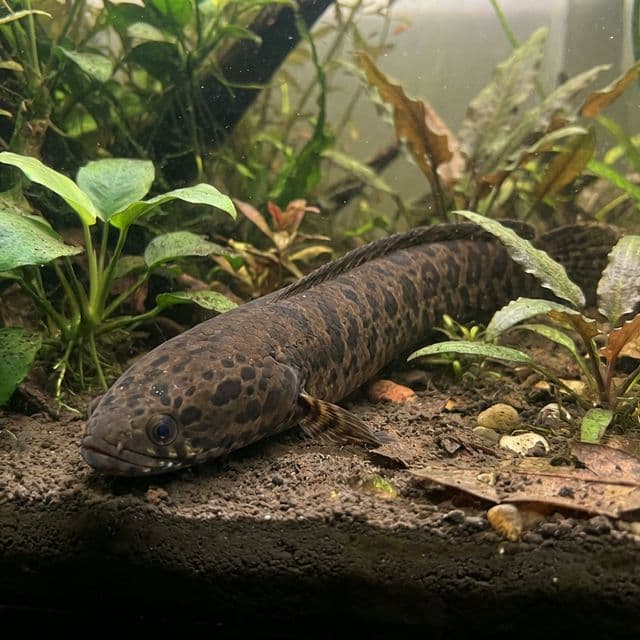
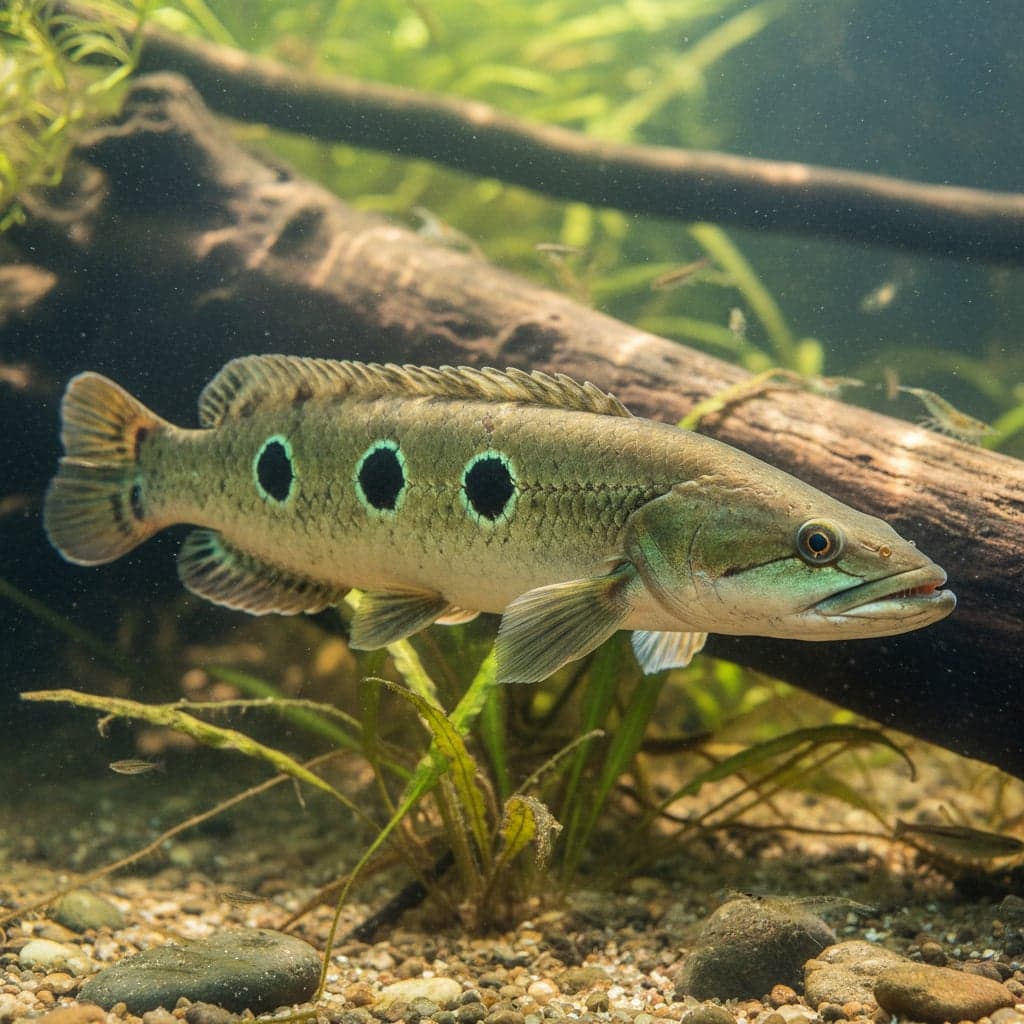
The Assamese Snakehead, scientifically known as Channa stewartii, is a fascinating freshwater fish that has garnered attention among aquarists for its unique appearance and behavior. This species boasts a strikingly robust frame adorned with intricate patterns and colors that can vary from earthy browns and greens to vibrant yellows and blacks. Its elongated body and large dorsal fin give it a distinctive silhouette, making it an attractive addition to any aquarium. Beyond its visual appeal, the Assamese Snakehead is culturally significant in its native regions; it is often associated with local folklore and played a vital role in traditional fishing practices.
In the aquarium hobby, the Assamese Snakehead is appreciated not only for its striking looks but also for its intriguing behavior, characterized by a strong predatory instinct and territorial nature. This fish has captured the imagination of fish-keeping enthusiasts, leading to a demand for its care and breeding knowledge. As more aquarists seek to maintain this species, understanding its specific environmental needs and social behavior becomes crucial for successful keeping and breeding in captivity.
Natural Habitat & Origin
The Assamese Snakehead is native to specific regions of India, particularly in the northeastern states, including Assam. It primarily inhabits freshwater ecosystems such as slow-moving rivers, marshes, and swamps, where it can find plenty of cover and hunting grounds. The water in these habitats is typically blackwater or stained by leaf litter and organic material, providing a slightly acidic environment rich in humic substances. These conditions are essential for the fish's health and play a critical role in replicating its natural habitat in aquariums.
The Assamese Snakehead thrives in warm waters, often found in environments with temperatures ranging from 24°C to 30°C (75°F to 86°F). The turbidity of its natural habitat does not hinder its vision; instead, this species is an excellent ambush predator, using its colors for effective camouflage. This intriguing environmental context highlights the importance of mimicking their natural settings in captivity to ensure their comfort and well-being.
Care Requirements
To maintain the health of the Assamese Snakehead, it is essential to create suitable water parameters that replicate its natural habitat. The ideal pH level for this species ranges between 6.0 and 7.5, with temperatures ideally set between 24°C and 30°C (75°F to 86°F). Hardness levels should be kept relatively low, ideally between 5 to 15 dGH, to maintain the appropriate osmotic balance for this fish.
In terms of aquarium setup, a minimum tank size of 200 liters (around 50 gallons) is recommended to provide adequate space for swimming and territorial behavior. A substrate of fine gravel or sand is preferable, as it allows for easier digging and foraging. Incorporating plenty of hiding spots using driftwood, rocks, and aquatic plants will improve the Assamese Snakehead's sense of security while creating a more natural environment. Lighting should be subdued, mimicking its native blackwater habitat, to reduce stress and promote natural behaviors.
Diet & Feeding
The Assamese Snakehead is a carnivorous fish that requires a varied diet to thrive. In captivity, it can be fed a combination of high-quality pellets, frozen foods, and live offerings. Opt for pellets specifically designed for carnivorous fish, which will provide essential nutrients. Frozen foods such as bloodworms, brine shrimp, and even pieces of fish can be included in its diet. Live foods, like small minnows or earthworms, are also highly encouraged, as they stimulate natural hunting instincts and contribute to the fish's overall health and vitality.
It's important to establish a feeding routine where the fish is offered food once or twice daily, ensuring that any uneaten portions are promptly removed to maintain water quality. Care should be taken to avoid overfeeding, as this can lead to health issues such as obesity and poor water conditions.
Behavior & Temperament
The Assamese Snakehead exhibits a complex behavioral pattern characterized by its territorial nature and predatory instincts. This species is known to display aggressive tendencies, particularly when it feels threatened or during breeding periods. While it can be kept with other fish, caution should be exercised as it may attack smaller species that resemble its natural prey.
When housed in a tank, the Assamese Snakehead prefers the lower to mid-water column, often using plants and décor to establish territories. It is generally a solitary swimmer, but some aquarists have reported success in keeping them with larger, similarly sized fish in spacious environments. Monitoring compatibility is crucial to ensure a peaceful community tank.
Tank Mates
Selecting compatible tank mates for the Assamese Snakehead requires careful consideration of size and temperament. Ideal companions include larger, robust fish species that can hold their own against its aggressive behavior. Recommended tank mates may include:
- Large cichlids (e.g., Oscar, Jack Dempsey)
- Gouramis (e.g., Blue or Giant Gourami)
- Other large snakeheads (within appropriate sizing)
- Larger barbs or danios
Species to avoid include small tetras, guppies, or any freshwater fish that may be perceived as prey. Additionally, keeping the Assamese Snakehead with overly aggressive species could lead to constant stress and potential injuries.
Breeding
Breeding the Assamese Snakehead in captivity can be challenging but rewarding for dedicated aquarists. The species is known for a unique spawning behavior where males guard a territory and create a nest using plant matter. For successful breeding, a separate breeding tank with a capacity of at least 100 liters is recommended, ensuring optimal conditions such as a slightly lower pH (between 6.0 to 6.5), a temperature of around 26°C to 28°C (79°F to 82°F), and ample hiding spots for the female to lay eggs.
Spawning typically occurs during the rainy season in the wild, so replicating this condition by performing regular water changes and slight increases in water levels can trigger spawning behavior. Once the eggs are laid, the male will protect the nest and exhibit aggressive behavior towards perceived threats. Once the fry are free-swimming, they can be fed with infusoria or finely crushed flakes before progressing to larger foods.
Common Health Issues
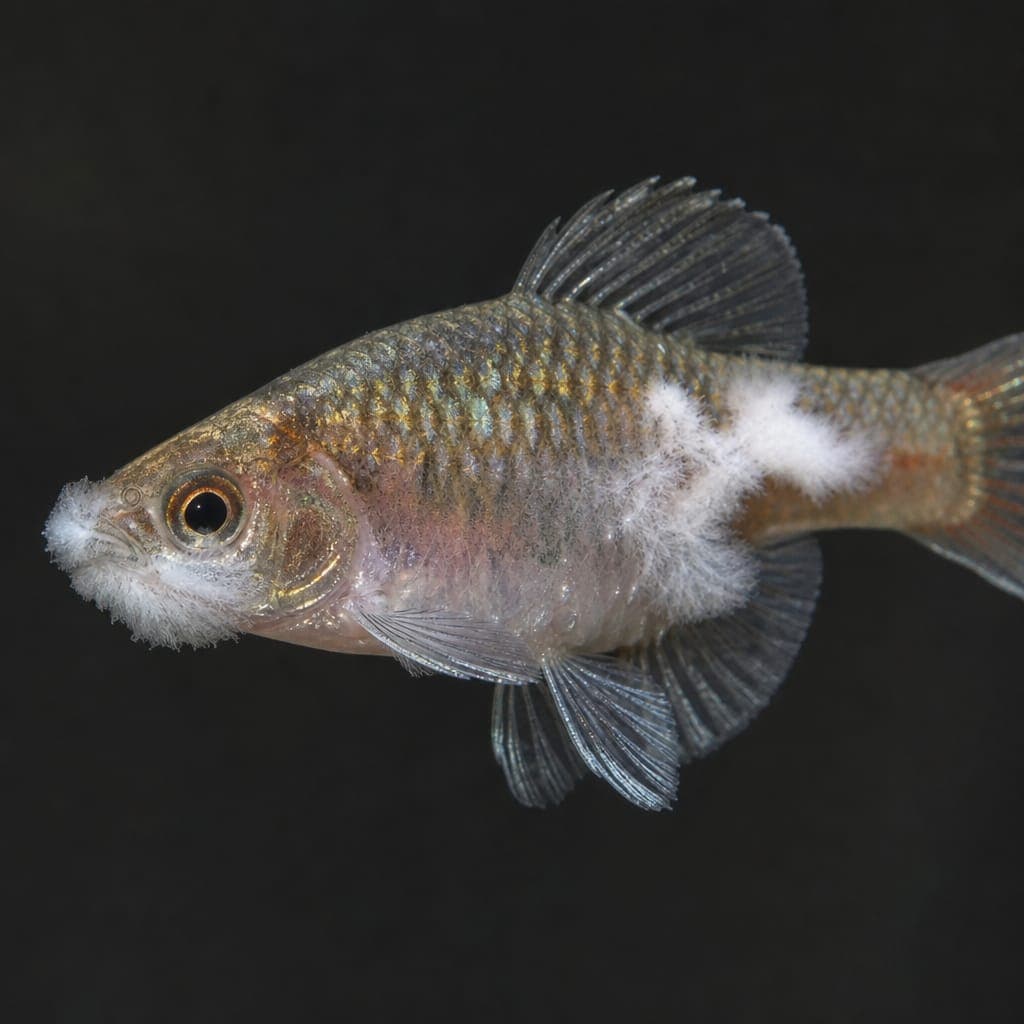
The Assamese Snakehead is generally a hardy species but may be prone to some common health issues. Potential diseases include:
- Ich (Ichthyophthirius multifiliis): This parasitic infection appears as white spots on the skin, gills, and fins. Prevention includes maintaining good water quality and avoiding stressful situations.
- Fin rot: Often caused by poor water conditions, this disease can be treated with antifungal treatments and improved hygiene practices in the aquarium.
- Bacterial infections: Signs include lesions, asymmetry, and lethargy. Treat with appropriate antibiotics while ensuring proper water quality.
Regular tank maintenance, including water changes, substrate cleaning, and monitoring of chemical parameters, can greatly reduce the risk of these health issues, ensuring the Assamese Snakehead thrives in a captive environment.