Banded Dwarf Cichlid: Apistogramma bitaeniata
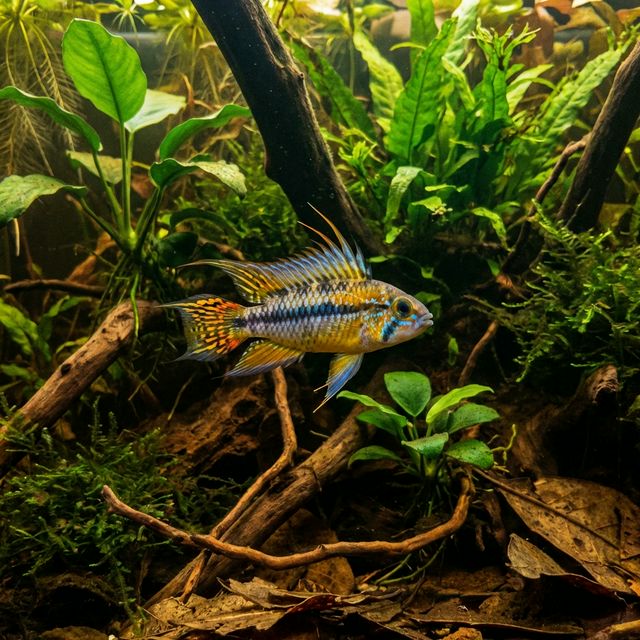
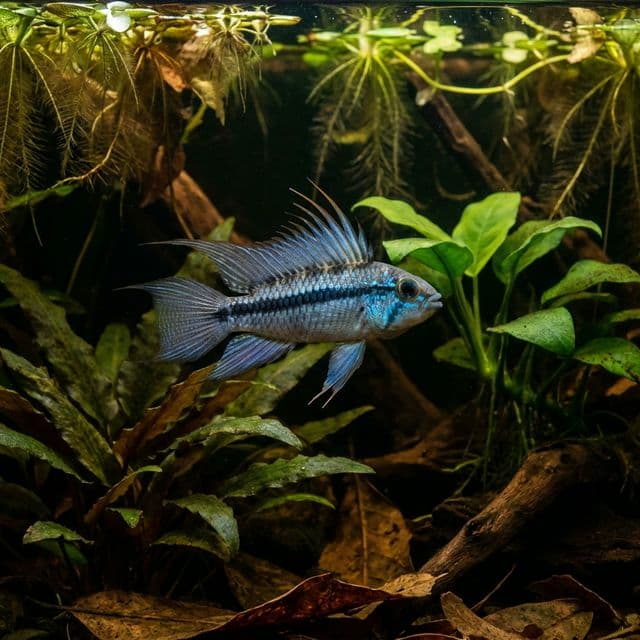
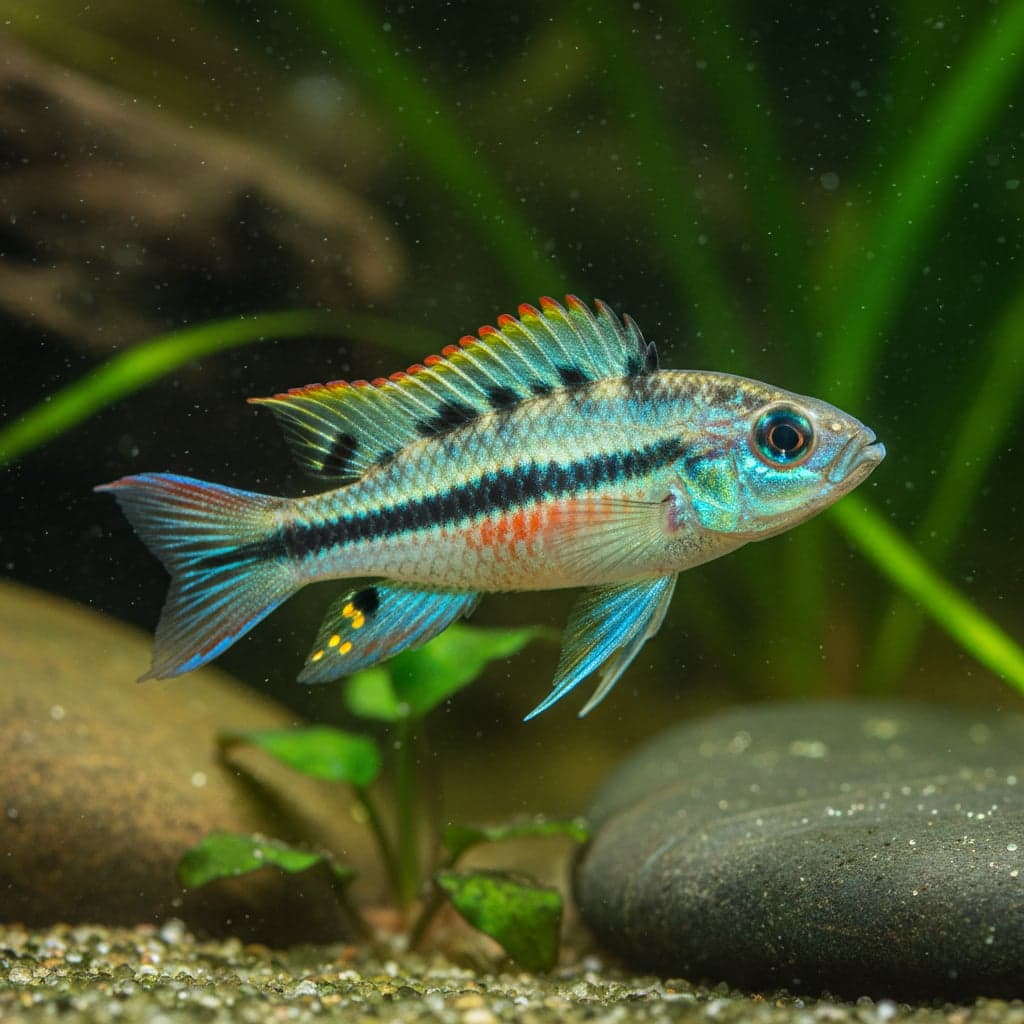
A unique Apistogramma with two distinct lateral bands. Males develop high, lyre-shaped fins.

Banded Dwarf Cichlid
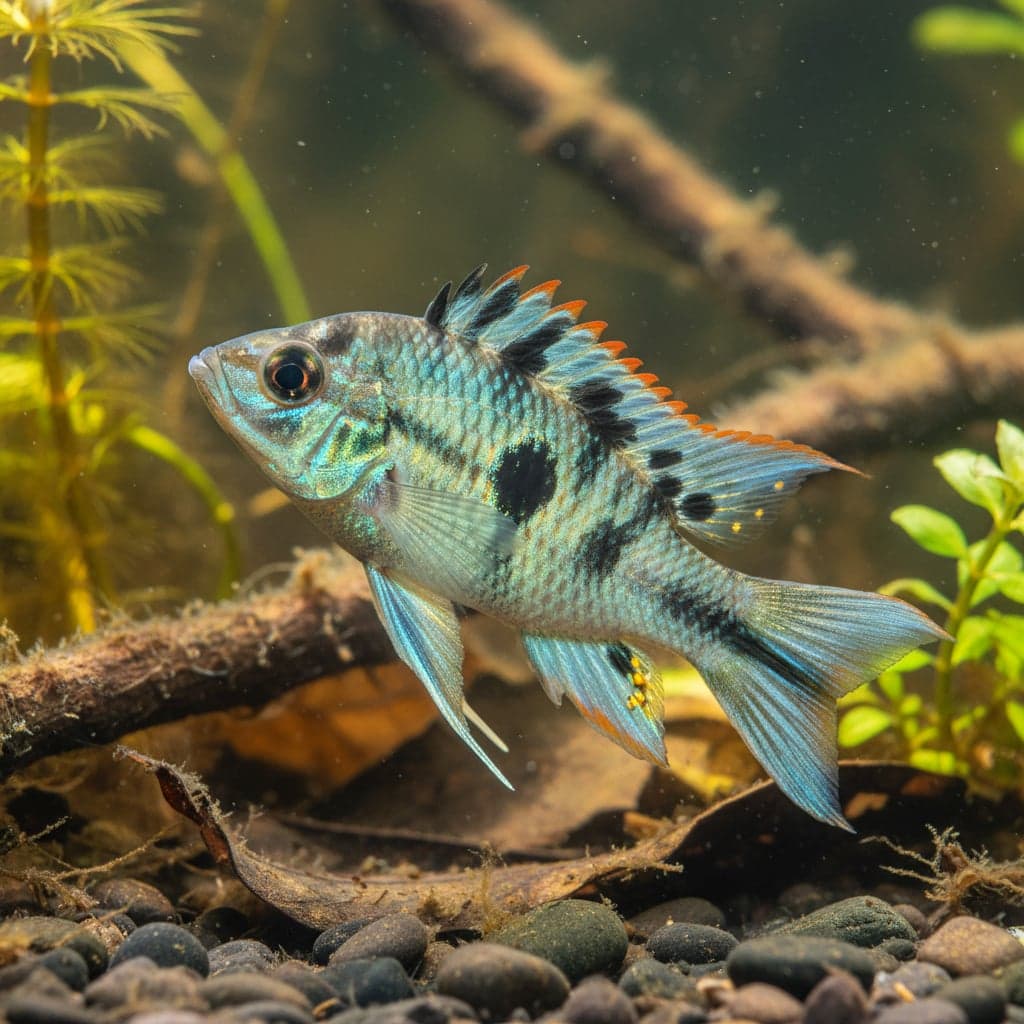
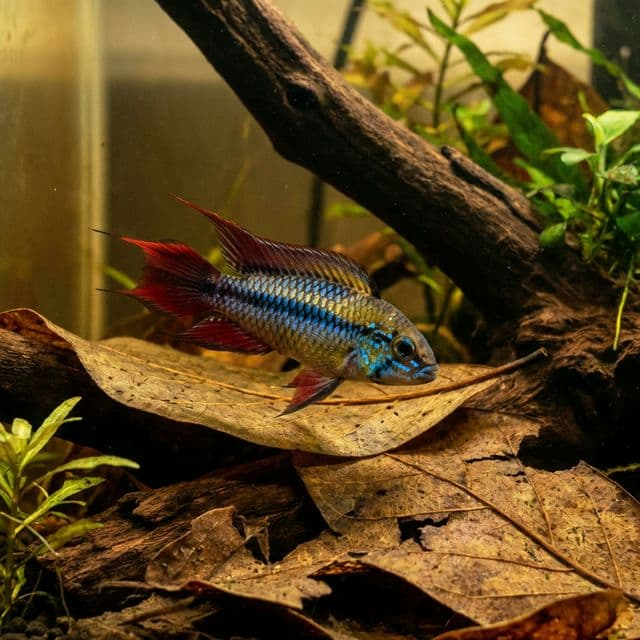
The Banded Dwarf Cichlid, scientifically known as Apistogramma bitaeniata, captivates aquarists with its stunning coloration and lively behavior. This small cichlid is known for its vibrant hues of yellow, blue, and shimmering iridescence, complemented by striking banding across its body. These visual attributes make it a popular choice among aquarium enthusiasts, passionate about maintaining an aesthetically pleasing aquarium environment. Moreover, its charming personality and relatively manageable care requirements add to its allure, making it a sought-after species in both beginner and advanced aquascaping setups.
In addition to its beauty, the Banded Dwarf Cichlid holds significance within the aquarium hobby due to its peaceful temperament compared to many other cichlid species. It thrives in community tanks when appropriately paired with compatible species, allowing aquarists to recreate vibrant and dynamic underwater ecosystems. The Banded Dwarf Cichlid is not only a joy to observe but also serves as a valuable educational experience for aquarists aiming to learn about the diverse behaviors and needs of freshwater fish.
Natural Habitat & Origin
The Banded Dwarf Cichlid hails from the slow-moving waters of the Amazon Basin, particularly in regions of Peru and Brazil. These fish inhabit small streams and tributaries characterized by their blackwater environments, where decaying leaves, peat, and organic materials influence water chemistry. The surrounding foliage and submerged structures provide essential cover, making such environments rich in biodiversity. Understanding this natural setting is crucial for replicating similar conditions in captivity, as the Banded Dwarf Cichlid benefits from the dark, acidic waters typical of its habitat.
In these waters, the Banded Dwarf Cichlid finds comfort in various microhabitats defined by dense vegetation, submerged roots, and leaf litter. The combination of these features not only supports their spawning activities but also aids in sustaining their natural diet. Acknowledging the environmental context of this species ensures proper care and tank setup, fostering a healthy and thriving aquatic environment that mirrors its natural habitat.
Care Requirements
To properly care for the Banded Dwarf Cichlid, maintaining specific water parameters is essential. Ideal conditions include a pH level ranging from 6.0 to 7.5, a temperature between 24°C to 28°C (75°F to 82°F), and a water hardness of 2-15 dGH. It is crucial to provide stable conditions with minimal fluctuations to ensure the well-being of this sensitive species. The Banded Dwarf Cichlid thrives in aquariums that mimic its natural blackwater environment, thus utilizing driftwood, leaf litter, and a well-planted substrate can enhance its comfort levels.
Regarding tank setup, a minimum tank size of 20 gallons is recommended to accommodate these cichlids while allowing for territorial space, especially during breeding periods. Using a fine-grained substrate, such as sand or soft gravel, replicates the riverbed they originate from, while subdued lighting can create a more soothing atmosphere. Dense planting with hardy aquatic plants, along with strategically placed hiding spots using caves or rocks, makes the environment both stimulating and safe for the Banded Dwarf Cichlid.
Diet & Feeding
The Banded Dwarf Cichlid is primarily an omnivore, exhibiting a diverse diet that includes both plant and animal matter. In captivity, providing a varied diet is crucial for their health and vibrancy. High-quality flakes and pellets designed for cichlids can serve as a staple, but it’s beneficial to supplement their diet with frozen or live foods such as daphnia, brine shrimp, and bloodworms. Veggies like blanched spinach or zucchini can also be included to promote overall health and coloration.
Feeding should occur twice daily, ensuring that the portions are managed based on the fish’s size and consumption rates to avoid overfeeding. Introducing a variety of food types not only enhances their nutritional intake but also encourages natural foraging behaviors, making mealtimes a stimulating experience for this engaging species.
Behavior & Temperament
The Banded Dwarf Cichlid is known for its engaging and dynamic behavior, often displaying unique social interactions within their environment. They are generally considered semi-aggressive, especially during mating seasons, though they can coexist peacefully with other compatible tank mates. Interestingly, they prefer the middle and lower strata of the aquarium, frequently establishing territories as they create their nests in hidden areas among plants and substrate.
In terms of social behavior, the Banded Dwarf Cichlid exhibits a strong sense of protectiveness towards their chosen territory, often exploring and defending it from perceived intruders. Male Banded Dwarf Cichlids may display vibrant colors and elaborate fin displays during interactions with other males or during courtship. However, in a well-planted and spacious tank, aggression is typically minimal when provided with ample hiding spaces and territories.
Tank Mates
Finding suitable tank mates for the Banded Dwarf Cichlid involves careful consideration to foster a peaceful community environment. Compatible species include small, calmer fish such as tetras (e.g., Neon Tetra or Rummynose Tetra), rasboras, danios, and certain small catfish like Corydoras. It is advisable to avoid larger or more aggressive species, including larger cichlids and aggressive barbs, as these can provoke stress and alter the natural behavior of the Dwarf Cichlid.
Additionally, avoid housing them with fin-nippers or overly boisterous fish, as the calm demeanor of the Banded Dwarf Cichlid can lead to easy bullying. Keeping the tank understocked and ensuring peaceful coexistence through the choice of tank mates will greatly enhance their well-being and allow for a harmonious display of behaviors in a community setting.
Breeding
Breeding the Banded Dwarf Cichlid can be an exciting endeavor for aquarists, provided the right conditions are met. These fish are substrate breeders, favoring dark, secluded areas such as caves or flat surfaces for spawning. Creating a breeding environment necessitates slightly acidic water conditions, a stable temperature around 27°C (81°F), and well-structured hiding places.
During spawning, females will lay adhesive eggs on flat surfaces, which the male will then fertilize. Careful observation is essential, as both parents can exhibit protective behaviors towards their fry. Providing ample food sources such as infusoria or finely crushed flake food for the fry encourages successful growth and development. Isolating the breeding pair into a dedicated breeding tank can be beneficial, minimizing stress and aggression from other tank inhabitants, which enhances the chances of fry survival.
Common Health Issues
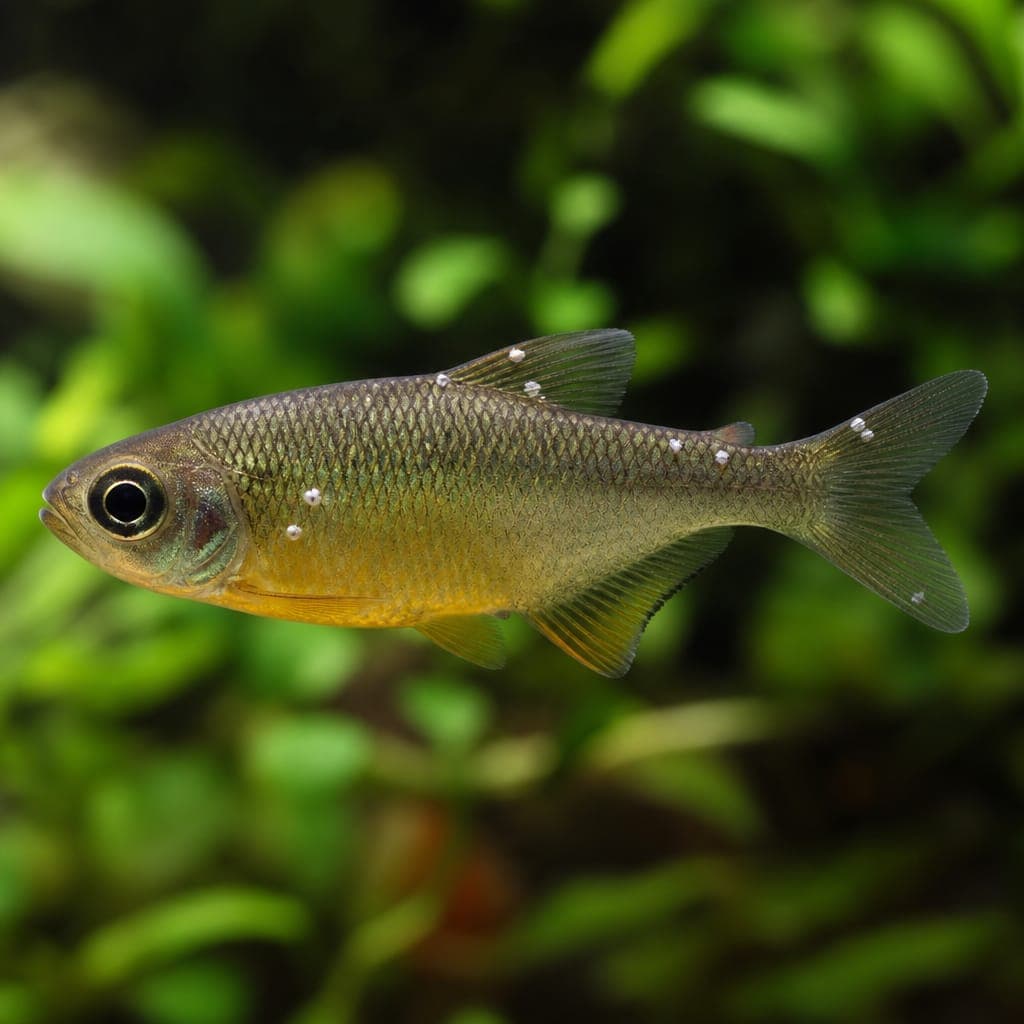
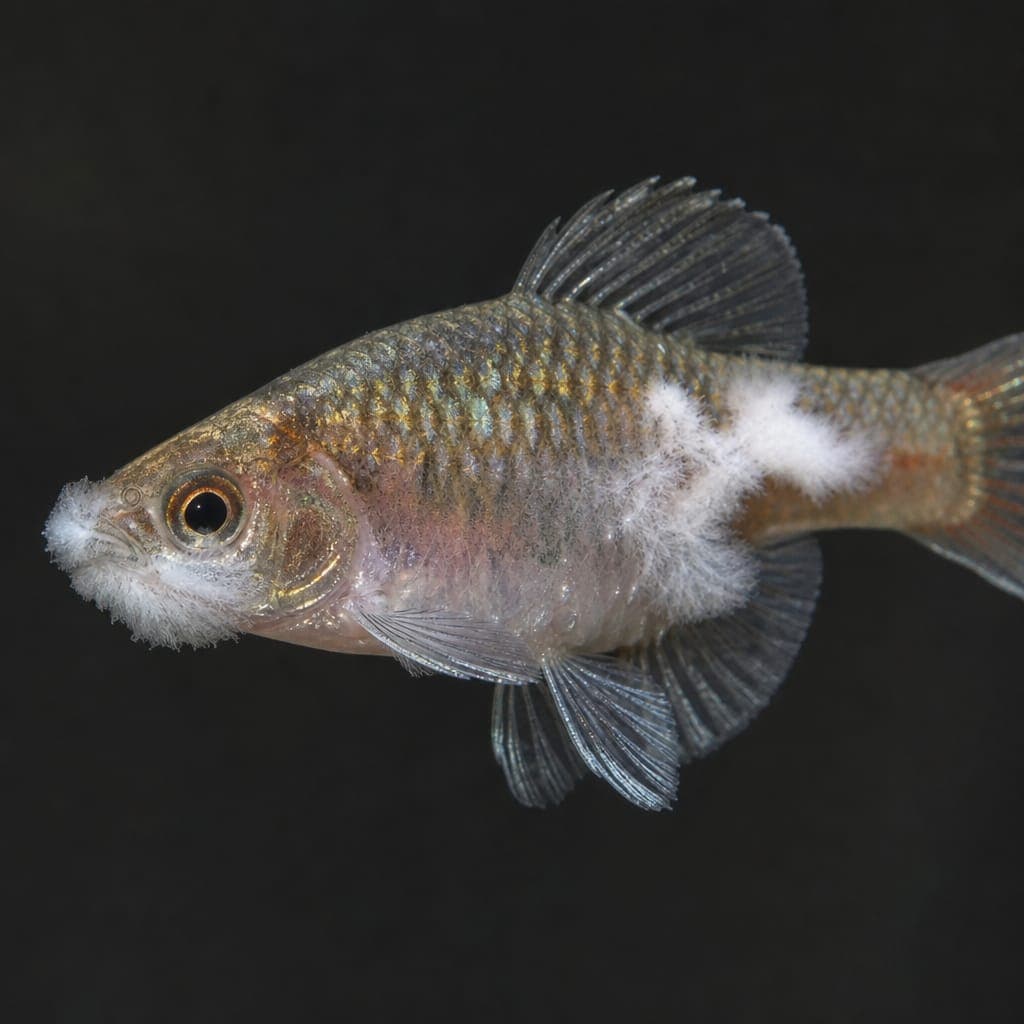
Despite their general hardiness, the Banded Dwarf Cichlid is still prone to certain health issues common in freshwater fish. Some of the prevalent diseases include ich, fin rot, and fungal infections. Stress is a significant factor leading to these health issues, so maintaining optimal water parameters and a stable environment is crucial. Quarantine new arrivals to prevent introducing diseases into the established tank.
To prevent health issues, regular water changes, and tank cleanings are important practices alongside monitoring water quality. Additionally, a consistent feeding schedule and ensuring that all food is high quality can help bolster their immune system. Early detection of any health issues will aid in effective treatment, and keeping stress levels low will contribute to the overall health of the Banded Dwarf Cichlid in the aquarium. Soft, slightly acidic water, gentle filtration, and plenty of leaf litter or caves further reduce stress-related illness. Quarantine newcomers and treat early signs of disease promptly. With attentive care, these Apistogramma remain colorful and active for years. Avoid copper treatments when shrimp or sensitive invertebrates share the tank, and correct ammonia or nitrite spikes immediately if fish hide constantly or lose color.