The Banjo Catfish: Bunocephalus coracoideus
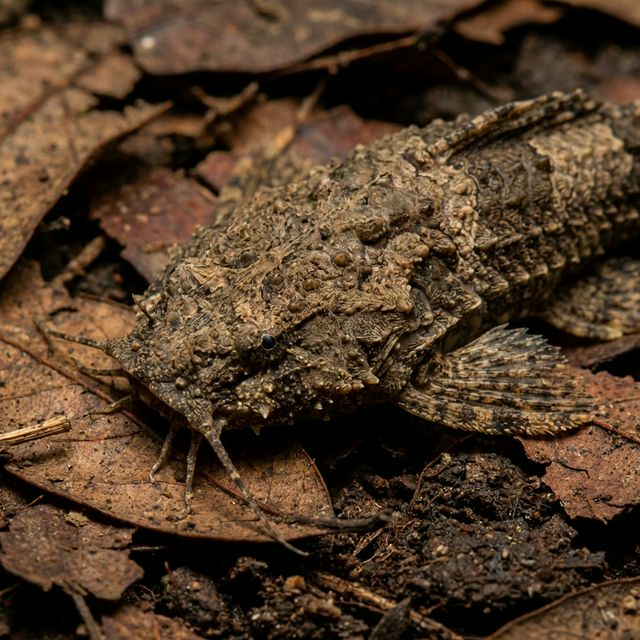
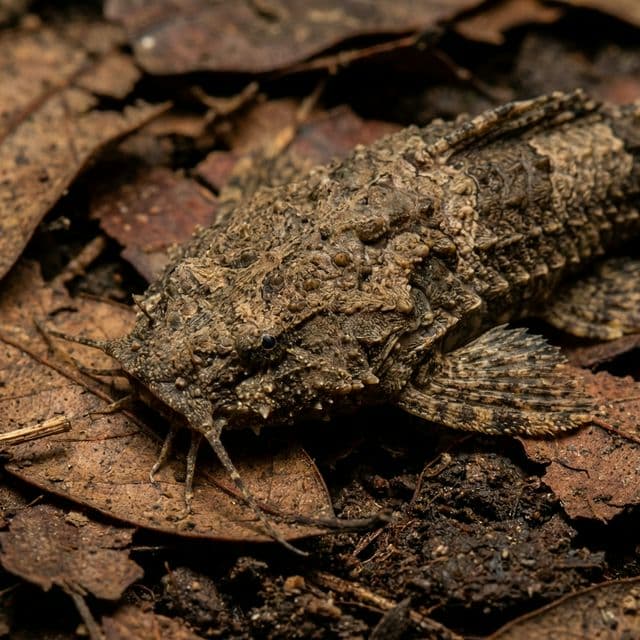
A master of camouflage resembling a dead leaf or piece of bark. Extremely peaceful, sedentary catfish named for its guitar-like shape.
Banjo Catfish
The Banjo Catfish (Bunocephalus coracoideus) is a fascinating species that captivates both novice and experienced aquarists with its unique appearance and behavioral characteristics. This freshwater fish is distinguished by its flattened, banjo-shaped body, which allows it to blend seamlessly into its surroundings, typically the leaf litter or substrate of riverbeds. The Banjo Catfish's coloring ranges from light tan to dark brown with faint mottled patterns, enhancing its camouflage. Its peculiar shape, along with its small head and long, tapering tail, contributes to its visually appealing and exotic nature. For many fish enthusiasts, the Banjo Catfish not only adds aesthetic diversity but also plays an important role in maintaining a well-balanced aquarium ecosystem.
In the aquarium hobby, the Banjo Catfish is significant for more than just its looks. It is a largely nocturnal species, exhibiting intriguing behaviors during the evening when it becomes more active. Its bottom-dwelling lifestyle means it occupies a niche that many other fish do not, helping to keep the substrate clean by scavenging for food particles. As a result, the Banjo Catfish serves as a natural cleaner and maintenance crew member in aquaria, making it a practical choice for those who want to foster a healthy aquatic environment. Its enigmatic presence and essential role in the tank ecosystem make it a revered addition to community tanks and biotope setups alike.
Natural Habitat & Origin
The Banjo Catfish originates from the Amazon River Basin, specifically in countries like Brazil, Peru, and Colombia. This region is characterized by its diverse aquatic environments, including slow-moving rivers, blackwater streams, and floodplain areas. These waters are typically rich in organic matter, providing a complex habitat that consists of submerged leaf litter and soft substrate, which are crucial for the survival of this species. The Banjo Catfish's natural habitat showcases low light conditions, soft water, and abundant hiding spots, all of which must be replicated in captivity to ensure its health and well-being.
In their native ecosystems, Banjo Catfish thrive in environments that possess dark, tannin-stained water due to the decomposition of plant matter. This blackwater environment is often soft and slightly acidic, making it essential for aquarists to understand these parameters when attempting to replicate such conditions within home aquariums. The Banjo Catfish is not only adapted to these unique surroundings but also plays a key ecological role in nutrient cycling, making its conservation vital in preserving the biodiversity of its natural habitat.
Care Requirements
For proper care of the Banjo Catfish, specific water parameters must be maintained to mimic its natural environment. The ideal pH level for this species ranges from 5.5 to 7.5, with a preference for slightly acidic to neutral waters. Additionally, water temperature should be kept between 72°F to 79°F (22°C to 26°C), while hardness levels should remain low, within the range of 2 to 10 dGH. These parameters not only enable the Banjo Catfish to thrive but also contribute to a stable environment for other tank inhabitants.
Setting up a suitable tank for the Banjo Catfish requires careful consideration of size and substrate. A minimum tank size of 30 gallons is recommended, providing ample space for swimming, hiding, and resting. The substrate should consist of fine sand or soft gravel, allowing the fish to burrow and sift through the material as it forages. Dim lighting is preferable, as this species thrives in low-light conditions, and live plants such as Java moss or Anubias can create additional cover and a natural aesthetic. Incorporating driftwood and leaf litter can enhance the tank's biotope, providing hiding spaces where the Banjo Catfish can feel secure.
Diet & Feeding
The Banjo Catfish is an omnivorous species that thrives on a varied diet. In the wild, its diet primarily consists of detritus, small invertebrates, and plant matter. When keeping Banjo Catfish in an aquarium, it is essential to provide a balanced diet of high-quality sinking pellets or tablets specifically formulated for catfish. Supplementing with frozen or live foods, such as bloodworms, brine shrimp, or earthworms, can also enhance their diet and stimulate natural foraging behavior. Additionally, the inclusion of blanched vegetables like zucchini or spinach can provide necessary nutrients and encourage healthy digestion.
Feeding should be done in a manner that accommodates the Banjo Catfish's feeding habits as a bottom dweller. It is advisable to feed during the evening when the fish is most active, allowing it to explore the substrate for food. Care should be taken to avoid overfeeding, as uneaten food can lead to water quality issues. Regularly monitoring their diet and adjusting as necessary is crucial to ensuring the long-term health and vitality of the Banjo Catfish.
Behavior & Temperament
The Banjo Catfish is known for its peaceful demeanor, making it an excellent addition to community tanks with suitably tempered species. While it is generally solitary, this fish can be seen foraging alone or resting on the substrate. It exhibits a nocturnal behavior pattern, becoming active during dusk and dawn, when it actively ventures out to feed. The Banjo Catfish is not inclined to display aggression; rather, it prefers to stay low within the tank, often positioned on the substrate or hiding among decorations.
When it comes to vertical placement in the tank, the Banjo Catfish is primarily a bottom-dweller. It spends most of its time foraging and exploring the lower levels of the aquarium. Although it does not typically engage in social schooling behaviors, it can cohabit well with other peaceful species if enough hiding spots are available. Providing a well-structured environment encourages natural behaviors, allowing the Banjo Catfish to feel secure and thrive among tank mates.
Tank Mates
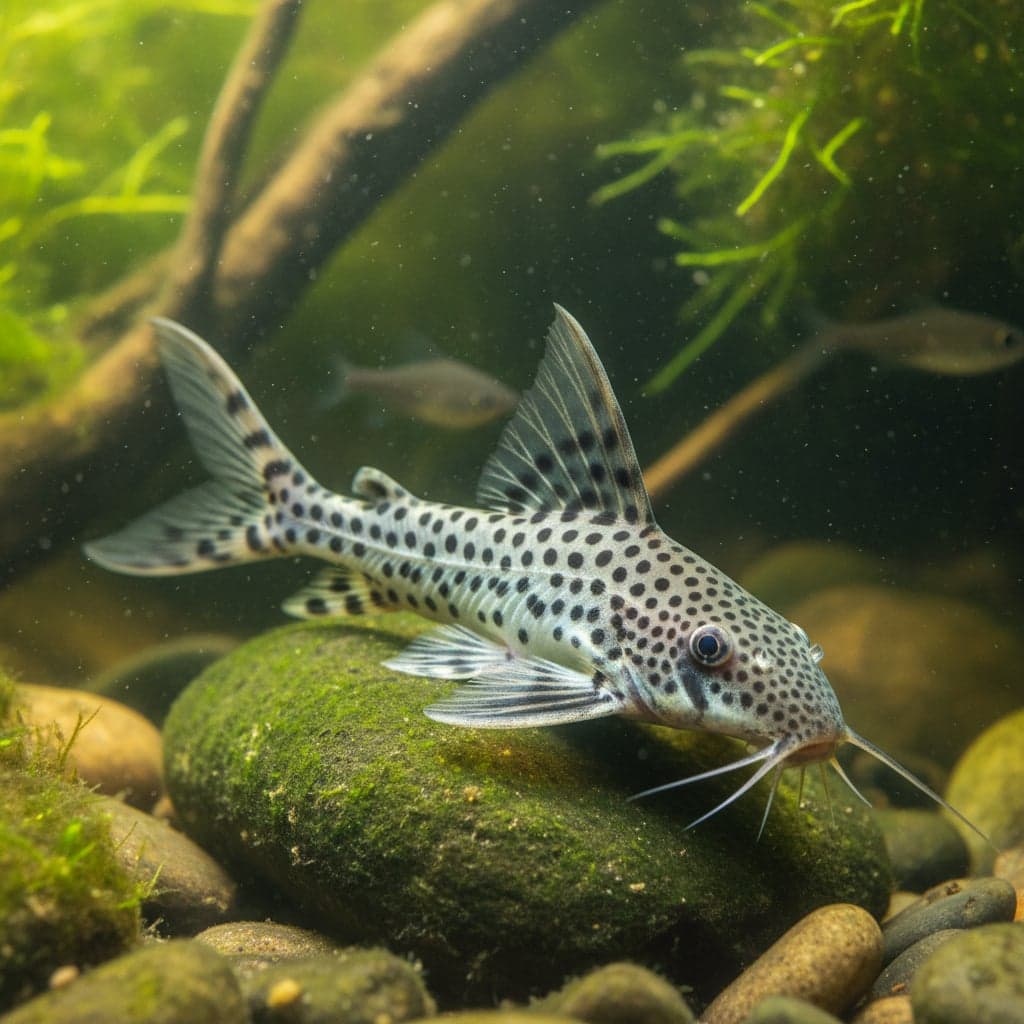
Choosing compatible tank mates for the Banjo Catfish requires careful consideration to ensure a harmonious community environment. Ideal companions include peaceful species such as Corydoras catfish, small tetras, rasboras, and dwarf cichlids, as these fish tend to inhabit different levels of the tank, minimizing competition for space. Given its timid nature, it is advisable to avoid aggressive or overly boisterous fish that may stress the Banjo Catfish, such as larger cichlids or barbs.
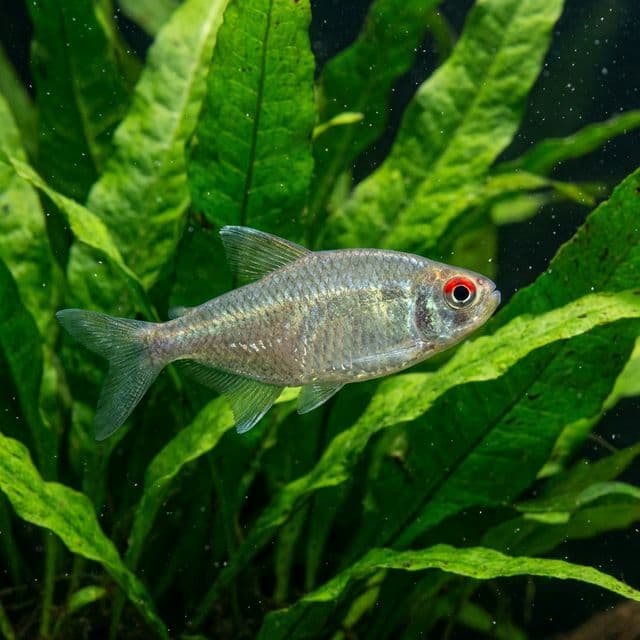
Additionally, larger peaceful fish that occupy the mid to upper levels of the aquarium can also make suitable companions. Some recommended species to include as tank mates are Neon Tetras, Guppies, Mollies, and Platies. It is essential to ensure that all tank inhabitants are of similar sizes and temperaments to prevent any potential conflicts. Providing ample hiding spots and territories is crucial for maintaining a peaceful community within the aquarium.
Breeding
Breeding Banjo Catfish in captivity is relatively rare, primarily due to their specific requirements for spawning. The first step in encouraging breeding is to ensure the presence of both males and females; males typically have a slightly larger and more elongated body shape compared to females. To stimulate breeding, it is essential to create optimal conditions that mimic their natural environment, including slightly elevated temperatures (around 80°F or 27°C), slight pH adjustments, and the introduction of live foods to encourage courtship behavior.
During spawning, the female will lay eggs among the substrate and the male will fertilize them, often guarding the clutch beneath sand or leaf litter. The eggs typically hatch within three to four days. Once free-swimming, the fry require infusoria, microworms, or newly hatched brine shrimp until they are large enough to accept finely crushed sinking pellets.
Common Health Issues
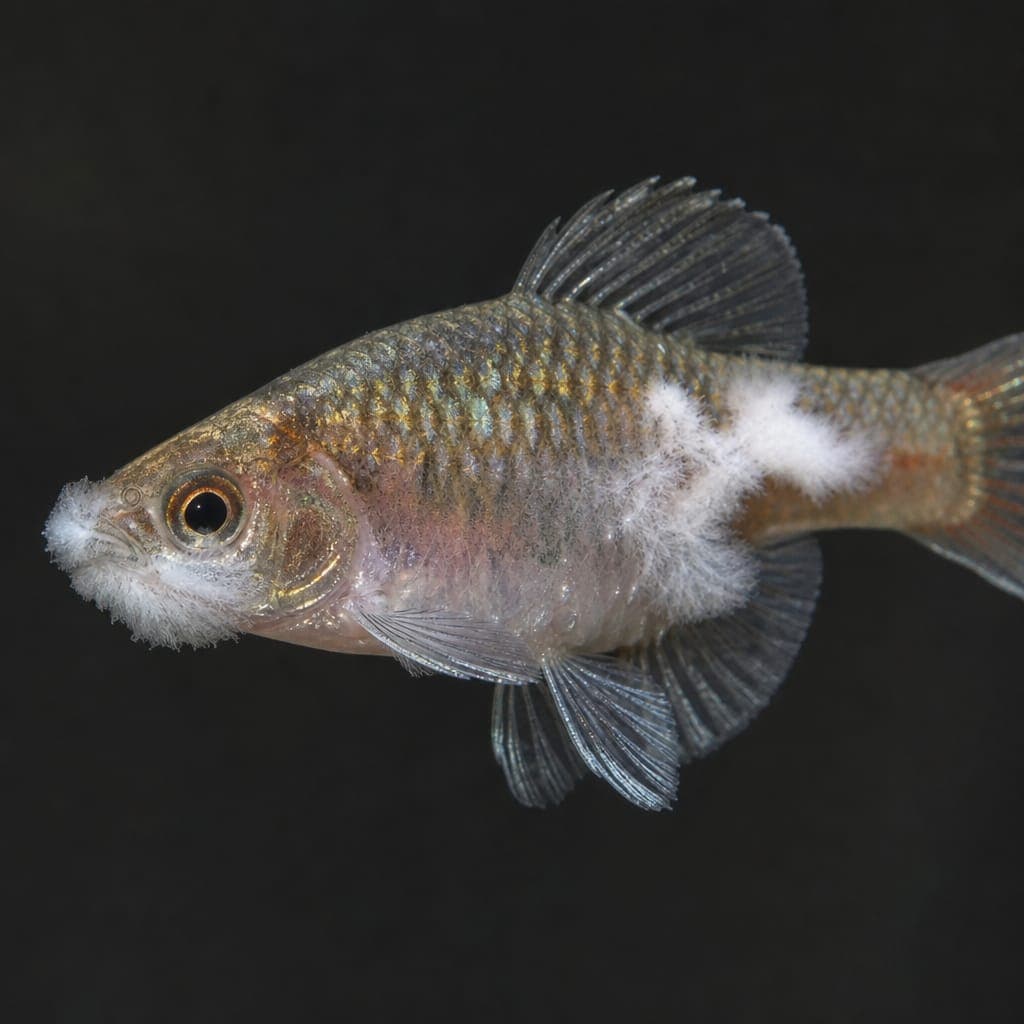
Banjo Catfish are remarkably hardy and resilient when kept in clean, well-oxygenated water. However, because they are scaleless bottom dwellers, they are especially sensitive to rough or sharp substrates, poor water quality, and chemical medications. Abrasive gravel can damage their delicate barbels and belly skin, predisposing them to bacterial or fungal infections.
Additionally, avoid copper-based treatments or malachite green at full strength, as scaleless fish absorb these compounds rapidly. Maintaining a soft sand bed, performing routine water changes, and ensuring adequate food reaches the substrate at night will keep your Banjo Catfish healthy for many years.