Betta splendens: Siamese fighting fish
The absolutely most famous labyrinth fish in the world, renowned entirely for its spectacular flowing fins and violent male-to-male aggression—Betta splendens in home aquaria.
Also known as: Siamese fighting fish · betta fish
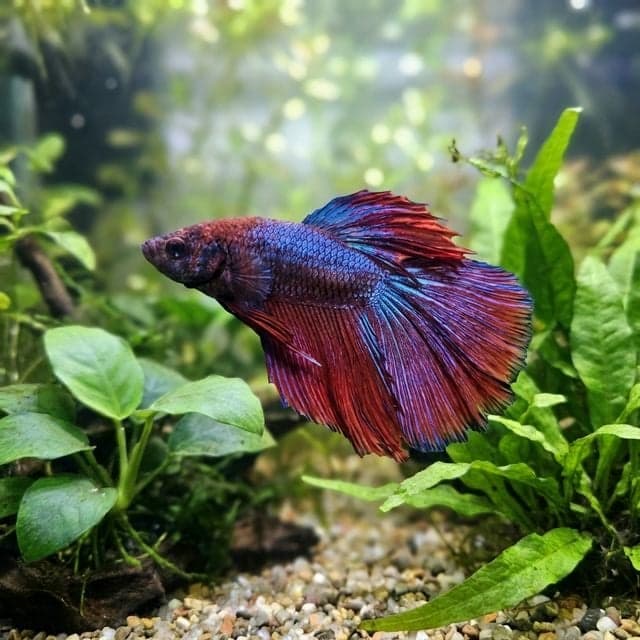
Betta splendens (Siamese fighting fish)
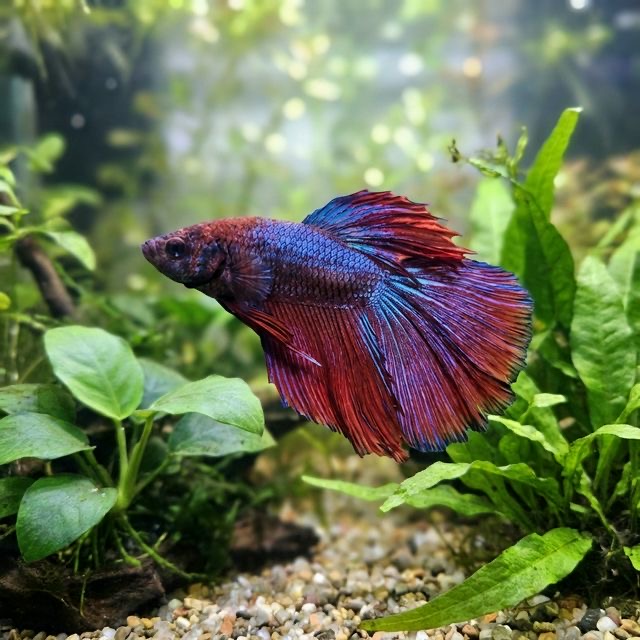
Betta splendens—commonly called the Siamese fighting fish or betta—is one of the most visually striking freshwater fish in the aquarium trade. Originating from Southeast Asia, these fish are known for vibrant colors and elaborate fins in red, blue, green, and multicolored patterns. Their flowing fins and dynamic displays make them a popular choice for aquarists who appreciate both beauty and distinctive behavior. They are often regarded as a poster species for the hobby, with cultural significance across Southeast Asia.
In the aquarium hobby, bettas are celebrated for spirited personalities that can be both mesmerizing and challenging. Despite a delicate appearance, males are fiercely territorial with each other—historically exploited in fish fighting, a practice that shaped their reputation. From wild B. splendens to today’s strains, they combine striking looks with rich behavioral traits, appealing to novice and experienced keepers alike.
Natural Habitat & Origin
Betta splendens is native to shallow, often stagnant waters in Thailand, Cambodia, Vietnam, and Laos—rice paddies, swamps, and marshes with slow or still flow, low light, and abundant vegetation. They thrive in blackwater conditions where tannins from decaying plants create slightly acidic water.
Dense vegetation offers refuge from predators and places to hold territory. Fluctuating water levels and seasonal change shaped their adaptability and vivid coloration—traits still prized in the trade.
Care Requirements
Optimal pH is 6.5–7.5, with temperature 76–82°F (24–28°C). Soft to moderately hard water (about 5–20 dGH) suits them well. Regular water changes and stable quality matter—they are sensitive to pollutants.
A minimum of 5 gallons per male reduces stress; smaller volumes worsen aggression and water swings. Substrate can be fine gravel or sand. Use filtration that avoids strong current—bettas prefer calm water. Plants such as Java moss, Anubias, and floating duckweed provide cover and help stabilize conditions. Moderate, dim-friendly lighting mimics their natural habitat and supports natural behavior.
Diet & Feeding
Bettas are primarily carnivorous and do best on a varied diet: high-quality betta pellets plus frozen or live foods such as brine shrimp, daphnia, and bloodworms to encourage natural hunting. Avoid overfeeding to prevent bloating and water fouling.
Feed small portions two or three times daily. Higher protein supports juveniles and conditioning for breeding.
Behavior & Temperament
Males are highly territorial toward other males and should not be housed together outside controlled breeding. Females can be more sociable in some setups but may still fight if crowded or stressed.
Bettas often use the upper water column and appreciate vertical cover. Some individuals tolerate peaceful, non-nippy tank mates in spacious, well-structured tanks—always observe for stress or fin damage.
Tank Mates
Peaceful bottom dwellers and small, non-nippy schoolers are often the safest companions for a betta, provided the tank is large enough, well planted, and you watch for fin nipping and stress. There is no universal “safe list”—individual bettas vary, and long-finned males are especially vulnerable in busy tanks.
Avoid housing two males together; steer clear of fin-nippers (many barbs, Serpae tetras, etc.) and most large or boisterous cichlids. When in doubt, choose species that use different tank levels and cannot harass flowing fins.
Pair compatibility guides
Each guide below covers Betta with one other species: typical compatibility, temperament clashes, water parameters, and what often goes wrong in real tanks. Use them to shortlist safer community options before you buy.

Betta & Adolfos cory
Corydoras adolfoiPair compatibilityHow sand, group size, and evening feeding make bettas and Adolfos corydoras one of the most repeatable betta communities.

Betta & Amano shrimp
Caridina multidentataPair compatibilityAmano shrimp and Betta: typical outcomes, risks, water parameters, and setup tips. Poor to conditional in most home tanks.
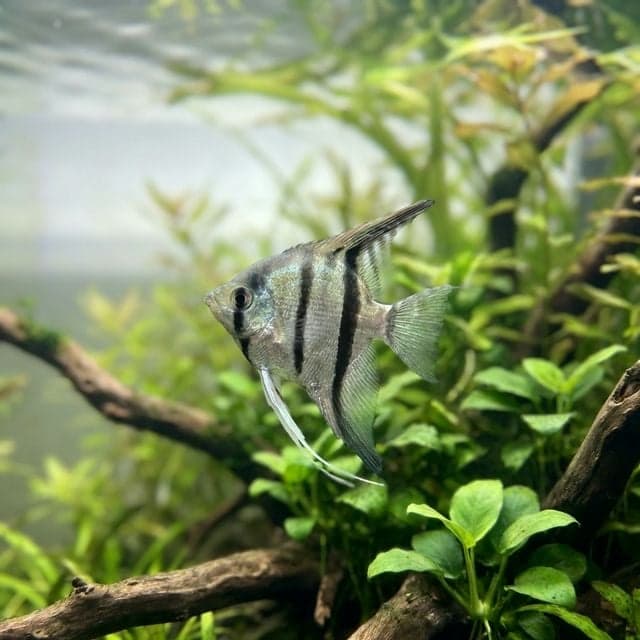
Betta & Angelfish
Pterophyllum scalarePair compatibilityVertical territory overlap, mass difference, and why angelfish and bettas are a poor default pairing.

Betta & Bristlenose pleco
Ancistrus spp.Pair compatibilityBetta and Bristlenose pleco: typical outcomes, risks, water parameters, and setup tips. Often compatible in most home tanks.

Betta & Cardinal tetra
Paracheirodon axelrodiPair compatibilityBetta and Cardinal tetra: typical outcomes, risks, water parameters, and setup tips. Conditional in most home tanks.
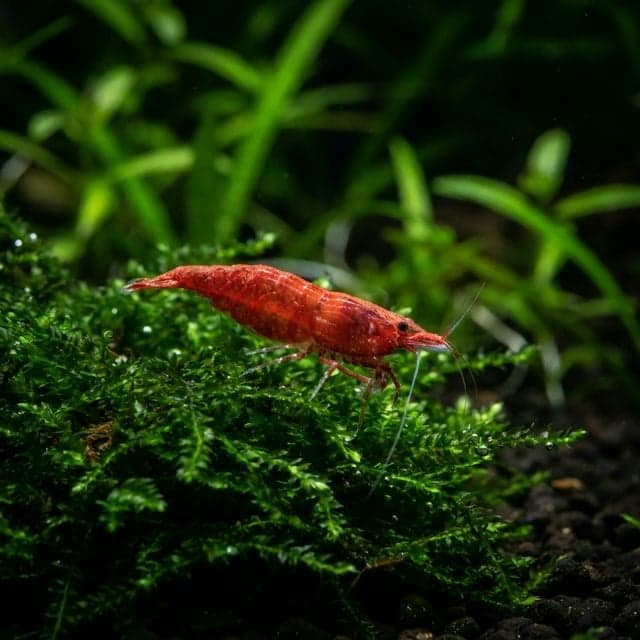
Betta & Cherry shrimp
Neocaridina davidiPair compatibilityBetta and Cherry shrimp: typical outcomes, risks, water parameters, and setup tips. Poor to conditional in most home tanks.
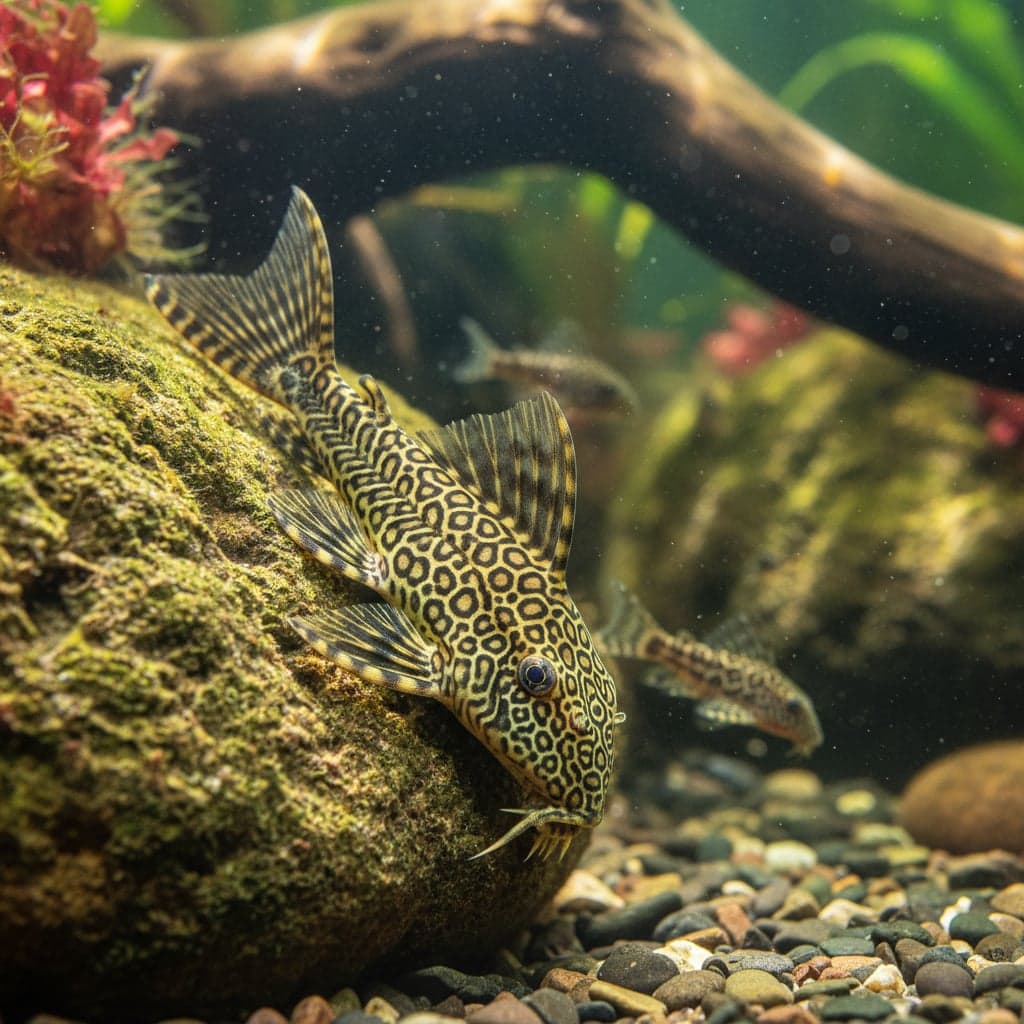
Betta & Common pleco
Hypostomus plecostomusPair compatibilityBetta and Common pleco: typical outcomes, risks, water parameters, and setup tips. Often compatible in most home tanks.

Betta & Corydoras (typical)
Corydoras spp.Pair compatibilityBetta and Corydoras (typical): typical outcomes, risks, water parameters, and setup tips. Often compatible in most home tanks.

Betta & Discus
Symphysodon spp.Pair compatibilityBetta and Discus: typical outcomes, risks, water parameters, and setup tips. Poor to incompatible in most home tanks.
Betta & Ghost shrimp
Palaemonetes spp.Pair compatibilityBetta and Ghost shrimp: typical outcomes, risks, water parameters, and setup tips. Poor to conditional in most home tanks.

Betta & Goldfish
Carassius auratusPair compatibilityBetta and Goldfish: typical outcomes, risks, water parameters, and setup tips. Generally incompatible in most home tanks.

Betta & Guppy
Poecilia reticulataPair compatibilityWhy bettas target male guppies, when the mix can be conditional, and how fry and feeding order change outcomes.
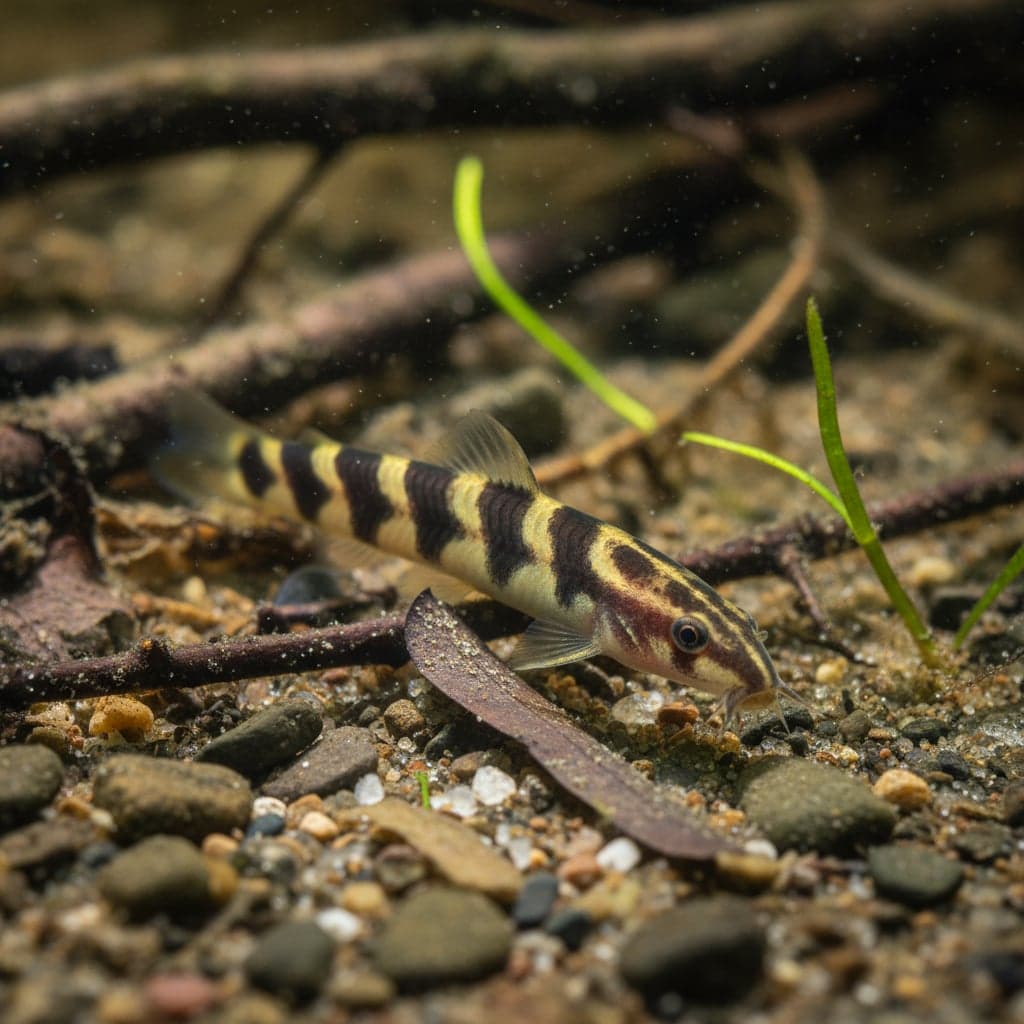
Betta & Kuhli loach
Pangio semicinctaPair compatibilityBetta and Kuhli loach: typical outcomes, risks, water parameters, and setup tips. Often compatible in most home tanks.
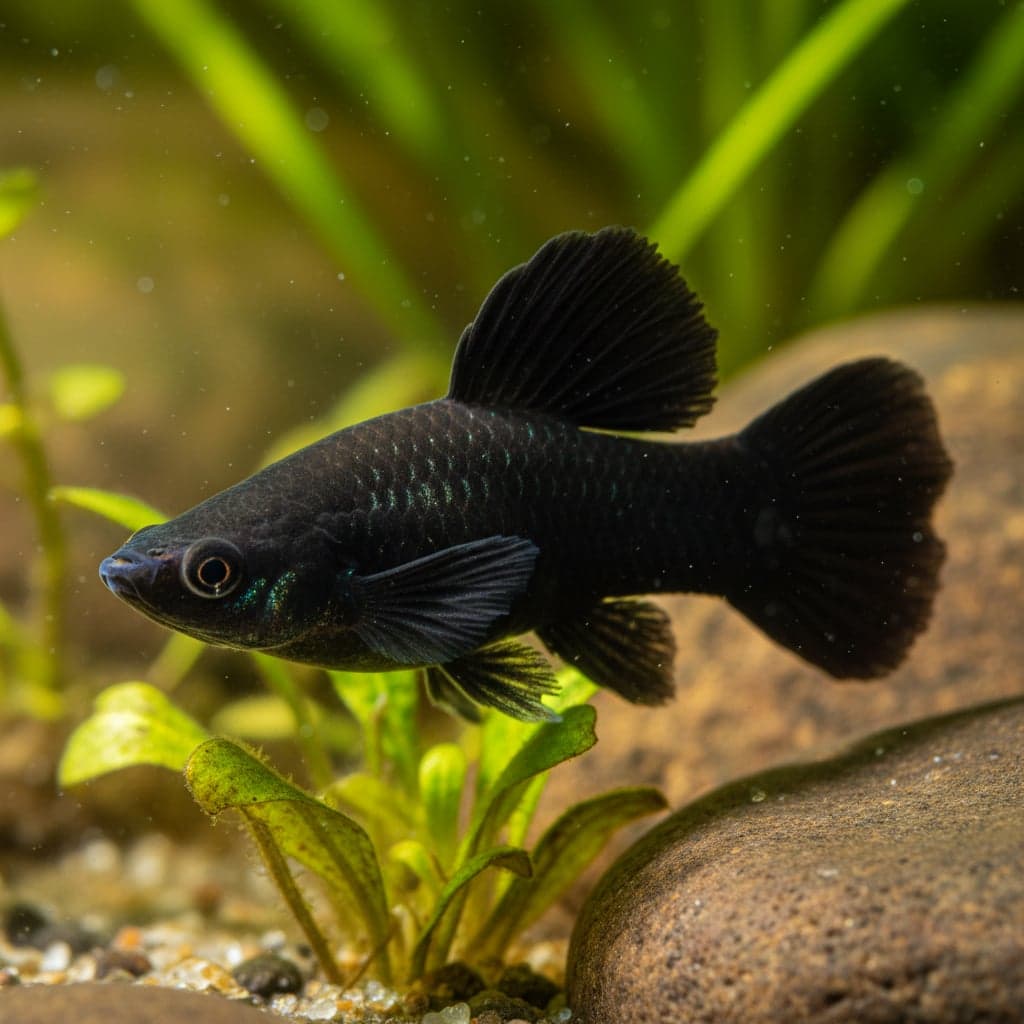
Betta & Molly
Poecilia sphenopsPair compatibilityBetta and Molly: typical outcomes, risks, water parameters, and setup tips. Territory risk in most home tanks.
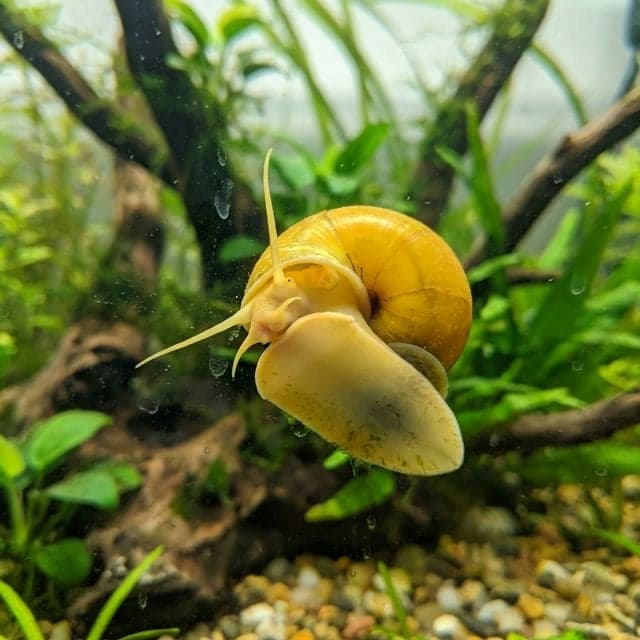
Betta & Mystery snail
Pomacea bridgesiiPair compatibilityBetta and Mystery snail: typical outcomes, risks, water parameters, and setup tips. Poor to conditional in most home tanks.
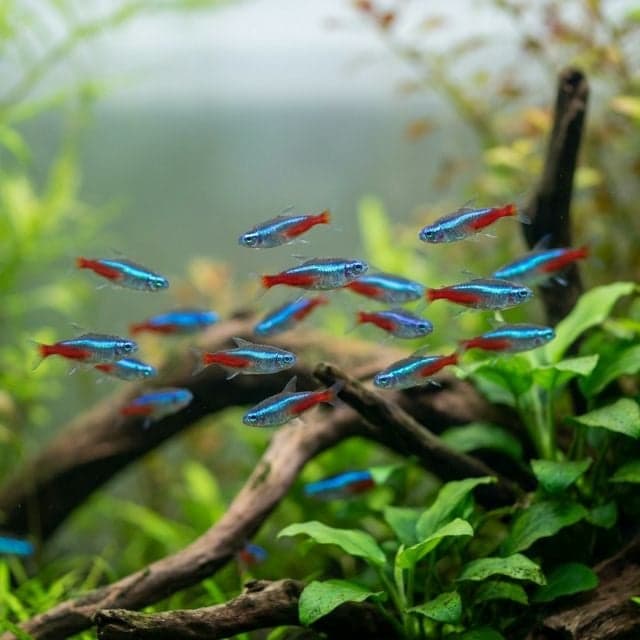
Betta & Neon tetra
Paracheirodon innesiPair compatibilityWhen bettas and neon tetras can share a tank, and when temperature, tank length, and school size make the pairing unrealistic.
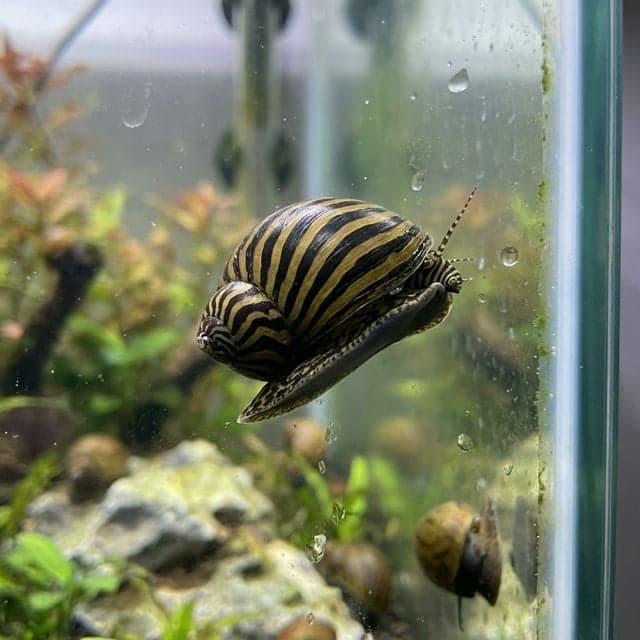
Betta & Nerite snail
Neritina spp.Pair compatibilityBetta and Nerite snail: typical outcomes, risks, water parameters, and setup tips. Poor to conditional in most home tanks.

Betta & Otocinclus
Otocinclus spp.Pair compatibilityBetta and Otocinclus: typical outcomes, risks, water parameters, and setup tips. Often compatible in most home tanks.
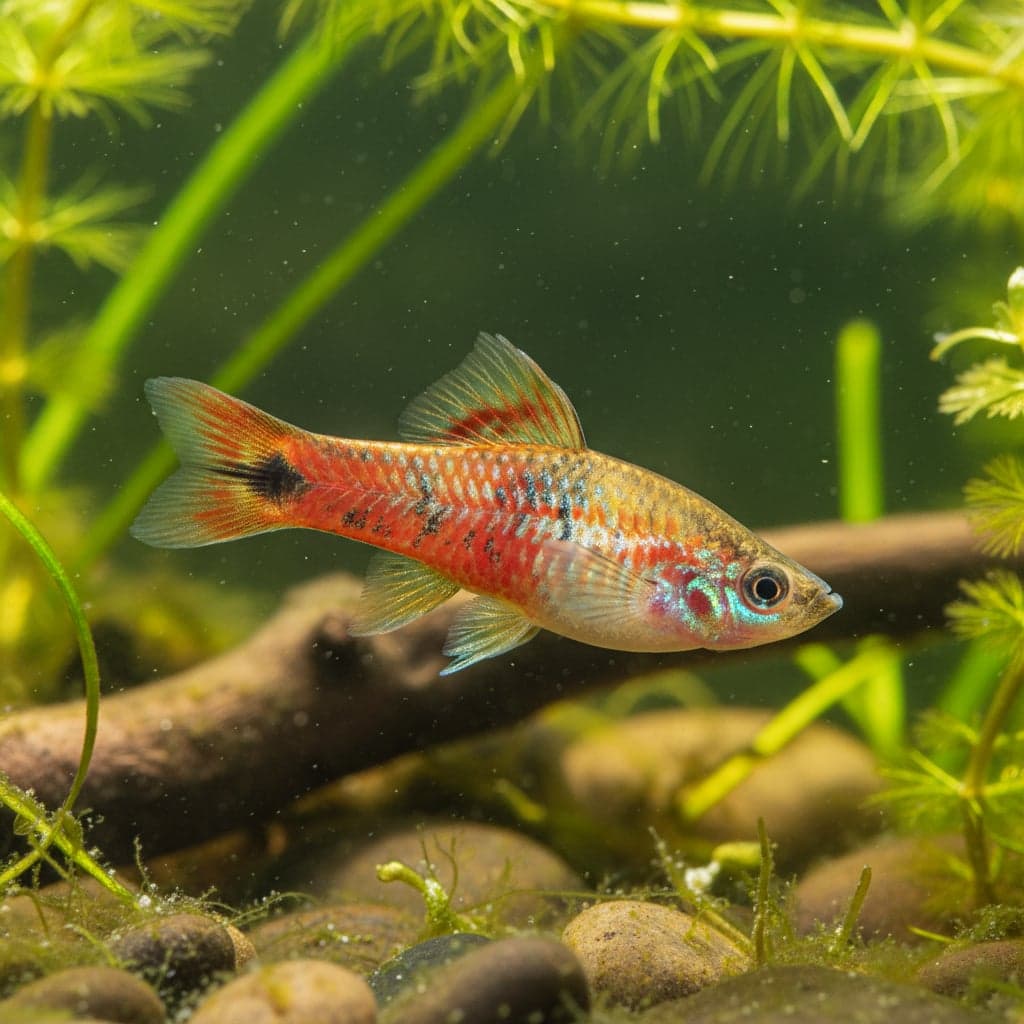
Betta & Platy
Xiphophorus maculatusPair compatibilityBetta and Platy: typical outcomes, risks, water parameters, and setup tips. Territory risk in most home tanks.

Betta & Ram cichlid
Mikrogeophagus ramireziPair compatibilityBetta and Ram cichlid: typical outcomes, risks, water parameters, and setup tips. Territory risk in most home tanks.
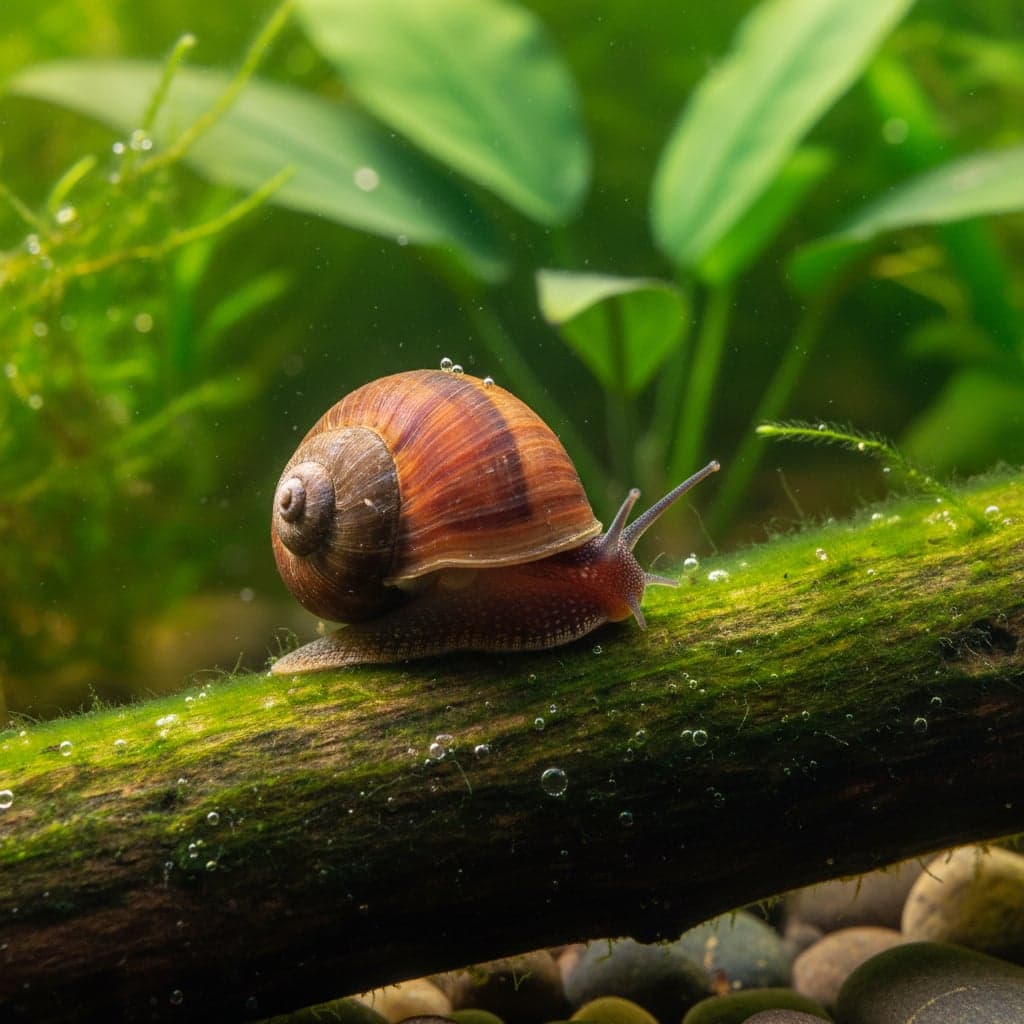
Betta & Ramshorn snail
PlanorbidaePair compatibilityBetta and Ramshorn snail: typical outcomes, risks, water parameters, and setup tips. Poor to conditional in most home tanks.

Betta & Zebra danio
Danio rerioPair compatibilityBetta and Zebra danio: typical outcomes, risks, water parameters, and setup tips. Conditional in most home tanks.
Breeding
Male bettas are bubble-nesters. Condition both sexes on high-quality, protein-rich food and stable, warm water. After the male builds a nest at the surface, introduce the female; horizontal “breeding stripes” often signal readiness.
The male wraps the female in a spawning embrace; eggs are picked up into the nest. Remove the female afterward—the male may attack her while guarding eggs. Eggs hatch in about 24–48 hours; the male tends fry until free-swimming. Offer infusoria or very fine foods for early fry.
Common Health Issues
Common problems include fin rot, ich, velvet, and swim bladder issues—often tied to water quality or diet. Avoid sharp décor; maintain routine water changes. Quarantine new fish; treat ich/velvet promptly. Swim bladder problems are frequently linked to overfeeding—feed conservatively and observe closely.