Can Betta Live With Molly? Tank Mate Compatibility
Betta and Molly: typical outcomes, risks, water parameters, and setup tips. Territory risk in most home tanks.
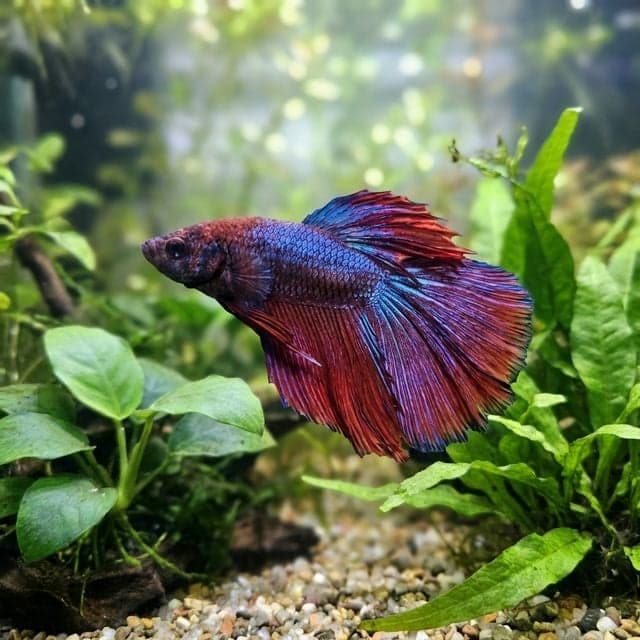
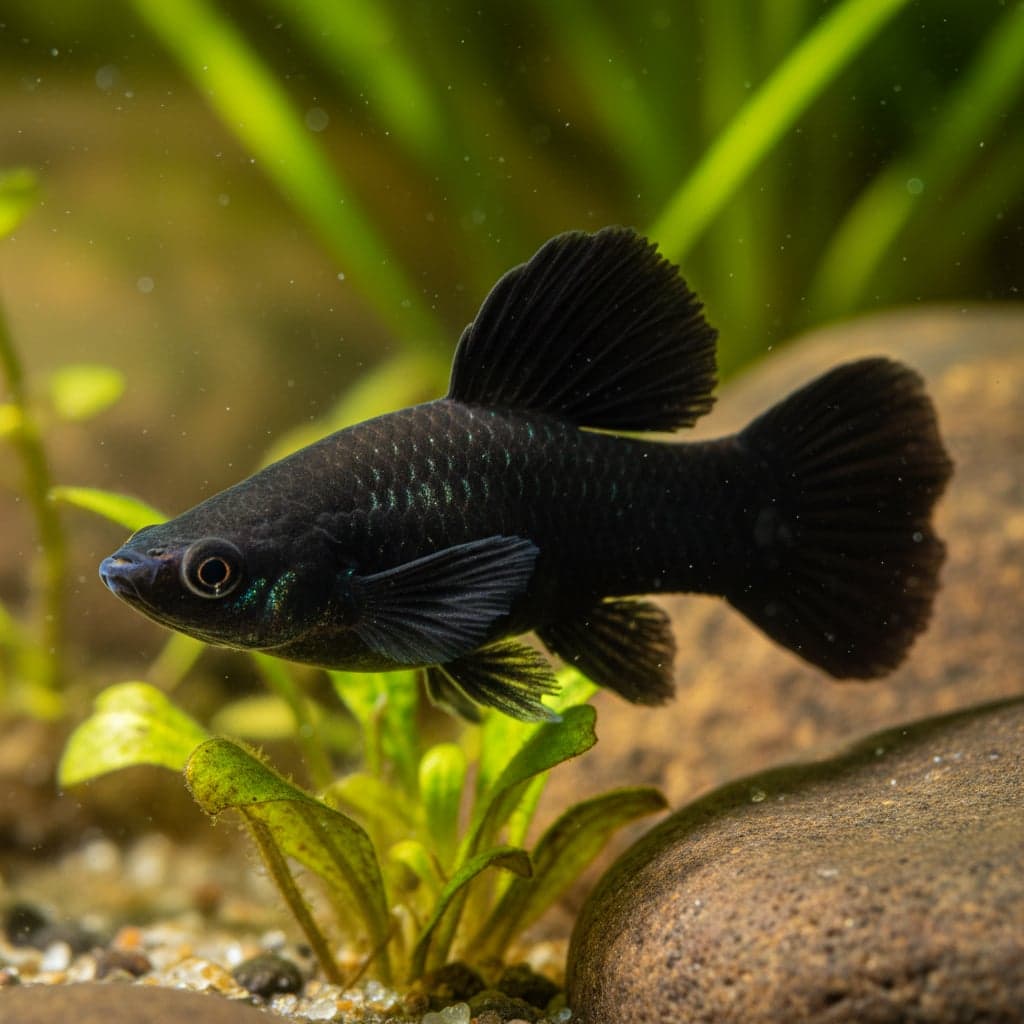
Betta and Molly sometimes work together when tank size, layout, individual temperament, and water parameters are carefully matched. Treat as conditional: observe closely for the first weeks and keep a quarantine or second tank ready.
Scientific names: Betta (Betta splendens) · Molly (Poecilia sphenops)
Compatibility summary
| Betta | Molly | |
|---|---|---|
| Typical verdict | Case-by-case | Case-by-case |
| Primary zone | Surface / mid patrol | Upper / mid |
| Main lever | Stable params; space | Stable params; space |
| Outcome | What you might see |
|---|---|
| Best case | Both species eat, colour up, and ignore each other’s space |
| Typical | Some chasing, hiding, or feeding competition early on |
| Worst case | Injury, predation, or chronic stress—split the tank |
Behaviour analysis
Betta typically uses surface / mid patrol; Molly uses upper / mid. When those zones overlap heavily, you see more interaction—positive or negative. Temperament varies by individual; always watch new introductions for several weeks.
Why this pairing can work
Overlapping temperature and pH windows exist for many keepers, especially with research-grade test kits and consistent partial water changes. Different vertical zones reduce competition: one species feeds high, the other low. Armoured or fast-moving tank mates often survive where slow, flashy fish do not.
Plants, hardscape, and line-of-sight breaks turn “maybe” into “stable” more often than buying more fish of the same stressed species.
Why this pairing often fails
The usual failure mode is space + parameters: tank too small for adult size, temperature optimised for one fish but marginal for the other, or feeding that starves the bottom while the surface hogs food. Aggression spikes after rescapes, spawning, or when the larger fish hits a growth spurt.
Beginners often add the second species before the first is settled, or skip quarantine—then blame “aggression” when the real issue was disease or ammonia.
Environmental comparison
| Parameter | Betta | Molly | Practical compromise |
|---|---|---|---|
| Temperature | 24–28 °C | 24–28 °C | Meet both mid-ranges where they overlap; log daily during setup |
| pH / hardness | Wide; stable | Alkaline preferred | Stability beats chasing extremes |
| Flow | Low–moderate | Moderate | Baffle or split flow so bottom vs surface species both cope |
Tank setup guidance
Cycle the tank fully before adding either species. Add the less territorial or more fragile fish first when in doubt, then the bolder species after layout is stable. Feed in zones: surface first or last depending on who steals; offer sinking foods for bottom dwellers after lights dim if needed.
Provide hiding places at multiple heights and a clear escape path from any bully. Minimum volume should reflect adult sizes, not juveniles at the shop.
Risks
- Parameter mismatch: long-term stress, faded colour, or shortened lifespan—test weekly at first.
- Predation or fin damage: especially if mouth size grows into “snack” territory—rehome early.
- Food competition: one species plumps while the other thins—split feeding methods.
- Disease after mixing: quarantine new arrivals; treat in a hospital tank when possible.
Tips
- Read the species guides: Betta · Molly.
- Browse tank mate hubs: Betta · Molly.
- Keep a cycled backup or divider-ready plan for the first month.
- Photograph fish weekly—body condition shows problems before behaviour does.
FAQ
Is this pairing beginner-friendly? Only if you test water often and can separate fish quickly.
What tank size? Size for the larger adult plus appropriate group size for schooling species—search each species guide for minimums.
Who to add first? Usually the less aggressive or more sensitive species first, then introduce the bolder fish with rearranged decor.
Will they breed? Livebearers and some cichlids will—plan for fry control or extra tanks.
Final verdict
Summary: Territory risk. Betta and Molly sometimes work together when tank size, layout, individual temperament, and water parameters are carefully matched.
Also explore: Betta tank mates · Molly tank mates. Guides: Betta · Molly.