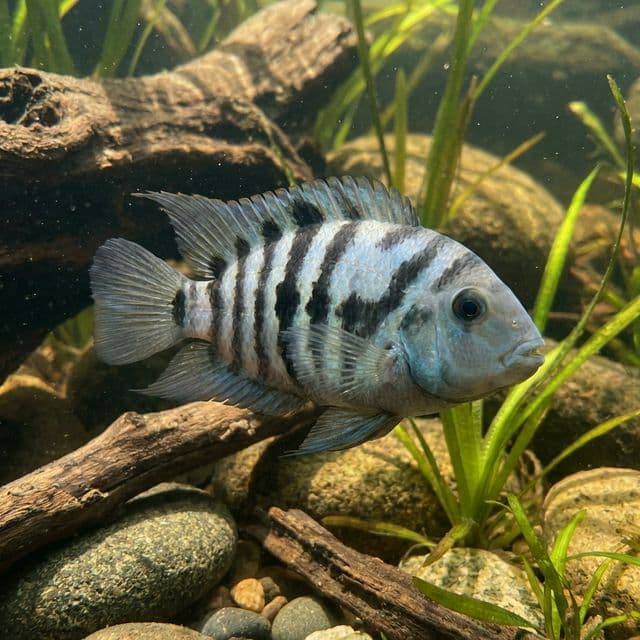
Bifasciatum Cichlid: Paratheraps bifasciatus
A large, red-spotted Central American cichlid. Beautiful but aggressive tankbuster.

Bifasciatum Cichlid
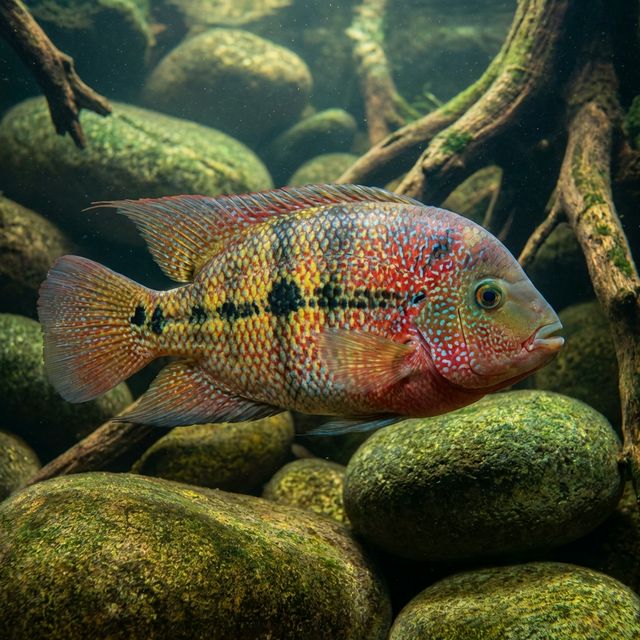
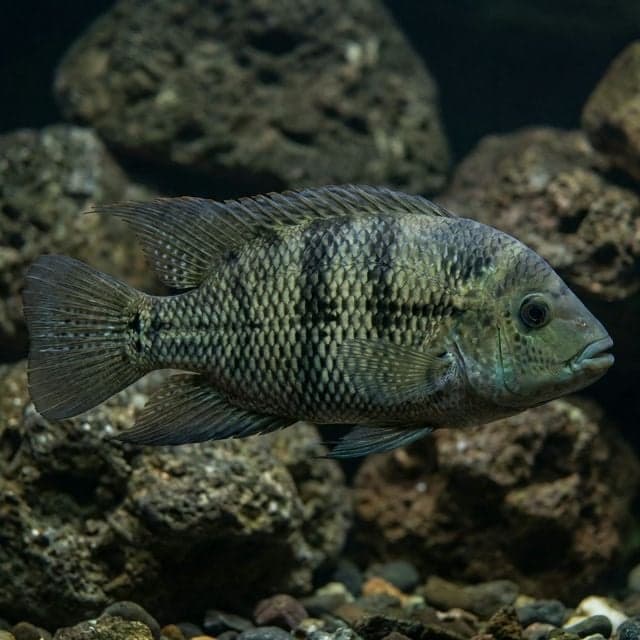
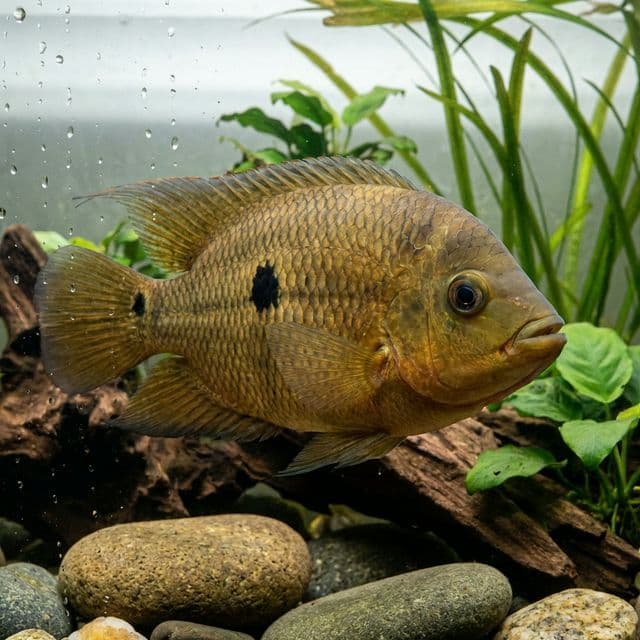
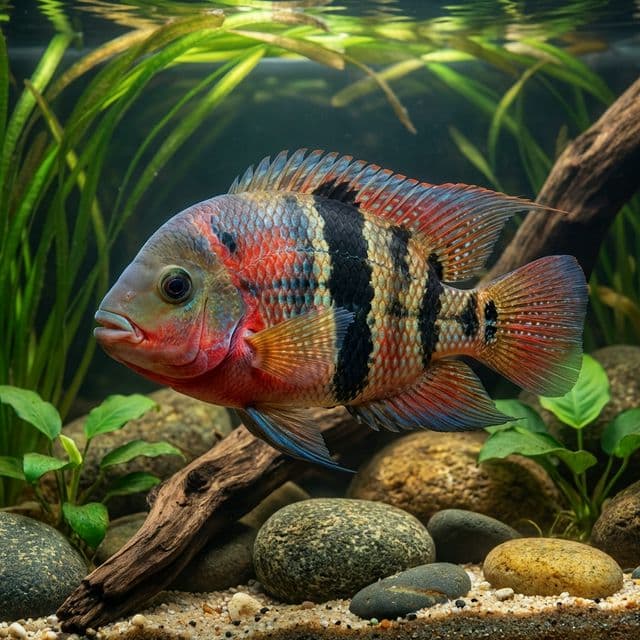
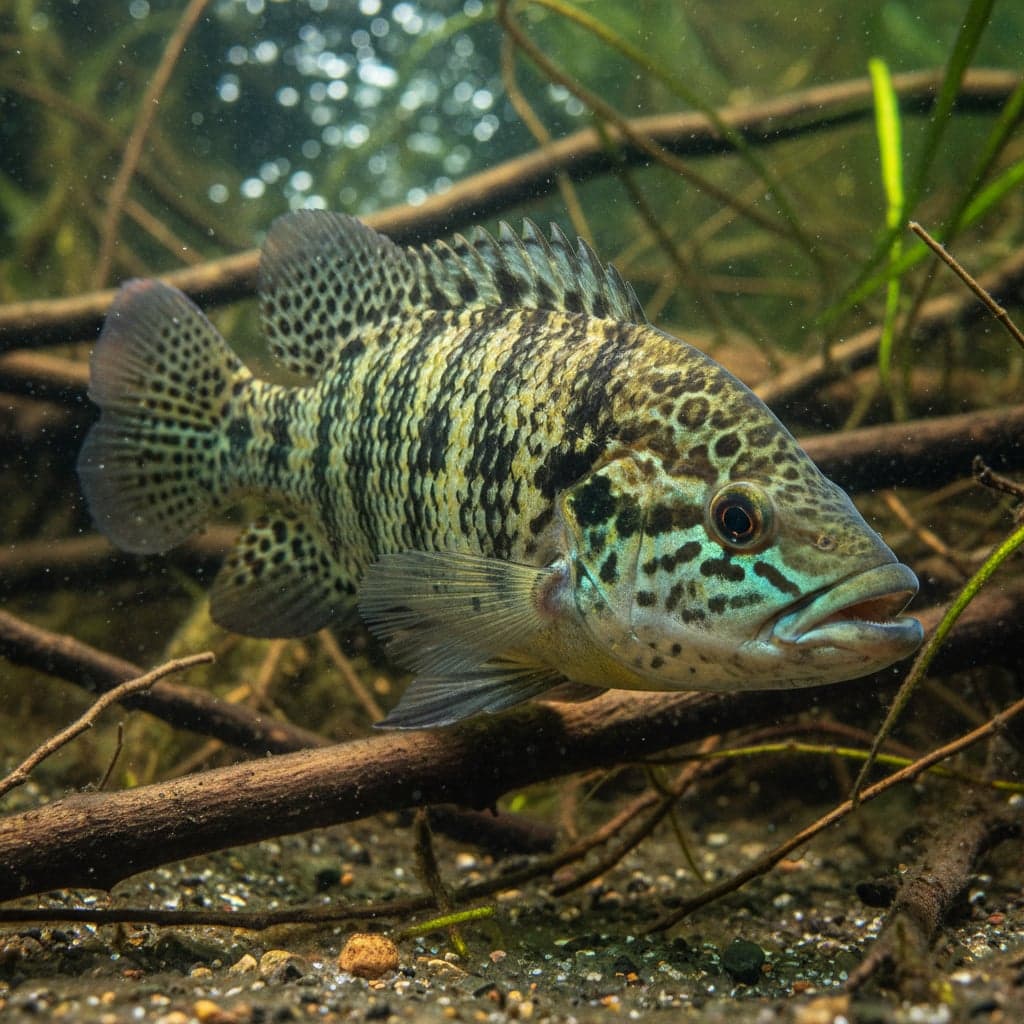
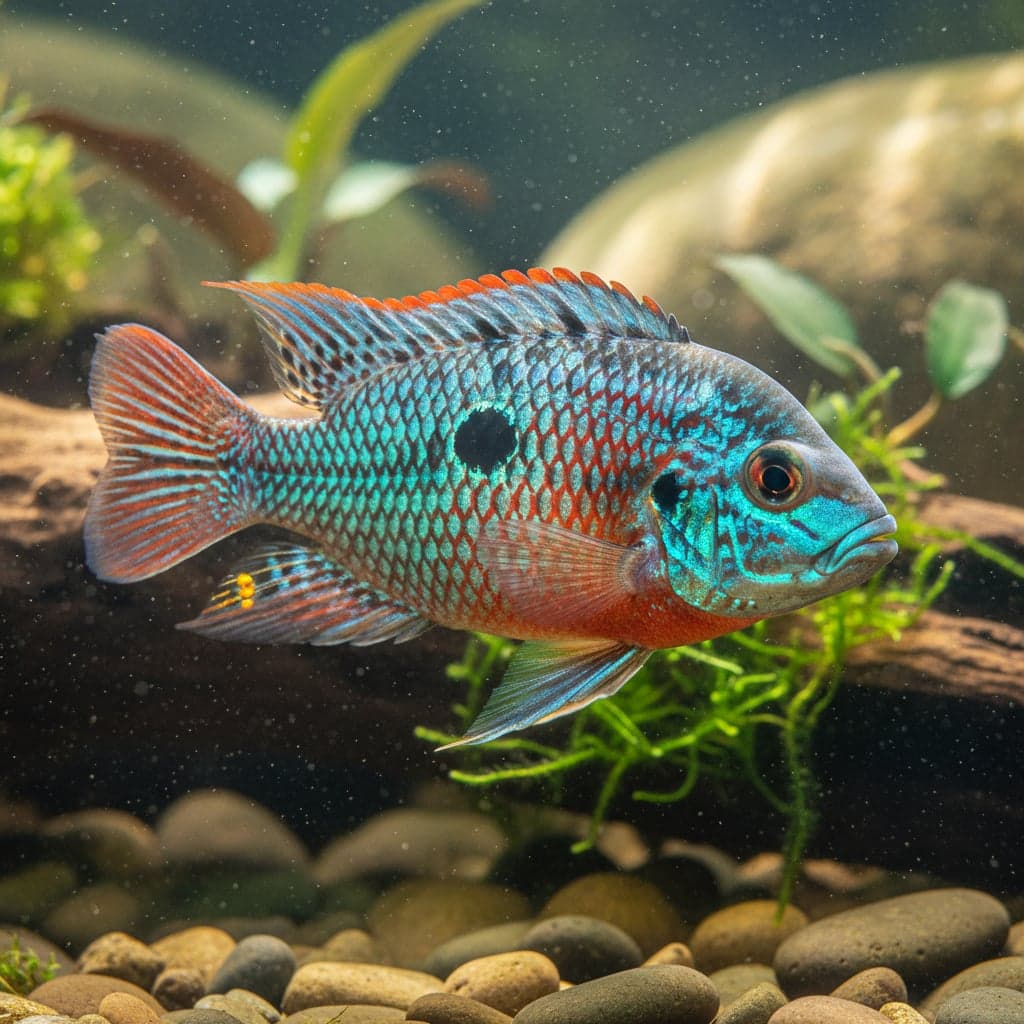
The Bifasciatum Cichlid, scientifically known as Paratheraps bifasciatus, is a visually striking freshwater fish native to Central America. Renowned for its dramatic coloration and unique body patterns, this cichlid typically showcases brilliant hues of blue, yellow, and orange, complemented by vertical stripes that run along its elongated body. These attributes not only enhance its aesthetic appeal in an aquarium setting but also contribute to its status as a favorite among aquarists and fish enthusiasts. This species is often regarded for its hardy nature and ability to thrive in a variety of conditions, making it a popular addition to many aquariums.
In the aquarium hobby, the Bifasciatum Cichlid holds significance due to its engaging behavior and relatively straightforward care requirements. Unlike some of its more aggressive relatives, this cichlid is known for a mix of territorial and docile behavior, allowing it to coexist peacefully with many other species in a well-planned aquarium setup. Its colorful displays and fascinating interactions with both tank mates and the environment make it an exciting species for both novice and experienced aquarists alike.
Natural Habitat & Origin
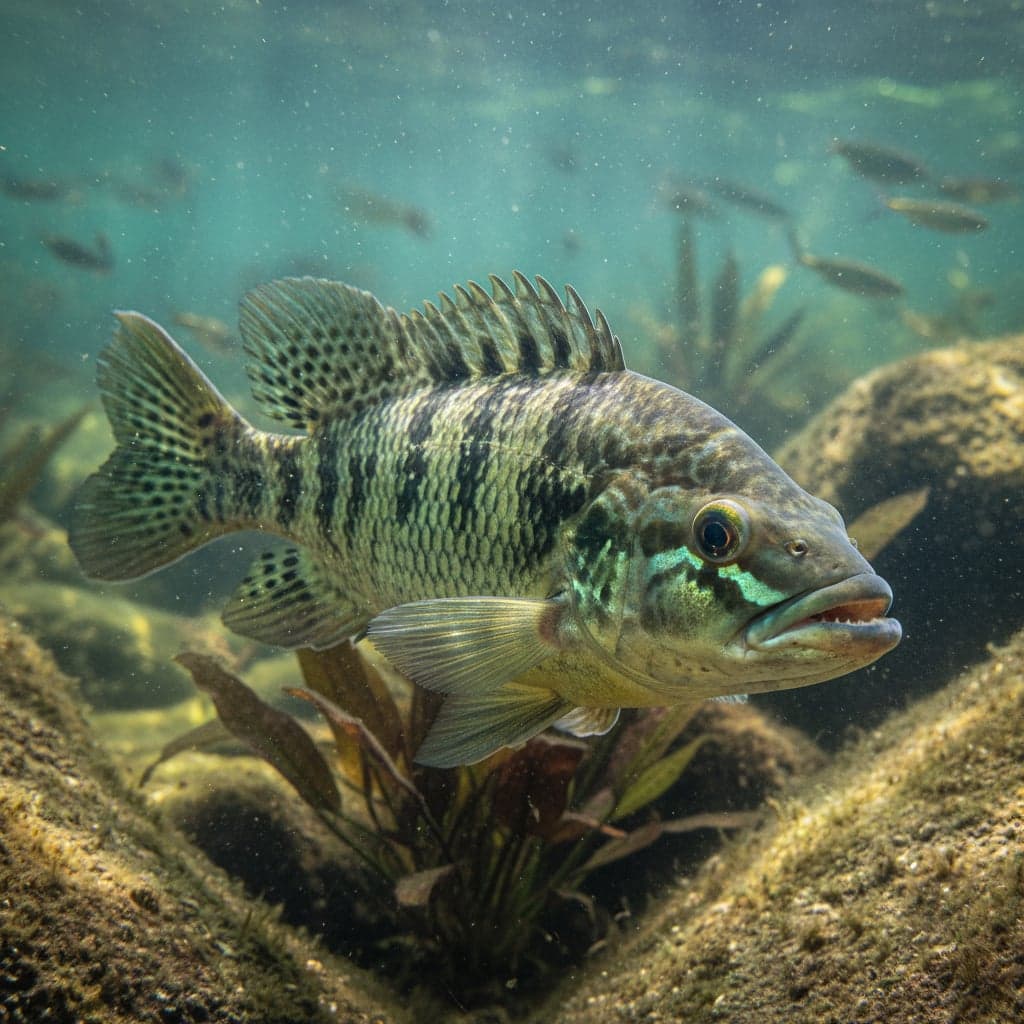
The Bifasciatum Cichlid originates from freshwater rivers and lakes in regions of Central America, notably in Nicaragua and Costa Rica. These environments are characterized by a mix of clear waters and areas with abundant aquatic vegetation, where they typically inhabit rocky substrates near the shorelines. The natural habitat of the Bifasciatum Cichlid features a range of water conditions, though it is often found in soft, slightly acidic water with a pH ranging from 6.5 to 7.5. The lush, vegetative surroundings of their native habitat contribute to not only their vibrant colors but also their well-defined behavioral patterns, which are shaped by the complexities of their environment.
In the wild, the Bifasciatum Cichlid thrives in warm waters, with temperatures typically ranging from 24°C to 28°C (75°F to 82°F). The presence of organic debris, submerged rocks, and plant life in their natural habitat plays a crucial role in their behavior and interaction with both their environment and other fish. When recreating this environment in captivity, it is essential to mimic these conditions carefully to ensure the most natural and healthy environment for these stunning cichlids.
Care Requirements
To provide optimal care for the Bifasciatum Cichlid, it is essential to maintain appropriate water parameters. The ideal pH level should range between 6.5 and 7.5, while temperatures should be kept within the range of 24°C to 28°C (75°F to 82°F). Water hardness is best maintained at 5 to 15 dGH for overall health. A minimum tank size of 75 gallons is recommended for adult Bifasciatum Cichlids, allowing sufficient swimming space and territories for their natural behaviors.
For the tank setup, the substrate should consist of fine gravel or sand, which mimics their natural rocky environment. Providing ample hiding spots using rocks and driftwood will reduce stress and minimize aggression among tank mates. While they do not require intense lighting, a moderate level will enhance their colors and encourage plant growth. Incorporating live plants can help create a more natural environment, but ensure that any plant species selected are robust and can withstand potential nibbling.
Diet & Feeding
The Bifasciatum Cichlid is primarily omnivorous, requiring a varied diet to thrive. In captivity, it is essential to provide a balanced nutrition regimen that includes high-quality pellets, flakes, frozen foods, and occasional live foods like brine shrimp or bloodworms. A high-protein diet is vital for juvenile growth, while adults benefit from a mix of protein and plant-based foods. It is recommended to feed them 2 to 3 times a day, ensuring that all food is consumed within a few minutes to maintain water quality.
Ensuring dietary variety is crucial for the overall health and wellbeing of the Bifasciatum Cichlid. Regularly rotating the type of food offered can help prevent nutritional deficiencies, while also encouraging natural foraging behaviors. Providing both commercial and natural food sources will help to enhance their overall coloration and vitality.
Behavior & Temperament
The Bifasciatum Cichlid exhibits a mix of calm and semi-aggressive behavior, particularly as it matures and establishes its territory within the aquarium. These cichlids are known to be more tolerant of other fish than some of their relatives, making them a suitable choice for community setups when introduced thoughtfully. However, they can still display territorial tendencies, especially during breeding periods.
In terms of social behavior, Bifasciatum Cichlids typically prefer to establish a hierarchy with their tank mates. They enjoy vertical space, often occupying different levels in the tank; therefore, providing a setup that includes both open swimming areas and hiding spots can help reduce conflicts. Observing their interactions can be quite captivating, as they engage in unique displays of color and movement, especially when establishing their territory.
Tank Mates
Choosing suitable tank mates for the Bifasciatum Cichlid is crucial to maintaining a harmonious aquarium environment. Compatible species typically include larger cichlids, such as mid-to-large-sized African cichlids (like the mbuna or haplochromis), larger tetras, and peaceful central American fish. Good companions include the Silver Dollar, Convict Cichlid (with caution), and larger barbs.
However, certain species should be avoided due to their smaller size or aggressive nature, as these can provoke stress or harm to the Bifasciatum Cichlid. Avoid housing them with small fish, especially those that occupy the same habitat, such as neon tetras or guppies, as they may become targets for aggression. Additionally, overly aggressive species like some types of tiger barbs or highly territorial cichlids should be excluded from their tank to ensure peace.
Breeding
Breeding the Bifasciatum Cichlid in captivity can be an exciting endeavor, as they typically exhibit unique spawning behaviors. To encourage breeding, a separate breeding tank of at least 30 gallons should be set up with slightly warmer water (around 28°C or 82°F) and a well-established environment. Providing flat rocks or clay tiles serves as suitable spawning surfaces where the female can lay eggs.
During the breeding process, males will display their vibrant colors and engage in courtship rituals to attract females. After spawning, the female will guard the eggs diligently, while both parents will typically exhibit protective behaviors towards the fry once they hatch. If proper conditions are maintained, fry can be raised in the same tank or transferred to a rearing tank to ensure better survival rates.
Common Health Issues
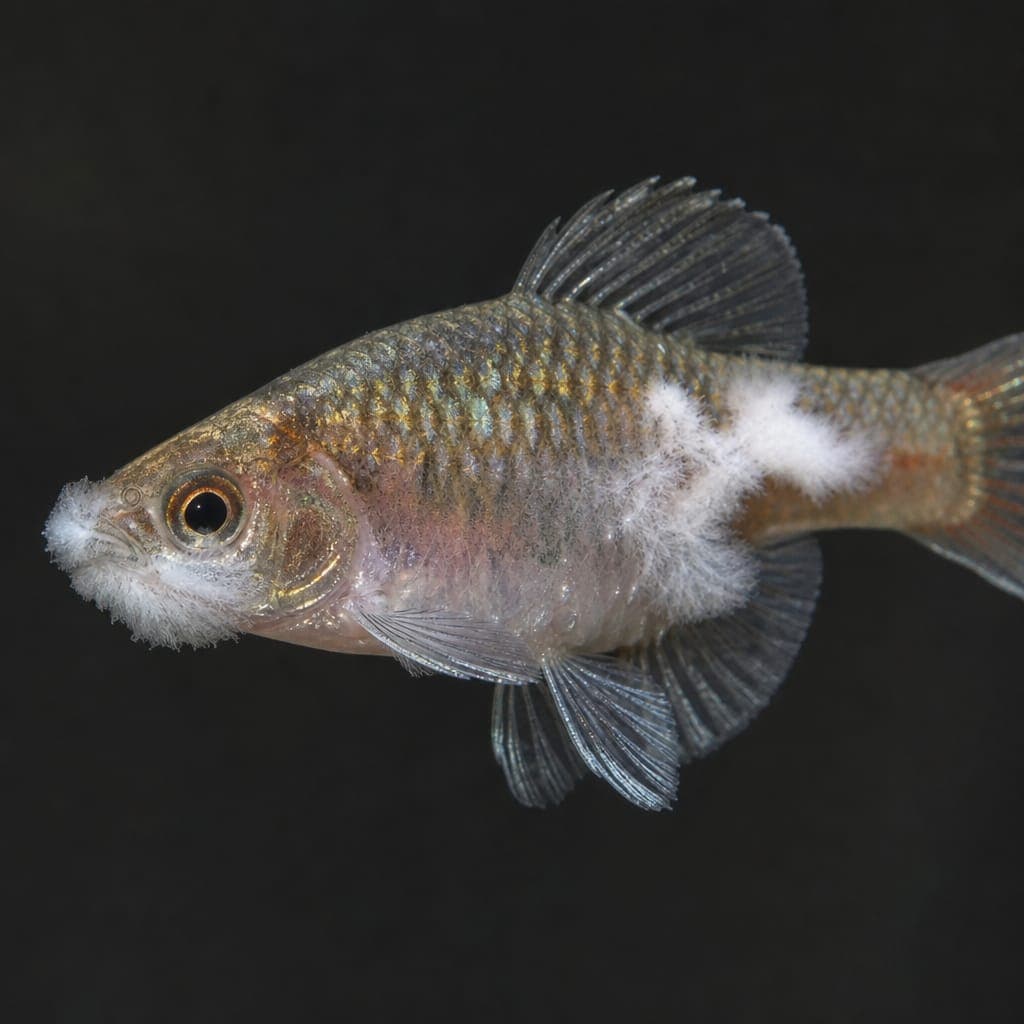
Like all aquarium fish, Bifasciatum Cichlids can be susceptible to several common health issues. Some of the most frequent ailments include ich (white spot disease), fin rot, and fungal infections. Regular water quality monitoring and maintaining an appropriate environment can significantly reduce the risk of these diseases.
Preventative care is key. Ensuring a well-maintained aquarium system, providing high-quality food, and employing a proper tank cleaning routine can help keep the Bifasciatum Cichlid healthy. Additionally, quarantining new fish before they join the display tank greatly reduces the chance of introducing parasites or bacteria. Watch for white spots, frayed fins, cottony growths, or loss of appetite, and treat promptly in a hospital setup while improving water quality. Avoid overcrowding and sudden parameter swings that weaken immunity. A varied diet and stable hard, alkaline water further support resilience. With attentive care, Bifasciatum Cichlids remain colorful, assertive Tanganyikan centrepieces rather than chronically stressed fish in the home aquarium.