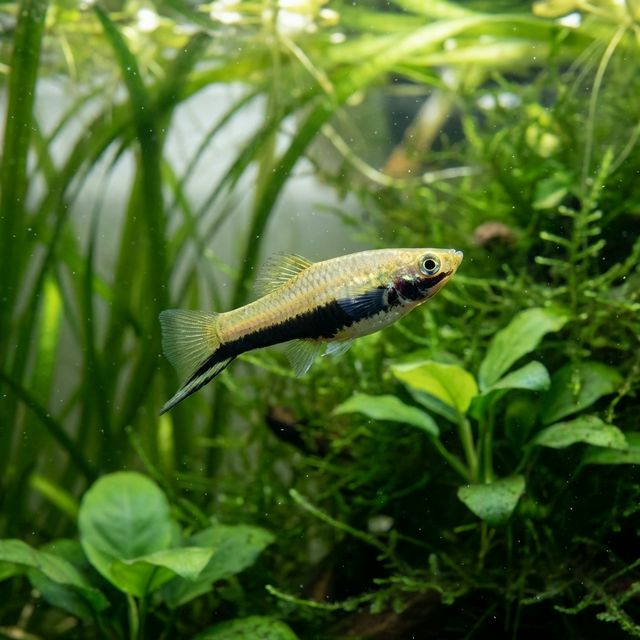
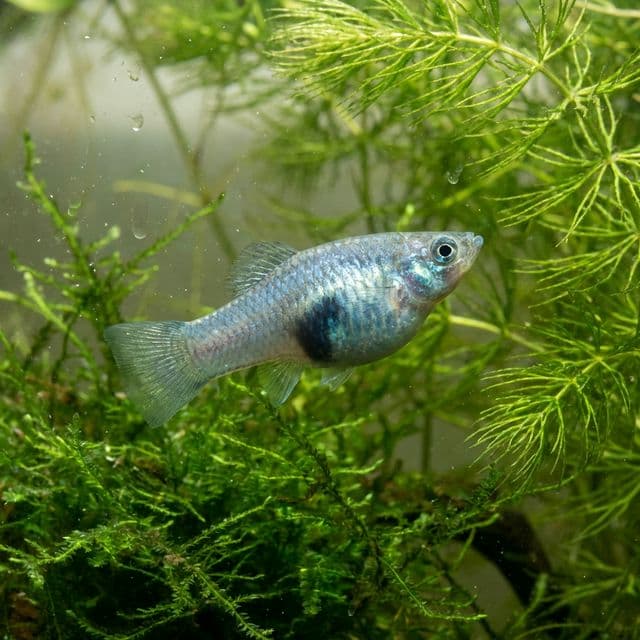
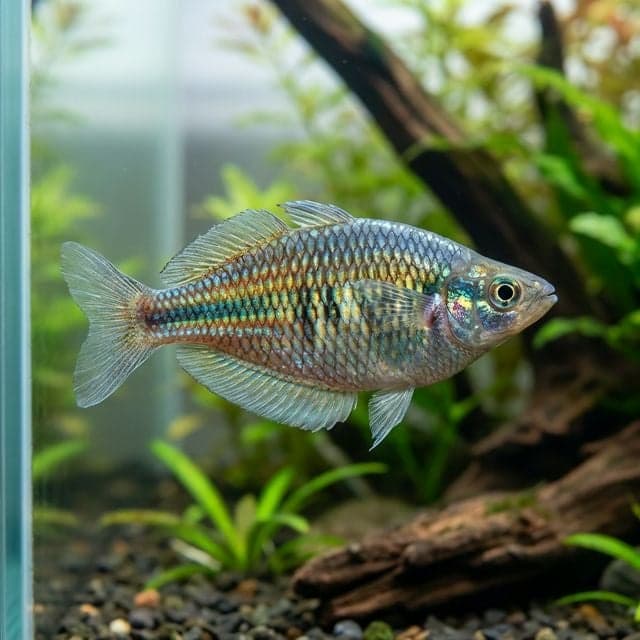
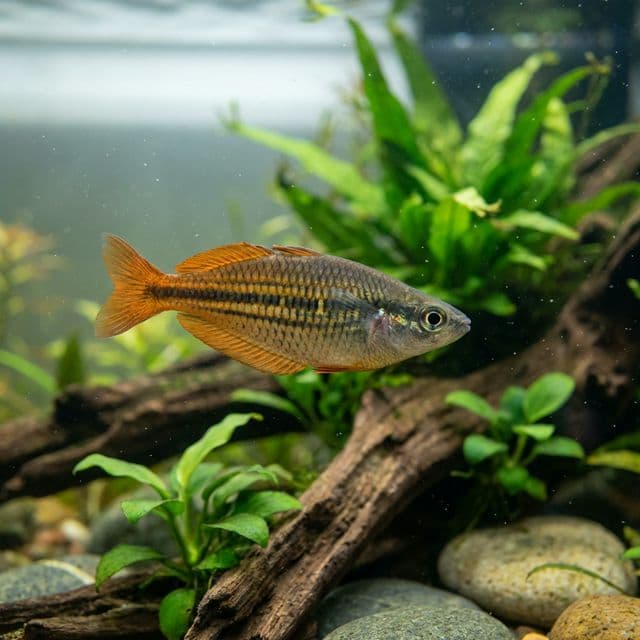
Black Chin Livebearer: Girardinus metallicus
A small, metallic livebearer from Cuba. Males have a black chin and belly.
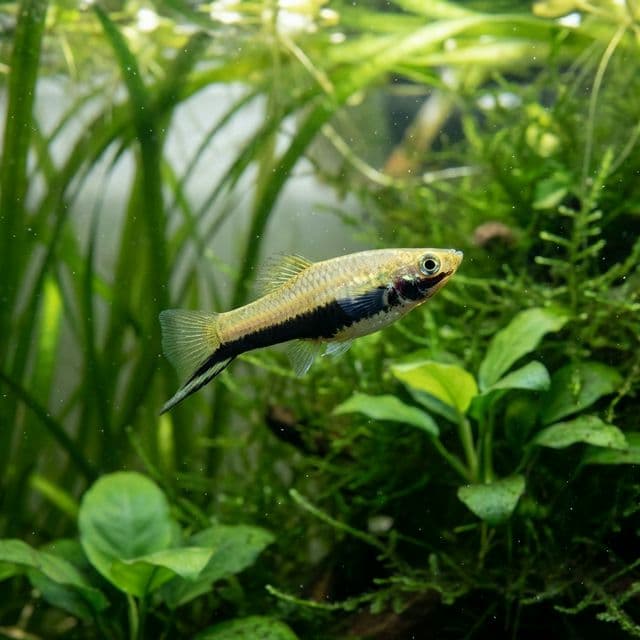
Black Chin Livebearer
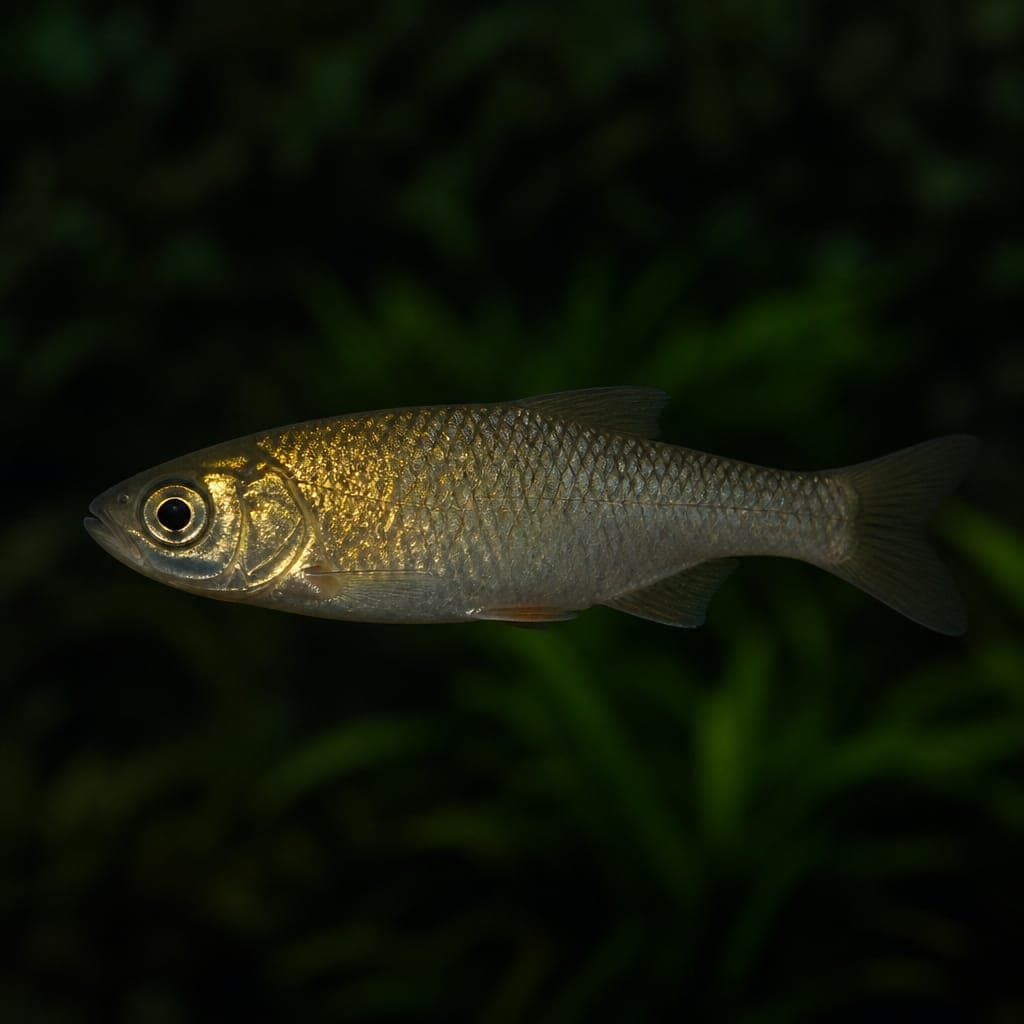
The Black Chin Livebearer, scientifically known as Girardinus metallicus, is a captivating species native to freshwater bodies in Central America. Known for its striking metallic coloration and distinctive black chin, this fish adds a unique aesthetic to any aquarium. Adult males showcase vibrant hues that often shimmer under the right lighting, while females tend to exhibit more subdued colors with a robust body shape that distinguishes both sexes. Their vibrant appearance, coupled with their dynamic swimming patterns, makes them a favorite among aquarists. Not only do they serve as an eye-catching addition, but they also play an essential role in promoting biodiversity within aquariums, acting as indicators of ecological health.
In the aquarium hobby, the Black Chin Livebearer is celebrated not only for its beauty but also for its hardiness and adaptability to various water conditions. This livebearer species thrives in well-planted environments, which mimic its natural habitat. Their relatively peaceful demeanor allows them to coexist with a variety of fish, making them a versatile choice for community tanks. Additionally, their interesting reproductive habits, where they give birth to live young rather than laying eggs, provide aquarists with exciting opportunities for breeding and raising new generations within the aquarium setting.
Natural Habitat & Origin
The Black Chin Livebearer originates primarily from the freshwater streams and rivers of Central America, specifically in countries such as Cuba, Jamaica, and the southern parts of Mexico. They are typically found in shallow waters with slow-moving currents, where dense vegetation provides ample hiding spots. These fish thrive in soft, slightly acidic to neutral waters, often in habitats characterized by leaf litter and organic debris, common in the blackwater ecosystems of their native range. This environment plays a crucial role in their natural behavior and adaptation, as they have evolved to navigate through thick vegetation while foraging for food and seeking shelter from predators.
The ecological context of their habitat is significant. Black Chin Livebearers are often associated with larger schooling fish and various invertebrates, which contribute to their diverse diet. They prefer environments that offer a stable temperature, usually ranging from 24°C to 28°C (75°F to 82°F), along with moderate water hardness. This preference for specific environmental conditions underscores the importance of replicating their natural habitat within home aquariums to ensure their health and well-being.
Care Requirements
To successfully keep the Black Chin Livebearer, it is essential to maintain specific water parameters conducive to their native environment. The ideal pH range is between 6.0 and 7.5, with a temperature range of 24°C to 28°C (75°F to 82°F). Furthermore, water hardness should ideally be between 5 to 20 dGH to foster optimal health. A well-maintained filtration system is crucial for keeping the water clean, along with regular changes of 10% to 15% weekly to maintain water quality.
When setting up an aquarium for the Black Chin Livebearer, the minimum tank size should be at least 20 gallons to allow them to swim freely and establish territories. A soft substrate, such as fine gravel or sand, is recommended to mimic their natural environment. Incorporating plenty of live plants, floating vegetation, and driftwood not only provides shelter and breeding sites but also encourages their natural foraging behaviors. Moderate lighting is ideal, as it promotes plant growth while avoiding stress on the fish.
Diet & Feeding
The Black Chin Livebearer is an omnivorous species, which gives aquarists a wide variety of food options. In captivity, it’s important to provide a balanced diet that includes high-quality flake or pellet foods, supplemented with frozen or live foods such as brine shrimp, daphnia, and bloodworms. These live foods can help stimulate their natural hunting instincts, promoting both mental stimulation and overall health. It is advisable to feed them small amounts two to three times a day, ensuring that they consume all food within a few minutes to prevent water quality issues.
Including plant matter in their diet is also beneficial, as it supports their digestive health. Blanched vegetables like spinach, zucchini, or peas can be offered occasionally to promote nutritional balance. As with any aquarium fish, careful attention should be paid to diet and feeding practices to ensure the health and longevity of the Black Chin Livebearer.
Behavior & Temperament
The Black Chin Livebearer is known for its peaceful demeanor, making it an excellent addition to community tanks. Typically displaying schooling behavior, these fish feel more comfortable when kept in small groups of at least five to six individuals. In terms of aggression, they are generally non-aggressive; however, males can exhibit territorial behavior, especially during breeding or when establishing dominance. It's important to provide sufficient space and hiding spots within the tank to minimize stress and aggression among tank members.
Their placement within the tank is noteworthy; Black Chin Livebearers are mid to upper-level swimmers. They enjoy exploring the middle areas of the aquarium while also occasionally venturing near the surface. This behavioral pattern underscores the importance of creating a multi-dimensional aquarium with floating plants and open swimming space to promote natural behaviors.
Tank Mates
When selecting tank mates for the Black Chin Livebearer, it is crucial to consider the nature of the species involved. Compatible tank mates include peaceful freshwater species such as Corydoras catfish, guppies, neon tetras, danios, and small rasboras. Such combinations can create a vibrant community while maintaining a harmonious environment. Ideally, tank mates should also prefer similar water conditions to ensure overall compatibility.
However, certain species should be avoided, particularly those that display aggressive behavior, such as cichlids, larger barbs, or fin-nippers. These species can stress or harm the Black Chin Livebearer, disrupting the peaceful dynamic of the aquarium. Careful planning and consideration of tank mates are essential for the health and well-being of the fish.
Breeding
Breeding the Black Chin Livebearer in captivity can be a rewarding experience for aquarists. These fish are livebearers, meaning they give birth to free-swimming young rather than laying eggs. In preparation for breeding, it’s best to provide a separated breeding tank with plenty of plants and hiding spots. Ideal conditions include slightly warmer water, around 26°C to 28°C (79°F to 82°F), and a slightly acidic to neutral pH.
During the breeding process, males will display courtship behaviors such as chasing and nudging females. After mating, females will gestate for about 4 to 6 weeks before giving birth to live fry. Providing high-quality food and a low-stress environment during this period is critical for the health of the fry. Once the young are born, they can be fed infusoria or finely crushed flakes until they grow larger, after which they can transition to standard fry food options.
Common Health Issues
Like all aquarium fish, the Black Chin Livebearer can be susceptible to several health issues. Common ailments include ich (white spot disease), fin rot, and velvet disease. To prevent these issues, it is vital to maintain excellent water quality through regular tank maintenance and appropriate filtration. Ensuring the tank is not overcrowded and providing a balanced diet can also play a significant role in preventing disease outbreaks.
Regular monitoring of water parameters and routine health checks on the fish will help identify and address any problems early on.