Black Diamond Stingray: Potamotrygon leopoldi
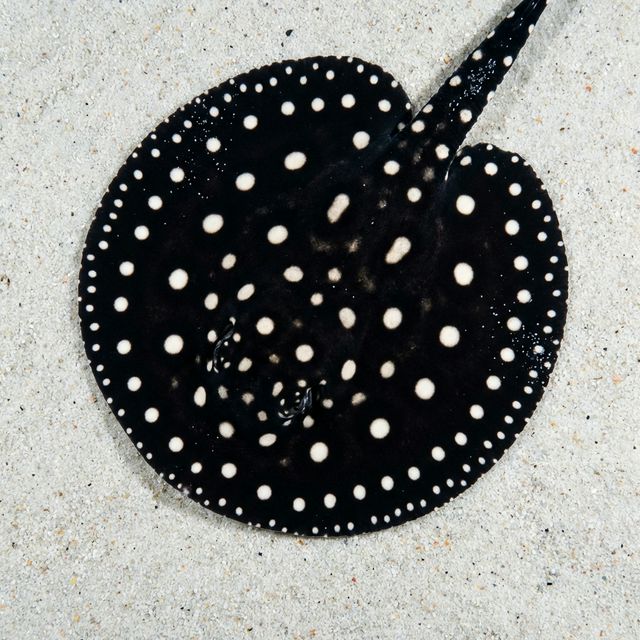
One of the most prized freshwater stingrays. Stunning black disc with large white polka dots.
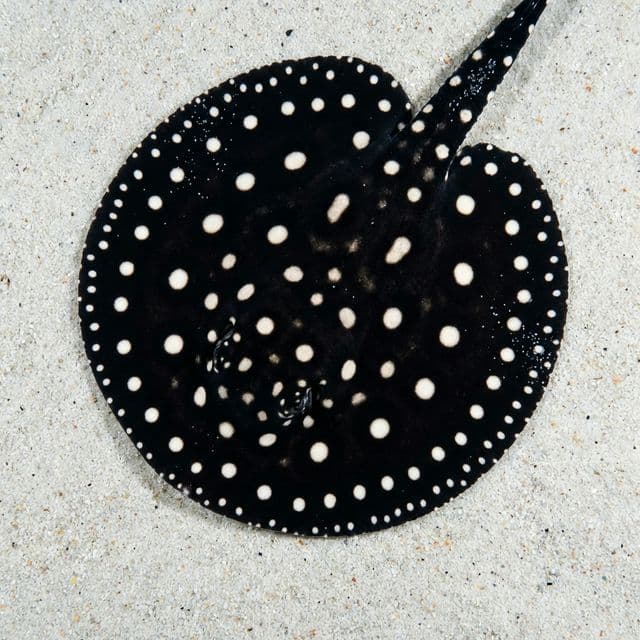
Black Diamond Stingray
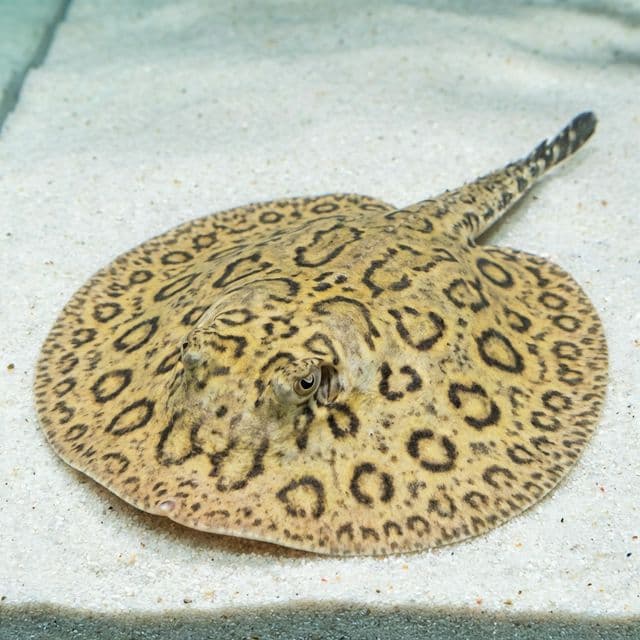
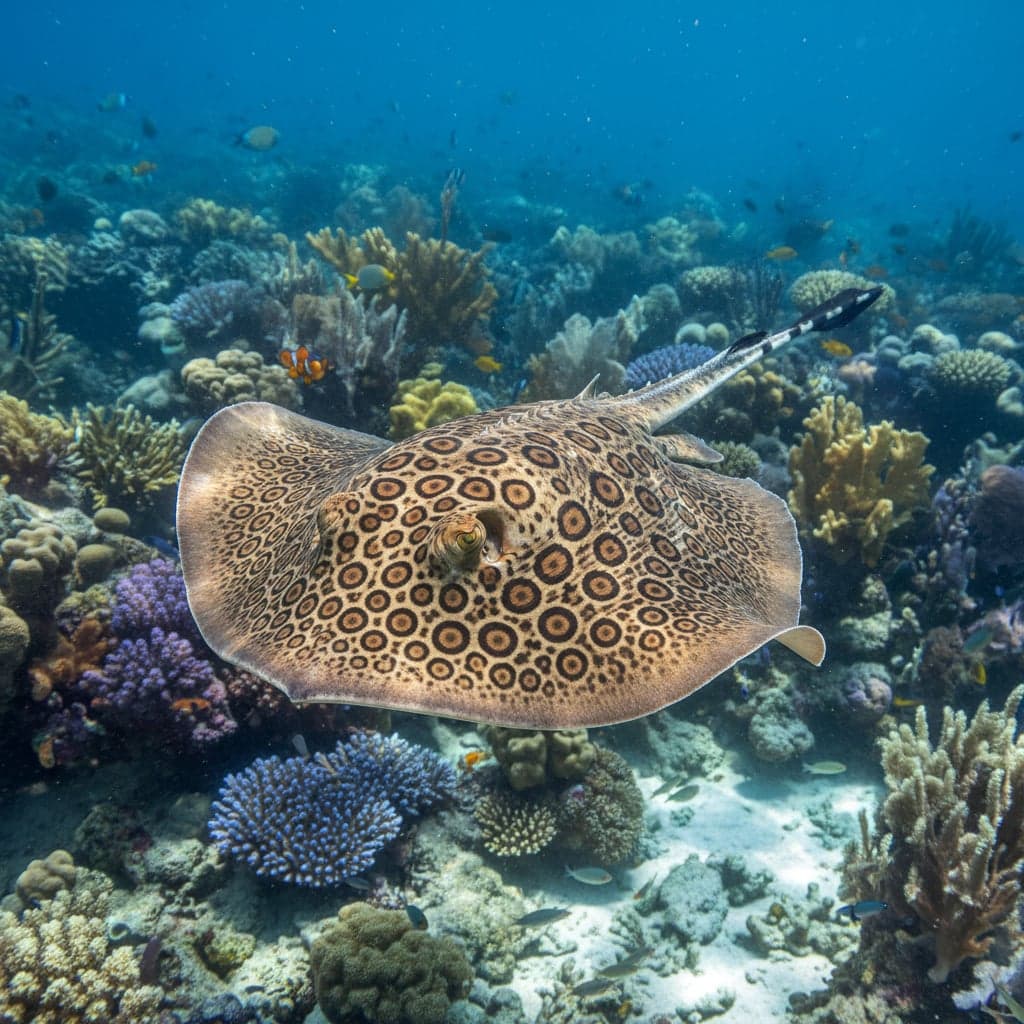
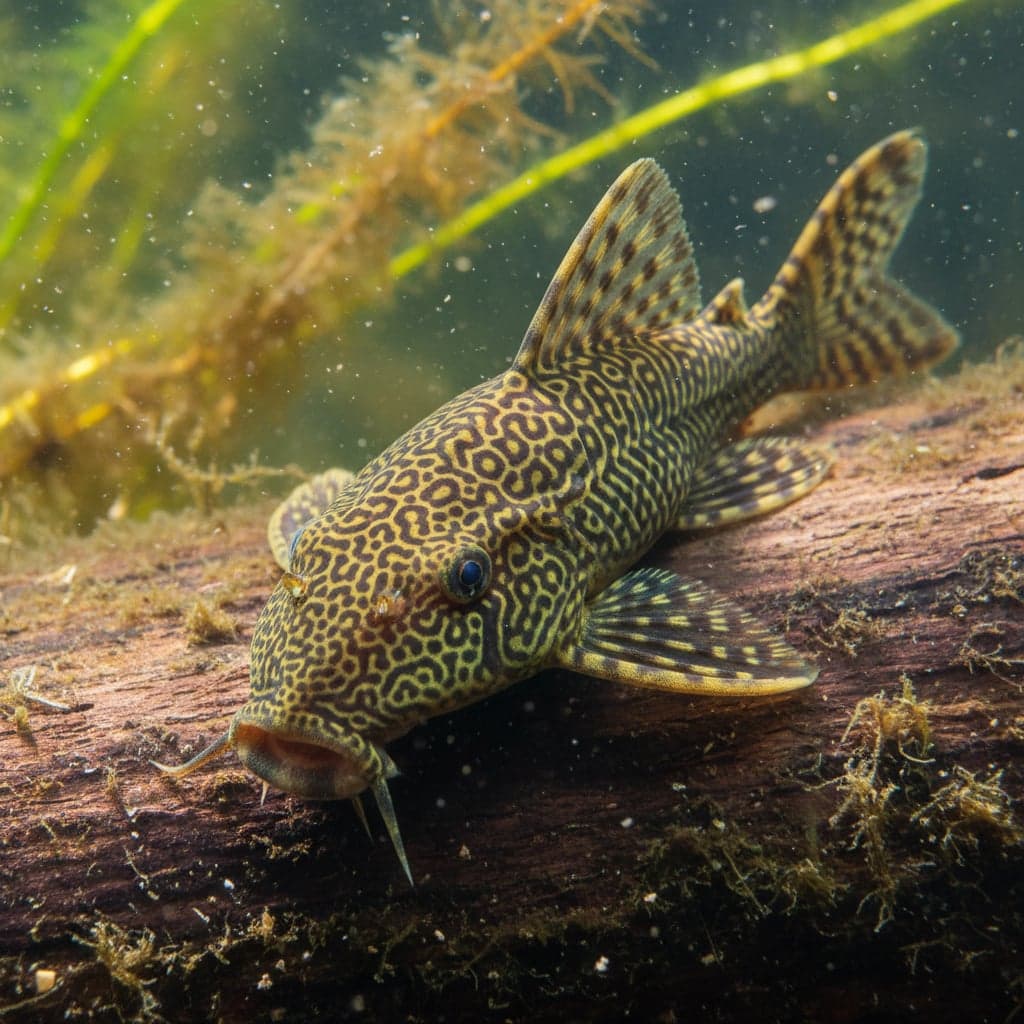
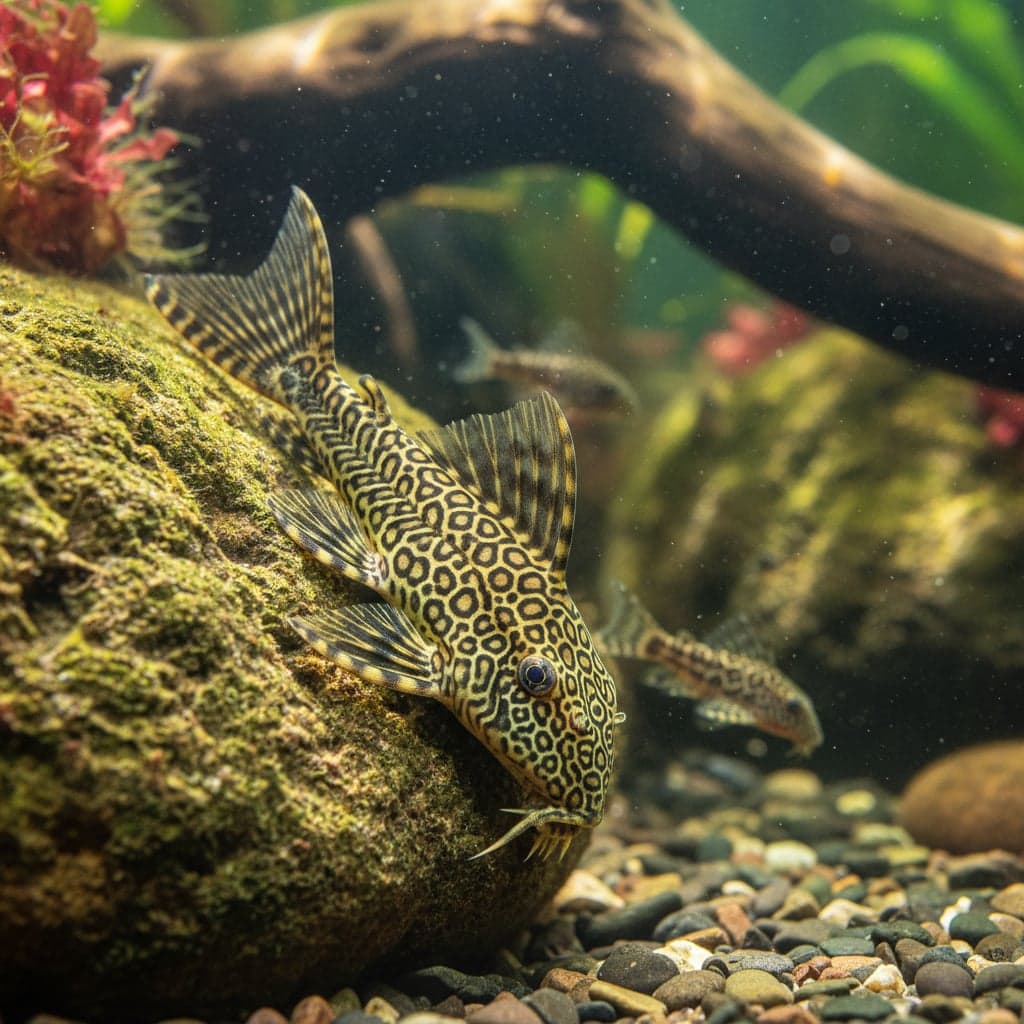
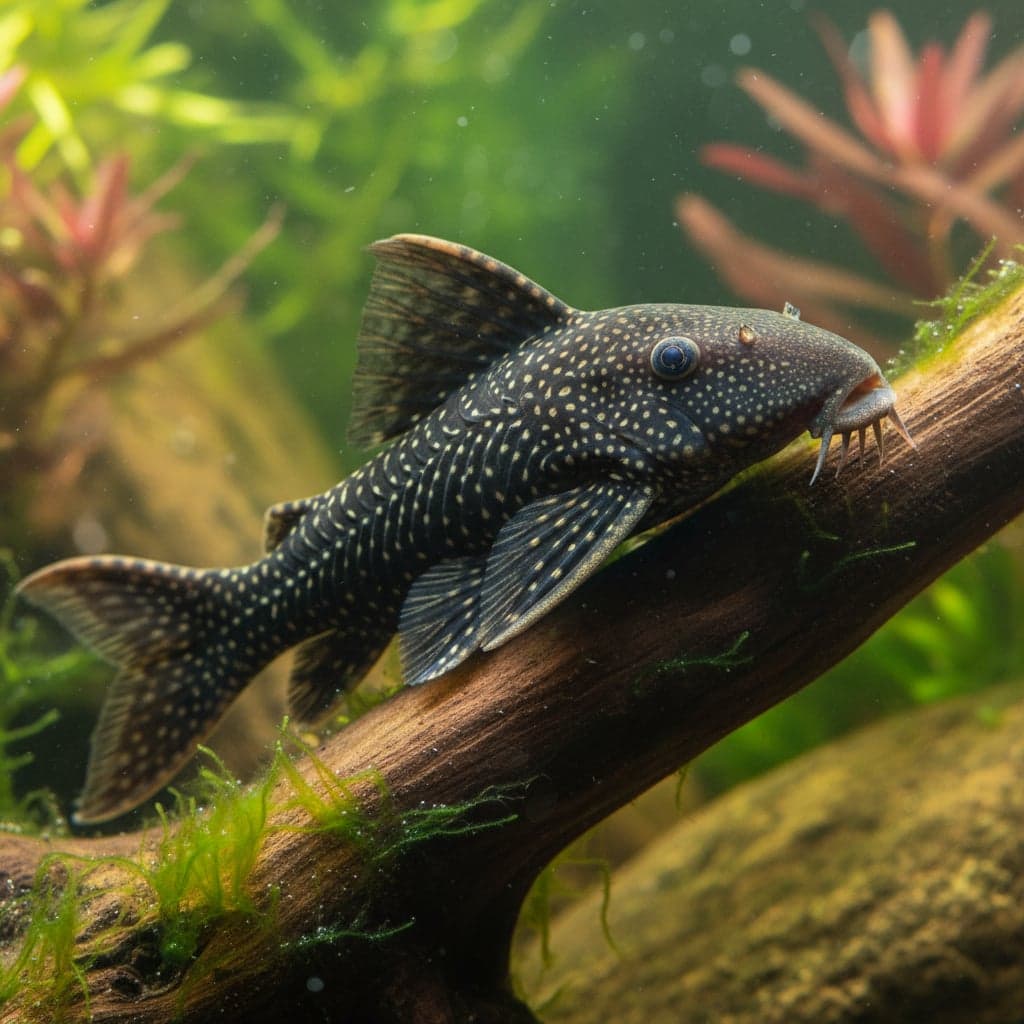
The Black Diamond Stingray, scientifically known as Potamotrygon leopoldi, is a captivating freshwater ray that hails from the rivers of the Amazon basin in South America. This species is renowned for its striking appearance, characterized by a velvety black body adorned with delicate white spots that resemble the twinkling of stars against a night sky. Its disc-shaped body can reach an impressive diameter of about 18 to 24 inches (45-60 cm) in captivity, making it a stunning centerpiece in large aquariums. The appealing aesthetic of the Black Diamond Stingray has made it a coveted addition among aquarists, not only for its beauty but also for the unique movement it exhibits as it glides gracefully across the substrate.
In the aquarium hobby, the Black Diamond Stingray holds a high significance due to its exotic appearance and relatively rare status among freshwater fish. While its stunning visuals draw enthusiasts, it is equally admired for its non-aggressive nature and ability to be kept in specialized community tanks. This species requires a dedicated setup to thrive, which demands a strong commitment from hobbyists. Owning a Black Diamond Stingray is not just about caring for a fish; it embodies a passion for preserving a remarkable species that is increasingly becoming recognized in the world of aquaristics.
Natural Habitat & Origin
The Black Diamond Stingray originates from the slow-moving rivers and floodplain areas of the Amazon Basin, particularly in Brazil and parts of Peru. These regions are characterized by blackwater and clearwater environments, where the water is often stained by decaying plant material, rich organic matter, and a low light penetration, creating a unique ecological setting. The natural habitat of the Black Diamond Stingray is a soft, sandy substrate with an abundance of hiding spots, including submerged logs, plants, and leaf litter. This environment provides the perfect backdrop for its natural behaviors, such as foraging and burrowing.
In the wild, the Black Diamond Stingray prefers areas with minimal water movement, where it can comfortably camouflage against the substrate to avoid predators. Understanding its natural habitat is crucial for aquarium setups, as replicating its conditions will significantly impact the overall health and behavior of the species in captivity.
Care Requirements
The care of the Black Diamond Stingray necessitates strict attention to water parameters and tank setup. Ideal water conditions include a slightly acidic to neutral pH level between 6.5 and 7.5, a temperature range of 75°F to 82°F (24°C to 28°C), and soft to moderately hard water with a hardness of around 1-12 dGH. Maintaining these parameters is crucial, as fluctuations can lead to stress and health issues.
When setting up the tank for a Black Diamond Stingray, a minimum aquarium size of 200 gallons is recommended due to the species' potential size and need for swimming space. The substrate should consist of fine, smooth sand to prevent injury to the fish’s delicate underside. Dim or subdued lighting mimics the ray's natural habitat, while plenty of plants and decorations, such as driftwood and caves, provide essential hiding spots and enrichment. Regular maintenance and water changes are vital to keep the water quality high and suitable for this exquisite species.
Diet & Feeding
The Black Diamond Stingray is primarily carnivorous, exhibiting a diet that includes crustaceans and small fish in their natural habitat. In an aquarium setting, it is essential to provide a varied diet to ensure proper nutrition. High-quality frozen or live foods, such as bloodworms, shrimp, and earthworms, should be staples in their diet. Occasionally, high-protein pellets formulated for freshwater rays can be introduced for variety. Flake foods are generally not recommended due to the ray's feeding habits and their inclination towards sinking foods.
Feeding can be done multiple times a week, ensuring not to overfeed, which can compromise water quality. It is wise to observe the feeding habits and preferences of individual rays, as some may develop particular tastes.
Behavior & Temperament
The Black Diamond Stingray is known for its gentle and docile temperament, making it a favorable candidate for display tanks and community settings. Unlike many freshwater fish that thrive in schools, this stingray tends to be more solitary. However, it is often seen gliding gracefully on the substrate or exploring its environment during the night. In terms of aggression, the Black Diamond Stingray is not territorial and typically does well with peaceful tank mates, although it may show some dominance when breeding or if housed with overly aggressive species.
In the aquarium, the Black Diamond Stingray tends to occupy the lower levels of the tank, often resting on the sandy substrate. This positioning highlights the importance of providing adequate bottom space for movement and exploration.
Tank Mates
When selecting tank mates for the Black Diamond Stingray, it is crucial to choose species that are compatible both in temperament and size. Ideal companions include larger, peaceful species like discus, angelfish, and other non-aggressive South American cichlids. Bottom-dwelling species such as larger catfish can also coexist harmoniously.
Species to avoid include aggressive or territorial fish like barbs, aggressive cichlids, and small fish that may view the stingray as prey. Additionally, keeping smaller, bottom-dwelling species is discouraged, as their interactions can lead to stress or injury for all involved.
Breeding
Breeding Black Diamond Stingrays in captivity is a complex endeavor requiring specialized conditions. In general, reproductive success involves a well-maintained aquarium setup that mimics their natural environment with stable water parameters and ample space. Males can be identified by their claspers, which are used during mating. Breeding occurs through internal fertilization, followed by the female carrying the fertilized eggs internally until they are fully developed.
Successful spawning typically occurs during warm months with temperatures rising to 82°F (28°C) and it is often encouraged through conditioning with an optimized diet. After a gestation period of several months, the female gives birth to live young, commonly referred to as pups. Due to their size, the pups should be housed in separate quarters upon birth to prevent stress and ensure proper growth.
Common Health Issues
While the Black Diamond Stingray is generally robust if cared for properly, there are a few health issues it may be prone to. Common concerns include skin infections, parasites, and issues related to poor water quality such as ich (Ichthyophthirius multifiliis) and fin rot.
Preventative measures include maintaining high water quality through regular testing and water changes, providing a stable environment, and avoiding overcrowding. Quarantining new arrivals for several weeks before introducing them into an established tank can also help hinder potential transmission of diseases. Additionally, regular observation of feeding habits and behavior can help identify early signs of stress or illness, allowing for timely intervention.