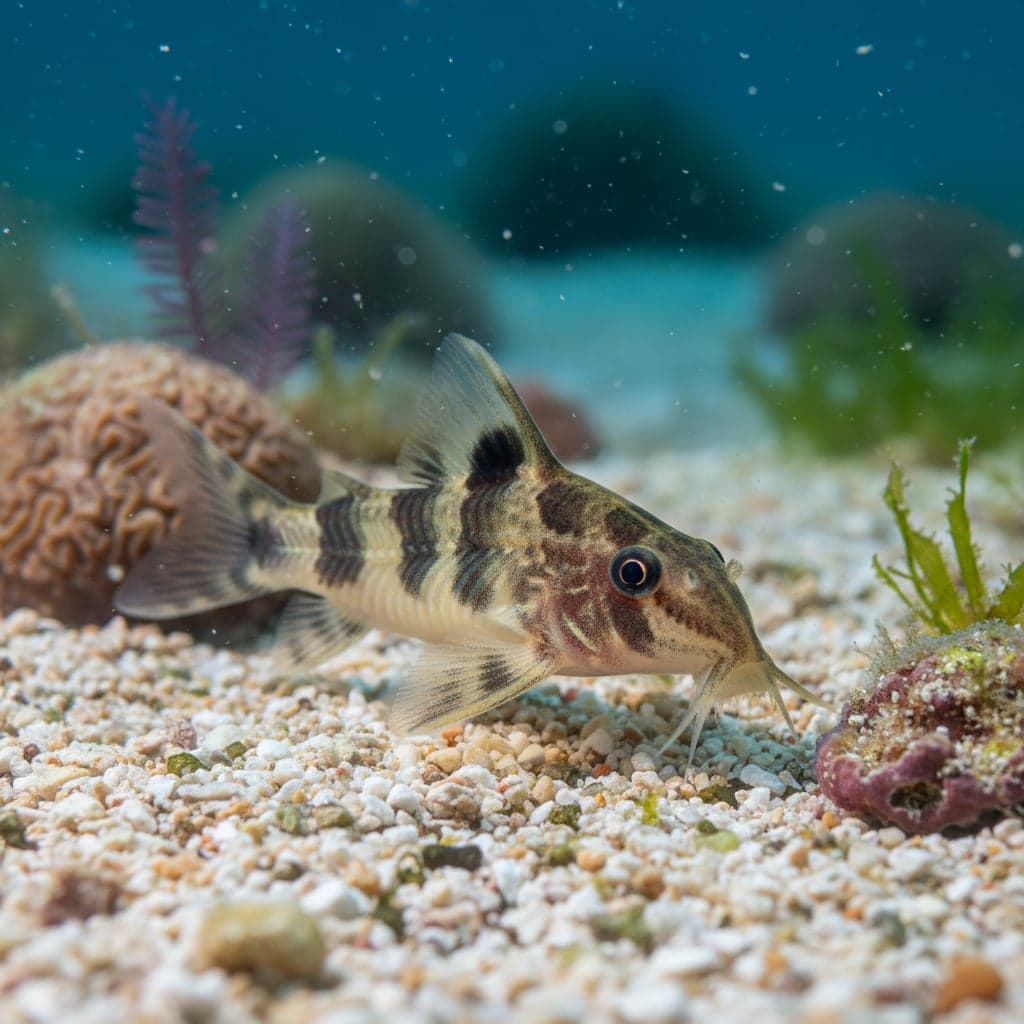
Black Lancer Catfish: Bagrichthys macracanthus
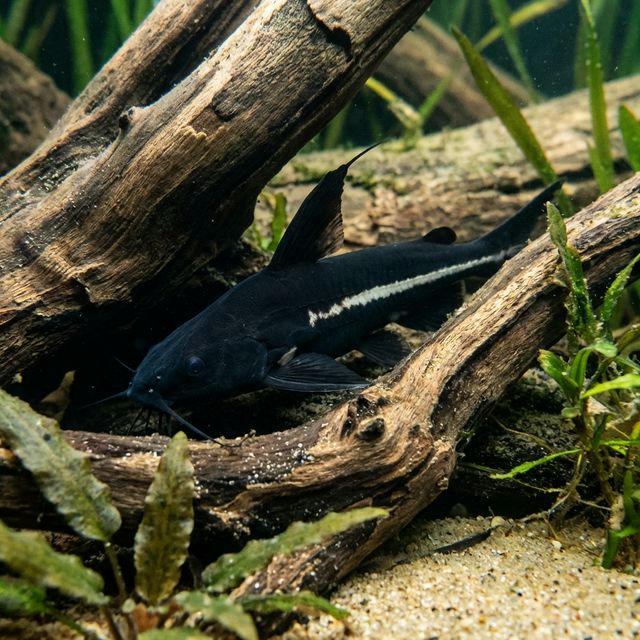
A sleek, jet-black catfish with a white side stripe. Nocturnal and distinct.
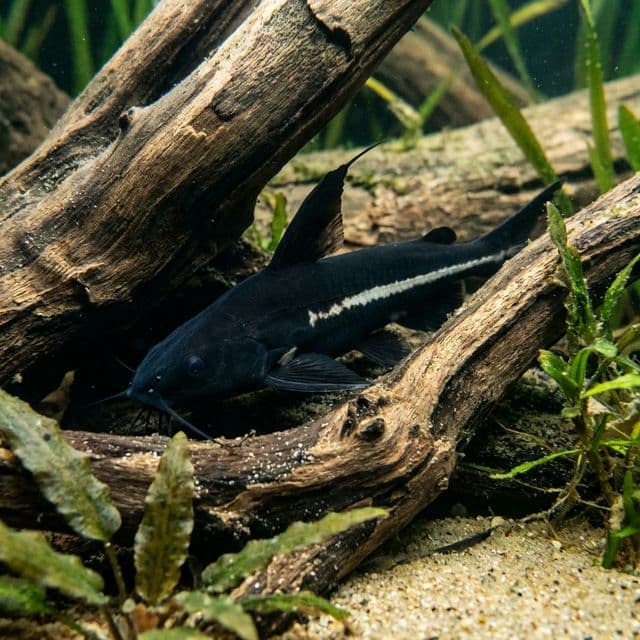
Black Lancer Catfish
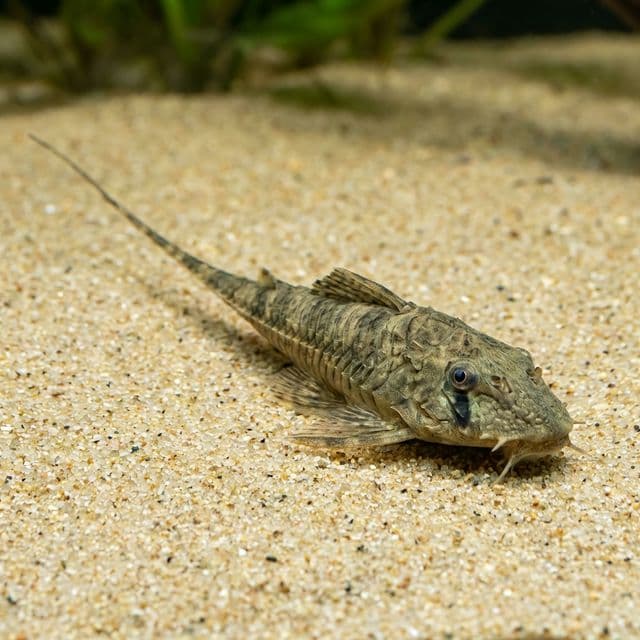
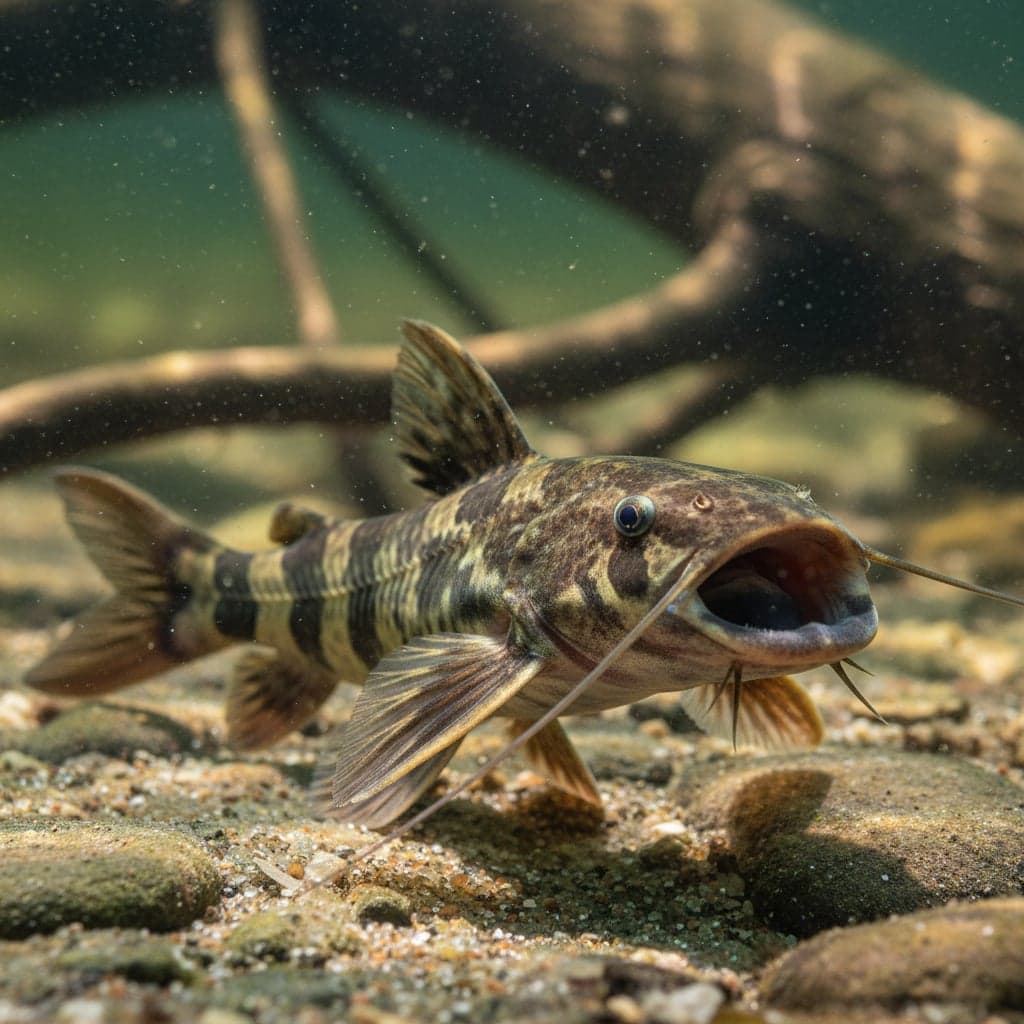
The Black Lancer Catfish, scientifically known as Bagrichthys macracanthus, is a visually striking species that captivates aquarists with its unique appearance and charming demeanor. Known for its elongated, slender body and distinctive markings, this catfish features a dark, almost black coloration that starkly contrasts with its white or pale yellow dorsal and anal fins. The body is adorned with faintly visible patterns, giving it an intriguing aesthetic that enhances any aquarium setup. This species is not only prized for its visual appeal but also for its role in maintaining a balanced ecosystem within the tank, making it a popular choice among both novice and experienced fish keepers.
In the aquarium hobby, the Black Lancer Catfish is significant for its relatively peaceful nature and bottom-dwelling habits, which contribute to the overall dynamics of community tanks. This fish thrives in an environment that mimics its natural habitat, promoting an understanding of biotopes and species-specific care among aquarists. Furthermore, its ability to adapt to various water conditions makes it an excellent candidate for various setups, including biotope aquariums and community tanks.
Natural Habitat & Origin
The Black Lancer Catfish is native to the freshwater systems of Southeast Asia, specifically the river basins and tributaries of the Mekong and Chao Phraya rivers. This species thrives in blackwater environments, characterized by dark, stained waters rich in humic acids, which contribute to their low pH levels and soft water conditions. In the wild, these catfish inhabit densely vegetated areas, where they find ample cover among submerged roots and leaf litter. The ecological context of their natural habitat emphasizes the importance of replicating such conditions in captivity to promote optimal health and well-being.
These fish are typically found in slow-moving waters with plenty of organic detritus, providing them with ample foraging opportunities. The presence of leaf litter, as well as decayed vegetation, forms part of their natural diet, supporting their need for a varied, nutrient-dense food source. Understanding their natural habitat helps aquarists create an appropriate environment that reflects the conditions the Black Lancer Catfish is naturally adapted to.
Care Requirements
To successfully care for the Black Lancer Catfish, specific water parameters must be maintained. The ideal temperature ranges from 24°C to 28°C (75°F to 82°F) with a pH level between 6.0 and 7.5, and a general hardness of 3-10 dGH. These parameters should be carefully monitored and adjusted as necessary to ensure optimal conditions for the health of this species.
When setting up a tank for the Black Lancer Catfish, a minimum tank size of 75 gallons is recommended, as these fish require ample swimming space and room for activities. The substrate should be soft, such as sand or fine gravel, to prevent injuries to their delicate barbels. The tank should also be well-planted, providing hiding spots and cover using driftwood and vegetation; low to moderate lighting is ideal to mimic their natural environment. These factors create a conducive environment for the Black Lancer Catfish, promoting comfort and reducing stress.
Diet & Feeding
The Black Lancer Catfish is classified as an omnivore, possessing a diverse diet that includes both plant-based and protein-rich foods. In captivity, it thrives on a varied diet that includes high-quality sinking pellets, flakes, and frozen or live foods. Offering a mix of spirulina-based flakes and protein-rich options such as bloodworms, brine shrimp, and earthworms can provide the necessary nutrients for this species.
Aquarists should aim to feed the Black Lancer Catfish once or twice a day, ensuring that food reaches the bottom to accommodate their feeding preferences as bottom dwellers. Introducing a range of frozen and live foods can help replicate their natural diet, promoting both nutritional health and behavioral enrichment.
Behavior & Temperament
The Black Lancer Catfish is known for its generally peaceful and sociable temperament. It displays shoaling tendencies, often found in small groups in larger tanks. Although they are not aggressive, some hierarchy may develop among individuals, especially when establishing territories or during feeding times. This species is best suited for community tanks with ample space, as they are more comfortable and exhibit natural behaviors when kept in a group of at least three to five individuals.
In terms of placement within the tank, Black Lancer Catfish predominantly inhabit the lower levels, making use of caves and other hiding spots. They may occasionally venture into mid-water areas, but their preference is to stay closer to the substrate. Providing sufficient cover protects them from stress and encourages their natural exploration behaviors.
Tank Mates
The Black Lancer Catfish is compatible with a variety of community species, making it a versatile addition to a well-planned aquarium. Suitable tank mates include peaceful cichlids, tetras, rasboras, and other non-aggressive bottom-dwelling fish like loaches and other catfish species. These interactions can create a balanced ecosystem, minimizing competition and reducing territorial disputes.
It is essential to avoid tank mates that exhibit aggressive tendencies or are large enough to view the Black Lancer Catfish as potential prey. Species such as large cichlids, barbs, and fast-moving fish should be avoided as they may stress or harm the Black Lancer Catfish. Keeping suitable companions helps ensure a harmonious and thriving aquarium environment.
Breeding
Breeding the Black Lancer Catfish in captivity can be challenging due to their specific spawning requirements. They are known to exhibit tubercles on their heads and bodies during the breeding season, signaling readiness to spawn. To encourage breeding, a separate breeding tank should be set up with specific conditions: slightly acidic water (pH around 6.0), lower light levels, and plenty of hiding spots, such as caves made from flat stones or ceramic pots.
Spawning typically occurs at night, with males often leading the females to suitable nesting sites. After successful spawning, adults should be removed to prevent them from consuming the eggs. The eggs typically hatch within 24-48 hours, with fry becoming free-swimming after a few days. Providing infusoria or specially formulated fry food will ensure their healthy growth during this critical early stage.
Common Health Issues
Black Lancer Catfish are generally hardy but may still be susceptible to common aquarium ailments. Some of the diseases they may encounter include ich (Ichthyophthirius multifiliis), fin rot, and bacterial infections. Maintaining clean tank conditions, stable water parameters, and a stress-free environment are crucial for preventing these issues.
To further prevent health problems, it is advisable to quarantine new arrivals before introducing them to the main tank and to provide a varied diet that supports immune health. Regular water changes and tank maintenance will also help reduce the likelihood of disease outbreaks. By being proactive, aquarists can ensure their Black Lancer Catfish remain healthy and thrive in their aquatic environment.