Black-lined Loach: Ambastaia nigrolineata
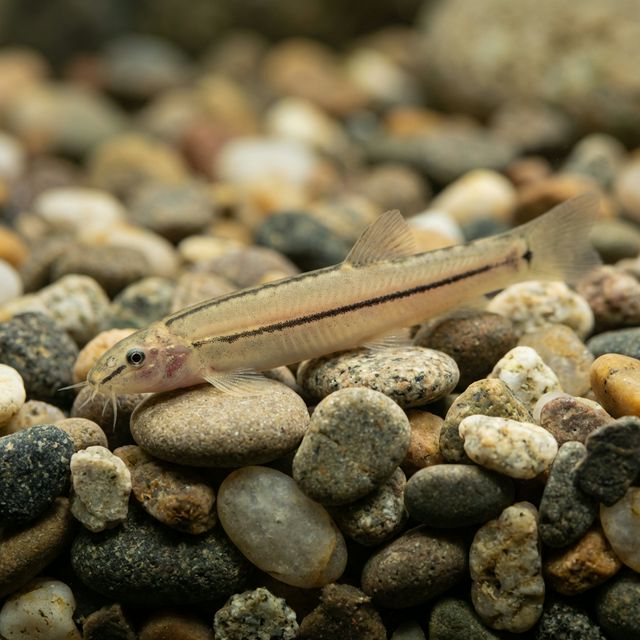
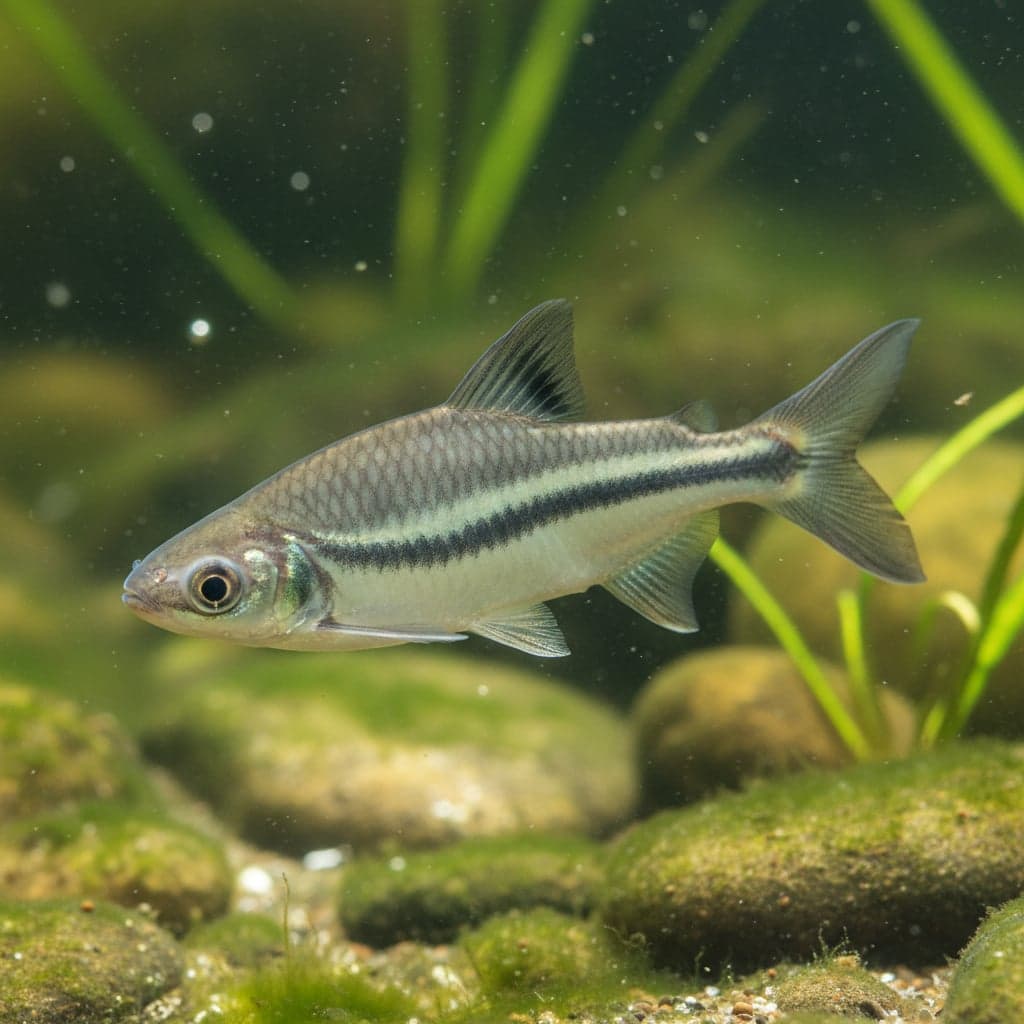
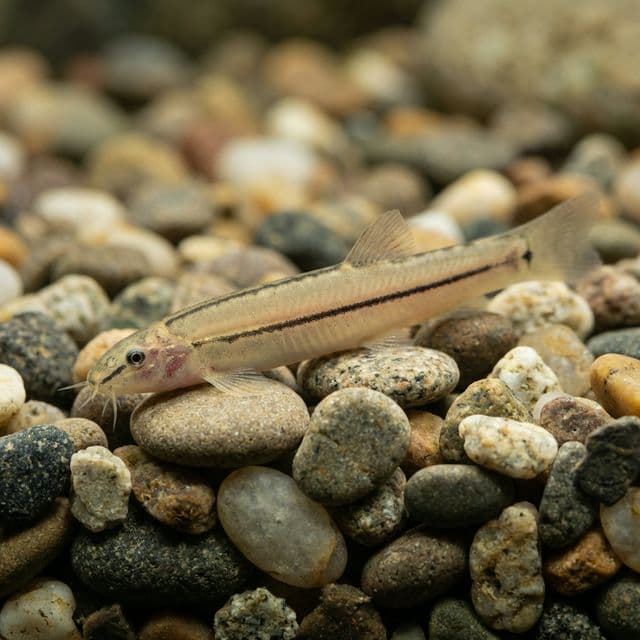
A smaller loach similar to the Dwarf Chain Loach but with a distinct black lateral line. Active shoaler.
Black-lined Loach
The Black-lined Loach, scientifically known as Ambastaia nigrolineata, is a striking freshwater fish species that captivates aquarists with its unique appearance and lively behavior. This loach is characterized by its elongated body and distinct black lateral bands that run along its sides, creating a beautiful contrast against its lighter-colored skin. The dorsal fin is also notable for its vibrant coloration, further enhancing its visual appeal. Often considered a gem for community aquariums, the Black-lined Loach not only adds a splash of life and color but also plays a role in maintaining the health of the aquarium ecosystem by scavenging detritus and leftover food.
In the aquarium hobby, the Black-lined Loach has gained popularity due to its engaging personality and adaptability. These fish are social creatures that thrive in groups, making them a delightful addition to tank setups focused on dynamic interactions. Their significance extends beyond aesthetics; they contribute to the biological balance of the tank while helping to encourage natural behaviors in various species. As both a beginner-friendly species and a staple for experienced aquarists, the Black-lined Loach represents a blend of beauty and functionality that enhances the aquatic experience.
Natural Habitat & Origin
The Black-lined Loach is native to Southeast Asia, primarily found in the freshwater rivers and streams of Indonesia and Malaysia. These regions are characterized by warm waters flowing through lush, densely vegetated environments. Typically inhabiting slow-moving waters with sandy or silted bottoms, Black-lined Loaches thrive in conditions that resemble blackwater systems. This water type is often stained by decomposing leaf litter, creating a soft, acidic environment that is rich in organic matter. The surrounding plant life also provides essential shelter and foraging opportunities, making it a crucial element of their natural habitat.
In their native ecosystems, Black-lined Loaches coexist alongside a diverse array of aquatic species. They inhabit areas that are rich in cover, such as submerged roots, overhanging vegetation, and rocky substrates. This ecological context is vital for maintaining their natural preferences, as it plays a significant role in their social structure, feeding habits, and overall well-being. Understanding their natural environment is crucial for accurately replicating these conditions within a home aquarium.
Care Requirements
To successfully keep Black-lined Loaches, specific care requirements must be met to mimic their natural habitat effectively. Maintaining water parameters is crucial; the ideal temperature for these fish ranges from 24 to 28 degrees Celsius (75 to 82 degrees Fahrenheit). The pH level should be maintained between 6.0 and 7.5, while a hardness level between 5 to 15 dGH is generally suitable. These parameters can vary slightly as long as they do not experience drastic changes, as stability is key.
In terms of tank setup, a minimum tank size of 75 liters (20 gallons) is recommended to provide ample space for a group of Black-lined Loaches to swim and explore. The substrate should consist of fine sand or smooth gravel, allowing for natural burrowing behavior. Adding plenty of hiding spots—such as driftwood, rocks, and dense plants—will contribute to their comfort. Moderate lighting is preferred, with the addition of plants like Java moss and Anubias to create shaded areas. A well-maintained filtration system is essential to keep the water clean while retaining an adequate level of dissolved organics that can benefit their well-being.
Diet & Feeding
The Black-lined Loach is primarily considered an omnivore, thriving on a varied diet that includes both plant and animal matter. In captivity, they can be easily fed a mix of quality flakes, sinking pellets, and specialized loach foods. Supplementing their diet with frozen or live foods like bloodworms, brine shrimp, and daphnia will encourage natural foraging behaviors and keep them healthy and active. It's essential to ensure that food is small enough for them to consume easily since these fish tend to forage along the substrate.
Regular feeding routines should incorporate both protein-rich and plant-based foods to provide a balanced diet. Offering food 2-3 times a day, in small amounts that can be consumed within a few minutes, fosters healthy growth and prevents overfeeding. Additionally, providing algae wafers can contribute positively to their digestive health while helping maintain a clean aquarium environment.
Behavior & Temperament
The Black-lined Loach exhibits a lively and engaging temperament, showcasing social behaviors that can be quite entertaining. These fish are best kept in groups of five or more, as their schooling nature enables them to feel secure and encourages natural interactions. They tend to be active foragers, often seen sifting through the substrate in search of food. Despite their small size, Black-lined Loaches are generally peaceful and non-aggressive, making them suitable for community aquariums.
When it comes to vertical placement in the tank, Black-lined Loaches are primarily bottom feeders. However, they will often explore mid-water zones and occasionally swim near the surface, particularly during feeding times. Their playful antics are enhanced by their inquisitive nature, which can lead them to interact with other fish and decorations in the tank. Creating an environment that allows them to exhibit these behaviors will enrich their experience and contribute to a vibrant aquarium atmosphere.
Tank Mates
Selecting compatible tank mates for Black-lined Loaches is crucial to achieving a harmonious community aquarium. Ideal companions include small to medium-sized fish such as Tetras, Rasboras, Danios, and small Gouramis. Additionally, other peaceful bottom-dwelling species like Corydoras catfish can coexist well, as they share similar habitat preferences. Ensuring that tank mates are non-aggressive and do not pose a threat to the loaches will promote a balanced and thriving ecosystem.
Conversely, some species should be avoided when housing Black-lined Loaches, particularly those known for their territorial or aggressive behavior. Cichlids, larger catfish, and any fin-nipping species (such as larger barbs or aggressive rainbowfish) can stress the loaches or even lead to injury. When selecting tank mates, always consider the sizes, temperaments, and needs of all species involved to create a peaceful environment.
Breeding
Breeding Black-lined Loaches in captivity can present challenges due to their specific spawning requirements. Unlike many other freshwater species, these fish are not straightforward to breed and require particular conditions for successful spawning. Reproductive behaviors are often triggered by environmental factors that resemble their natural habitat, such as temperature changes and water conditions. A separate breeding tank with a capacity of around 75 liters (20 gallons) should be set up to facilitate breeding. Soft, slightly acidic water and abundant fine-leaved plants are essential for providing both shelter and spawning surfaces.
During the spawning process, males will chase the females, often leading them into areas filled with vegetation. Once a female is ready to spawn, she will lay eggs among the plants, which the male will fertilize. Post-spawning care is vital, as adult loaches may eat their own eggs. Therefore, it's essential to separate the breeders from the eggs to allow for safe hatching. After approximately four to five days, fry will emerge, requiring infusoria or specially formulated powdered foods for optimal growth in their early stages.
Common Health Issues
Black-lined Loaches can be susceptible to various health issues, particularly if kept in suboptimal conditions. Common diseases include ich (Ichthyophthirius multifiliis), which can affect their skin and gills when temperatures swing or water quality declines. Fin rot and bacterial infections may follow if the substrate stays dirty or the tank is overcrowded. Quarantine new arrivals, keep ammonia and nitrite at zero, and perform regular water changes. Watch for white spots, clamped fins, flashing, or loss of appetite, and treat promptly in a hospital tank. A varied sinking diet supports immunity so Black-lined Loaches stay active and resilient.