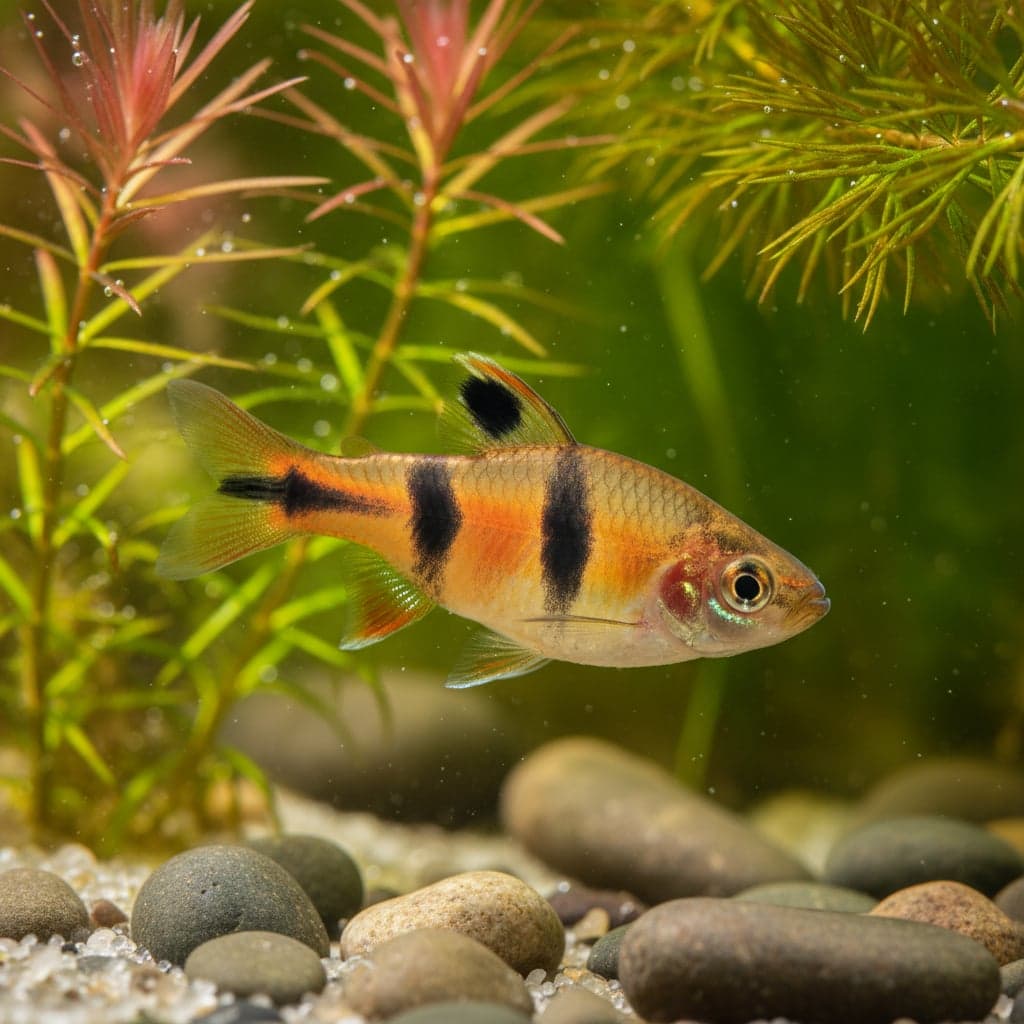
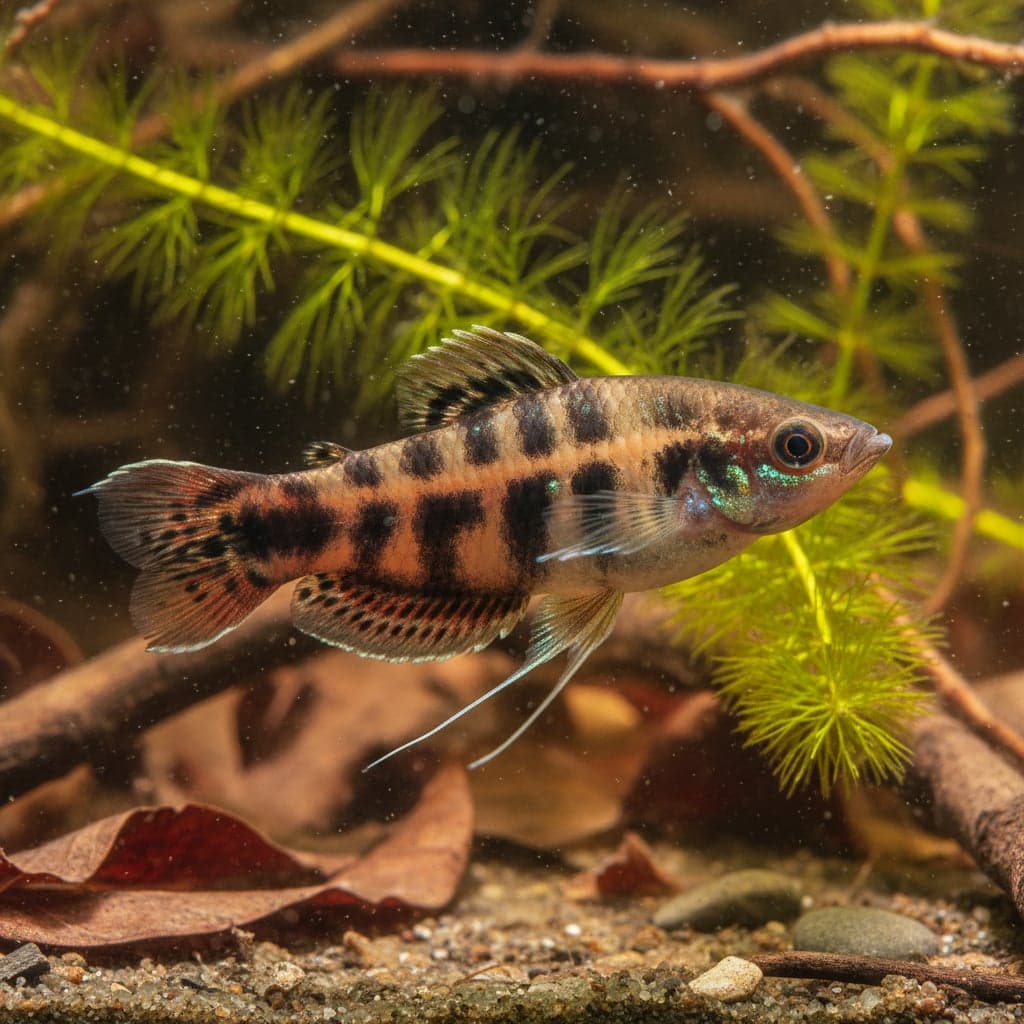
Black Morpho Tetra: Poecilocharax weitzmani
A rare, tiny tetra (darter characin). Males are stunning with complex fins, but they are shy and delicate.
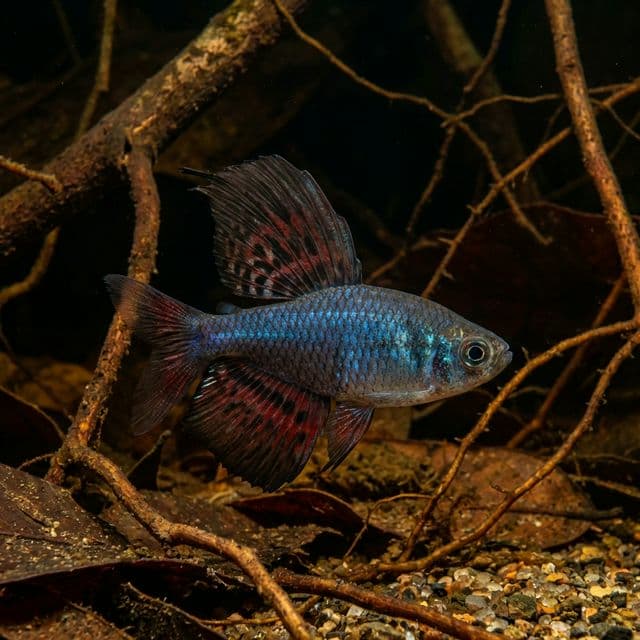
Black Morpho Tetra
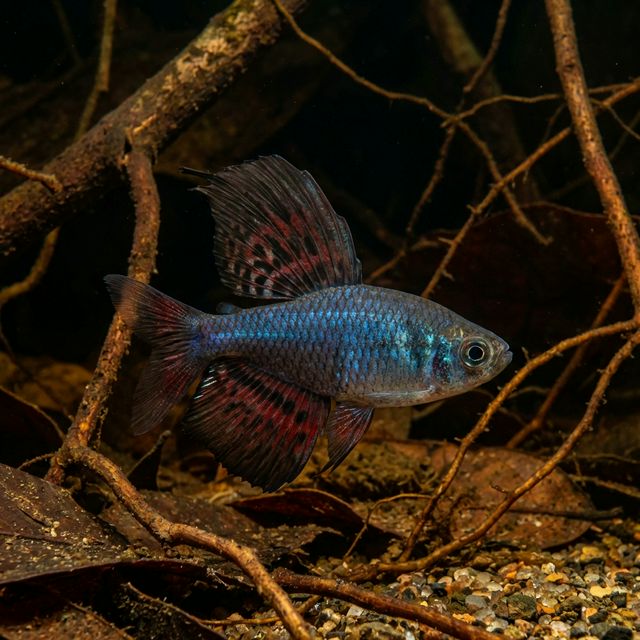
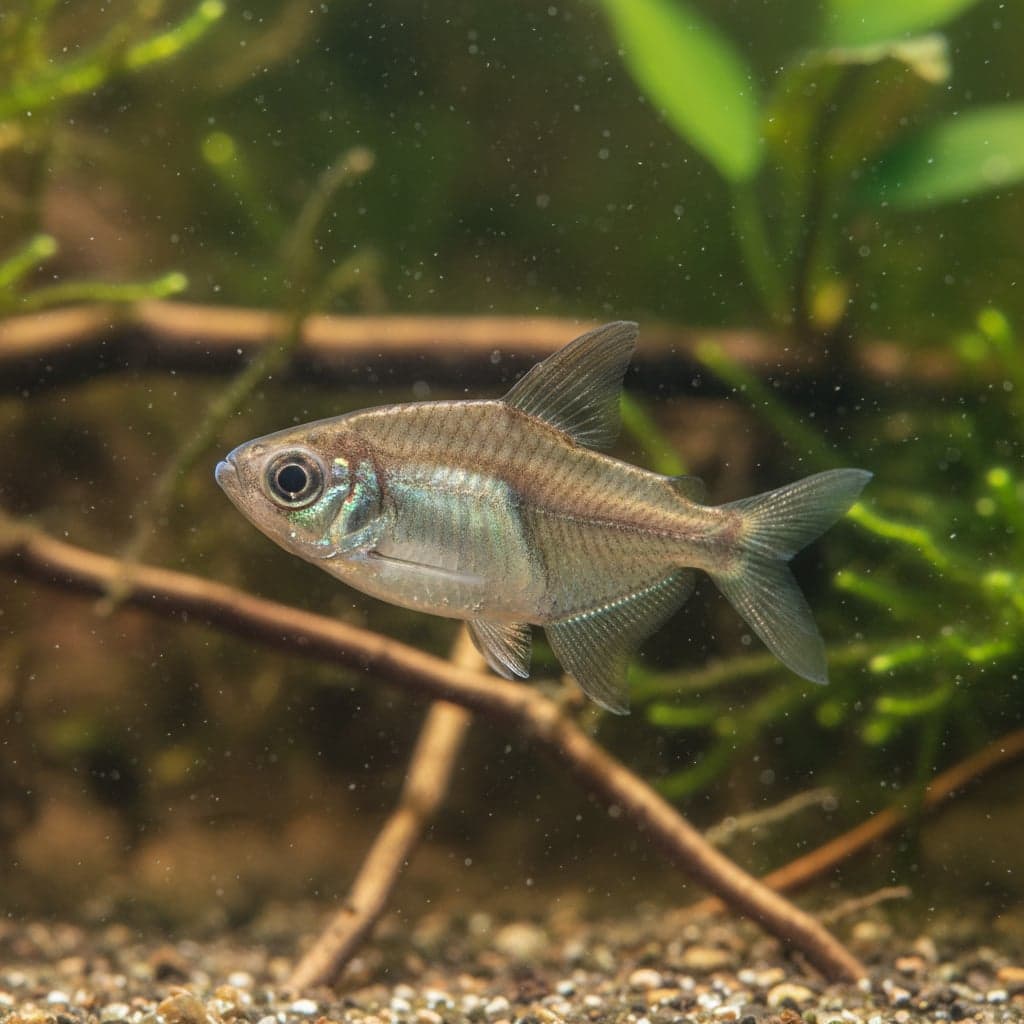
The Black Morpho Tetra, scientifically known as Poecilocharax weitzmani, is an enchanting addition to the aquarium hobby, celebrated for its unique appearance and vibrant personality. This small freshwater fish is known for its strikingly dark body adorned with luminous reflective scales that glimmer under aquarium lights. Adult specimens typically reach a length of up to 1.5 inches, making them suitable for various aquascapes, while their compact size allows for an elegant aesthetic. As a peaceful, shoaling species, Black Morpho Tetras thrive in groups, creating captivating displays as they swim harmoniously through the water, which amplifies their visual appeal in any aquarium setup.
These fish hold significance in the aquarium hobby not only due to their beauty but also due to their hardy nature and resilience in captivity. They are a popular choice among both novices and experienced aquarists. Their adaptable temperament and minimal care requirements make them ideal for community tanks, while their vibrant displays add life and vivid contrast to planted aquariums. The Black Morpho Tetra’s engaging behavior and sociable nature make them a joy to observe, as they interact both with each other and their surroundings, thus enriching the overall aquarium experience.
Natural Habitat & Origin
The Black Morpho Tetra originates from the slow-moving and calm waters of the Rio Xingu basin in Brazil. This geographical region is characterized by its rich biodiversity and the presence of blackwater systems, where the water is tinted dark due to humic acids leached from decaying plant material. The fish’s native habitat consists of shallow streams with dense vegetation, including submerged roots and leaf litter, which provide essential cover and breeding grounds. The ambient water conditions, which play a crucial role in the fish's overall well-being, are typically acidic to neutral with low hardness levels, reflecting the complexities of their natural ecosystem.
In the wild, the Black Morpho Tetra is often found in small groups, darting among the aquatic plants and drifting debris. These environmental features contribute to their natural behavior and physical adaptability. Understanding their natural habitat helps aquarists recreate a suitable environment that mirrors their native conditions, promoting optimal health and well-being for these beautiful fish.
Care Requirements
Caring for Black Morpho Tetras requires an understanding of their specific water parameters and tank setup preferences. Ideal water conditions include a pH range of 5.5 to 7.0, with temperatures maintained between 75°F and 82°F (24°C to 28°C). Slightly softer water with a hardness of 2 to 10 dGH is preferable to simulate their natural habitat. As for the tank size, a minimum of 20 gallons is recommended to provide ample swimming space and to accommodate a school of at least six individuals.
When it comes to tank setup, aquarists should aim to recreate the lush, dense environments of their natural habitat. A substrate consisting of fine sand or dark gravel is ideal, as it mimics the riverbed of their origin. Providing plenty of hiding spots is essential; live plants, driftwood, and rocks can create a sense of security for the fish. Dimmed lighting, possibly supplemented with floating plants, can help simulate the shaded conditions of the Black Morpho Tetra's natural habitat, enhancing their comfort and reducing stress.
Diet & Feeding
The Black Morpho Tetra is classified as an omnivore, enjoying a diverse diet that includes both plant and animal matter. In captivity, they should be offered high-quality flakes or micro-pellets as a staple diet, complemented by live or frozen foods such as brine shrimp, daphnia, and bloodworms. This varied diet supports their vibrant coloration and active behavior. It is important to feed them small amounts multiple times a day to promote healthy growth and prevent overfeeding, which can lead to water quality issues.
In addition to commercial foods, providing blanched vegetables such as zucchini or spinach can fulfill their dietary needs while maintaining their health. The mix of quality and variety in their diet ensures that Black Morpho Tetras receive essential nutrients and aids in their overall vitality.
Behavior & Temperament
The Black Morpho Tetra is known for its peaceful and sociable demeanor, making it an excellent choice for community aquariums. They exhibit strong schooling behavior, preferring to be kept in groups of six or more to reduce stress and encourage natural behaviors. When in a school, these tetras display captivating swimming patterns, making them a focal point in any aquarium.
These fish are generally non-aggressive and can coexist peacefully with most small to medium-sized community fish. However, they may exhibit timidity and can be prone to fright if kept with overly aggressive or larger fish. In terms of placement, the Black Morpho Tetra primarily occupies the mid to upper levels of the water column, allowing them to explore their habitat while being safe from potential predators.
Tank Mates
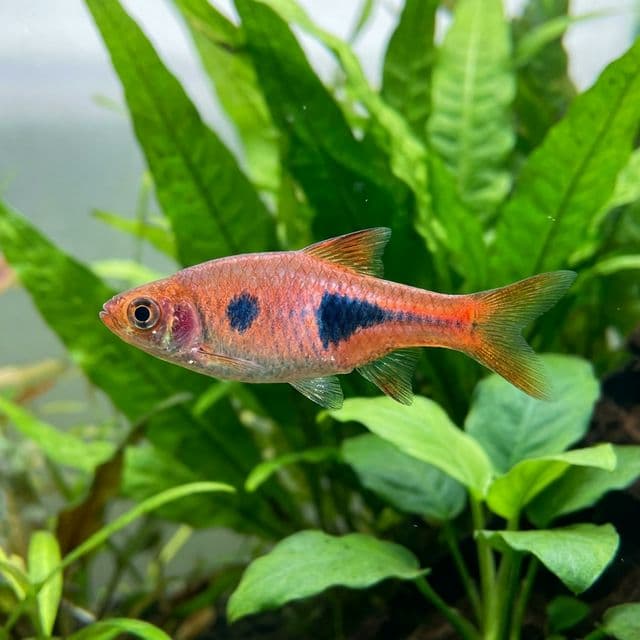
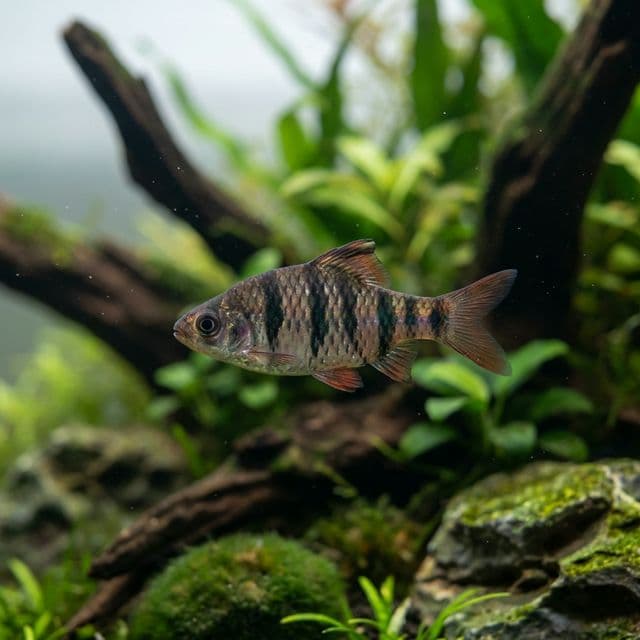
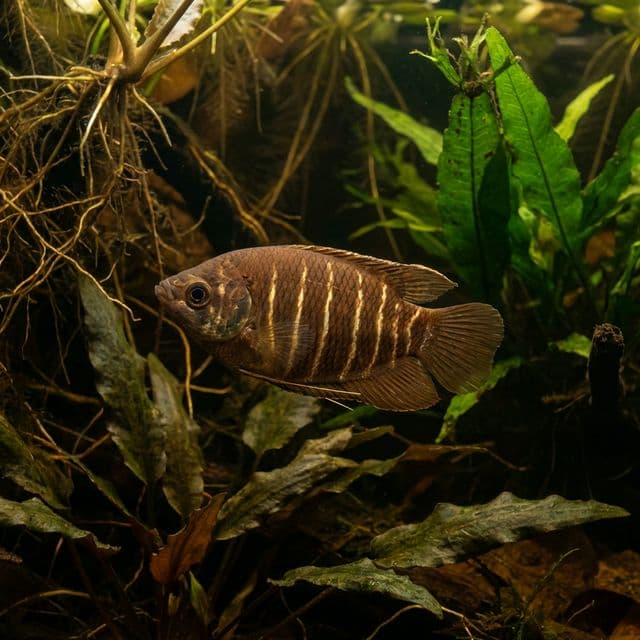
When selecting compatible tank mates for the Black Morpho Tetra, it is essential to choose peaceful species that thrive in similar water conditions. Ideal companions include Corydoras Catfish, small rasboras, other tetra species, and small gouramis, all of which share a harmonious temperament and inhabit similar niches in the aquarium. Additionally, shrimp species such as Cherry Shrimp or Amano Shrimp can coexist well with them, as they typically do not pose a threat.
Species to avoid include larger predatory fish or aggressive species like Cichlids that could intimidate or prey on the Black Morpho Tetra. It is advisable to refrain from breeding species or those that could exhibit territorial behaviors, ensuring a peaceful community environment.
Breeding
Breeding Black Morpho Tetras in captivity can be rewarding but requires specific conditions to ensure success. To encourage spawning, a separate breeding tank is recommended, equipped with fine-leaved plants that provide ample surfaces for the eggs to adhere to. The breeding tank should maintain a soft acidic water environment, with temperatures around 78°F (25.5°C), mimicking their natural breeding conditions.
During the spawning process, males will display courtship behaviors, often engaging in colorful displays to attract females. Once a female is ready to spawn, she can lay several hundred eggs, which are then fertilized by the male. Post-spawning, it’s crucial to separate the parents from the eggs, as they may consume them. In about 24 to 36 hours, the eggs will hatch into tiny fry, which can be initially fed with infusoria before transitioning to finely crushed flake food as they grow.
Common Health Issues
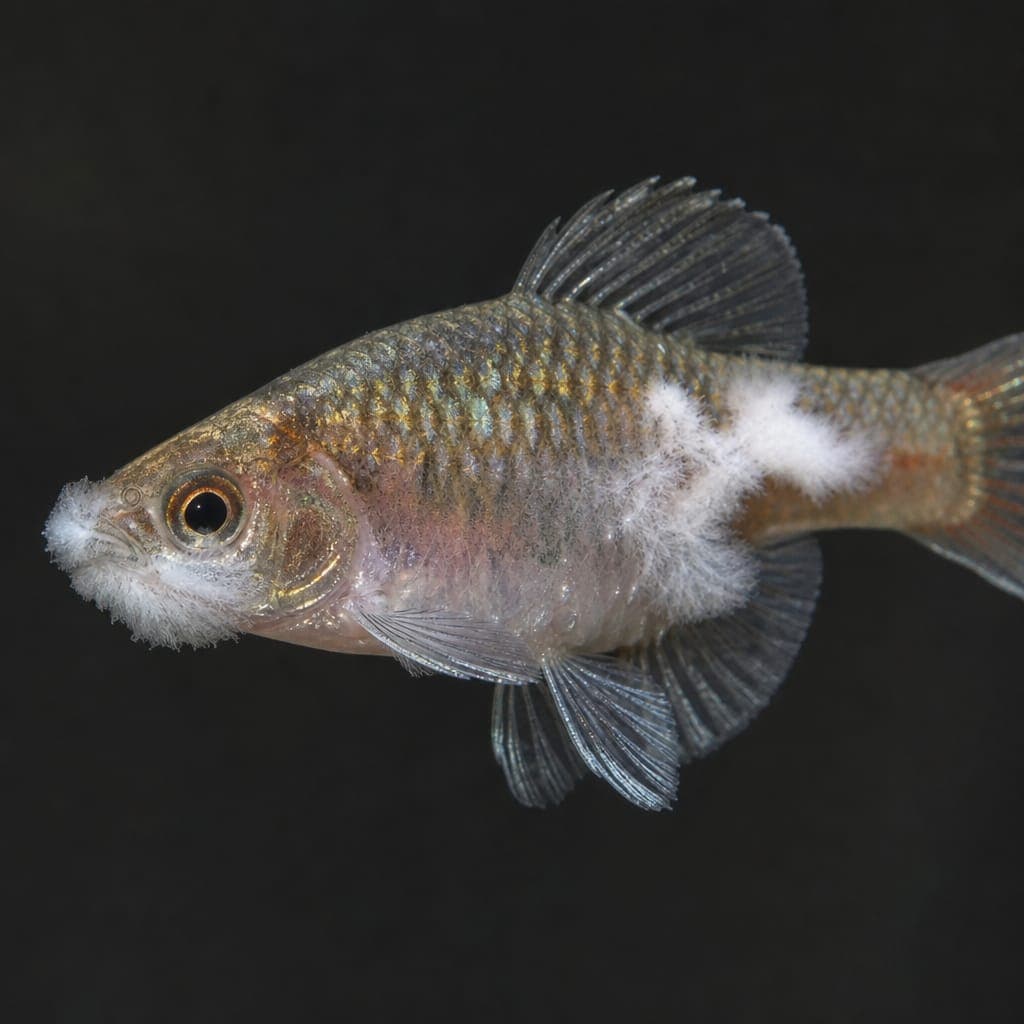
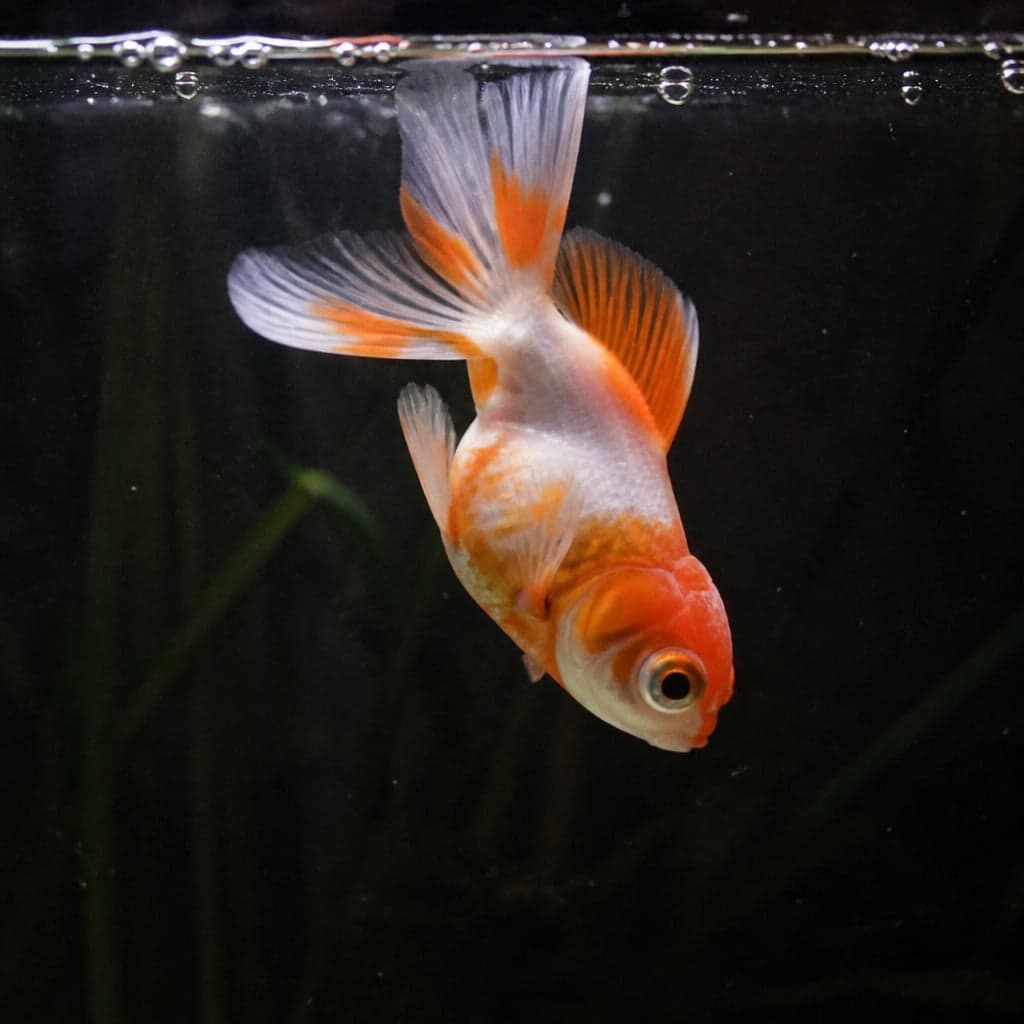
Black Morpho Tetras are generally hardy fish, but they can still be susceptible to certain health issues. Common concerns include ich (Cryptocaryon irritans), fungal infections, and swim bladder disease. To prevent these ailments, maintaining pristine water quality is essential—regular water changes and proper filtration will help mitigate stress and illness.
Additionally, monitoring their behavior and cleanliness of food can prevent digestive complications. Quarantine any new fish before introducing them to the main tank, ensuring that diseases do not disrupt the existing community. Regularly inspecting for signs of distress or disease will keep your Black Morpho Tetras healthy, allowing them to thrive in your aquarium.