Black Otocinclus: Hisonotus notatus
A darker, grey/black relative of the common Oto. Excellent algae eater.
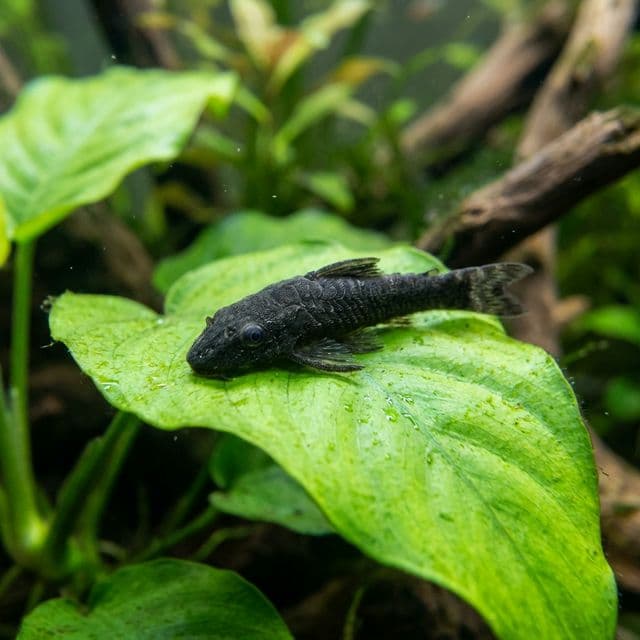
Black Otocinclus
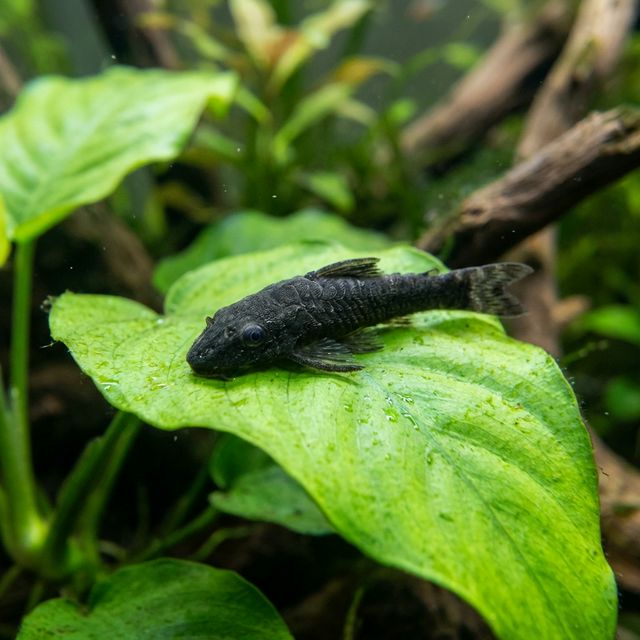
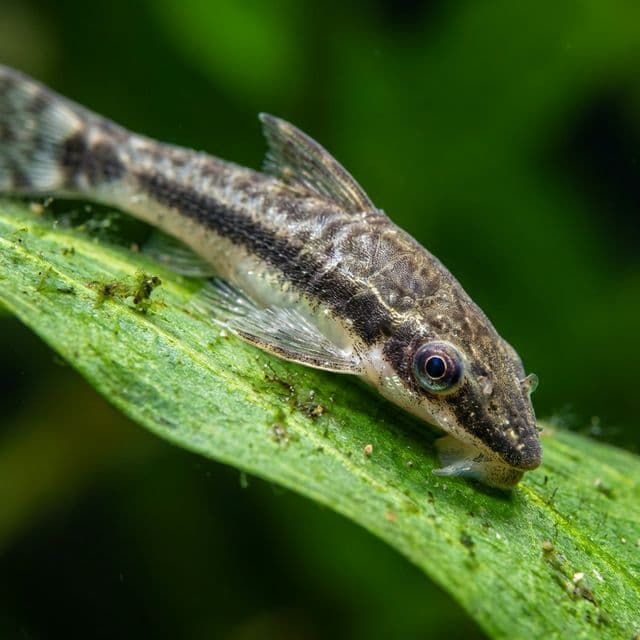
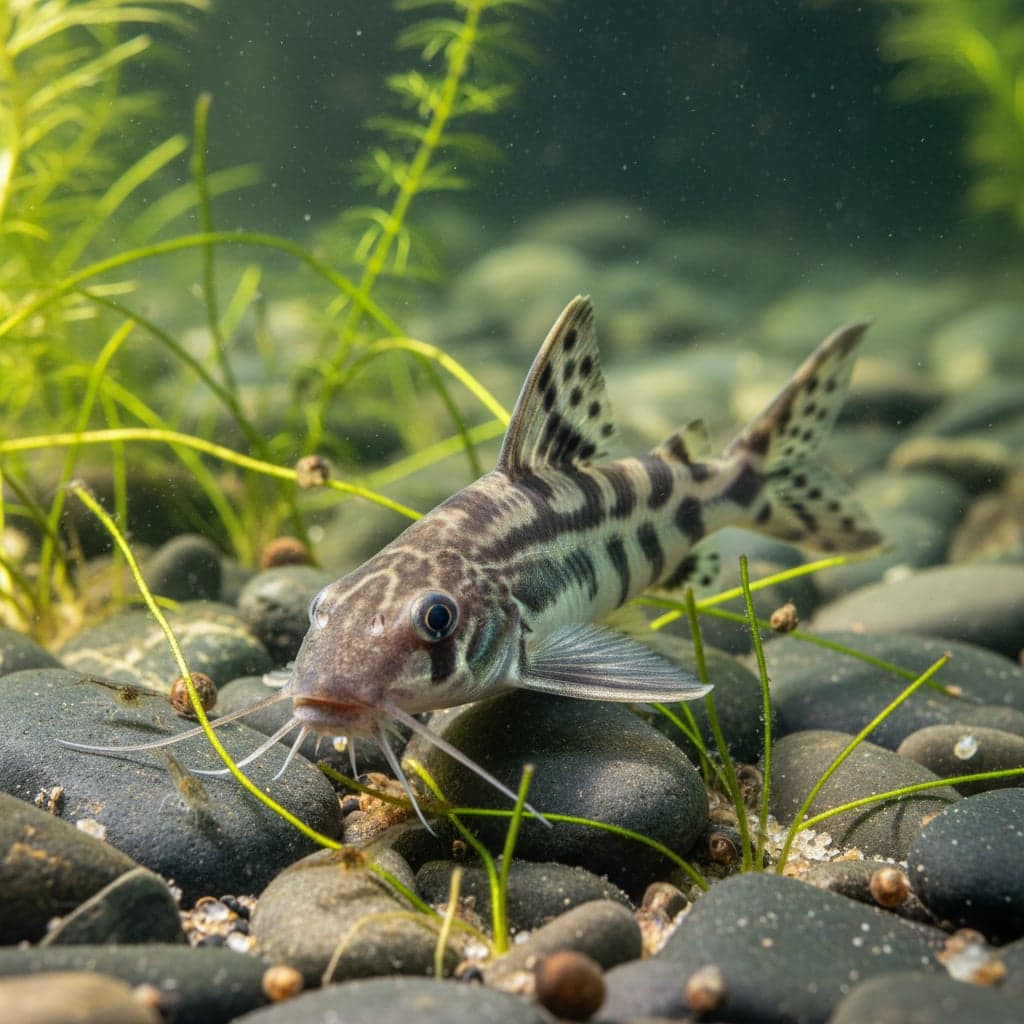
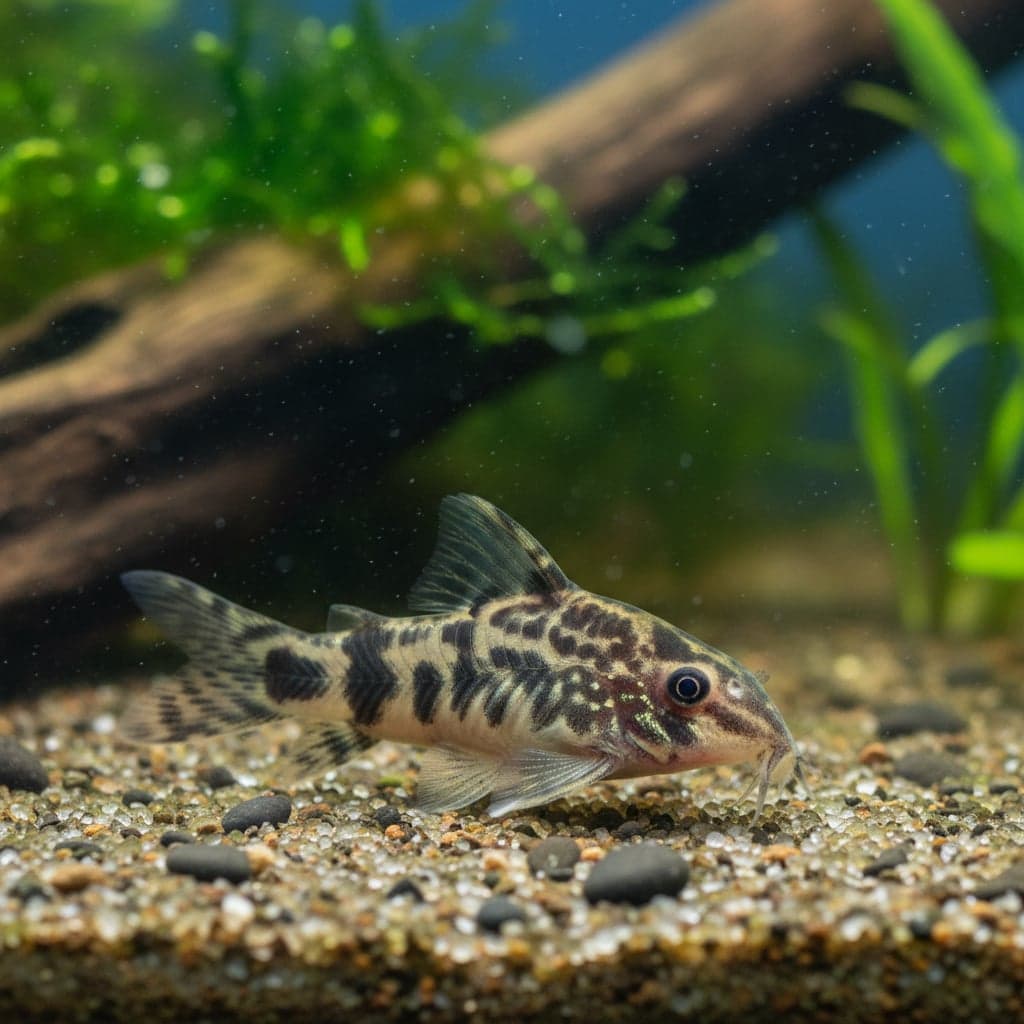
The Black Otocinclus, scientifically known as Hisonotus notatus, is a small, peaceful freshwater fish that has grown increasingly popular within the aquarium hobby community. This diminutive catfish typically reaches a maximum size of approximately 2 inches (5 cm), making it an ideal candidate for nano or small tanks. Visually, these fish are notable for their striking dark bodies that can appear almost jet black under certain lighting conditions, adorned with delicate patterns of small, lighter spots. Their compact size and elegant appearance make them not only an attractive addition to aquascapes but also a useful ally in algae management, as they are herbivorous and love to graze on algae and biofilm.
In the aquarium hobby, Black Otocinclus holds particular significance due to its roles as both a lively inhabitant and an effective algae eater. They add dynamism to a planted tank by constantly foraging and interacting with their environment. Their mild demeanor allows them to coexist harmoniously with a variety of fish species, thus making them a versatile choice for community tanks. Additionally, their fascinating behaviors, such as algae grazing, wall-climbing, and swimming in unison with their shoal, provide intrigue and entertainment to hobbyists and onlookers alike.
Natural Habitat & Origin
Black Otocinclus originates from Brazil, specifically the Mato Grosso region. They inhabit small streams and rivers, often found in areas where the water is slow-moving and densely populated with aquatic vegetation. The environment is typically characterized as blackwater, imparting soft, tannin-stained waters rich in organic matter. This natural habitat also features plenty of hiding spots, including driftwood and leaf litter, which serve as essential elements for their well-being and security.
These fish prefer slightly acidic to neutral water conditions, with soft substrate to mimic their natural environment. The water temperature usually ranges from 73°F to 82°F (23°C to 28°C), offering conditions that are conducive to not only their health but also optimal growth. By replicating these environmental aspects in captivity, aquarists can significantly enhance the overall quality of life for Black Otocinclus.
Care Requirements
Caring for Black Otocinclus involves maintaining specific water parameters and creating the right tank setup. The ideal pH range for this species is between 6.0 and 7.5, with a temperature maintained between 73°F and 82°F (23°C to 28°C). Additionally, the hardness of the water should be low, ideally between 2 to 10 dGH, which reflects their natural habitat conditions.
For the tank setup, a minimum size of 10 gallons is recommended for a small group of Black Otocinclus, ideally larger if maintaining multiple fish. The substrate should be fine, such as sand or soft gravel, to prevent injury to their delicate bodies. A well-planted aquarium is crucial; live plants not only offer shelter and hiding spots, but they also contribute to an algae-rich environment, which benefits the dietary needs of these fish. Lighting should be moderate, allowing for plant growth while not stressing the fish. Regular water changes and good filtration are also essential in keeping the water clean and well-oxygenated.
Diet & Feeding
Black Otocinclus are primarily herbivores, thriving on a diet rich in algae and plant matter. In a well-maintained aquarium, they will graze on algae that naturally colonizes the substrate, plants, and decorations. However, to ensure a balanced diet, it's essential to supplement their food intake with high-quality algae wafers or pellets specifically formulated for herbivorous fish. These products help to provide the necessary nutrients and fibers that contribute to their overall health.
In addition to commercial feeds, Black Otocinclus can also benefit from occasional offerings of fresh vegetables, such as blanched zucchini, cucumber, or spinach. Some aquarists enjoy feeding them live foods like daphnia or brine shrimp, although this should not form the basis of their diet. Regular feeding schedules should be maintained, ideally comprising small amounts multiple times a day to accommodate their natural foraging behaviors.
Behavior & Temperament
Black Otocinclus are known for their squeaky-clean behavior and social nature. They thrive in groups and should be kept in schools of at least three to ten individuals to maintain their well-being and avoid stress. Found primarily in the mid to lower levels of the aquarium, they engage in a variety of activities, including grazing, exploring, and interacting with one another. Their curious demeanor encourages them to investigate surrounding plants and decorations, making them a lively addition to any community setup.
Despite their small size, Black Otocinclus are peaceful and typically exhibit no aggression towards other species. In fact, their gentle nature and social habits allow them to flourish alongside other community fish such as tetras and guppies. These fish prefer to swim together and are often seen sticking closely with their mates, showcasing a characteristic schooling behavior that adds both vibrancy and movement to the tank.
Tank Mates
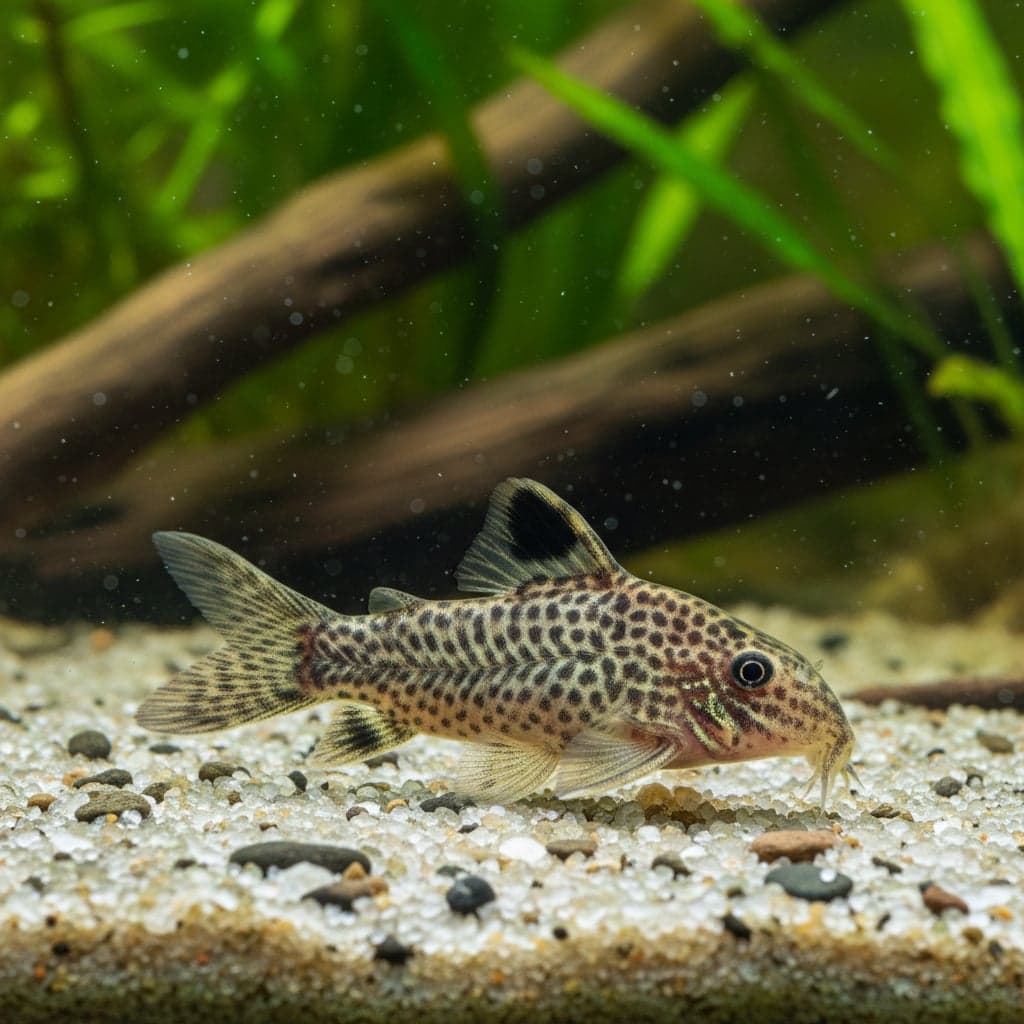
When selecting tank mates for Black Otocinclus, it is vital to choose compatible species that share similar temperamental and environmental needs. Ideal companion species include small to medium-sized, peaceful fish such as neon tetras, guppies, rasboras, and ember tetras, all of which can coexist harmoniously within the same tank. Additionally, other non-aggressive bottom dwellers like Corydoras catfish can also make suitable companions, as they occupy different niches within the tank.
It is important to avoid tank mates that are overly aggressive or possess large mouths capable of consuming smaller fish like Black Otocinclus. Species to avoid include larger cichlids, bettas, and any predatory fish that may threaten the safety and well-being of the Black Otocinclus. By carefully considering tank mates, hobbyists can ensure a thriving community aquarium that showcases the beauty and behavior of these charming little fish.
Breeding
Breeding Black Otocinclus in captivity can be a rewarding yet challenging endeavor. These fish exhibit natural spawning behavior during the breeding season, which often occurs in response to higher water temperatures and excellent water quality. To encourage spawning, aquarists should maintain pristine water conditions and provide ample spaces for eggs to be laid, which can be done using flat surfaces, such as leaves or smooth stones.
During the breeding process, males engage in courtship displays to entice females. Once a female is ready to spawn, she will lay eggs, which the male fertilizes shortly thereafter. Post-spawning, it is advisable to remove the adult fish from the breeding tank, as they may consume the eggs or fry. The eggs generally hatch within 3 to 5 days, and the fry will need infusoria or finely crushed flakes to get started. Providing a suitable environment and conditions can lead to a successful breeding venture, offering hobbyists a chance to enjoy the lifecycle of Black Otocinclus.
Common Health Issues
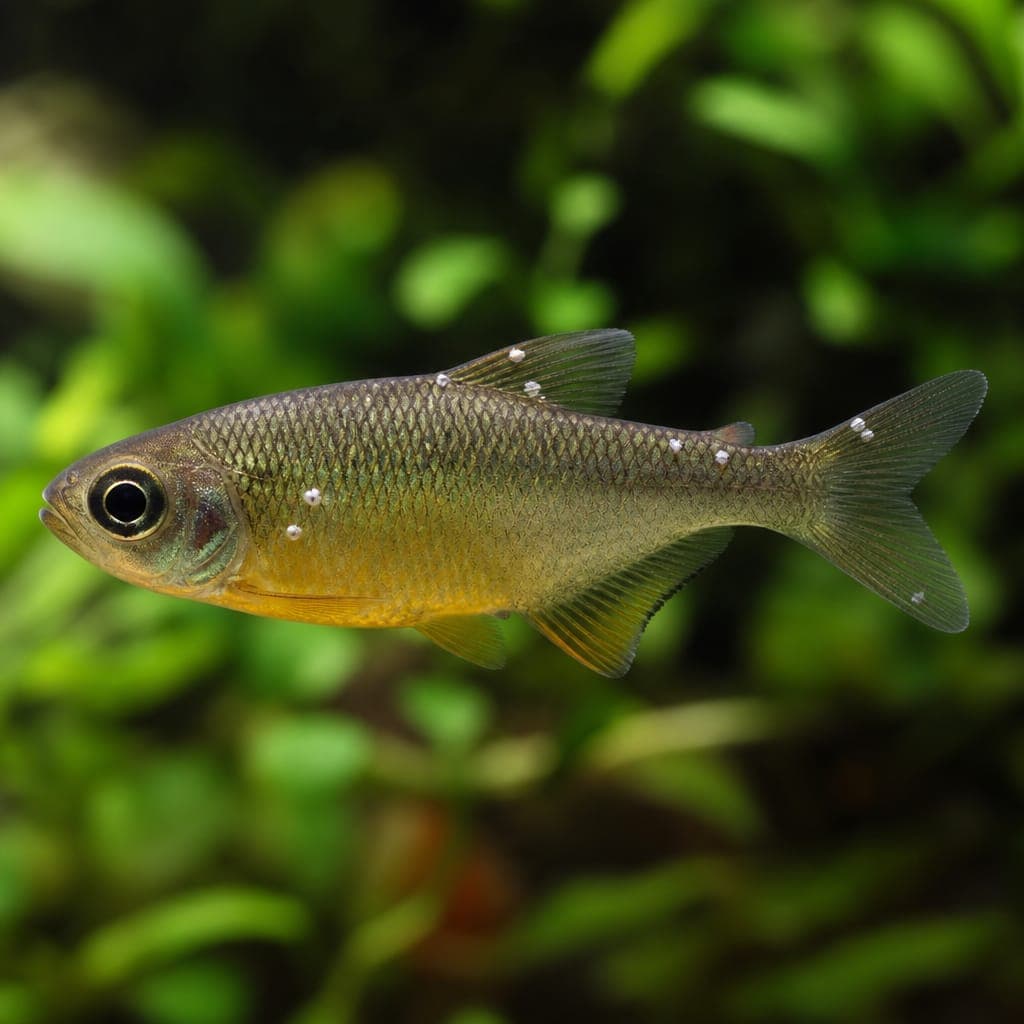
Black Otocinclus are generally hardy fish; however, they are not entirely immune to health issues. One of the most common ailments these fish may fall prey to is ich (Ichthyophthirius multifiliis), a parasitic infection caused by poor water quality or stress. It can be identified by white spots appearing on the fish's body, gills, and fins. To prevent this, maintaining optimal water parameters and a stress-free environment is crucial.
Another health concern is fin rot or bacterial infections when biofilm is scarce and fish are underfed or stressed. Ensure mature tanks with ample soft algae, quarantine newcomers, and avoid copper medications that harm sensitive catfish. Supplement with blanched vegetables or wafers when natural grazing is limited. Stable soft water, a proper school, and a varied diet keep Black Otocinclus healthy grazers for years.