Blackline Tetra: Hyphessobrycon scholzei
A robust, hardy tetra with a distinct black line. Excellent for beginners.
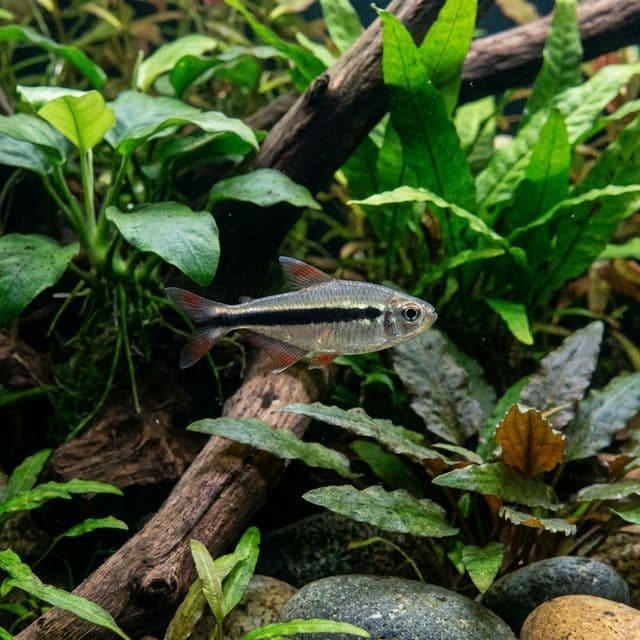
Blackline Tetra
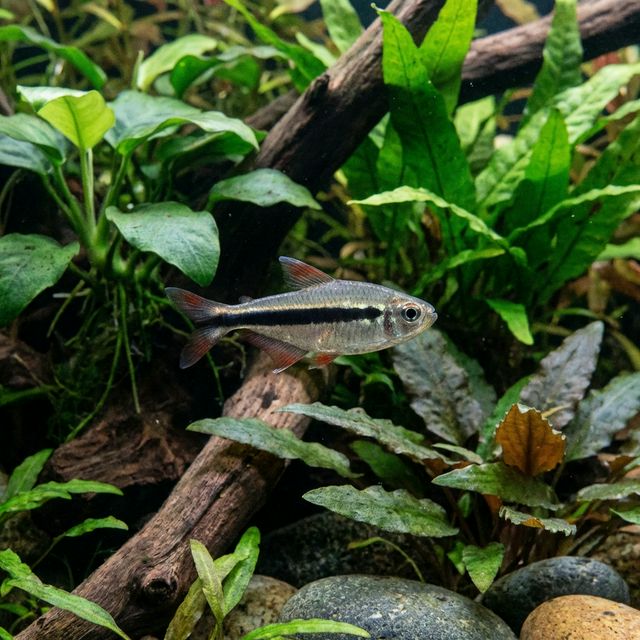
The Blackline Tetra, scientifically known as Hyphessobrycon scholzei, is a striking freshwater fish that captivates aquarists with its unique visual appeal and friendly demeanor. This species boasts a slender body with a distinct dark stripe running laterally from the head to the tail, set against a backdrop of shimmering silver and pale yellow hues. Its contrasting coloration, combined with its smooth, elegant movements, makes it a favorite choice among aquarists seeking to enhance the aesthetic of their aquariums. Moreover, the Blackline Tetra's peaceful temperament and social nature contribute to its significance in community tanks, making it an ideal candidate for both novice and experienced hobbyists.
As a part of the Tetra family, the Blackline Tetra not only adds beauty to aquatic displays but also plays a role in educational and ecological contexts. In the aquarium hobby, these fish act as indicators of water quality and can help illustrate the importance of aquarium maintenance and stability. Their historical significance can also be traced back to their discovery in the wild, where their vibrant colors and lively behavior have intrigued fish enthusiasts and scientists alike.
Natural Habitat & Origin
The Blackline Tetra is native to the tranquil waters of South America, particularly found in the Rio Orinoco basin in Venezuela and parts of Brazil. This species thrives in a variety of aquatic environments, predominantly inhabiting blackwater streams and slow-moving rivers characterized by their high levels of acidity and low mineral content. These environments are often shaded by dense vegetation, which provides cover and feeding opportunities. The dark, tannin-stained waters during the rainy season create a unique ecosystem that is ideal for the Blackline Tetra, showcasing their adaptability to varying conditions within their natural habitat.
In the wild, the Blackline Tetra is typically found in densely planted areas where they can dart in and out of cover to evade predators. The presence of leaf litter and varying water depths allows them to display their social behaviors and feeding habits, essential for both their survival and breeding. This natural context underscores the importance of replicating similar conditions in aquarium settings to ensure the health and well-being of this captivating species.
Care Requirements
To successfully keep Blackline Tetras, aquarium enthusiasts should ensure that water parameters are closely monitored. The ideal pH for these fish ranges between 5.5 and 7.0, and they prefer a temperature between 22°C to 28°C (72°F to 82°F). Additionally, the water hardness should be kept low, ideally between 5 and 10 dGH, to mimic their natural habitat. Setting up a minimum tank size of 20 gallons is recommended, facilitating a spacious environment for swimming and social interaction.
When designing the tank setup, it is crucial to include a soft substrate, such as sand or fine gravel, to emulate their natural environment. The lighting should be subdued, preferably with floating plants to diffuse light, as Blackline Tetras prefer dimly lit conditions. Incorporating live plants, driftwood, and hiding spots will provide essential cover, fostering a sense of security and encouraging natural behaviors. Creating such an environment not only benefits the Blackline Tetra’s well-being but enhances the overall aesthetics of the aquarium.
Diet & Feeding
Blackline Tetras are omnivorous, readily accepting a varied diet that promotes their health and vibrant coloration. In captivity, they thrive on a combination of high-quality flake foods, micro-pellets, and frozen or live foods such as brine shrimp and daphnia. Providing a diverse menu ensures they receive the necessary nutrients for growth and vitality. Feeding them two to three times a day, in small portions they can consume within a few minutes, is ideal to prevent overfeeding and maintain water quality.
While they can adapt to dry foods, it is beneficial to incorporate occasional treats of live or frozen food to simulate their natural feeding behaviors. This variety aids in enhancing their coloration and overall health, making dietary diversity a crucial aspect of their care.
Behavior & Temperament
Blackline Tetras are known for their peaceful and sociable behavior, making them an excellent choice for community aquariums. They exhibit schooling habits and thrive in groups of at least six individuals, allowing them to feel secure and display their natural behaviors. Their playful antics and graceful movements can be seen throughout the water column, primarily occupying the middle to upper levels of the tank.
In terms of aggression, Blackline Tetras are quite docile and rarely show hostility towards tank mates. Nonetheless, it is essential to monitor their interactions with other species to ensure a harmonious environment, as overly boisterous or territorial species may cause stress among the more timid Blackline Tetras.
Tank Mates
The Blackline Tetra's peaceful nature allows it to coexist with a variety of compatible species, making it a versatile addition to community tanks. Ideal tank mates include other Tetras (like Neon Tetras or Cardinal Tetras), Rasboras, Guppies, Cories, and small Gouramis. These species complement the Blackline Tetra’s needs for both space and social interaction.
However, there are specific species to avoid, typically those that display territorial or aggressive behaviors, such as Cichlids or Betta fish. Additionally, larger predatory species like Arowanas or larger barbs may pose a threat to Blackline Tetras, jeopardizing their safety in the aquarium.
Breeding
Breeding Blackline Tetras in captivity can be a rewarding experience if the proper conditions are met. To encourage spawning, a separate breeding tank is highly recommended, with slightly acidic water (pH around 6.0) and a temperature of around 26°C (79°F). Providing fine-leaved plants or spawning mops will facilitate their reproduction process, as Blackline Tetras are egg scatterers, releasing eggs in gentle vegetation.
Once breeding behavior is observed, it is crucial to remove the parents after spawning to prevent them from eating the eggs. Incubation lasts approximately 24 hours, with fry emerging shortly after. Live foods should be introduced as soon as the fry are free-swimming, allowing them to thrive and grow into healthy adult fish.
Common Health Issues
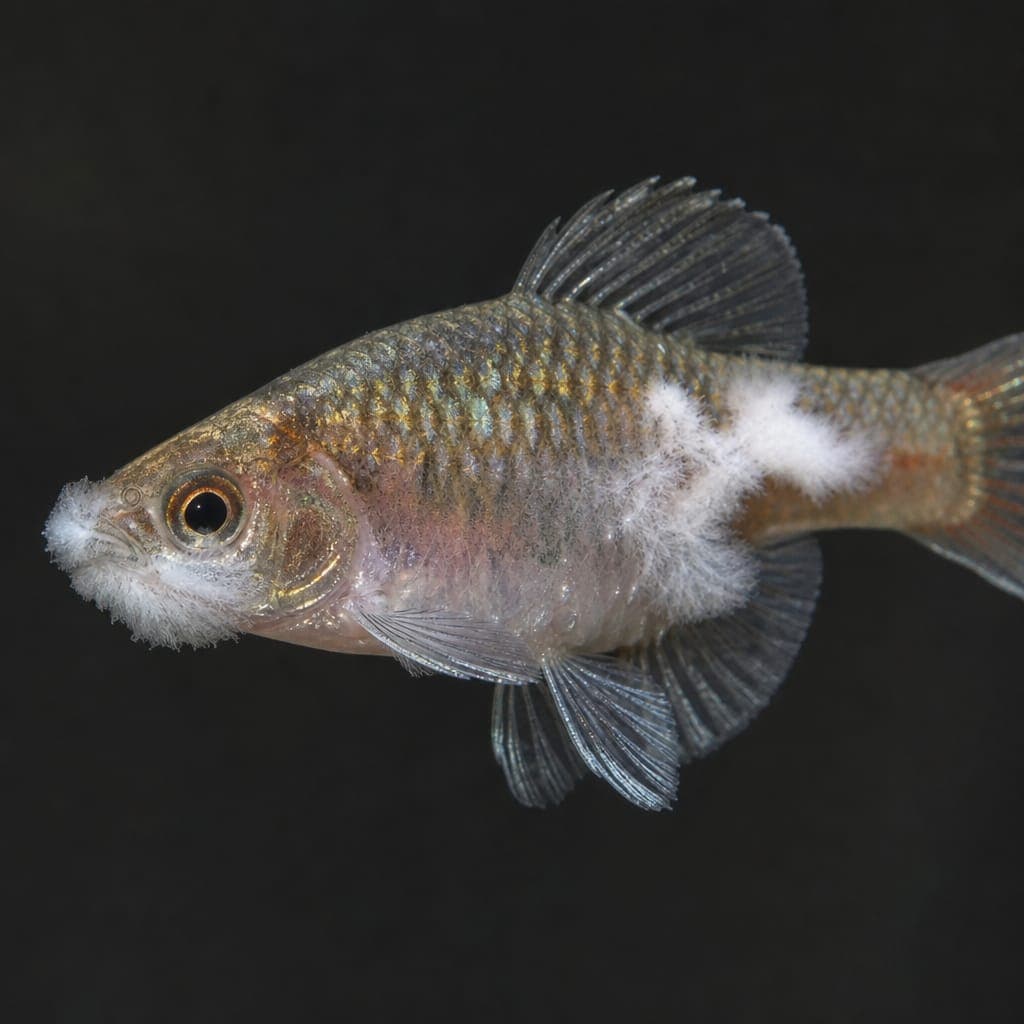
While Blackline Tetras are generally hardy, they may be susceptible to specific diseases typical in freshwater fish. Common health concerns include ich (Ichthyophthirius multifiliis), fin rot, and various fungal infections. Preventative measures, such as maintaining optimal water quality through regular testing and tank upkeep, are crucial in minimizing health issues.
Moreover, observing your fish for any signs of stress or illness, such as loss of appetite, abnormal swimming patterns, or visible signs of disease, can help in addressing potential problems early. Quarantining new fish and ensuring they are disease-free before introducing them to the main tank is also an effective strategy to maintain a healthy aquarium environment. Regular water changes and proper feeding routines play a significant role in preventing illness and promoting the longevity of Blackline Tetras.