Bloodfin Tetra: Aphyocharax anisitsi
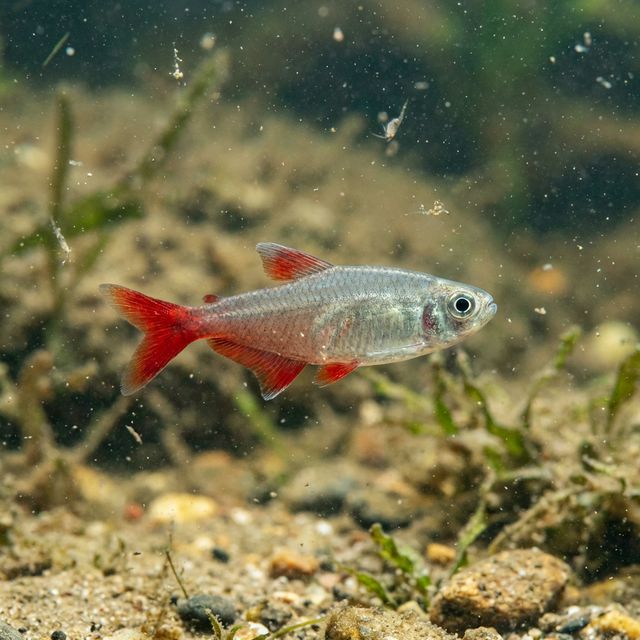
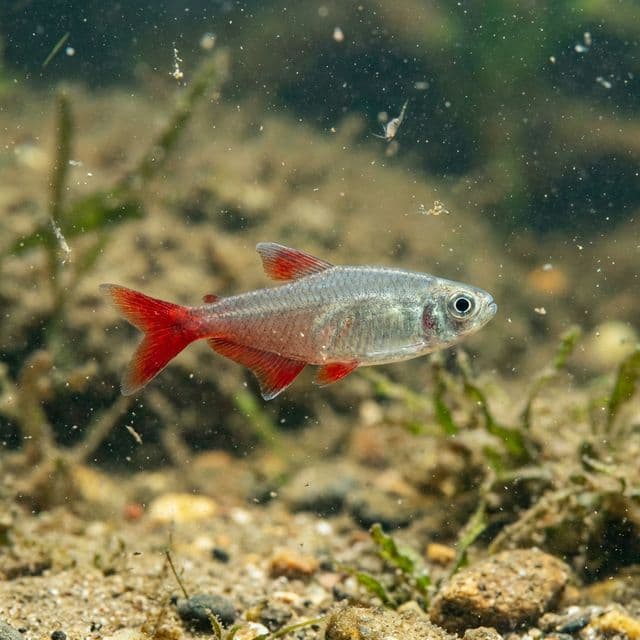
A silver tetra with striking blood-red fins. Very hardy and active surface swimmer.
Bloodfin Tetra
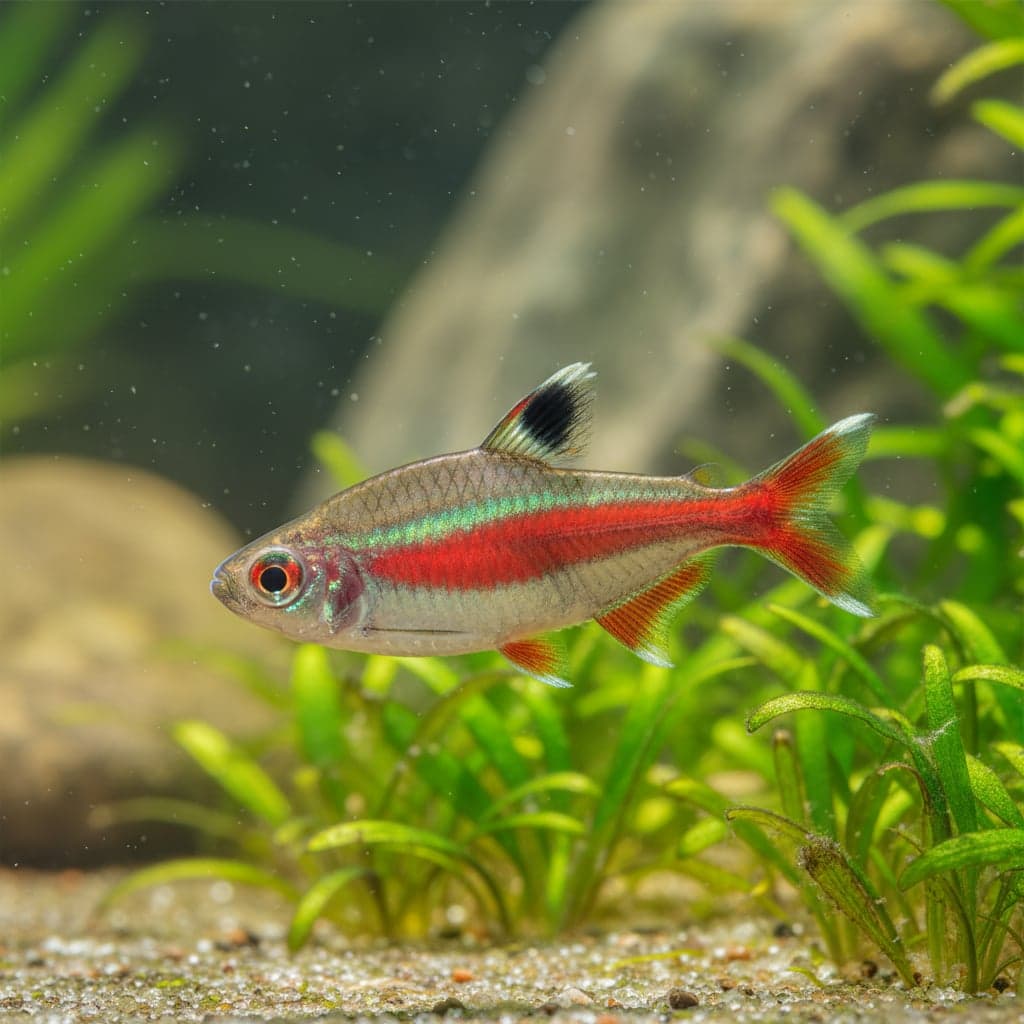
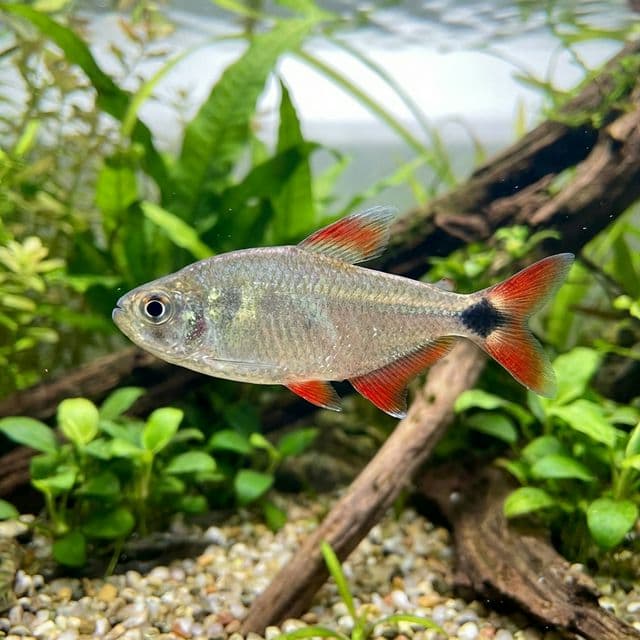
The Bloodfin Tetra (Aphyocharax anisitsi) is a small freshwater fish that belongs to the family Characidae, native to the rivers and streams of South America, specifically found in countries like Paraguay and Argentina. It is celebrated for its stunning appearance, marked by a shimmering silver body and striking red-orange fins that provide an eye-catching contrast. This visual appeal not only makes it a popular choice among aquarists but also lends it the nickname “bloodfin,” referring to the vivid coloration of its fins. Its active swimming behavior and schooling nature make it an exciting species for both novice and experienced aquarists, bringing life and vibrancy to any community tank.
In the aquarium hobby, the Bloodfin Tetra holds significance not only for its aesthetic qualities but also for its compatibility and peaceful demeanor. These fish thrive in groups, generally preferring to be kept in schools of six or more, which enhances their natural behavior and showcases their full potential. Their resilience and adaptability to varying water conditions make them ideal for community tanks, making them an excellent introduction to the world of freshwater aquariums.
Natural Habitat & Origin
The natural habitat of the Bloodfin Tetra is primarily found in the freshwater rivers and streams of the Paraná River basin in South America. This region features a variety of aquatic environments, including slow-moving waters with plenty of submerged vegetation and leaf litter. These fish are typically found in water that is slightly acidic to neutral, with a pH range of 6.0 to 7.5, and they thrive in temperatures ranging from 22°C to 28°C (72°F to 82°F). The environmental context includes warm, clear waters enriched by organic matter, which indicates a preference for habitats with several hiding spots and dim lighting, mimicking their native surroundings.
The ecological role of Bloodfin Tetras involves the consumption of small invertebrates, such as insects and crustaceans, indicating their importance in controlling microfauna populations in their habitats. By replicating their natural environment in the home aquarium, hobbyists can ensure the optimal health and well-being of these charming fish.
Care Requirements
When setting up a tank for Bloodfin Tetras, a minimum aquarium size of 20 gallons is recommended to provide adequate swimming space. They thrive in slightly acidic to neutral water, ideally kept between a pH of 6.0 to 7.5. The water temperature should be maintained between 22°C and 28°C (72°F to 82°F), with a hardness level of 5 to 15 dGH. For the tank setup, a sandy or fine gravel substrate is preferable, allowing for easy maintenance and a natural look. Dense vegetation, such as floating plants and mid-height flora, should be incorporated to create hiding spots, along with driftwood or rocks that simulate their natural environment.
Lighting should be moderate to low, as Bloodfin Tetras are typically found in shaded areas of the wild. Providing subdued lighting helps reduce stress in the fish while allowing the aquarist to enjoy the beauty of the tank. Regular water changes and a well-maintained filtration system are crucial to keep the water quality high, ensuring a healthy environment for these active swimmers.
Diet & Feeding
Bloodfin Tetras are omnivores, which means they have a diverse diet. In captivity, they thrive on a balanced diet that includes high-quality flakes, small pellets, and frozen or live food such as daphnia and brine shrimp. A staple diet of flakes should be supplemented with protein sources from frozen or live food to ensure proper growth and coloration. Feed them two to three times per day, offering only as much food as they can consume in a few minutes to prevent water pollution and maintain optimal health.
The occasional addition of plant matter, such as spirulina or blanched vegetables, can also enhance their diet and provide necessary nutrients. Proper nutrition is essential for the Bloodfin Tetra’s vibrant coloration and overall well-being.
Behavior & Temperament
Bloodfin Tetras are peaceful and social fish, making them ideal for community tanks. They exhibit strong schooling behavior, preferring to be in groups of six or more, which allows them to feel secure and display natural behaviors. Typically, they are non-aggressive and tend to avoid confrontations with other species, although they may become slightly more assertive during feeding times.
In terms of tank positioning, Bloodfin Tetras generally inhabit the upper and middle layers of the aquarium, actively swimming and exploring during the day. Their lively nature and energetic swimming patterns contribute to a dynamic and engaging aquarium environment.
Tank Mates
When selecting tank mates for Bloodfin Tetras, it's best to choose similarly sized and temperament-compatible species to ensure a harmonious community. Ideal tank mates include small peaceful fish such as Neon Tetras, Guppies, Corydoras Catfish, and Rasboras. Other compatible species include Cherry Barbs and Endler’s Livebearers, which offer vibrant colors and calm dispositions.
It is advisable to avoid larger or aggressive fish like Cichlids, bettas, or species known for fin-nipping, as these can stress or harass the Bloodfin Tetras, leading to poor health. Creating a balanced community with gentle tank mates will showcase the Bloodfin Tetra's natural beauty while maintaining a peaceful environment.
Breeding
Breeding Bloodfin Tetras in captivity can be a rewarding experience. These fish typically reach sexual maturity around six months of age. For successful breeding, a separate breeding tank of at least 10 gallons is recommended, with a sponge filter to maintain water quality without sucking in the small fry. A soft, slightly acidic pH and gentle lighting conditions will help stimulate breeding behavior.
To encourage spawning, gradually increase the water temperature and provide spawning mops or fine-leaved plants where the eggs can be laid. Females will scatter eggs among the plants. After spawning, it’s important to remove the adults, as they may eat the eggs or fry. The eggs hatch within 24-36 hours, and the fry should be fed infusoria or powdered fry food until they are large enough to consume crushed flakes.
Common Health Issues
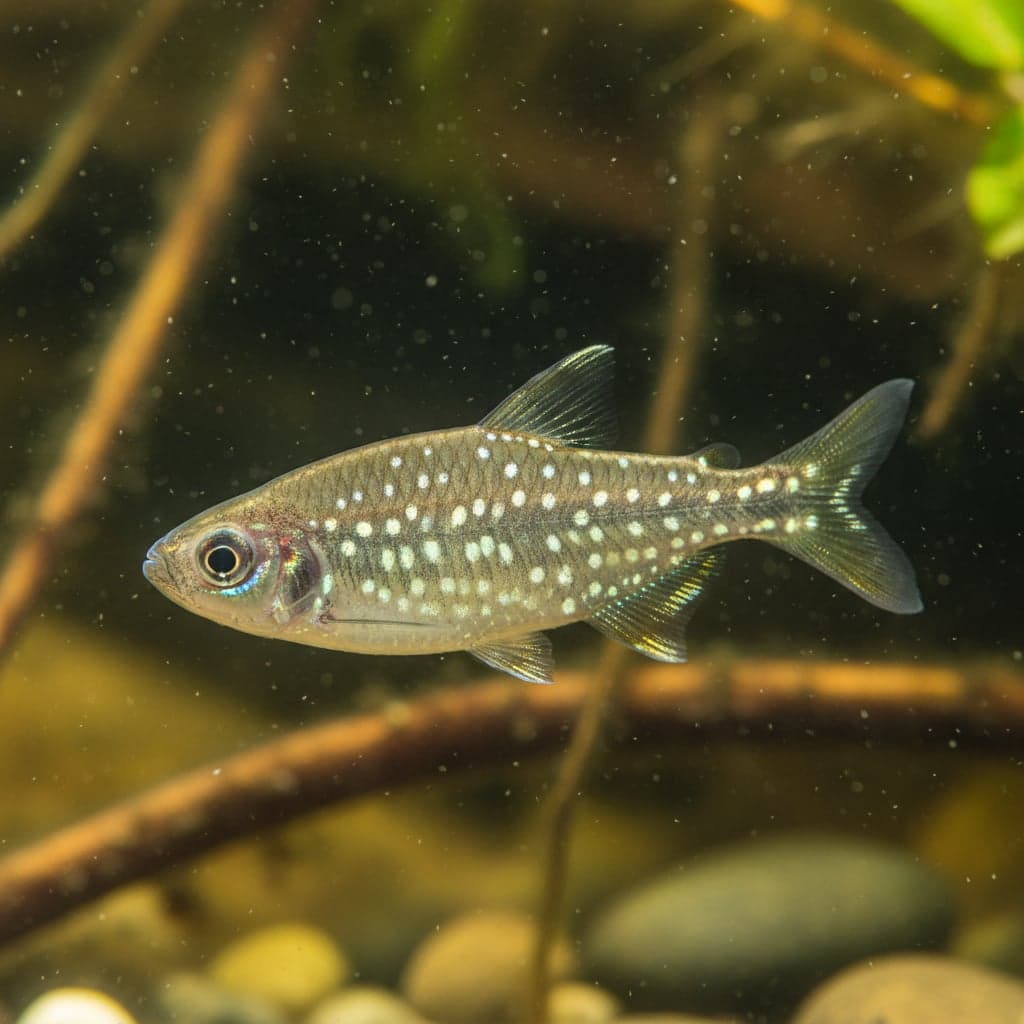
Bloodfin Tetras are generally hardy, but they can be susceptible to certain common fish diseases, primarily stress-related illnesses. Conditions such as ich (Ichthyophthirius multifiliis) can occur if the environment is not optimized or if the fish are stressed. Symptoms to watch for include white spots on the body, lethargy, or unusual swimming behavior.
Preventive measures include maintaining pristine water conditions through regular water changes, ensuring a proper diet, and avoiding overcrowding. Monitoring water parameters and maintaining a stable environment can significantly reduce the risk of illness. Quarantining new fish prior to introducing them into the aquarium can also help prevent disease outbreaks.