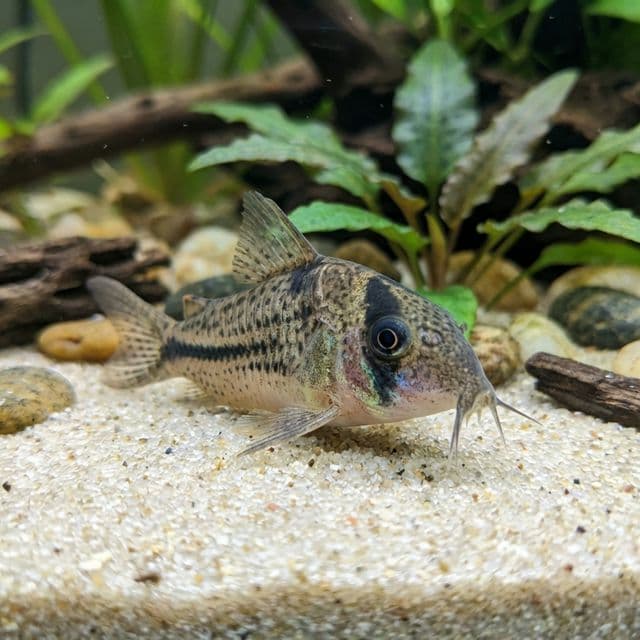
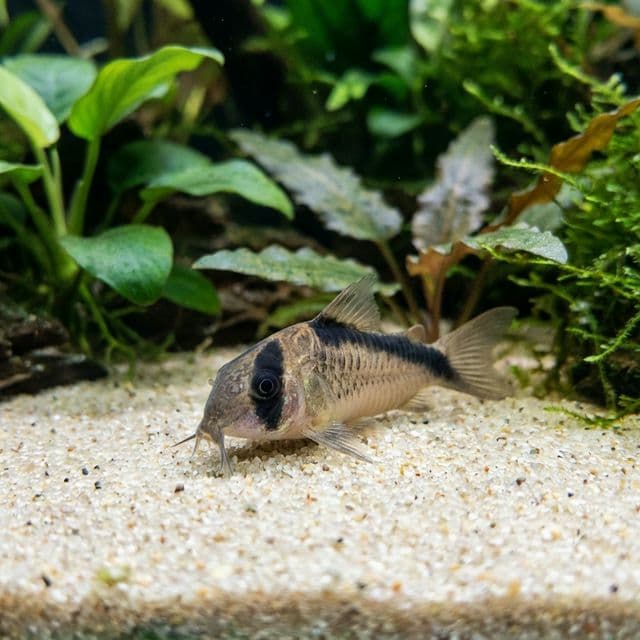
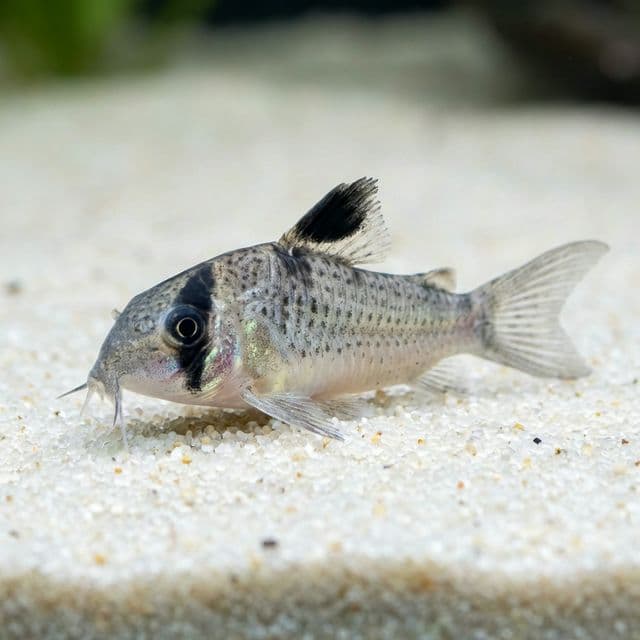
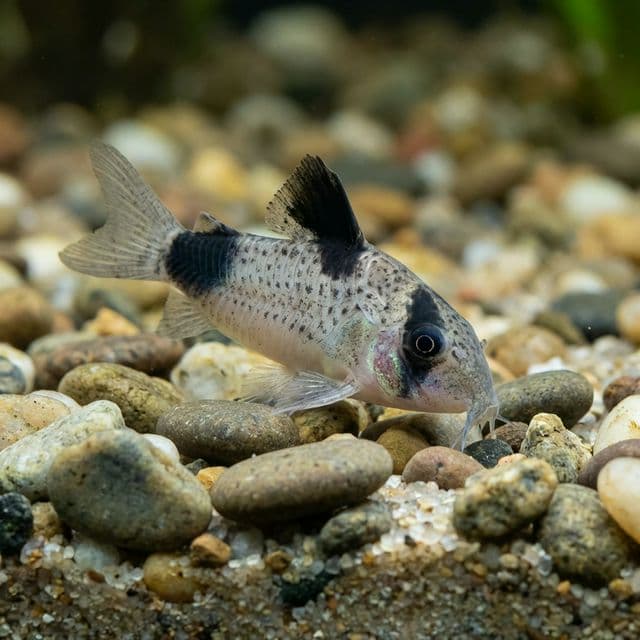
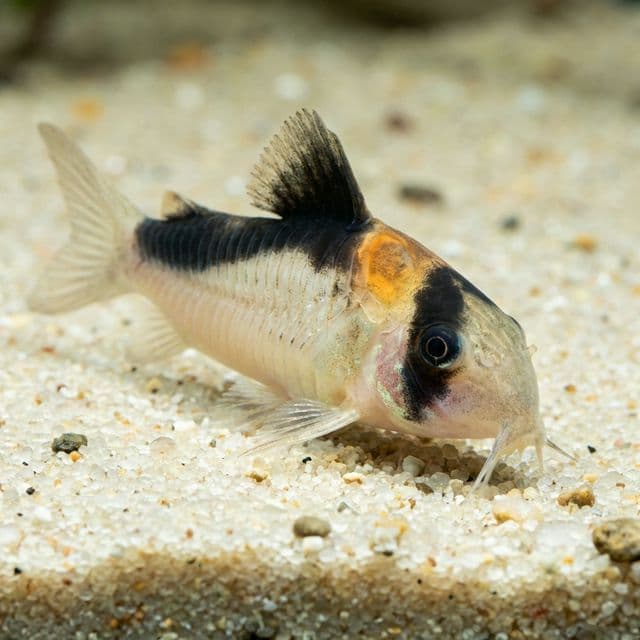
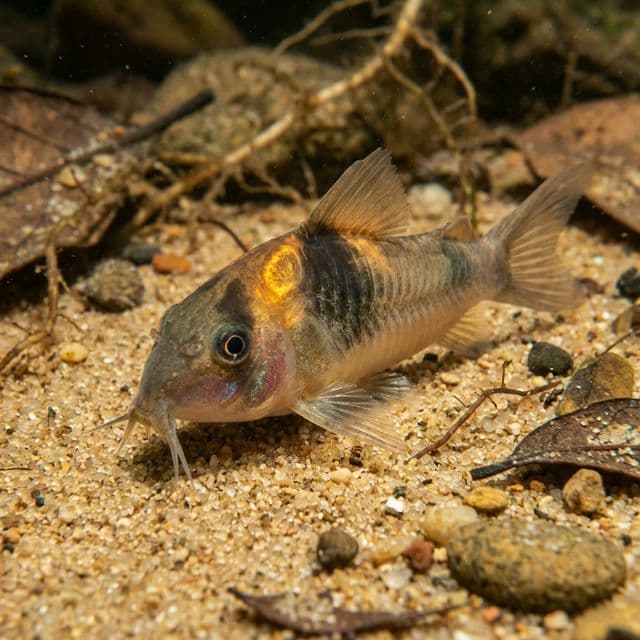
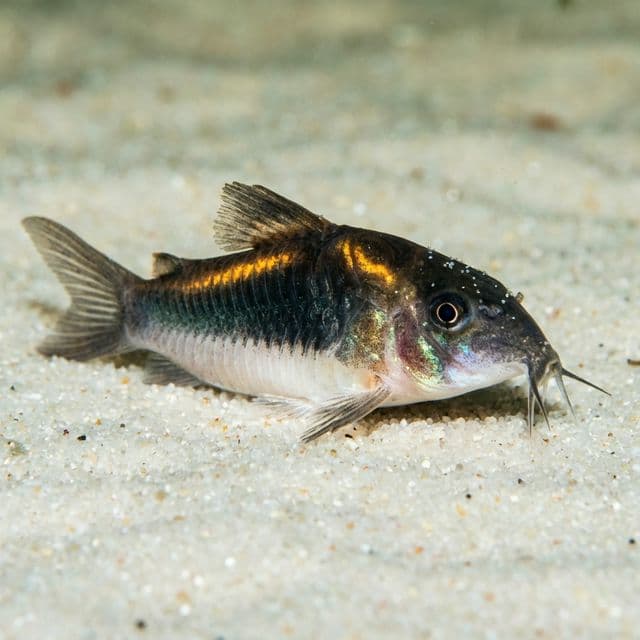
Blue Cory: Hoplisoma nattereri
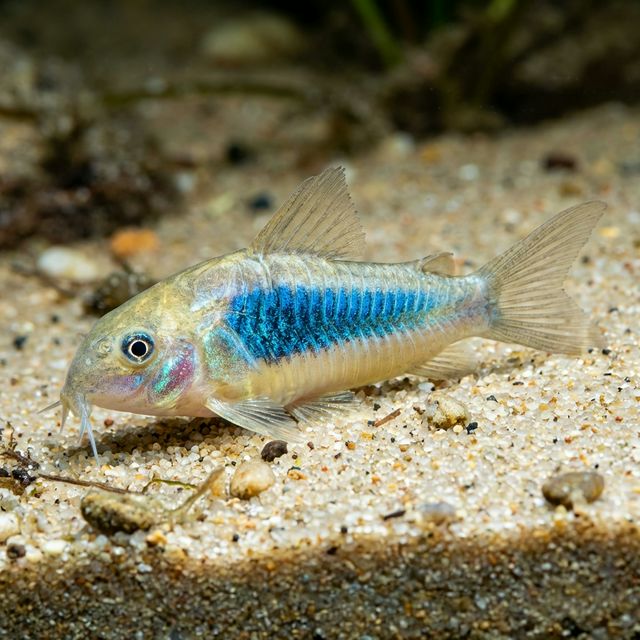
A subtly colored cory with a blue/grey sheen. Peaceful scavenger.
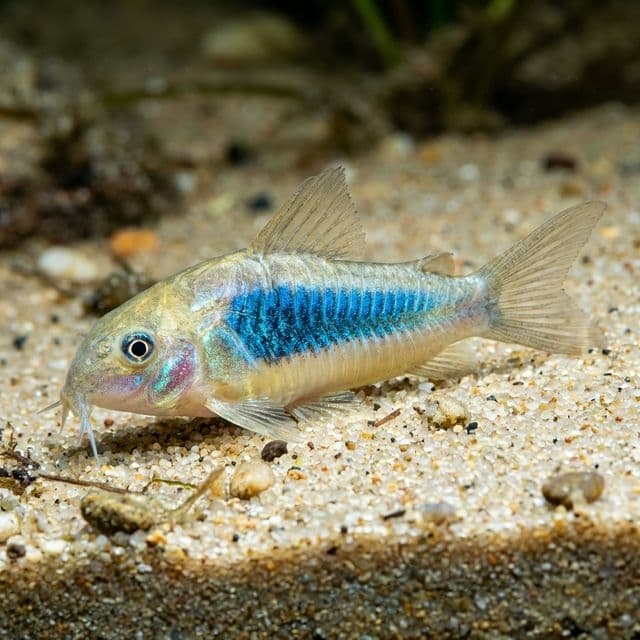
Blue Cory
The Blue Cory, scientifically known as Hoplisoma nattereri, is a captivating species of freshwater fish that belongs to the family Callichthyidae. Renowned for its striking blue coloration and distinctive patterning, the Blue Cory has become a favorite among aquarists who appreciate its beauty and unique appearance. With a sleek, elongated body that glistens under light, this fish can add vibrant hues to a community aquarium, making it an aesthetic centerpiece. Additionally, its gentle demeanor and engaging behaviors enhance its desirability among both novice and experienced fish keepers.
Significantly, Blue Corys occupy a unique niche in the aquarium trade owing to their adaptability and hardiness. These fish are often introduced into community tanks due to their peaceful nature, thriving well with a variety of compatible species. Beyond their visual appeal, Blue Corys play an integral role in maintaining the ecological balance within the aquarium environment; their scavenging habits contribute to the overall cleanliness of the tank, helping to manage algae and uneaten food. This multifaceted significance underscores why the Blue Cory is more than just another addition to an aquarium—it's a vital inhabitant that elevates the health and aesthetics of aquatic ecosystems.
Natural Habitat & Origin
Blue Corys are native to the slow-moving waterways of South America, specifically found in regions like the Amazon River basin. Their natural habitat typically encompasses sandy or muddy substrates with an abundance of vegetation, such as floating plants and submerged roots. The water is often characterized as blackwater, featuring low pH levels and high levels of tannins from decomposing organic matter, which imparts a tea-like color to the water. This specific environment fosters a rich ecosystem where Blue Corys thrive alongside other species, allowing them to exhibit natural behaviors that aquarists can replicate in captivity.
In the wild, these fish inhabit areas with gentle currents, seeking shelter among the leaf litter and aquatic plants. The presence of such habitats plays a crucial role in the behavioral dynamics and feeding patterns of Blue Corys, making it essential for aquarists to replicate these conditions within their home tanks to ensure the health and happiness of their fish.
Care Requirements
To successfully care for Blue Corys, certain water parameters and tank setups are vital. The ideal temperature range for these fish is between 24-28°C (75-82°F), with a pH level between 6.0 and 7.5. They thrive in softer water, ideally with hardness levels below 10 dGH. A good filtration system is also important, as Blue Corys are sensitive to water quality and require well-oxygenated environments.
For tank setup, a minimum size of 20 gallons is recommended to accommodate their social nature since these fish prefer to be in groups. The substrate should be fine sand or smooth gravel to prevent injury to their delicate barbels as they forage along the bottom. Additionally, including live plants, driftwood, and rock formations helps mimic their natural habitat. Low to moderate lighting is optimal, as it allows the fish to feel secure and encourages natural activities.
Diet & Feeding
Blue Corys are omnivorous scavengers, meaning they will happily consume a varied diet. In captivity, it's essential to provide them with high-quality sinking pellets, as well as flakes designed for bottom feeders. Incorporating frozen or live foods, such as brine shrimp, daphnia, and bloodworms, can excite and enrich their diet. Additionally, offering blanched vegetables like zucchini or spinach can enhance their nutrition. It's important to feed them multiple small meals each day rather than one large feeding to ensure optimal digestion and health.
To maintain the vibrancy of their colors and overall health, aquarists should monitor the quality of the food, ensuring it is free from fillers and low in artificial additives. This balanced diet will help ensure the Blue Cory remains active and thrives in a home aquarium.
Behavior & Temperament
Blue Corys exhibit social and peaceful behavior, often forming schools of five or more individuals. They are known for their inquisitive nature, frequently exploring the substrate in search of food and occasionally engaging in amusing activities like "shepherding" other tank mates or interacting with their own group members. These fish are non-aggressive, making them suitable for community tanks, as they cohabitate well with most peaceful species.
In terms of vertical placement, Blue Corys primarily inhabit the lower regions of the tank. They tend to stay close to the substrate, where they feel most secure. This bottom-dwelling nature means that aquarists should consider tank decorations and plant placements that allow enough open space for the Blue Corys to swim freely and engage in natural foraging behavior.
Tank Mates
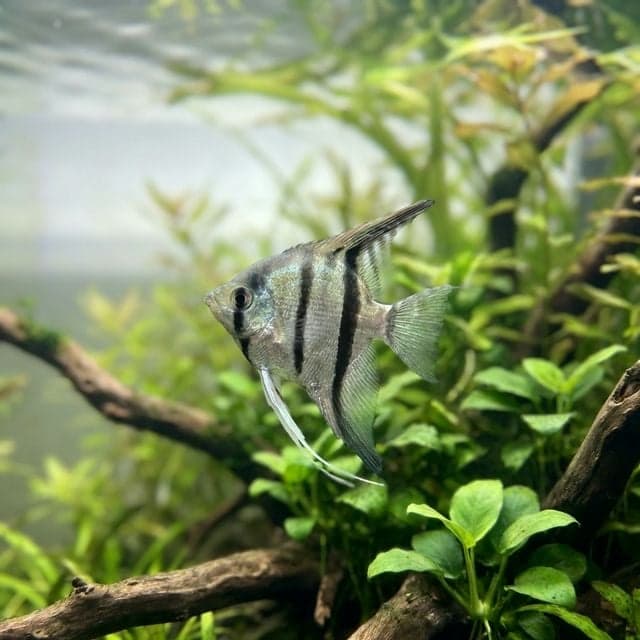
When selecting tank mates for Blue Corys, it is crucial to choose species that complement their peaceful temperament. Suitable companions include other cories, tetras (such as neon and cardinal tetras), rasboras, and peaceful barbs. Larger peaceful fish like angelfish or discus can also coexist with Blue Corys, provided enough space and hiding spots are available.
Species to avoid include aggressive or territorial fish like cichlids or any fin-nipping species that may harass the Blue Corys. Additionally, large predatory fish should be avoided, as they pose a threat to the safety of these small, bottom-dwelling fish. Creating a well-rounded community with diverse species will enhance the overall dynamics and enjoyment of the aquarium.
Breeding
Breeding Blue Corys in captivity can be rewarding, although it requires specific conditions to succeed. To encourage spawning behavior, aquarists should aim for a well-maintained tank with stable water parameters and ample hiding places. Raising the temperature slightly to about 28°C (82°F) can simulate the rainy season, stimulating the breeding instincts of these fish.
Spawning typically occurs in the early morning hours. A female Blue Cory drops eggs on various surfaces, including the leaves of plants or the tank walls, while the male fertilizes them. The parents exhibit unique behavior; after spawning, the male will often guard the eggs until they hatch. After a few days, the fry will emerge and should be fed fine infusoria or specially formulated fry food until they grow large enough to consume standard fish food. Successful breeding requires consistent monitoring of water quality and diligent feeding practices to promote healthy fry development.
Common Health Issues
Blue Corys are generally hardy fish, but they can be prone to a few common health issues. Some of the more prevalent diseases include ich (Ichthyophthirius multifiliis), fin rot, and bacterial infections. Maintaining optimal water quality is crucial in preventing disease outbreaks, so regular water changes and monitoring parameters are pivotal.
Preventive measures also include providing a stress-free environment, ensuring tank mates are compatible, and avoiding overcrowding in the aquarium. Quarantine new fish before introducing them to the main tank can help prevent the spread of diseases. Keeping a close eye on the behavior and appearance of Blue Corys is essential, as early intervention can often alleviate health issues before they escalate.