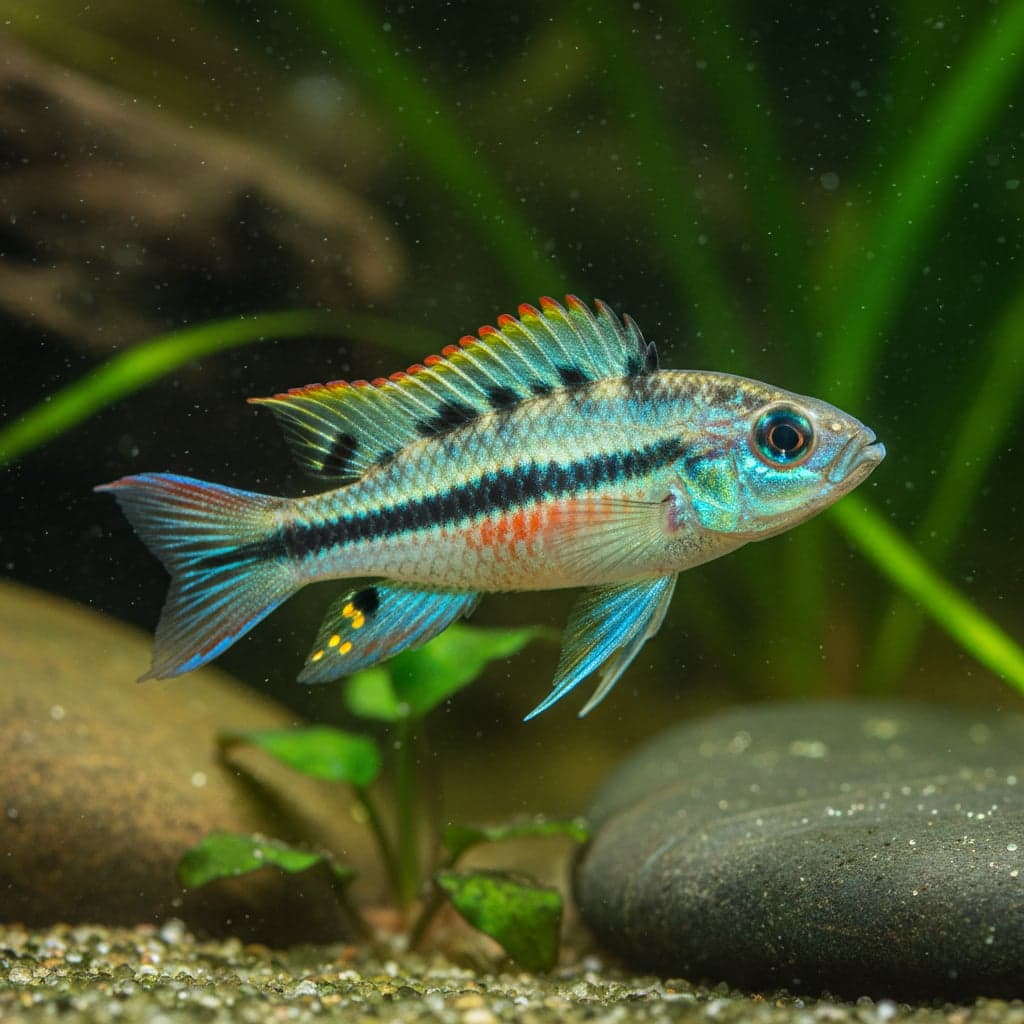
Blue Dwarf Cichlid: Apistogramma paucisquamis
A delicate and rare Apistogramma with metallic blue scales.
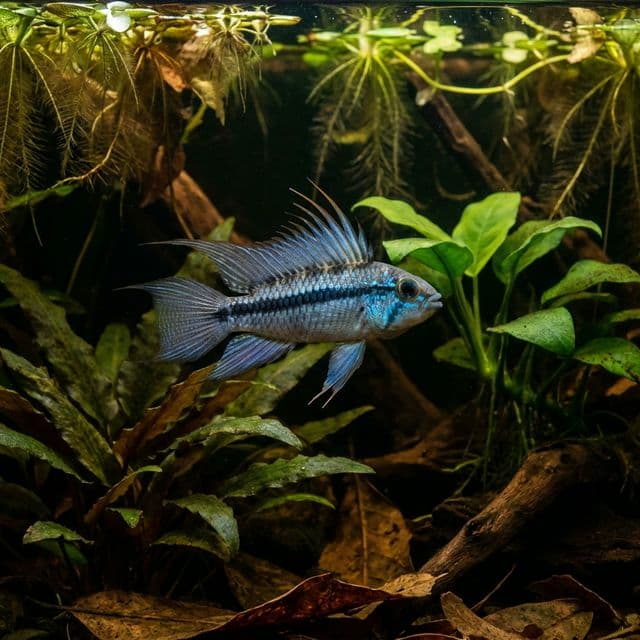
Blue Dwarf Cichlid
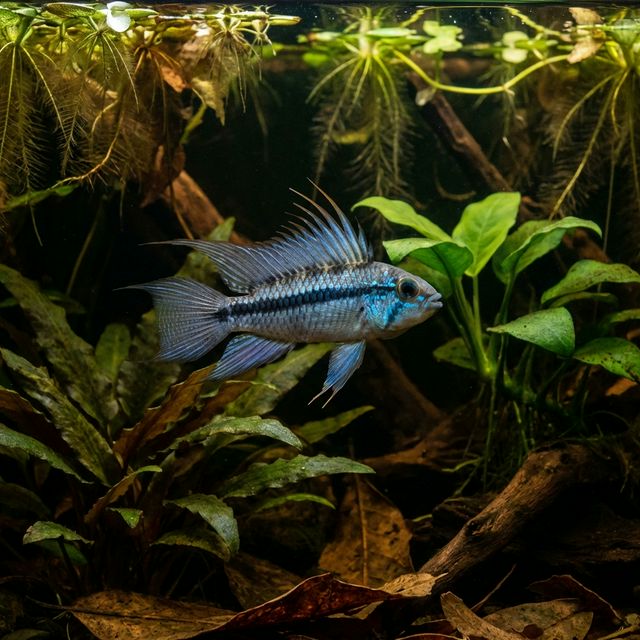
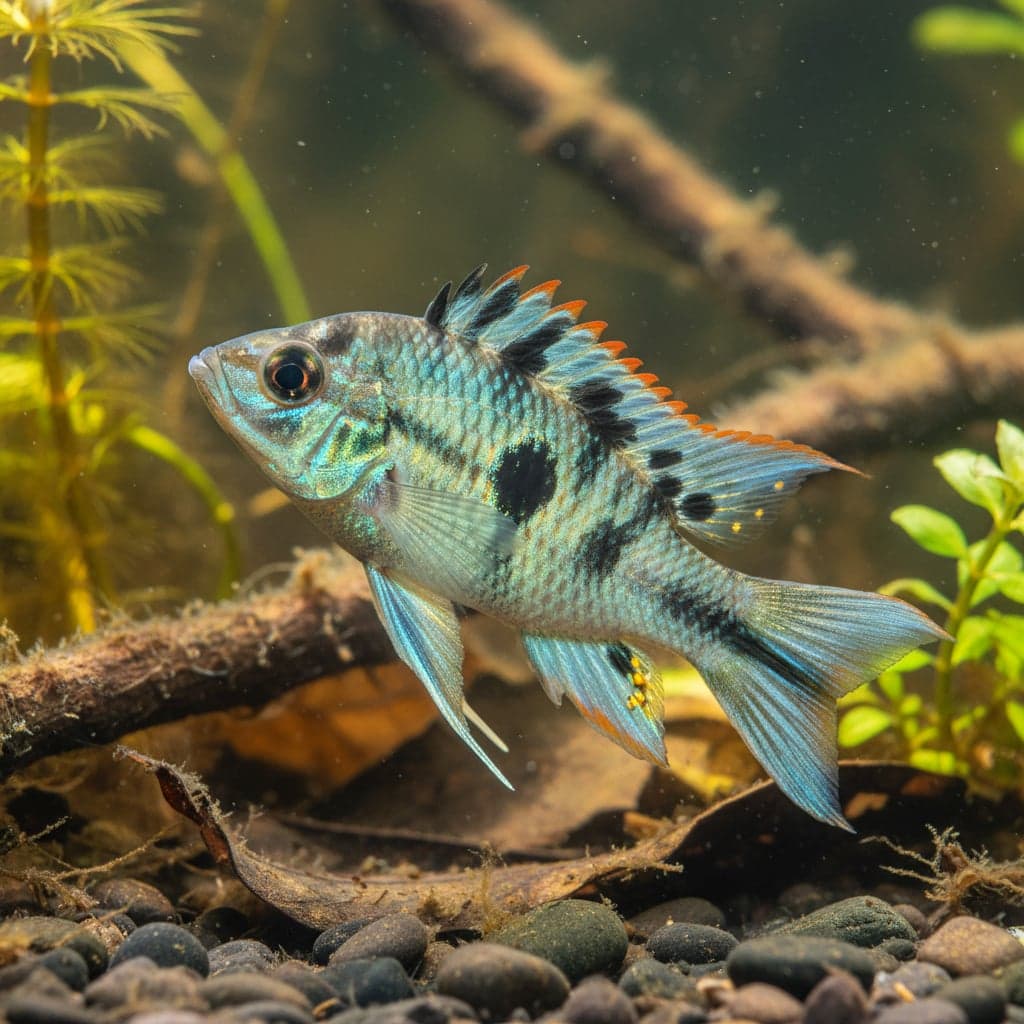
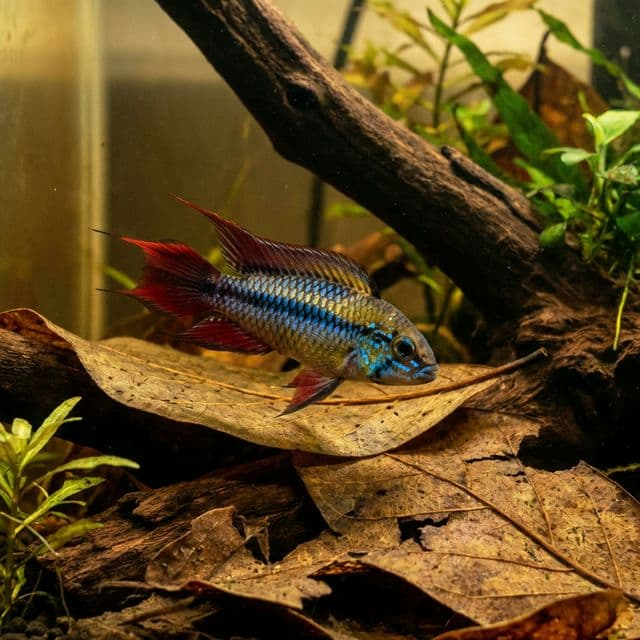
The Blue Dwarf Cichlid, or Apistogramma paucisquamis, is a stunning small freshwater fish renowned for its vibrant colors and distinctive features. Males exhibit bright blue and yellow hues that can make them a striking focal point in any community aquarium. Their relatively small size, typically reaching no more than 3 inches in length, allows them to thrive in smaller setups, making them popular among both novice and experienced aquarists. The Blue Dwarf Cichlid's beauty is complemented by its fascinating behaviors, such as establishing territories and engaging in elaborate courtship displays, which are significant draws in the aquarium hobby.
Beyond aesthetics, the Blue Dwarf Cichlid holds a prominent place in the aquarium trade. Its captivating personality and relatively manageable care requirements make it an excellent choice for aquarists who enjoy keeping African cichlids but are limited in space or experience. The species is a testament to the diversity of freshwater fish and highlights the importance of habitat conservation, as this fish thrives in unique ecological niches that need ongoing protection. For enthusiasts, nurturing this species is not only rewarding but also serves as an opportunity to appreciate the biodiversity of our planet’s freshwater ecosystems.
Natural Habitat & Origin
The Blue Dwarf Cichlid is native to the slow-moving waters of the Amazon Basin, particularly in regions found in Colombia and Peru. It typically inhabits rivers, streams, and floodplains, where the waters are often characterized as blackwater environments. Blackwater systems are rich in tannins from decomposing plant material, resulting in soft, acidic water that provides a distinct habitat for a variety of aquatic life. The natural settings are often densely vegetated with driftwood and leaf litter, offering the cichlids essential cover to conceal themselves from perceived threats, as well as breeding areas to establish territories.
In their natural habitats, Blue Dwarf Cichlids are often found in shallow areas with abundant vegetation. These conditions contribute significantly to their coloration and behavior, as the murky waters provide both refuge and a complex environment for foraging and breeding. To mimic these conditions in captivity, aquarists should consider replicating the water parameters and environmental features found in their native habitats, ensuring a more comfortable and enriching environment for the fish.
Care Requirements
For optimal health and vitality, the Blue Dwarf Cichlid requires specific water parameters. Ideally, the pH should be maintained between 5.5 and 7.5, with a temperature range of 75°F to 82°F (24°C to 28°C). Hardness should be low, ideally between 2 to 10 dGH. These requirements mirror the conditions of its natural habitat and provide a stable environment for the fish to thrive.
The ideal tank setup for Blue Dwarf Cichlids is a well-planted aquarium of at least 20 gallons, allowing ample space for swimming and territory establishment. A soft substrate, such as sand or fine gravel, is recommended to recreate their natural environment. The aquarium should also feature abundant hiding spots using driftwood, rocks, and dense vegetation. Lighting should be moderate to low, promoting plant growth and reducing stress on the fish. Floating plants can help provide shade and cover, mimicking the dappled light conditions found in their native habitats.
Diet & Feeding
As omnivores, Blue Dwarf Cichlids thrive on a varied diet composed of both meaty and plant-based foods. In captivity, they benefit from high-quality flake and pellet foods specifically formulated for cichlids, as well as frozen or live foods such as brine shrimp, bloodworms, and daphnia. A balanced diet is crucial for their health, coloration, and breeding success. Additionally, offering blanched vegetables like spinach or zucchini can provide essential nutrients and enhance their well-being.
Regular feeding should occur multiple times a day in small portions, ensuring that all fish get adequate access to food while preventing waste accumulation in the tank. Observing closely during mealtimes can help determine the right portion sizes and the dietary preferences of individual fish.
Behavior & Temperament
The Blue Dwarf Cichlid exhibits engaging and complex behaviors, making them a favorite among aquarists. They are generally peaceful but can display territorial aggression, especially during breeding periods. Males may become more reclusive or aggressive as they establish their territory, while females may defend nests against intruders. It is essential to provide sufficient space and hiding areas to minimize conflicts and stress amongst tank mates.
In terms of schooling habits, Blue Dwarf Cichlids are not schoolers like other species. Generally, they prefer to occupy the bottom layers of the aquarium, utilizing caves and plants to hide. While they can coexist peacefully with other appropriately-sized fish, care should be taken to observe their interactions and ensure that compatible species do not infringe on their territory.
Tank Mates
When selecting tank mates for the Blue Dwarf Cichlid, it is important to choose peaceful species that occupy different levels of the aquarium to avoid territorial disputes. Compatible tank mates include:
- Rasboras (such as Harlequin Rasboras)
- Tetras (such as Neon Tetras or Celestial Pearl Danios)
- Corydoras catfish
- Small loaches (such as Kuhli Loaches)
- Certain species of shrimp (such as Cherry Shrimp)
However, caution should be exercised regarding species that might provoke aggression, such as larger cichlids or fin-nipping fish. Avoid tank mates like:
- Larger African cichlids
- Tiger Barbs
- Aggressive species like some types of Gouramis
Choosing compatible species ensures a harmonious community tank, allowing the Blue Dwarf Cichlid to thrive and showcase its natural beauty.
Breeding
Breeding Blue Dwarf Cichlids in captivity can be a rewarding endeavor, as they are known to exhibit fascinating parental behaviors. To facilitate successful spawning, provide a separate breeding tank with appropriate conditions. The breeding area should include flat surfaces, such as slate or large leaves, where females can lay eggs. Maintaining a slightly higher temperature (around 80°F or 27°C) and softer water during breeding can promote spawning.
The female Blue Dwarf Cichlid typically lays a clutch of eggs on the chosen surface and is known to display doting maternal behavior, protecting the eggs and fry until they are free-swimming. During this time, the male will also engage in protectiveness but may be more assertive in defending the territory. It's crucial to ensure the main tank remains calm during this period to avoid stressing the breeding pair or their fry.
Common Health Issues
Like all aquarium fish, Blue Dwarf Cichlids can be susceptible to various health issues if not properly cared for. Common diseases include:
- Ich (Ichthyophthirius multifiliis): This parasitic infection manifests as white spots on the skin and fins. Prevention includes maintaining water quality and temperature.
- Velvet disease (Oodinium): Characterized by a gold dust appearance on the fish, it can be fatal if untreated. Treatment usually involves increasing water temperature and administering anti-parasitic medications.
- Fin rot: Often a result of poor water quality, this bacterial infection can cause frayed fins. Regular water changes and maintaining proper tank conditions essential in preventing fin rot.
To minimize the risk of these diseases, maintain pristine water, quarantine new arrivals, and avoid sudden parameter swings. A balanced diet and peaceful tank mates further reduce stress-related illness. Offer caves and subdued lighting so these shy cichlids can retreat when needed. Prompt care at the first sign of spots, gold dust, or frayed fins keeps Blue Dwarf Cichlids healthy, colourful, and active.