Blue-green Lampeye: Procatopus aberrans
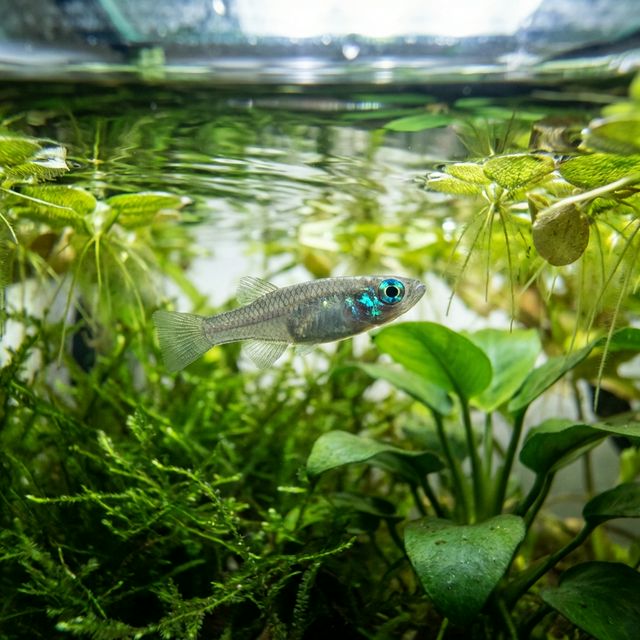
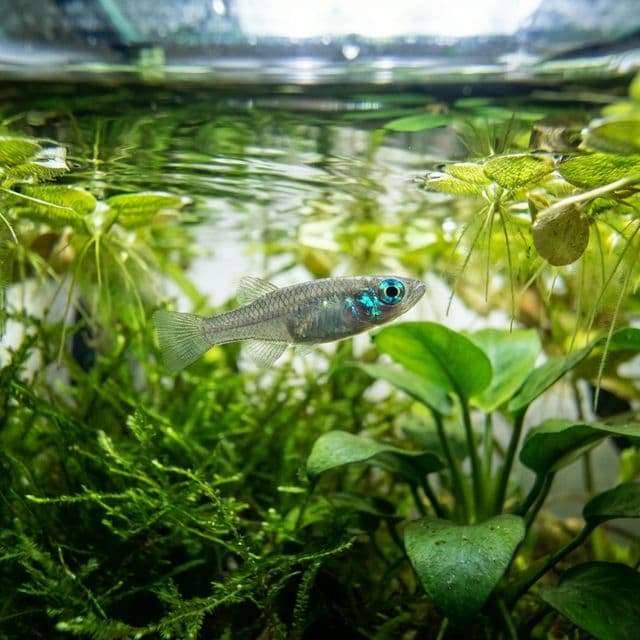
A glowing African killifish. The eyes shine brilliantly under aquarium light.
Blue-green Lampeye
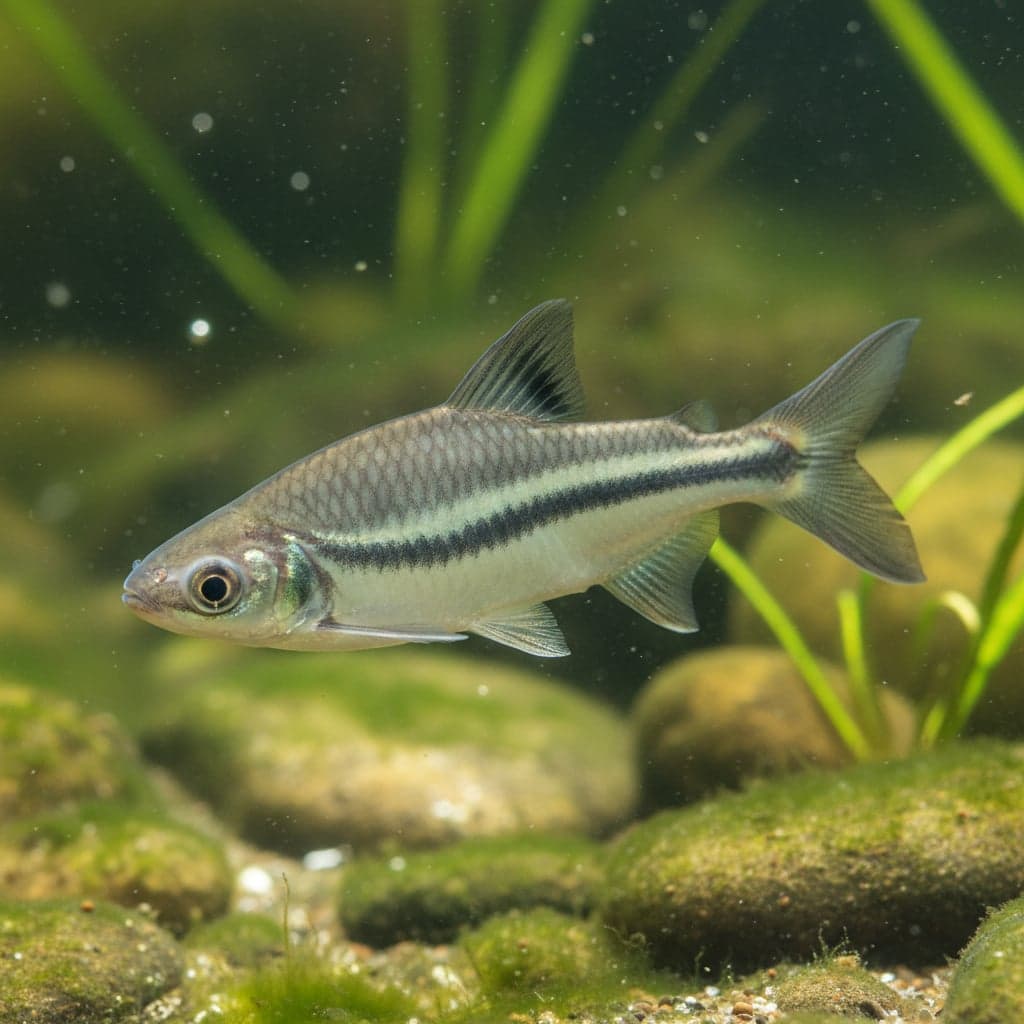
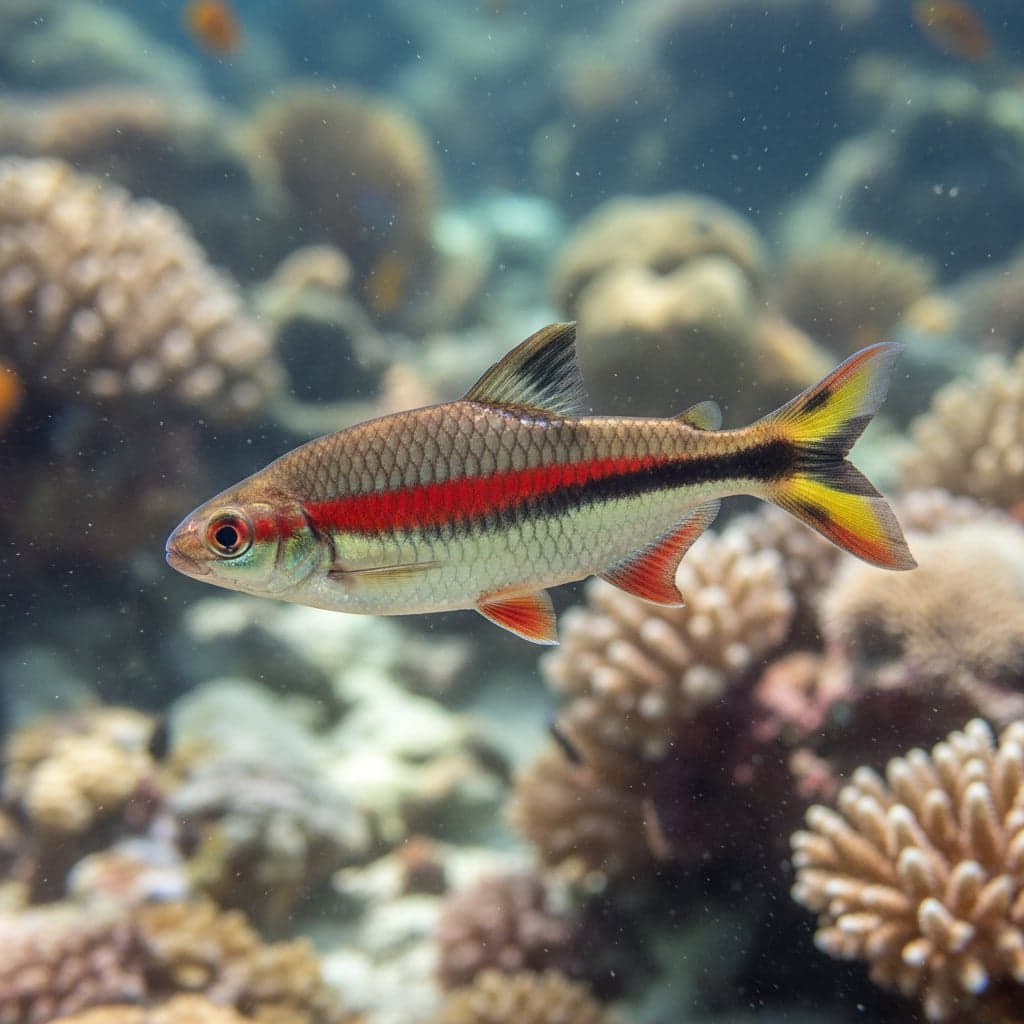
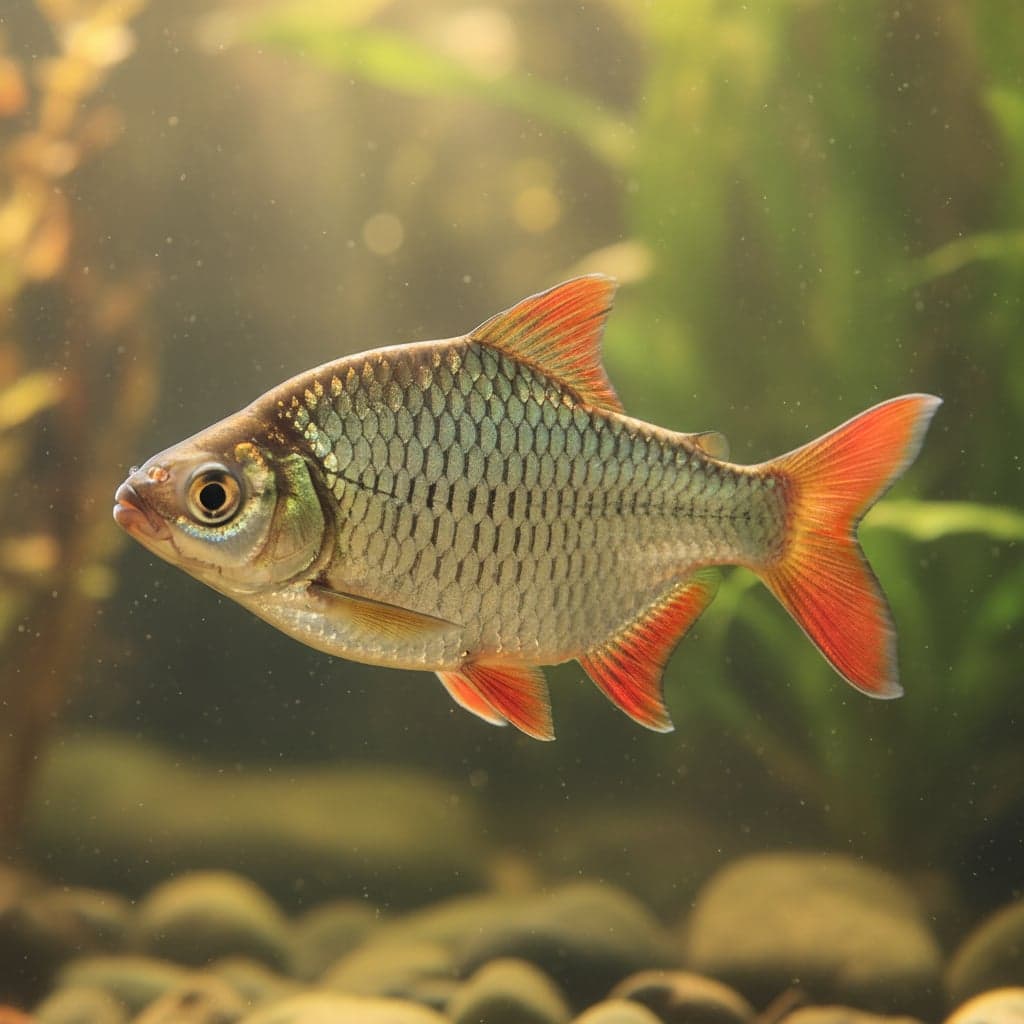
The Blue-green Lampeye, scientifically known as Procatopus aberrans, is a small freshwater fish renowned for its stunning visual aesthetic and serene disposition. Native to the waters of West Africa, this species captivates aquarists with its iridescent blue-green coloration, which is most prominently showcased in its reflective eyes—hence the name "lampeye." Adult individuals typically grow to about 1.5 to 2 inches, making them ideal for smaller aquariums or community setups. Their delicate size and lively, darting movements bring a dynamic yet peaceful ambiance to any aquarium, creating a visually stunning display of shimmering colors.
In terms of significance, the Blue-green Lampeye has gained popularity within the aquarium hobby for both its engaging behavior and adaptability to various tank conditions. Its tranquil nature makes it an excellent candidate for community tanks, where it contributes to a harmonious environment. Enthusiasts appreciate not only its attractive appearance but also its resilience, which makes it suitable for both novice and experienced aquarists. Incorporating Blue-green Lampeyes into a well-planned aquarium can enhance biodiversity and promote ecological balance within the habitat.
Natural Habitat & Origin
The Blue-green Lampeye hails from the tropical freshwater ecosystems of West Africa, notably prevalent in countries like Liberia, Ghana, and Nigeria. These fish are typically found in slow-moving streams, swamps, and floodplains, which are characterized by soft, acidic waters laden with organic materials. The environments where they thrive often contain dense vegetation and leaf litter, creating an intricate tapestry of natural cover. This habitat type, often classified as blackwater, provides the fish with essential shelter from predators and a rich source of microorganisms for feeding.
The water conditions in their native habitat feature a low pH (generally around 6.0 to 7.0), soft to moderately hard water, and temperatures ranging between 75°F to 82°F (24°C to 28°C). These fish are well-adapted to navigating through densely vegetated areas, seeking refuge amongst plant life and utilizing cover for breeding and foraging. Understanding the natural habitat of the Blue-green Lampeye is crucial for replicating their conditions in an aquarium setting.
Care Requirements
To successfully keep Blue-green Lampeyes in an aquarium, it is essential to replicate their natural environmental conditions. A minimum tank size of 10 gallons is recommended to provide adequate space for these active swimmers. A soft substrate, such as fine gravel or sand, mimics their natural habitat while allowing for root growth of live plants. Lighting should be moderate to low—too much light can increase algae growth, which might compromise water quality.
As for water parameters, maintain a slightly acidic pH between 6.0 and 7.5, with temperatures ideally set between 75°F and 82°F (24°C - 28°C). Water hardness should be kept between 2 to 10 dGH, ensuring a comfortable and healthy environment. Incorporating plenty of plants, such as java moss, hornwort, and floating plants, can provide shelter and breeding areas while enhancing the aesthetic appeal of the aquarium.
Diet & Feeding
The Blue-green Lampeye is an omnivorous species, exhibiting a diverse diet that plays a critical role in its health and well-being. In captivity, these fish thrive on high-quality flake food supplemented with a variety of live or frozen foods. Ideal options include brine shrimp, daphnia, and bloodworms, which provide essential nutrients and stimulate natural hunting behaviors. When feeding, aim for a balanced diet that includes both plant-based and protein-rich foods to promote optimal growth and vibrant coloration.
Aquarists should feed their Blue-green Lampeyes small amounts two to three times a day, ensuring all food is consumed within a few minutes to prevent water quality issues. High-quality pellets can also be a part of their diet, but ensure they are small enough for these little fish to eat easily. Providing a varied diet will not only maintain the health of your Blue-green Lampeyes but will also encourage lively activity in the tank.
Behavior & Temperament
The Blue-green Lampeye is known for its peaceful demeanor and sociable behavior, making it an excellent choice for community tanks. They naturally school and feel more secure when kept in groups of at least six or more individuals. In their natural habitat, they are frequently found swimming in mid to upper levels of the water column, exhibiting a calm yet active swimming style. Their non-aggressive nature allows them to coexist happily with many other peaceful fish species.
The fish are relatively shy and may take time to acclimate when introduced to a new aquarium. It is essential to provide plenty of hiding spots and plants so they can feel secure and exhibit more natural behavior. Their schooling habits not only enhance their drought action in the tank but also boost the overall visual appeal of the aquarium environment.
Tank Mates
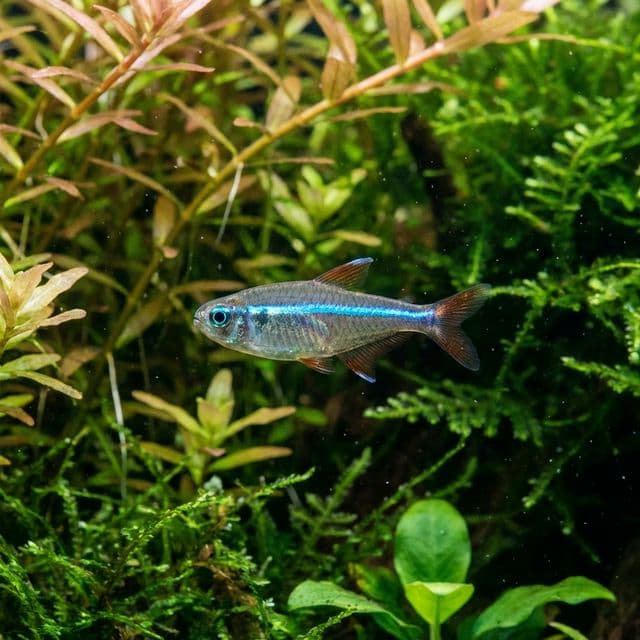
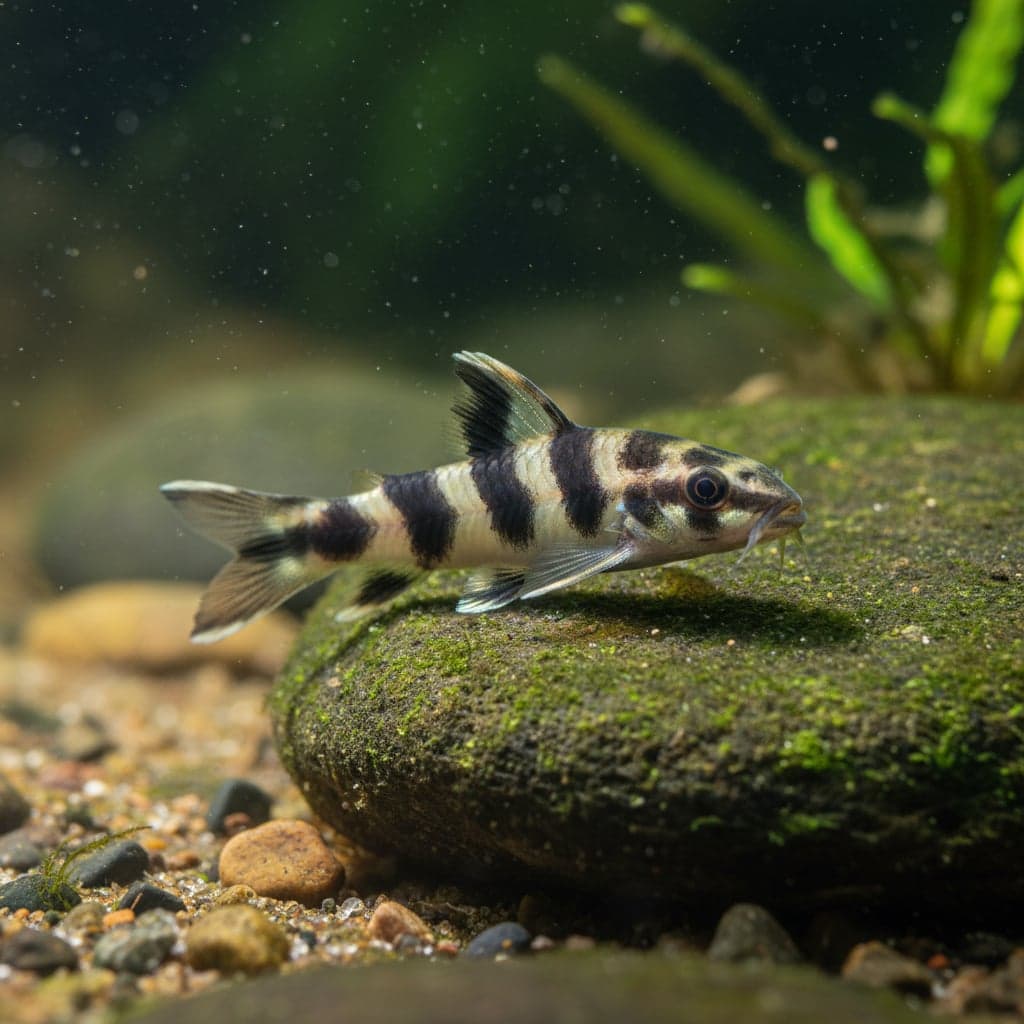
When selecting tank mates for Blue-green Lampeyes, it is crucial to choose species that share similar water parameter needs and exhibit a gentle temperament. Compatible tank mates include other peaceful fish such as small tetras (neon, ember, or cardinal tetras), rasboras, small corydoras catfish, and dwarf gouramis. These species coexist harmoniously without posing a threat of aggression or competition for resources.
Conversely, it is advisable to avoid larger or aggressive fish species that could view Blue-green Lampeyes as a potential meal, such as cichlids, bettas, and larger barbs. Additionally, avoid fast-moving fish that might outcompete them for food or create undue stress. A well-balanced community setup with various peaceful species will enhance the overall aquarium experience.
Breeding
Breeding the Blue-green Lampeye in captivity is an achievable yet delicate process. To facilitate successful spawning, it is essential to create optimal conditions that mimic their natural habitat. A separate breeding tank equipped with soft, aged water (pH between 6.0 and 7.0 and soft water hardness) should be set up. Use a sponge filter to ensure gentle water flow and provide spawning substrates such as fine-leaved plants or spawning mops where the female can lay eggs.
During the breeding process, females can lay several dozen eggs, which are typically fertilized by the males shortly thereafter. Post-spawning, it is recommended to remove the adult fish from the breeding tank, as they may consume the eggs or fry. The fry will hatch in approximately 24 to 48 hours and should be fed infusoria or finely crushed flake food once they are free-swimming. With proper care and attention, breeding Blue-green Lampeyes can be a rewarding and enriching experience for the aquarist.
Common Health Issues
While generally hardy, Blue-green Lampeyes can be susceptible to several common health issues, including ich (Ichthyophthirius multifiliis), fin rot, and swim bladder disease. Ich manifests as small white spots on the fish's body and can be mitigated with proper water quality management and temperature adjustments. Regular water changes and maintenance will help prevent such outbreaks.
To prevent fin rot, ensure the fish are not subjected to stress or injury, and maintain a clean tank environment. Swim bladder disease can arise from overfeeding or poor water quality, so it is essential to monitor feeding practices and water parameters closely. Providing a varied diet, stable soft water, and dense plants further supports immunity and cuts stress-related outbreaks. Quarantine newcomers, keep ammonia and nitrite at zero, and change water regularly. Watch for white spots, frayed fins, buoyancy problems, or sudden lethargy, and treat promptly in a hospital tank. A school of six or more keeps them secure and healthier. With clean water and attentive care, Blue-green Lampeyes remain sparkling, peaceful schoolers for years.