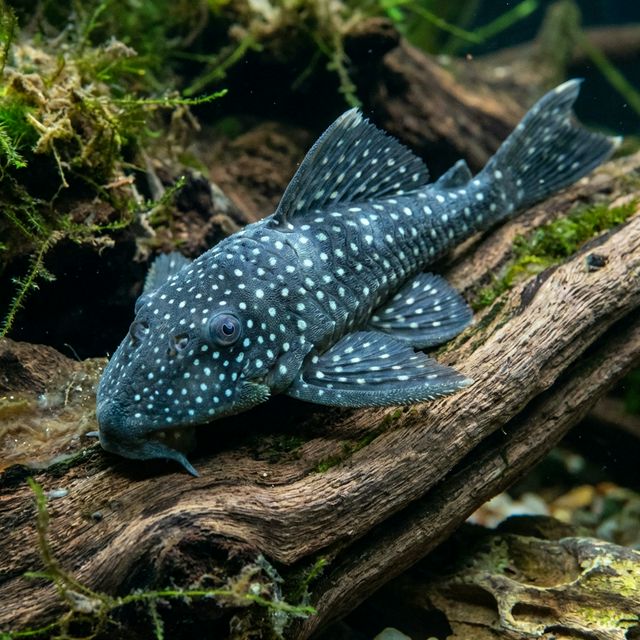
Blue Phantom Plec: Hemiancistrus sp. L128
A stunning deep blue pleco with white spots. A favorite among L-number collectors.

Blue Phantom Plec
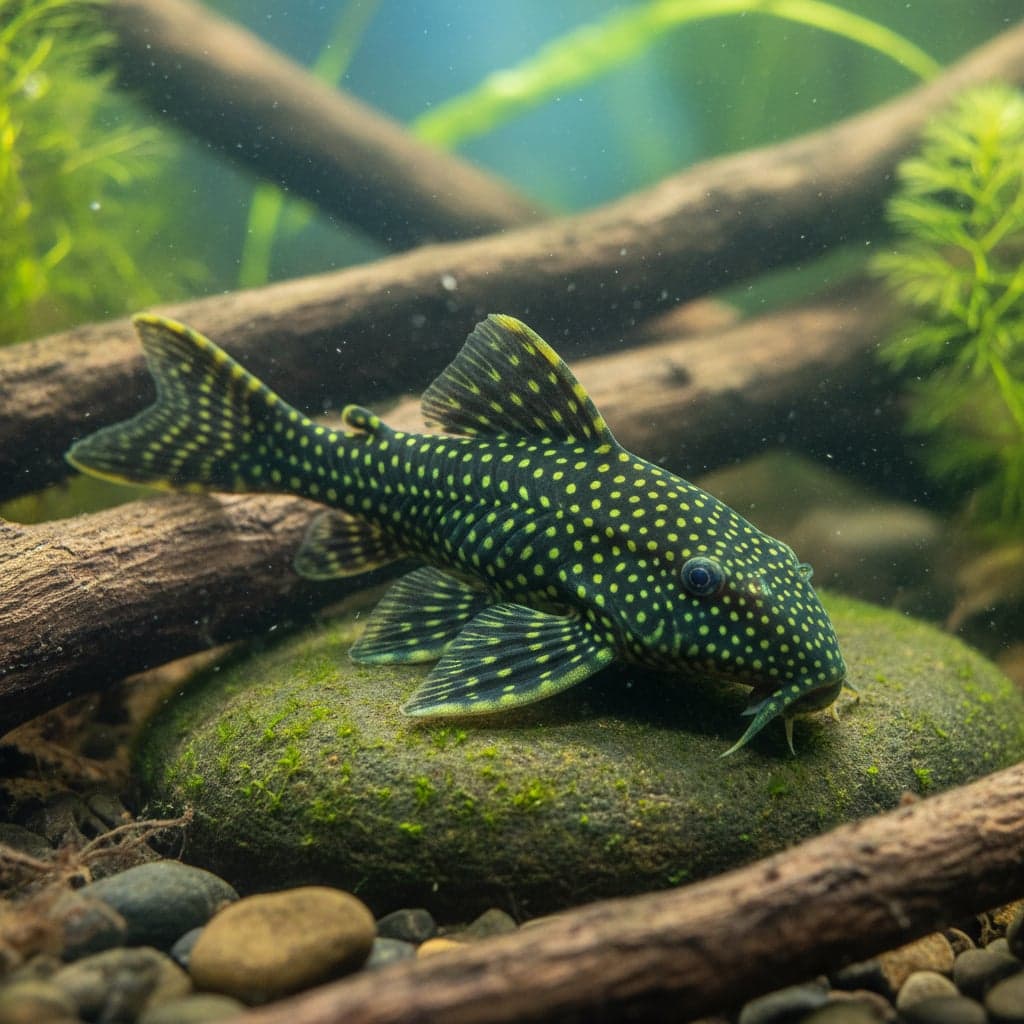
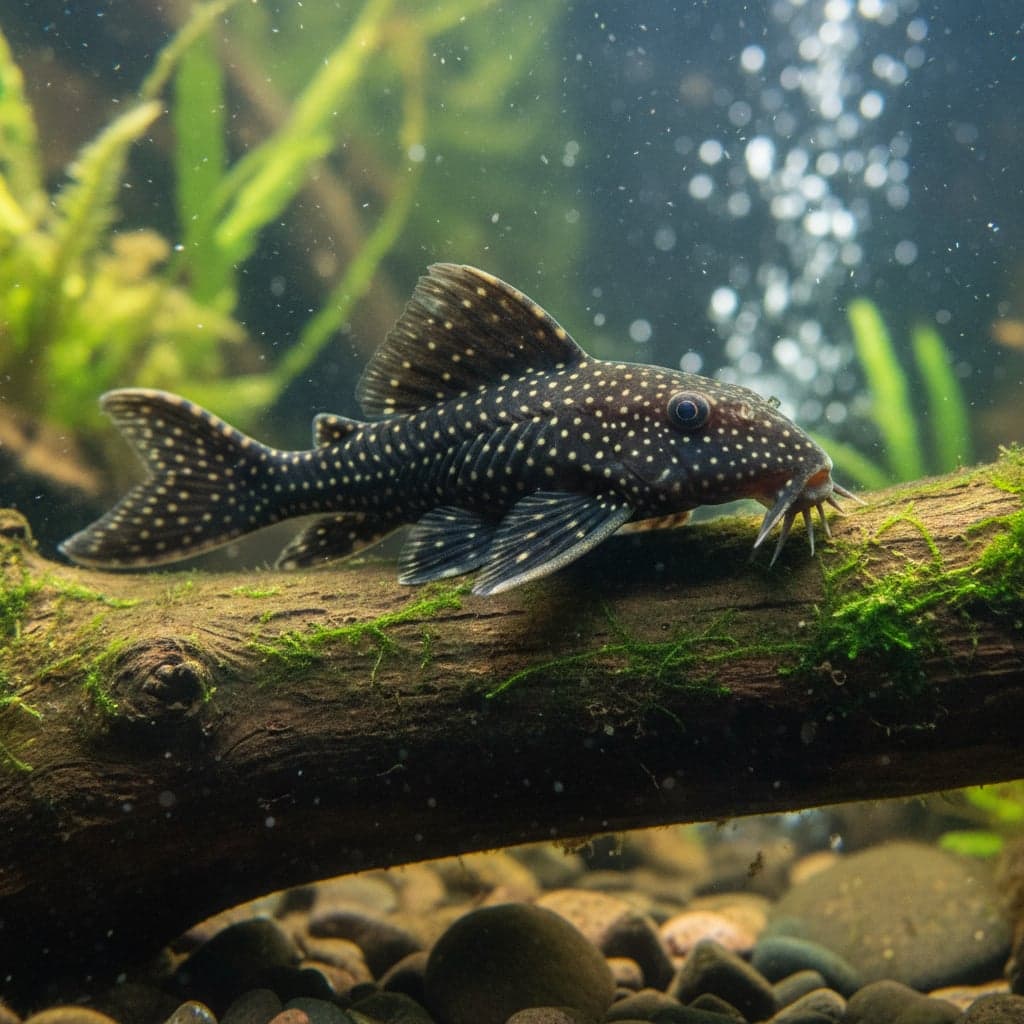
The Blue Phantom Plec, scientifically classified as Hemiancistrus sp. L128, is a striking freshwater fish that captivates aquarists with its mesmerizing beauty and unique coloration. Sporting a vibrant blue body adorned with intricate yellow or gold spots, this plecostomus exhibits an artistic display that stands out in any aquarium setting. Its remarkable visual appeal makes it a sought-after species among hobbyists, contributing to its growing popularity in the ornamental fish trade. However, the Blue Phantom Plec is more than just a visual delight; it serves a significant role in maintaining a healthy aquarium environment due to its algae-eating habits and bottom-dwelling lifestyle, which prevents substrate pollution.
In addition to its aesthetic qualities, the Blue Phantom Plec symbolizes the diverse aquatic life found in South American rivers and streams. This fish is not just an ornament; it embodies the rich biodiversity and ecological significance that come with maintaining a well-rounded aquarium. For those passionate about sustainable fish keeping and preservation, the Blue Phantom Plec represents the importance of keeping native species and contributing to ecological balance in our tanks. With proper care and attention, this species can thrive in captivity and provide enrichment for both the fish and the enthusiast.
Natural Habitat & Origin
The Blue Phantom Plec is native to the intricate waterways of South America, specifically found in the tributaries and rivers of the Amazon Basin, particularly in regions such as Brazil and Peru. These fish inhabit fast-moving waters with varying shades, where they often seek refuge in crevices and under submerged logs or rocks. The natural environment of the Blue Phantom Plec is characterized by soft, acidic waters rich in humic substances, resulting in blackwater conditions that provide both cover and food sources in the form of decomposing plant matter.
The ecological context of its habitat underscores the importance of replicating these conditions in the aquarium. The filtered light, leaf litter, and driftwood found in these environments contribute to the pleco's well-being. Replicating a natural setup not only benefits the health of the Blue Phantom Plec but also enhances the overall aesthetic of the aquarium, creating a serene and naturalistic environment that showcases the beauty of these exquisite fish.
Care Requirements
To ensure the optimal health of the Blue Phantom Plec, specific water parameters must be maintained. The ideal pH range for these fish is between 6.0 and 7.5, with a temperature between 74°F and 82°F (23°C to 28°C). The hardness of the water should be kept relatively soft, ranging from 2 to 15 dGH for best results. It is crucial to maintain stable conditions and conduct regular water changes to keep ammonia and nitrite levels at bay.
When it comes to tank setup, a minimum aquarium size of 50 gallons (190 liters) is recommended, as this allows the Blue Phantom Plec adequate space to explore and establish its territory. The substrate should be a mix of sand and fine gravel, simulating its natural riverbed environment. Driftwood and caves are essential for providing hiding spots and creating a comfortable habitat. Lighting should be moderate, as these fish prefer slightly dimmed lighting that mimics their natural surroundings. Additionally, planting live aquatic vegetation, such as Anubias or Java ferns, can help maintain water quality while providing cover.
Diet & Feeding
The Blue Phantom Plec is primarily an herbivorous fish, though it is considered an omnivore due to its willingness to consume a variety of food sources. In captivity, its diet should be rich in vegetable matter, including algae wafers, spirulina-based flakes, and blanched vegetables like zucchini and cucumber. These foods will help maintain its health and boost its natural foraging instincts.
In addition to these plant-based foods, it is beneficial to supplement the diet with high-quality sinking pellets and occasional offerings of frozen or live foods, such as bloodworms or brine shrimp, to ensure a balanced nutritional intake. Providing a varied diet not only supports their health but also encourages natural behavior, making the Blue Phantom Plec a more active and engaging inhabitant of the aquarium.
Behavior & Temperament
The Blue Phantom Plec is known for its generally peaceful nature, making it an excellent addition to community aquariums. They exhibit a solitary behavior, often preferring to roam and explore their territory rather than schooling with other fish. While individual personalities may vary, these plecos typically coexist well with other non-aggressive species if they have ample space and hiding spots.
In terms of tank placement, Blue Phantom Plecs are predominantly bottom dwellers. They thrive around the substrate, where they can forage for algae and detritus while finding refuge in caves and beneath driftwood. The presence of these shelters helps reduce any potential territorial disputes among tank mates, fostering a serene aquarium environment.
Tank Mates
When selecting tank mates for the Blue Phantom Plec, it is essential to choose non-aggressive species that thrive in similar water conditions. Excellent tank mates include peaceful species such as tetras (e.g., Neon or Cardinal Tetras), rasboras, corydoras catfish, and other community fish that do not occupy the same bottom niche.
It is crucial to avoid housing the Blue Phantom Plec with aggressive or territorial species that may cause stress, such as cichlids or larger barbs, as they may disrupt the pleco’s natural behavior and habitat. In community setups, focusing on species that are known for their peaceful demeanor will ensure a harmonious aquarium environment for all inhabitants.
Breeding
Breeding the Blue Phantom Plec in captivity can be a challenging yet rewarding endeavor, as they have specific requirements for successful spawning. These fish are cave spawners, meaning they prefer to lay their eggs in secluded areas, such as inside hollow logs or specially designed breeding caves.
To induce breeding behavior, it is essential to replicate the natural seasonality of their environment by slightly altering water parameters; increasing the temperature to around 80°F (27°C) while lowering the pH to between 6.0 to 6.5 can stimulate spawning. Additionally, providing a varied diet rich in nutrients ahead of spawning can help condition the female for egg-laying. After spawning, the male typically guards the eggs until they hatch, which can take around four to five days, depending on water conditions.
Common Health Issues
Like many freshwater fish, the Blue Phantom Plec can be susceptible to certain health issues if not properly cared for. Common ailments include ich (Ichthyophthirius multifiliis), fin rot, and symptoms of poor water quality, such as stress or disease. To prevent these issues, maintaining impeccable water conditions through regular testing, efficient filtration, and consistent water changes is essential.
Observing the behavioral patterns and physical appearance of the Blue Phantom Plec regularly can also help catch any signs of illness early on. Ensuring a stress-free environment, not overcrowding, and providing a balanced diet will go a long way in maintaining their health and longevity in captivity.