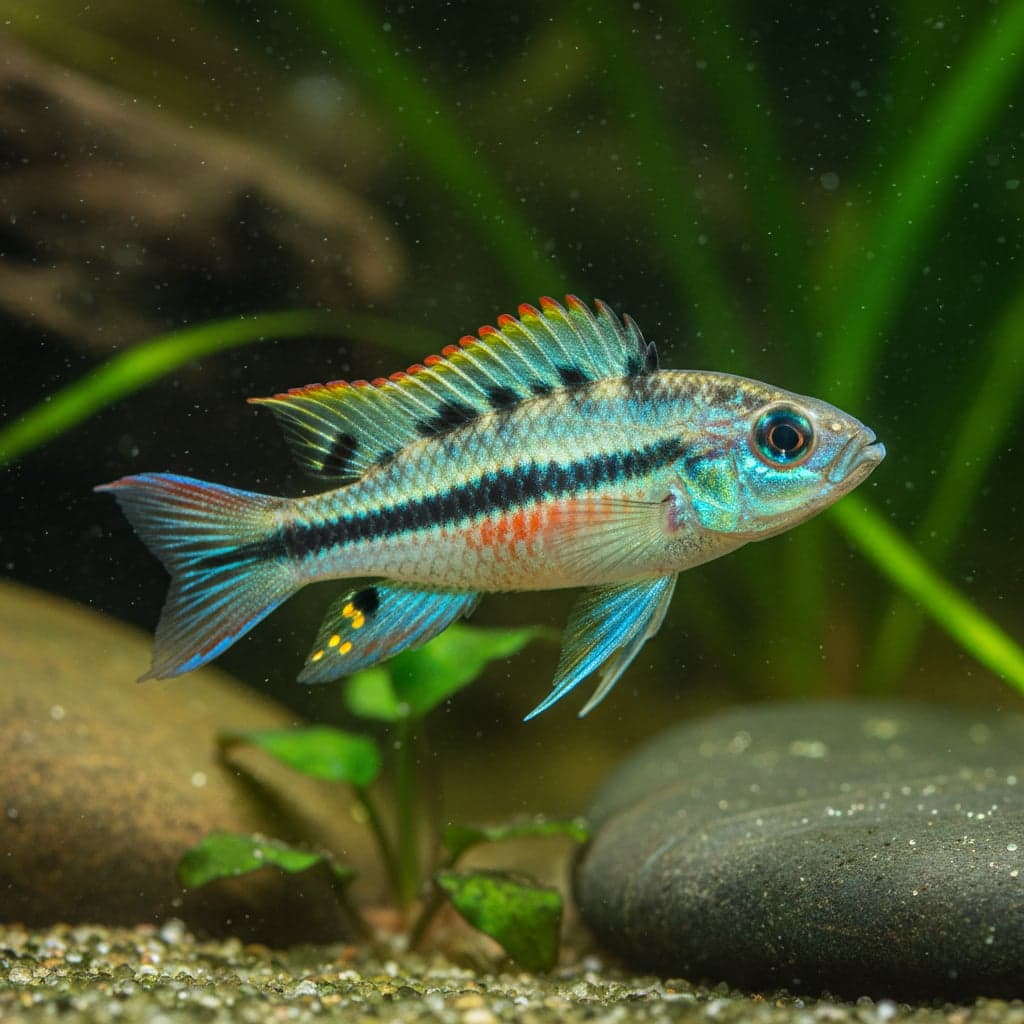
Blue Steel Dwarf Cichlid: Apistogramma sp. Steel Blue
A hybrid or color morph of Apistogramma known for its metallic steel-blue scales. Hardy and colorful.
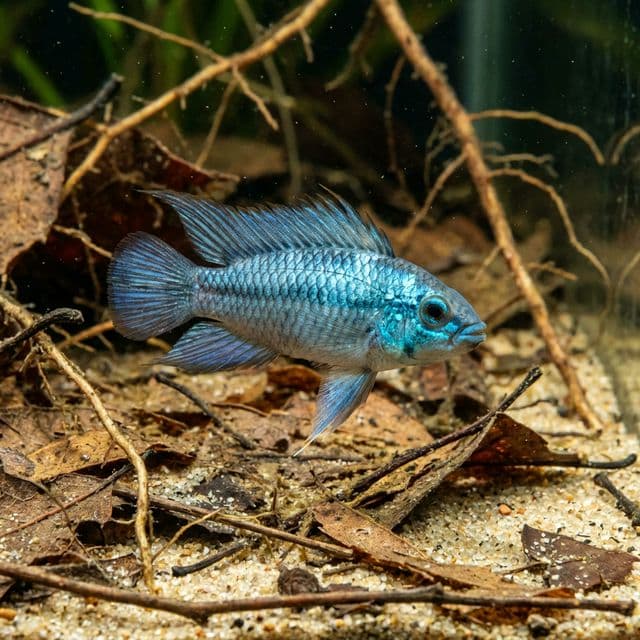
Blue Steel Dwarf Cichlid
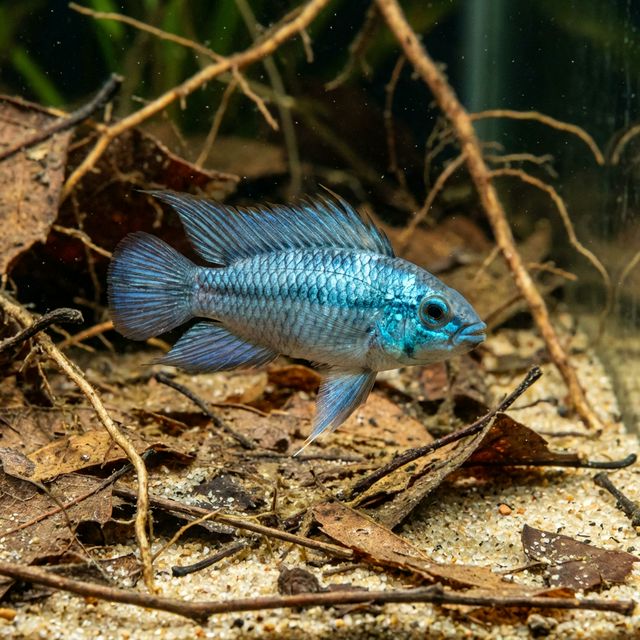
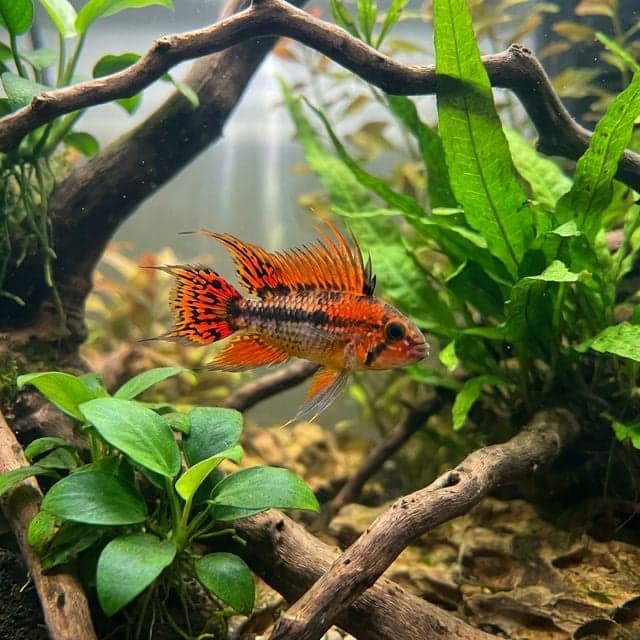
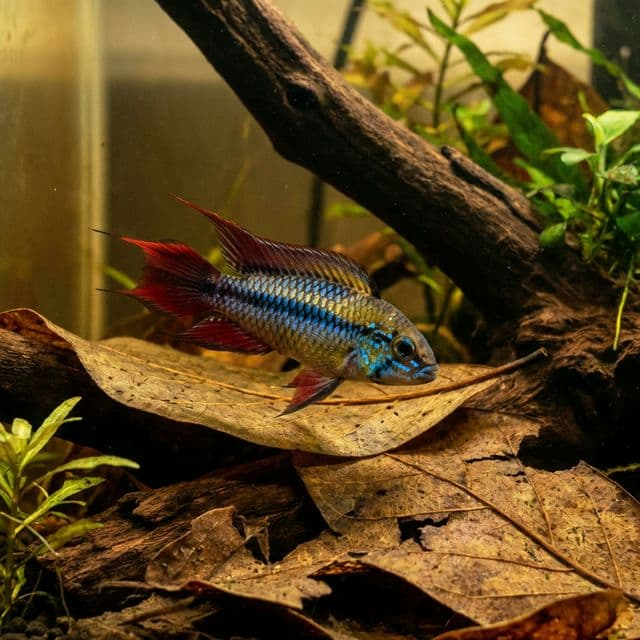
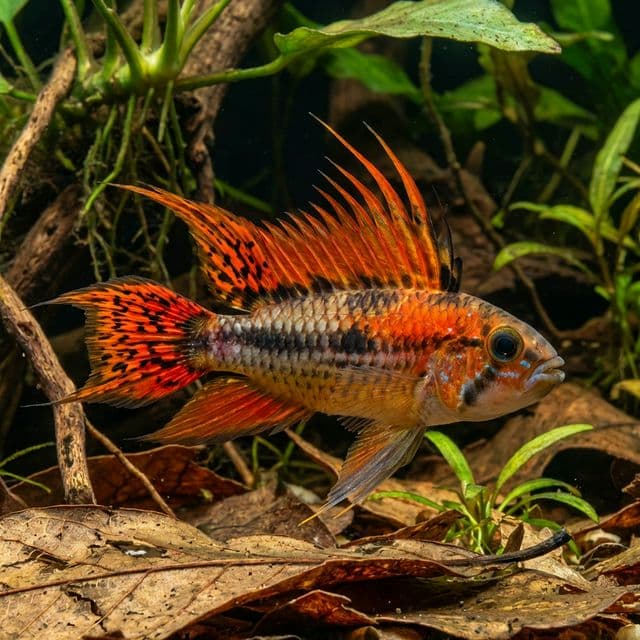
The Blue Steel Dwarf Cichlid, scientifically identified as Apistogramma sp. Steel Blue, has gained prominence among aquarium enthusiasts due to its stunning coloration and distinctive features. This small, freshwater fish exhibits a captivating union of deep blues and silvers complemented by striking patterns. Males typically showcase more vibrant hues, often characterized by elongated dorsal fins and a more robust body when compared to their female counterparts. The overall aesthetic appeal of the Blue Steel Dwarf Cichlid makes it a sought-after addition to community tanks or species-specific setups.
The significance of the Blue Steel Dwarf Cichlid in the aquarium hobby goes beyond its visual allure. These cichlids are exceptional representatives of the Apistogramma genus, demonstrating unique behavioral patterns and mating rituals. Their territorial nature may encourage interesting interactions in the aquarium, particularly during breeding times. As they adapt well to smaller tanks and are known for their engaging habits, they provide a rewarding experience for both novice and experienced aquarists looking to enhance their aquatic landscapes with stunning yet manageable species.
Natural Habitat & Origin
The Blue Steel Dwarf Cichlid originates from the waterways of South America, primarily found in the Amazon Basin. These fish inhabit slow-moving streams and rivers rich in foliage, where the water is typically stained with organic materials, leading to a blackwater environment. The water temperature in their natural habitat ranges between 24°C to 28°C (75°F to 82°F), and the pH usually falls between 6.0 to 7.0, making it crucial for aquarists to replicate this environment to ensure their health and well-being.
In their native habitat, the Blue Steel Dwarf Cichlid thrives among leaf litter, submerged roots, and dense plants, which provide shelter and breeding sites. Understanding this environmental context is essential for successfully replicating their habitat in an aquarium, allowing these cichlids to feel secure and thrive. Creating a suitable environment with both physical and water quality parameters that mimic their natural conditions is fundamental to their care and longevity in captivity.
Care Requirements
To maintain a thriving aquarium for Blue Steel Dwarf Cichlids, specific water parameters need to be met. Ideal conditions include a pH level between 6.0 and 7.0, a temperature range of 24°C to 28°C (75°F to 82°F), and a water hardness of 5 to 10 dGH. It’s essential to monitor these parameters regularly as these fish are sensitive to rapid changes.
In terms of tank setup, a minimum tank size of 30 gallons is recommended, allowing for adequate swimming space and territories. A substrate of fine sand or soft gravel mimics their natural environment, offering hiding spots. Aquascaping with dense vegetation and driftwood is also essential since it provides shelter and promotes natural behaviors. Soft lighting can be a great addition, as it resembles their blackwater habitat and encourages a stress-free environment. Ensuring the tank is heavily planted not only adds to the aesthetic appeal but also serves as essential cover for the Blue Steel Dwarf Cichlid.
Diet & Feeding
The Blue Steel Dwarf Cichlid is considered an omnivore, thriving on a varied diet that supports its health and coloration. In captivity, it is crucial to provide a balanced diet comprising high-quality pellets, flakes, live, and frozen foods. Suitable commercial foods include those rich in protein and spirulina to promote vibrant coloration and overall health.
In addition to staple foods, offering live or frozen options such as brine shrimp, daphnia, and bloodworms can significantly enhance their diet. Portion feeding should be monitored, ensuring food is consumed promptly to maintain water quality and prevent overfeeding. It's advisable to feed them small portions two to three times a day, ensuring they have a balanced and nutritious diet fit for their growth and activity level.
Behavior & Temperament
Blue Steel Dwarf Cichlids are known for their engaging social behavior and relatively peaceful temperament compared to other cichlids. They can display territorial tendencies, especially during breeding seasons, so it’s important to provide adequate space and hiding places within the tank. These fish often prefer to establish territories in lower sections of the aquarium, patrolling the substrate and using available cover.
While they are generally not a schooling species, Blue Steel Dwarf Cichlids can be kept in pairs or small groups. It is advisable to keep a male with multiple females to reduce aggression and territorial disputes. As they prefer vertical placement within the tank, incorporating taller plants and decorations will make them feel more secure and encourage natural behaviors.
Tank Mates
When considering compatible tank mates for Blue Steel Dwarf Cichlids, it's essential to choose peaceful species that occupy different levels of the aquarium. Some suitable tank mates include:
- Neon Tetras
- Corydoras Catfish
- Shrimp (e.g., Cherry Shrimp)
- Small Rasboras
- Endler’s Livebearers
Avoid aggressive or larger species that may intimidate or harm the Blue Steel Dwarf Cichlid, such as larger cichlid species, barbs, and territorial fish like some types of gouramis. Ensuring the community tank balances aggression levels is critical for the well-being of the Blue Steel Dwarf Cichlids.
Breeding
Breeding the Blue Steel Dwarf Cichlid can be an enriching aspect of aquarium maintenance. These fish are substrate spawners, laying eggs on flat surfaces or hidden locations like leaves and rocks. To encourage breeding, creating a separate breeding tank with subdued lighting and abundant hiding places can replicate their natural reproduction environment.
Optimal breeding conditions include slightly warmer water temperatures (around 28°C or 82°F) and a pH of 6.0 to 6.5. Female Blue Steel Dwarf Cichlids will typically lay between 30 to 100 eggs, which the male will fertilize. After hatching, the fry require infusoria or finely crushed flakes as their first food, before transitioning to larger foods as they grow. Care should be taken to separate the parents after breeding, as they may become protective and territorial over their young.
Common Health Issues
Like many aquarium fish, Blue Steel Dwarf Cichlids may be susceptible to certain health issues. Common ailments include ich (whitespot disease), fin rot, and stress-related complications. To prevent these issues, maintaining optimal water quality and parameters is crucial.
Monitoring the fish for any signs of distress or abnormalities is a good practice. Regular water changes and proper tank maintenance can help bolster their immune systems. Additionally, providing a varied diet rich in vitamins can enhance their overall health. Quarantining new arrivals before introducing them to the main tank also minimizes the risk of introducing diseases.