Brokenline Royal Plec: Panaque sp. L191
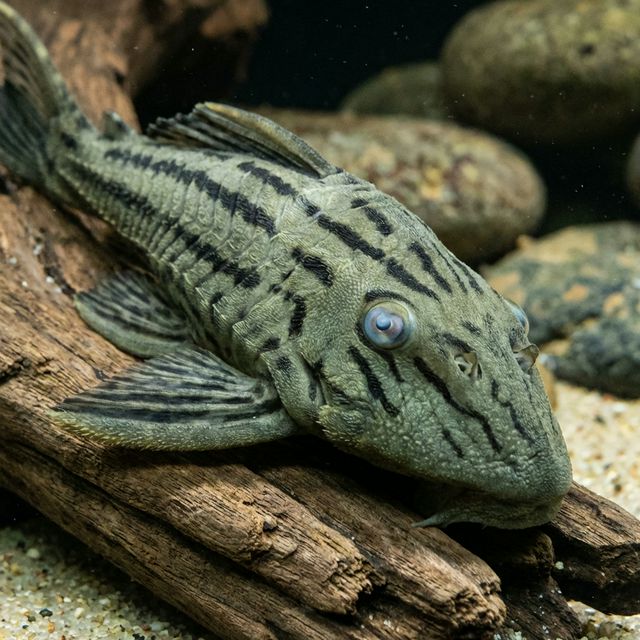
A variant of the Royal Plec with broken, irregular stripes. A large wood-eating catfish.
Brokenline Royal Plec
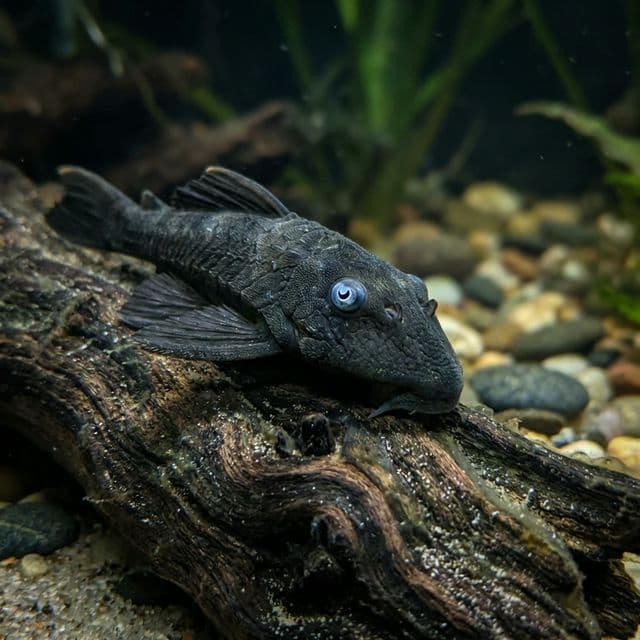
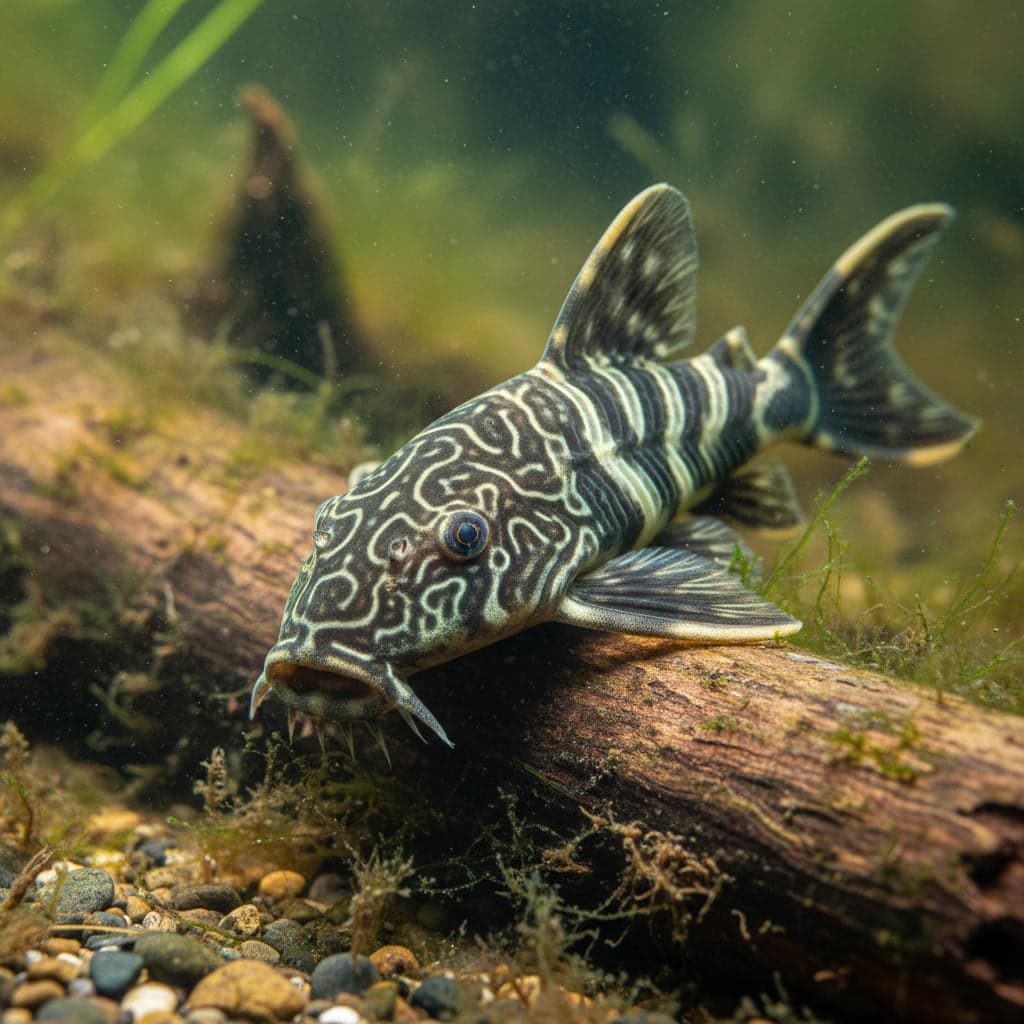
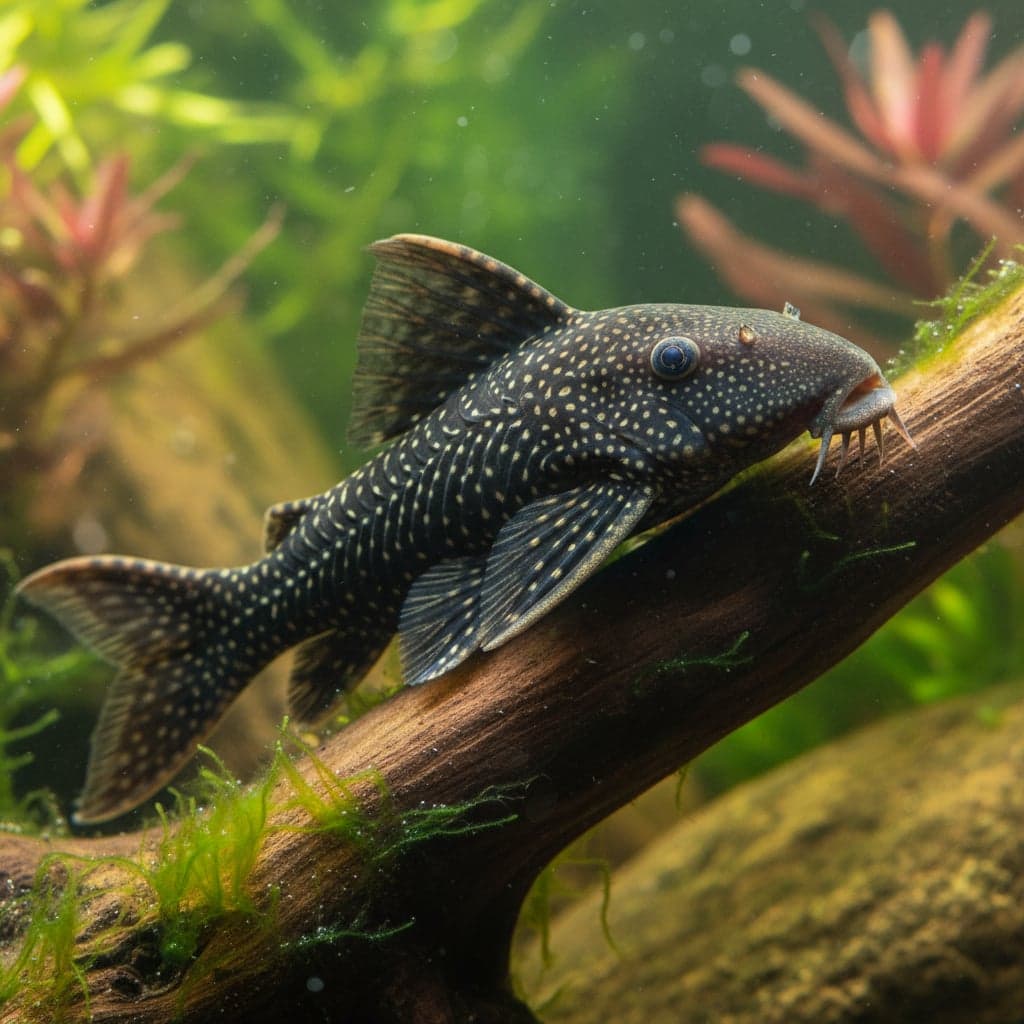
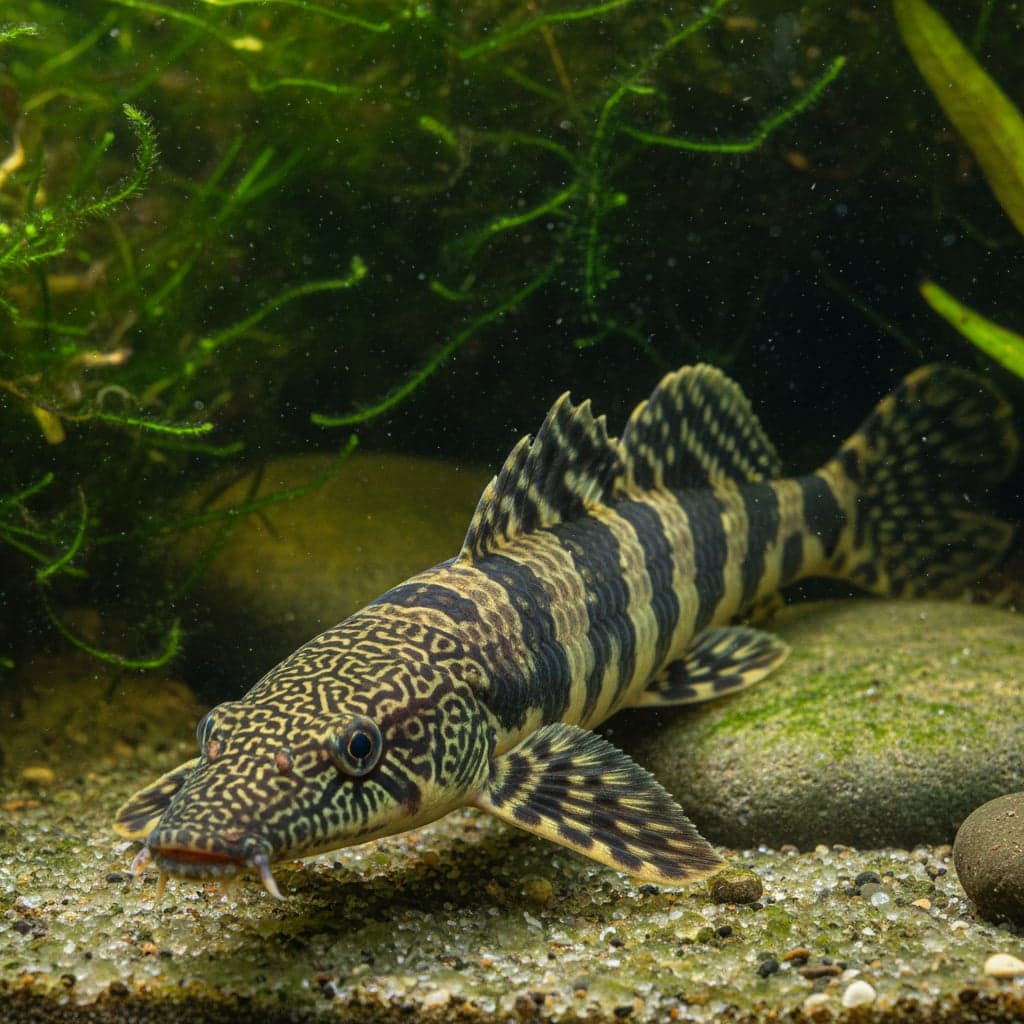
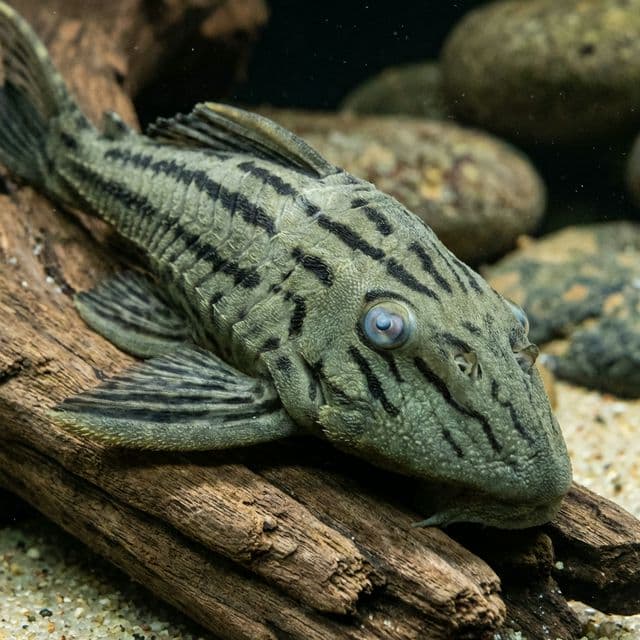
The Brokenline Royal Plec, scientifically recognized as Panaque sp. L191, is a captivating freshwater fish native to South America. Its distinct appearance, characterized by striking contrast patterns of dark chocolate-brown and creamy white or yellow markings, makes it an eye-catching addition to any aquarist's collection. The unique coloration not only enhances the aesthetic quality of an aquarium but also showcases the fish's natural adaptations to blend in with its surroundings in the wild. This species is appreciated for its engaging behavior and ecological significance; it plays a crucial role in maintaining the health of its freshwater habitat by feeding on detritus and algae, which helps to keep the ecosystem balanced.
In the aquarium hobby, the significance of the Brokenline Royal Plec extends beyond its visual appeal. As a popular choice among enthusiasts, this fish not only adds diversity to aquascapes but also provides an opportunity for hobbyists to engage in freshwater fishkeeping with a species that requires specific care and maintenance. The Brokenline Royal Plec is known for its potential to develop a social bond with its keepers, showing curiosity and personality that can make it a beloved centerpiece in community tanks. With a proper understanding of its care requirements and habitat needs, aquarists can enjoy observing this remarkable species flourish in their setups.
Natural Habitat & Origin
The Brokenline Royal Plec is indigenous to the slow-moving rivers and tributaries of the Amazon basin, primarily located in Brazil and Peru. These waters are often characterized as brownwater systems, rich in organic material and tannins, which give the water its characteristic color and low pH levels. The natural environment of the Brokenline Royal Plec is defined by its dense vegetation, submerged driftwood, and leaf litter, providing essential shelter and feeding areas. This unique habitat is teeming with microorganisms, which serve as natural food sources for the fish.
In its native habitat, the Brokenline Royal Plec thrives in soft, acidic water conditions. The typical water parameters include a pH range of 6.0 to 7.5, with temperatures ranging from 24°C to 28°C (75°F to 82°F). The combination of these water conditions promotes a healthy environment conducive to their growth and wellbeing, showcasing the importance of replicating such conditions within a home aquarium for optimal health.
Care Requirements
To ensure the well-being of the Brokenline Royal Plec, specific care requirements must be met. A minimum tank size of 75 gallons is recommended to provide ample swimming space and accommodate their territorial nature. The ideal water parameters include a pH range of 6.0 to 7.5, a temperature range of 24°C to 28°C (75°F to 82°F), and a hardness of 2 to 15 dGH. It is crucial to maintain stable water conditions, as fluctuations can lead to stress and health issues.
Regarding tank setup, providing a soft substrate, such as fine sand or smooth gravel, is essential to protect the fish's delicate barbels. Aquascaping should include plenty of hiding spots using driftwood, rocks, and live plants to create a natural environment that mimics their wild habitat. Moderate lighting is recommended, with shaded areas where the fish can retreat and feel secure. Regular water changes and a good filtration system will further support the health of the tank and its inhabitants.
Diet & Feeding
The Brokenline Royal Plec is primarily herbivorous but is considered an omnivore, requiring a varied diet to thrive. In the wild, they feed on algae, detritus, and decaying plant matter, making it essential for aquarists to replicate this natural diet in captivity. High-quality sinking pellets, vegetable-based flakes, and algae wafers should form the cornerstone of their diet. Additionally, offering blanched vegetables such as zucchini, cucumber, or spinach can enhance their nutrition and mimic grazing habits.
While the Brokenline Royal Plec can consume frozen foods like bloodworms and brine shrimp on occasion, it is crucial not to over-rely on protein-rich diets, as these can lead to health issues over time. A well-balanced and varied diet will not only keep the fish healthy but also encourage vibrant colors and overall vitality in the aquarium.
Behavior & Temperament
In terms of behavior, the Brokenline Royal Plec is generally peaceful but can exhibit territorial tendencies, particularly among males, especially during breeding or when claiming certain areas in the tank. Unlike other catfish species, they are not schooling fish and should ideally be kept either as a single specimen or in groups of 3-4, allowing for more stability in their social structure without overcrowding.
These fish are primarily bottom-dwellers, and they exhibit a preference for the lower strata of the aquarium. They can often be seen engaging in interesting activities such as grazing on surfaces or navigating around decorations and hiding spots. Given their shy nature, it is best to provide ample cover to reduce stress and allow them to exhibit more natural behaviors.
Tank Mates
When selecting compatible tank mates for the Brokenline Royal Plec, it is important to choose species that can coexist peacefully and do not compete aggressively for territory or food. Suitable companions include larger tetras, peaceful cichlids, characins, and other non-aggressive species that inhabit the middle and upper levels of the tank. Examples include the following:
- Neon Tetras (Paracheirodon innesi)
- Rubber Lip Plec (Chaetostoma spp.)
- Rasboras (Boraras spp.)
- Dwarf Cichlids (Apistogramma spp.)
However, avoid mixing the Brokenline Royal Plec with overly aggressive or territorial species, such as larger cichlids or any fish known to nip fins. Additionally, be cautious with small or delicate fish that may become targets for their feeding behavior.
Breeding
Breeding the Brokenline Royal Plec in captivity can be challenging and requires specific conditions to be met for successful spawning. Males typically exhibit more vibrant coloration and develop distinctive breeding tubercles on their bodies when ready to mate. To encourage breeding, aquarists should maintain optimal water parameters, with slightly elevated temperatures and softer water conditions.
Providing a breeding cave, made of materials like PVC or driftwood, is crucial for successful spawning. The male will prepare the cave and entice a female to enter, where she will lay her eggs. After spawning, the male assumes responsibility for guarding and fanning the eggs. With the proper environment and breeding triggers, hobbyists can experience the rewarding process of breeding Brokenline Royal Plecs, contributing to the conservation of this remarkable species.
Common Health Issues
The Brokenline Royal Plec, like all aquarium fish, can be susceptible to common health issues if not properly cared for. One of the most frequent ailments includes ich (Ichthyophthirius multifiliis), a parasitic infection that manifests as white spots on the fish's body and fins due to stress or poor water quality. Maintaining clean water and a stable environment is critical for prevention.
Other potential health concerns include fin rot, which often occurs in fish with injuries or when water conditions are suboptimal, and various bacterial infections. Regular observation for any signs of abnormal behavior or physical changes is vital for early detection. Providing a balanced diet, stable water conditions, and regular maintenance will significantly reduce the risk of health problems and promote a long, healthy life in the aquarium. Quarantine new arrivals, avoid copper-based medications that can harm sensitive plecs, and watch for white spots, frayed fins, or sudden lethargy so you can intervene early. With pristine water, ample caves, a wood-based diet, and steady parameters, Brokenline Royal Plec L191 remain striking, hardy loricariids that thrive for many years in a dedicated South American setup.