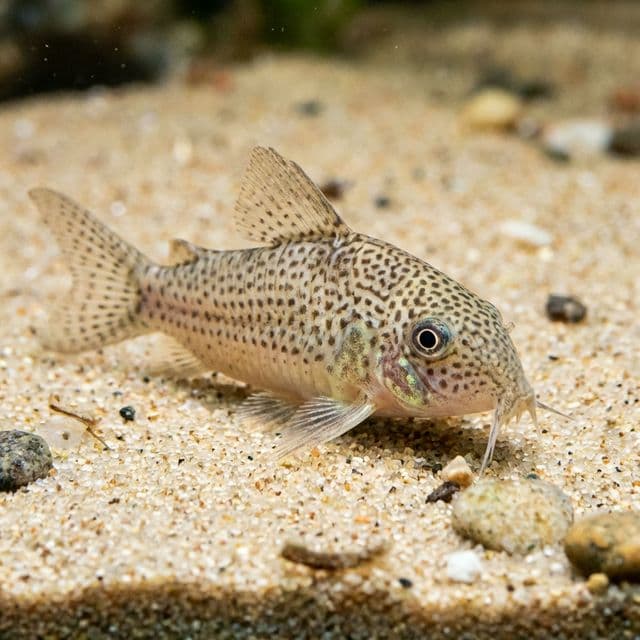
The Bronze Corydoras: Corydoras aeneus
The classic Cory Cat. A hardy, active, and endearing bottom dweller that scours the substrate for food. Perfect for almost any community tank.
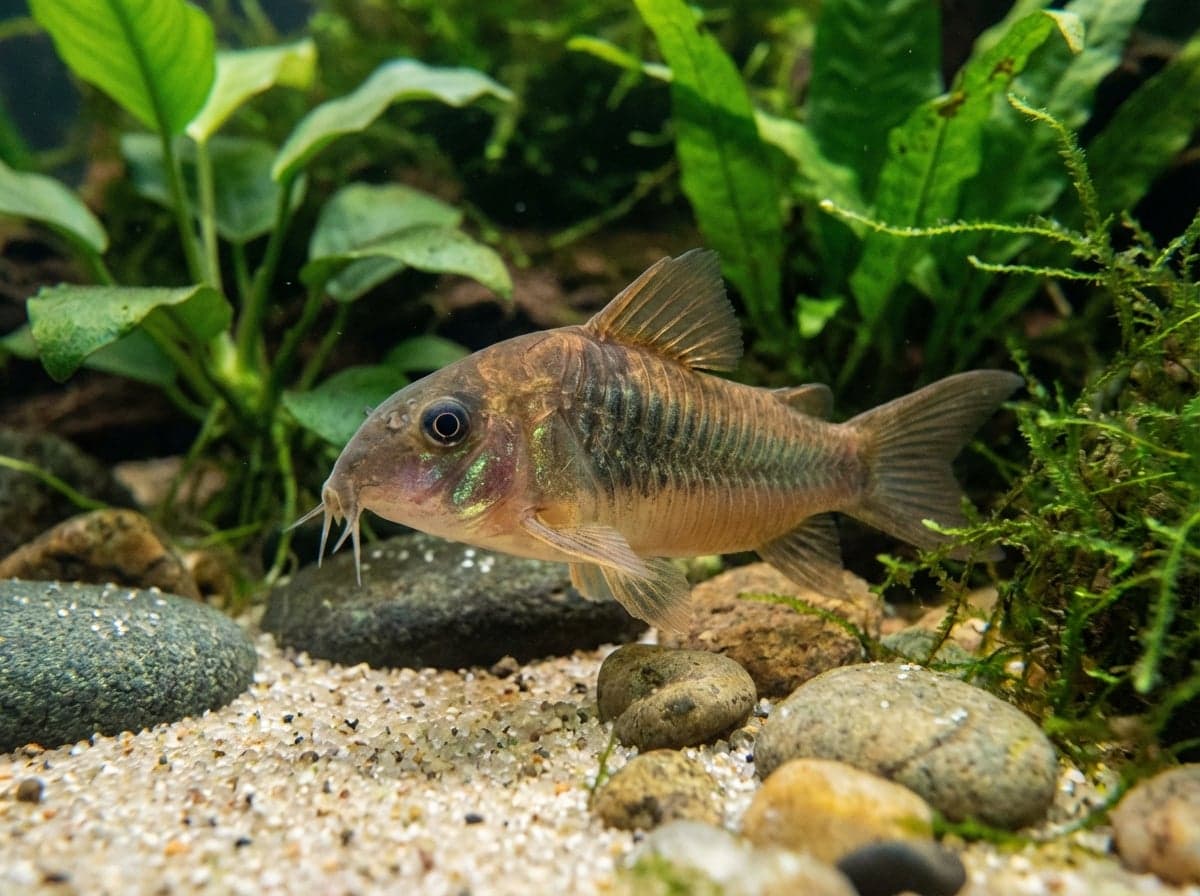
Bronze Corydoras
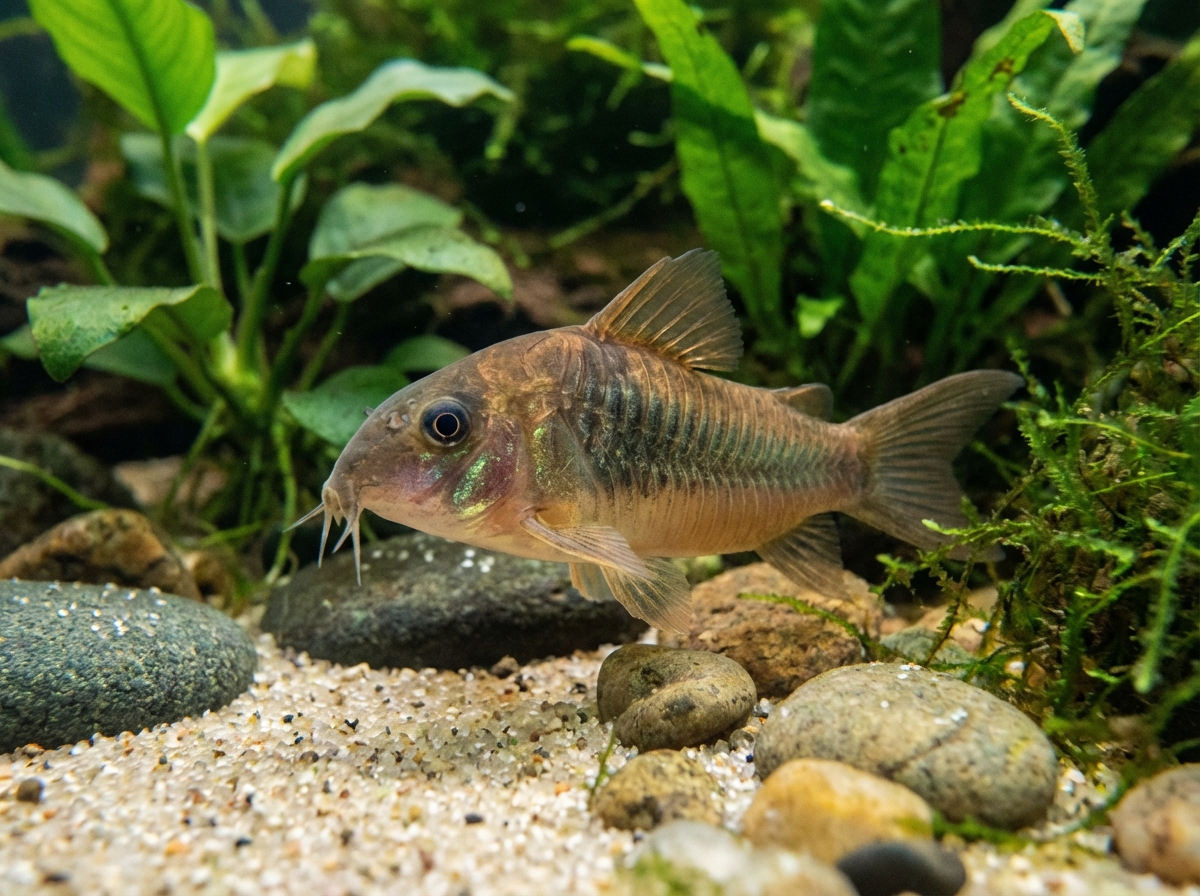
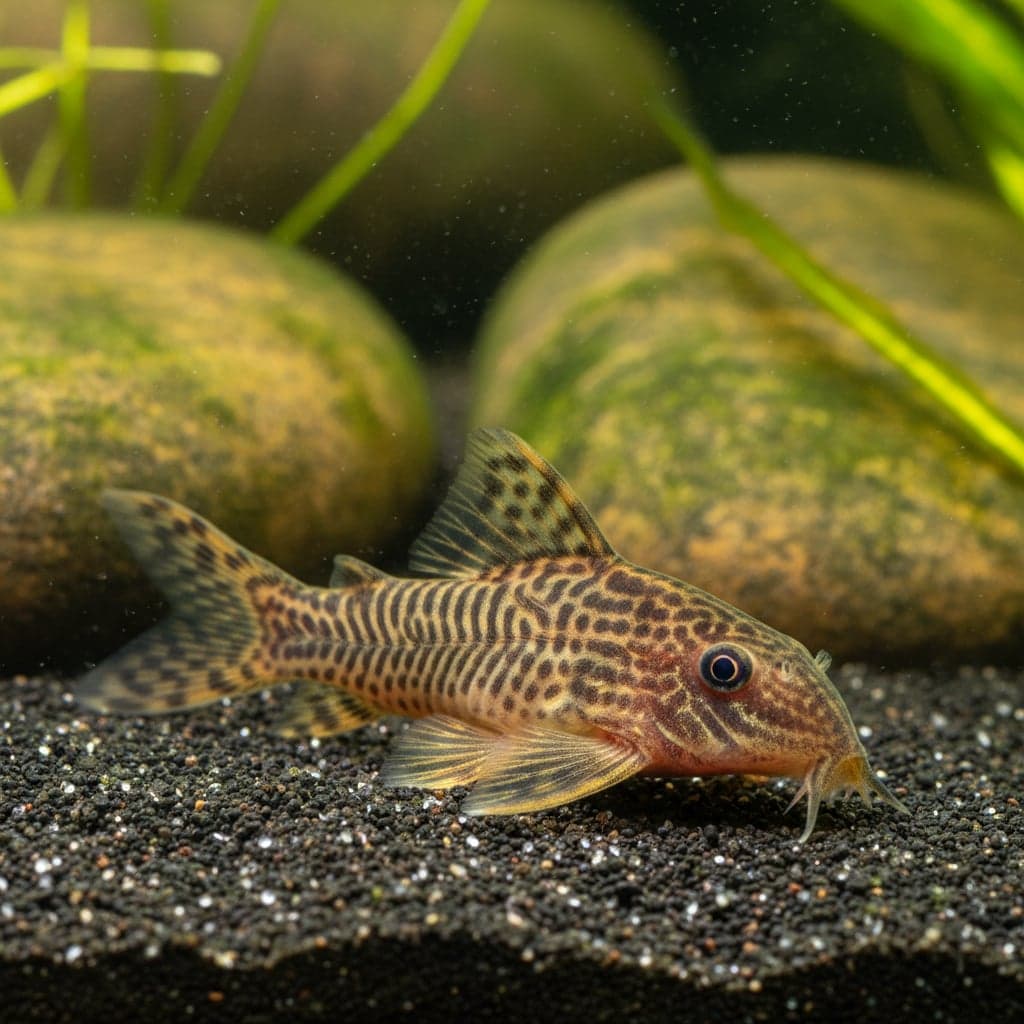
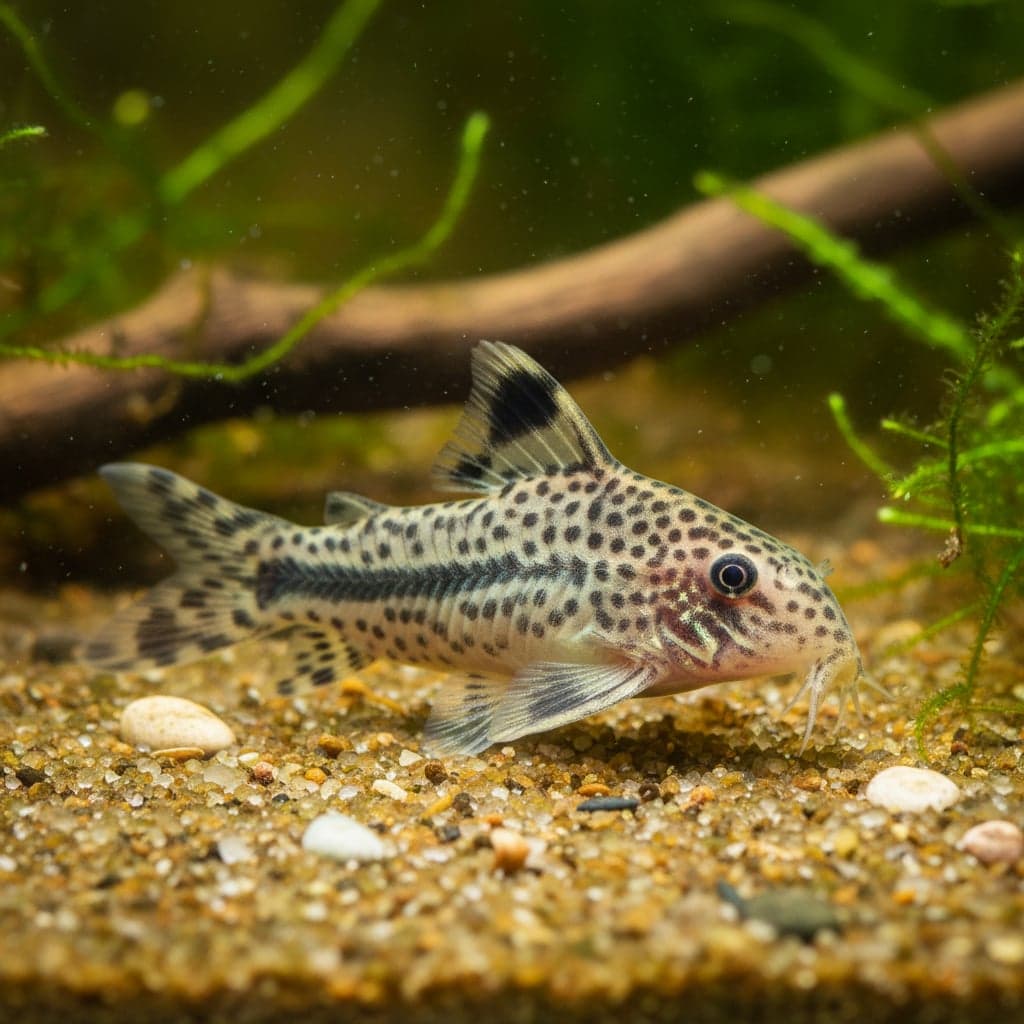
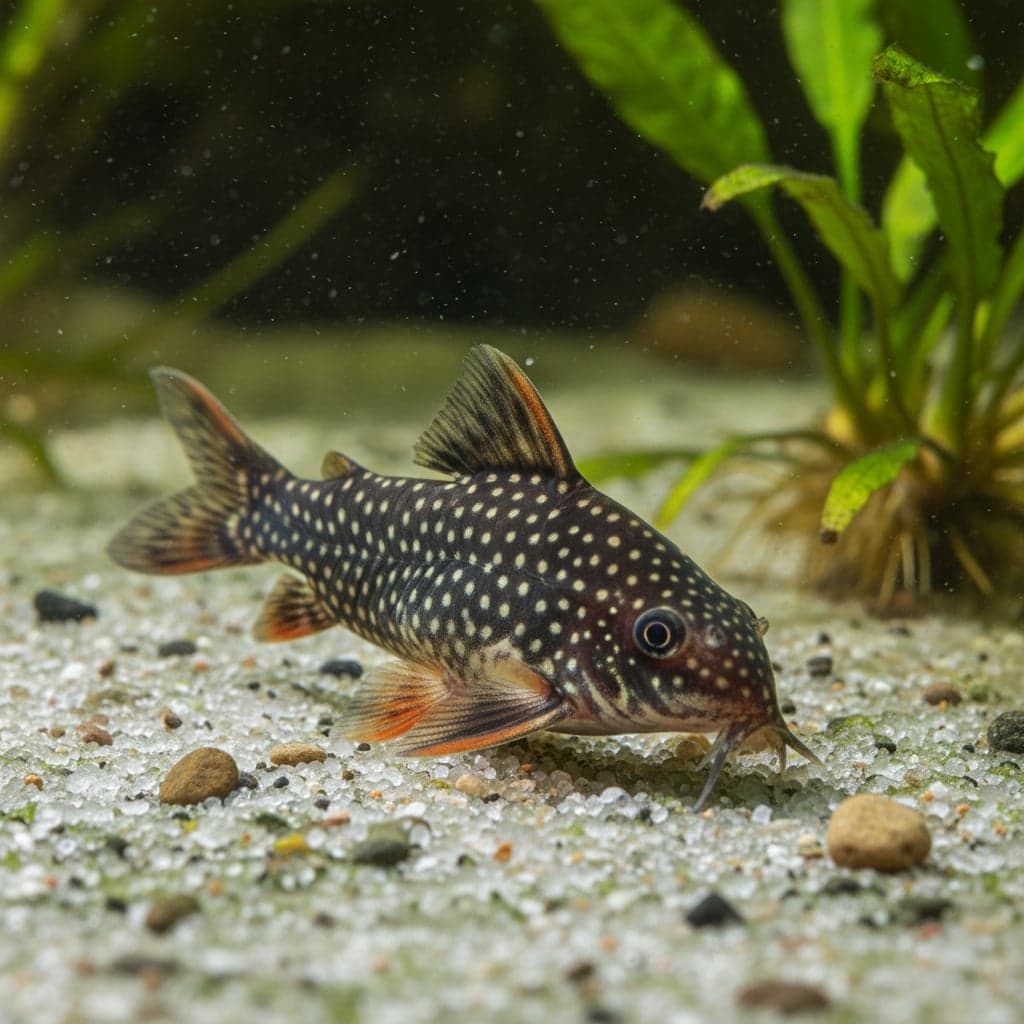
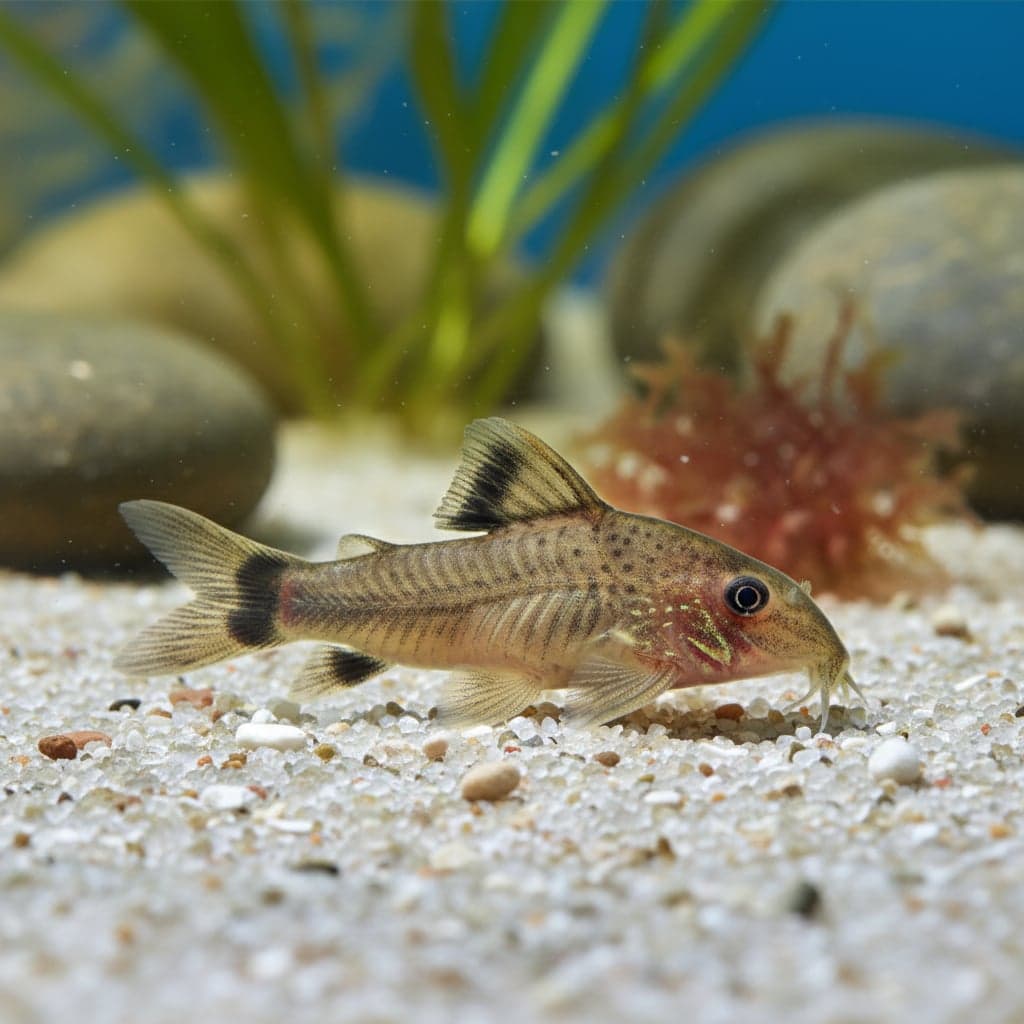
The Bronze Corydoras, scientifically known as Corydoras aeneus, is a small catfish species widely cherished in the aquarium hobby for its unique appearance and engaging behavior. Originating from the rivers and streams of South America, particularly in the Amazon basin, this fish showcases a stunning metallic bronze coloration that catches the eye. Its smooth, streamlined body is adorned with subtle markings, often ranging from olive green to brown. The Bronze Corydoras’ visual appeal is complemented by its playful nature, making it an absolute favorite for aquarists who appreciate both aesthetics and character in their tanks.
Beyond its visual allure, the Bronze Corydoras holds significant importance in the aquarium community for various reasons. As a member of the Corydoras genus, this species is often heralded for its beneficial role in maintaining a balanced aquarium ecosystem. It is a scavenger that helps in cleaning the substrate by foraging for leftover food, thus preventing waste buildup and promoting a healthier aquatic environment. Furthermore, its peaceful demeanor makes it an excellent choice for community tanks, where it can coexist harmoniously with a variety of other fish species.
Natural Habitat & Origin
The Bronze Corydoras is native to the water systems of South America, primarily found in the Amazon River basin which spans across countries like Brazil, Peru, and Colombia. In its natural habitat, this species thrives in both slow-moving waters such as streams and flooded forest areas, where the environment is typically characterized by dense vegetation and a muddy substrate. The waters are often rich in organic materials, contributing to the blackwater conditions that are prevalent in this region.
The environmental context of the Bronze Corydoras’ habitat features a mixture of clear and stained waters, which can vary significantly in pH and temperature based on seasonal changes. Typically, these waters are soft and slightly acidic, providing an ideal environment for the Bronze Corydoras to flourish. The presence of leaf litter and submerged plants not only offers shelter but also mimics the natural conditions necessary for their well-being.
Care Requirements
To successfully care for Bronze Corydoras, specific water parameters must be maintained to ensure their health and happiness. The recommended pH level is between 6.0 and 7.5, with a temperature range of 22°C to 28°C (72°F to 82°F) and a water hardness of 2-12 dGH. A well-maintained tank is crucial to mimic their natural habitat and provide a stress-free environment.
Regarding tank setup, a minimum aquarium size of 20 gallons is suitable for a small group, as these fish prefer to be in schools of at least six. The substrate should be soft, such as fine gravel or sand, as the Bronze Corydoras often dig around looking for food. Ideally, the tank should be well-planted with hiding spots created by driftwood, rocks, and live plants to replicate their natural environment. While lighting can be moderate, it should not be too bright, as subdued lighting mimics their dark habitat and allows them to feel secure.
Diet & Feeding
The Bronze Corydoras is an omnivorous species, which means it thrives on a varied diet that includes both plant and animal matter. In captivity, a high-quality diet should consist of sinking pellets or wafers specifically designed for catfish, which can be supplemented with a mix of flakes and frozen or live foods like bloodworms, brine shrimp, and daphnia. Providing a balanced diet enhances their coloration and overall health while also allowing them to exhibit their natural foraging behavior.
Feeding should occur multiple times a day with small amounts, as these fish have small mouths and prefer to graze throughout the day. It's essential to ensure any food provided reaches the bottom of the tank quickly, as the Bronze Corydoras primarily feed from the substrate. In addition to standard fish foods, incorporating blanched vegetables such as zucchini or spinach can contribute to their nutritional needs.
Behavior & Temperament
Bronze Corydoras are known for their peaceful and sociable behavior, making them an excellent addition to community aquariums. They are schooling fish that feel more secure and display more natural behaviors when kept in groups of at least six individuals. In their social dynamics, they exhibit playful interactions and often engage in gentle antics with one another.
As bottom-dwellers, Bronze Corydoras primarily occupy the lower regions of the tank and are less likely to compete for space with mid or upper-level fish. However, they can occasionally venture upwards to explore new areas, especially during feeding time. Their calm disposition reduces aggression, not just with their own species, but they are generally compatible with many other non-aggressive fish.
Tank Mates
When choosing tank mates for the Bronze Corydoras, it's important to consider species that share similar environmental needs and temperaments. Compatible fish include species such as tetras (e.g., Neon Tetras, Rummy Nose Tetras), guppies, rasboras, mollies, and peaceful cichlids like the Apistogramma. Larger community species like certain barbs and danios can also coexist with them, provided they are not overly aggressive.
On the contrary, it's advised to avoid housing the Bronze Corydoras with more aggressive fish or fin-nippers, such as bettas, certain cichlids, and larger barbs. These species can stress or harm the Bronze Corydoras, leading to health complications. Additionally, avoid keeping them with very small species that might be perceived as prey.
Breeding
Breeding Bronze Corydoras in captivity can be a rewarding challenge for aquarists. These fish exhibit interesting spawning behaviors, typically laying their eggs on flat surfaces like leaves, glass, or stones. To encourage breeding, it's important to replicate their natural conditions, which includes slightly cooler water (around 20°C to 22°C or 68°F to 72°F) and introducing a period of water changes, simulating the rainy season.
After mating, females can release anywhere from 100 to 300 eggs, which will hatch in approximately 3 to 5 days. It's crucial to remove the adult fish after spawning to avoid them eating their eggs. The fry will require very small foods like infusoria or crushed flakes until they grow larger. With patience and the right conditions, aquarists can successfully propagate this charming species.
Common Health Issues
Bronze Corydoras are relatively hardy but can be susceptible to a few common diseases, particularly if kept in less-than-ideal conditions. Some of the prevalent issues include Ich (Ichthyophthirius multifiliis), which manifests as white spots on the skin, and various bacterial infections that may arise from poor water quality. Additionally, their sensitive barbels can be prone to damage if the substrate is sharp or abrasive.
To prevent health issues, regular water changes and maintaining stable water parameters are crucial. Providing them with a clean, spacious tank, along with a varied diet, will bolster their immune systems and reduce the likelihood of infections. Monitoring their behavior and physical condition will allow for early detection of any potential health problems, ensuring a long and healthy life for the Bronze Corydoras.