Bronze Puffer: Auriglobus modestus
A sleek, golden-bronze freshwater puffer. Very aggressive despite its small size.

Bronze Puffer
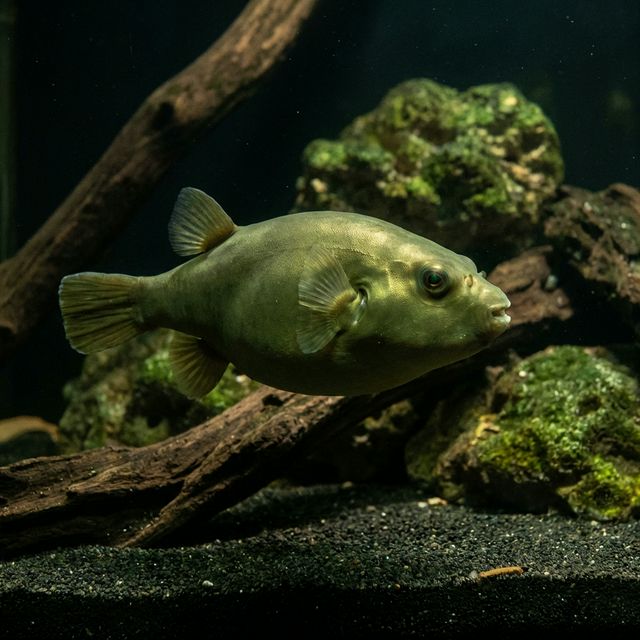
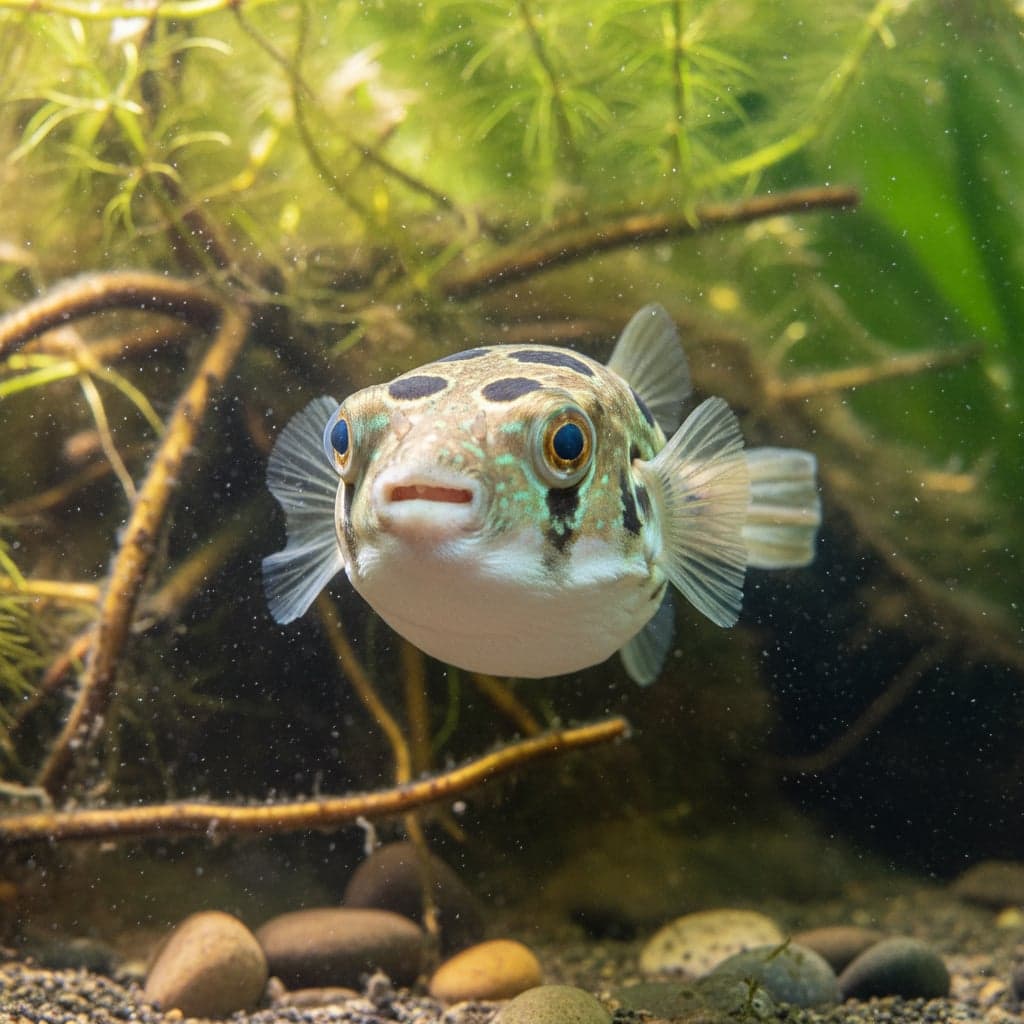
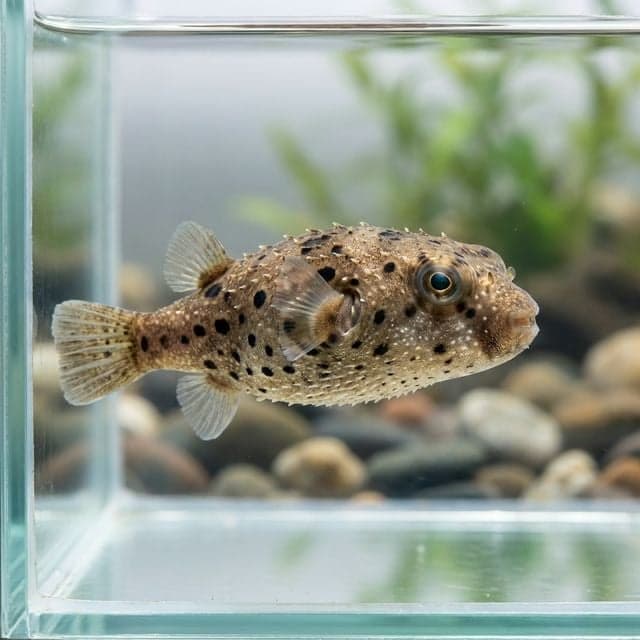
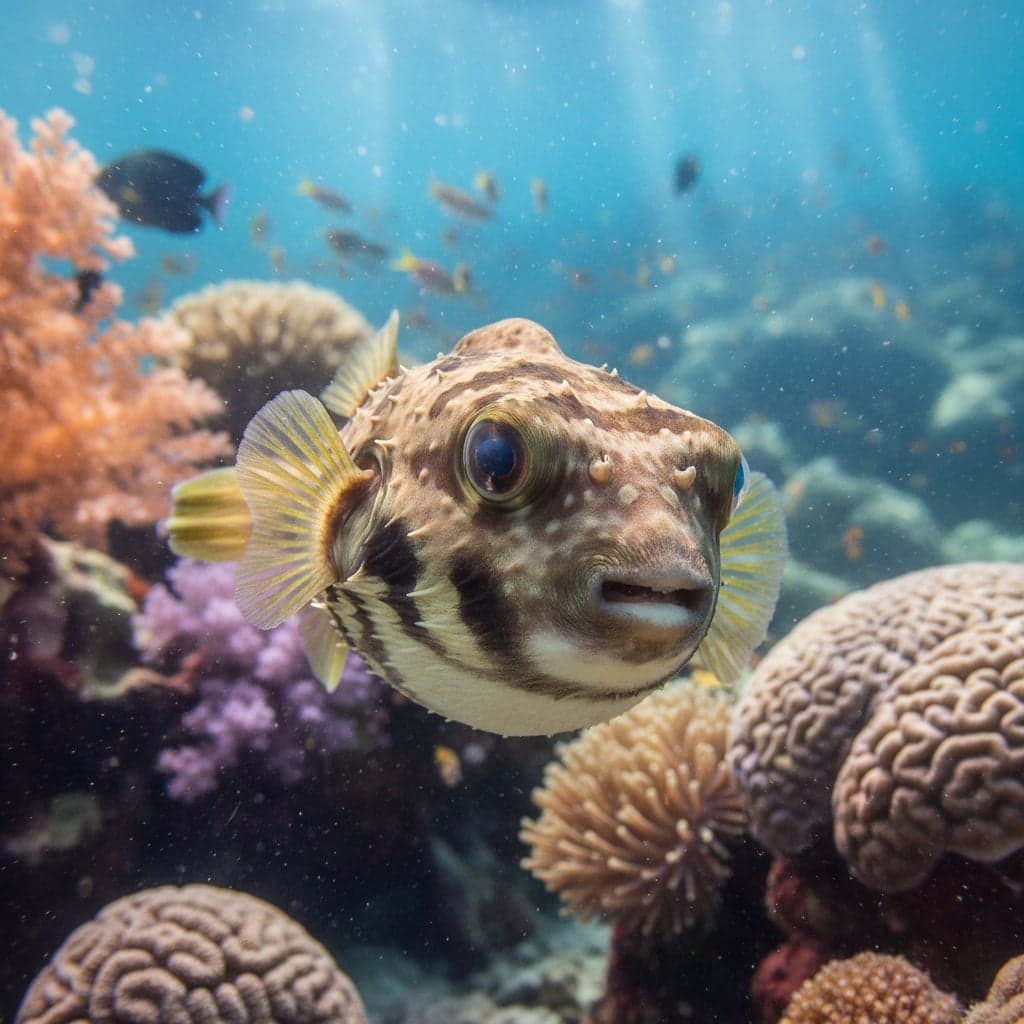
The Bronze Puffer, scientifically known as Auriglobus modestus, is a freshwater pufferfish that captures the attention of aquarists due to its unique appearance and engaging personality. This species embodies a fascinating blend of colors and patterns, characterized by its bronze-brown body adorned with darker patches that can vary from one individual to another. With its rounded shape and prominent eyes, the Bronze Puffer exhibits a charming and quirky demeanor, making it a wonderful addition to any home aquarium. These fish are not only visually appealing but also exhibit an inquisitive nature, often curious about their surroundings and the aquarist tending to them.
In the aquarium hobby, the Bronze Puffer holds significant value not only for its aesthetic qualities but also for its engaging behavior. Known for their intelligence, these fish often display playful antics such as interacting with tank decorations and occasionally changing their body shape when threatened, puffing up to deter predation. Their unique traits bring excitement to aquarists who are keen on observing behavioral dynamics in their tanks. Additionally, they serve as a reminder of the ecological importance of maintaining diverse aquatic species and habitats.
Natural Habitat & Origin
The Bronze Puffer is native to the slow-moving waters of Southeast Asia, particularly within the river basins of countries such as Thailand, Laos, and Cambodia. These fish predominantly inhabit blackwater environments, where the water is stained dark brown due to the presence of tannins from decaying plant matter. Such habitats are typically found in heavily vegetated areas with an abundance of leaf litter and submerged branches, providing shelter and foraging opportunities. Understanding their natural habitat is essential for recreating an environment in the aquarium that meets their needs.
In their natural settings, the Bronze Puffer thrives in warm, acidic waters with low mineral content. The specific parameters of their habitat not only influence their physical growth but also their behavior and overall health. Aquarists aiming to keep Bronze Puffers should strive to mimic these conditions as closely as possible, emphasizing the importance of preserving water quality and stability.
Care Requirements
To ensure the well-being of Bronze Puffers, attention must be paid to their water parameters. These fish prefer a pH level ranging from 6.0 to 7.5, with a temperature range of 75°F to 82°F (24°C to 28°C) being optimal. The hardness should be kept low, ideally between 2 to 12 dGH, as they come from environments with very soft water. A well-established aquarium with stable conditions is critical for their health and longevity.
As for tank setup, a minimum tank size of 30 gallons is recommended for a single Bronze Puffer, as they require ample swimming space and territories to explore. The substrate should include fine sand or smooth gravel to prevent injury to their delicate bodies while foraging. Plant life, particularly soft-leaved plants such as Java fern or Anubias, can be beneficial, as it provides hiding spots and promotes a more natural environment. Lighting should be moderate, as overly bright lighting can stress these fish. Furthermore, adding driftwood and calamophytes can help recreate their natural habitat and enhance the overall aesthetics of the tank.
Diet & Feeding
Bronze Puffers are omnivorous but lean more towards a carnivorous diet, feeding primarily on meaty foods in the wild. Their diet should be diverse and include high-quality sinking pellets, frozen foods like bloodworms and brine shrimp, and occasional live foods such as snails or earthworms. It's important to provide a varied diet to ensure nutritional balance and to promote healthy growth. Flakes are less recommended, as they do not meet their dietary needs as adequately.
Because of their naturally strong beak-like teeth, Bronze Puffers require certain foods to help wear down their teeth naturally. Including hard-shelled foods, like snails, can be beneficial for maintaining dental health. Care should also be taken not to overfeed; offering meals 2-3 times a week can help prevent obesity and related health issues.
Behavior & Temperament
Bronze Puffers are known for their curious and playful demeanor, often engaging in exploration and interaction with their environment. While they can show some territorial tendencies, especially when their space is compromised, they are generally peaceful towards other fish of similar size. It is advised that they not be housed with small or overly timid species, as their inquisitive nature can lead them to harass or bully weaker tank mates.
In terms of schooling, Bronze Puffers are typically solitary but may benefit from the presence of other similarly-sized fish. However, it's important to monitor their interactions to prevent any undue aggression. These fish tend to occupy the mid to lower levels of the aquarium, frequently swimming in the water column and foraging along the substrate.
Tank Mates
Choosing the appropriate tank mates for Bronze Puffers is crucial to maintaining a harmonious aquarium environment. Compatible species include medium-sized fish that can hold their own, such as larger tetras, rasboras, and certain barbs. Catfish like Corydoras can also coexist peacefully, given the right conditions. However, it is essential to avoid small fish or those that are overly shy, as they may become targets for the more aggressive tendencies of the Bronze Puffer.
Additionally, care should be taken to avoid housing them with other puffers, as this can lead to territorial disputes. Similarly, slow-moving fish with long fins, like bettas or some angelfish varieties, should also be avoided, as these may provoke stress or aggression from the Bronze Puffer.
Breeding
Breeding Bronze Puffers in captivity is quite rare, and it often requires specific conditions to encourage spawning behaviors. These fish typically exhibit no parental care, meaning the process begins with the female laying eggs in a carefully selected site, often among plants or on flat surfaces. To induce breeding, conditions should mirror their natural habitat, including warm and slightly acidic water parameters.
Creating a breeding tank that is sparsely furnished can provide the necessary privacy for the breeding pair. A breeding pair will usually exhibit courtship behaviors by chasing and displaying before a spawning event. The eggs are adhesive and may require the same soft water conditions for successful hatching, which typically occurs after a few days. Post-hatching care is crucial, as fry will require powdered food or infusoria until they grow large enough to accept more substantial feed.
Common Health Issues
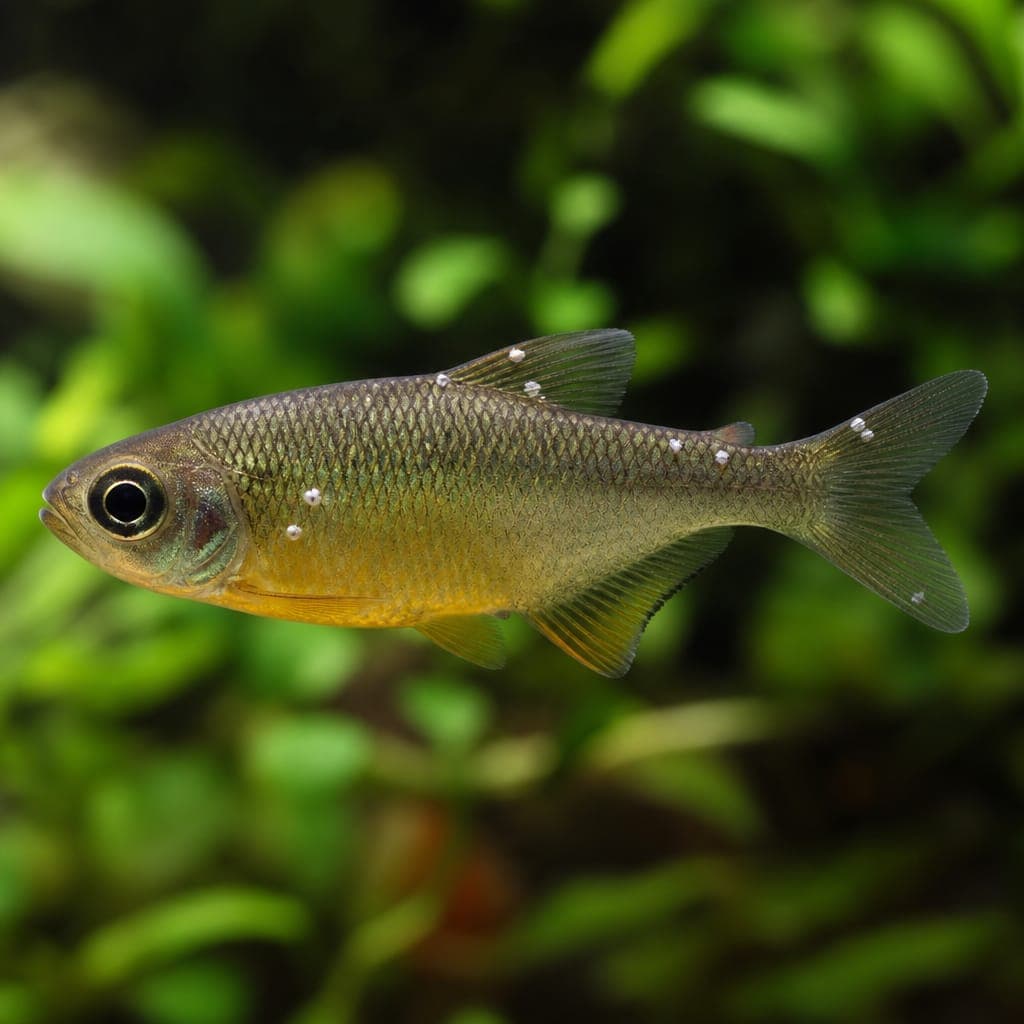
Bronze Puffers are generally resilient fish but may be prone to specific health issues if not cared for properly. Common ailments include ich (Ichthyophthirius multifiliis), which is characterized by white spots on the body, and fin rot, usually caused by poor water quality or stress.
To prevent health problems, maintaining optimal water parameters and regular water changes is essential. Additionally, quarantining new arrivals before introducing them into the main tank can prevent the spread of diseases. Keeping a close eye on any changes in behavior or appearance will allow for prompt intervention if health issues arise, ensuring that these charming fish remain healthy and vibrant in the home aquarium.