Bucktoothed Characin: Exodon paradoxus
A beautiful but nasty schooling fish. Known for stripping scales off other fish.
Bucktoothed Characin
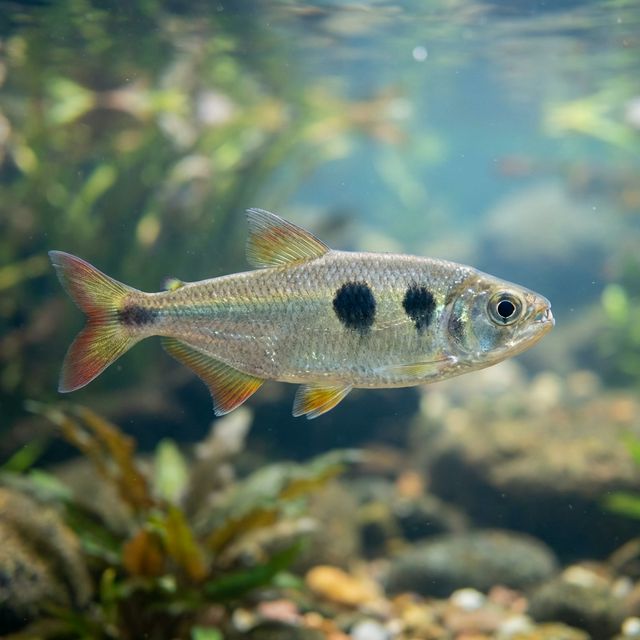
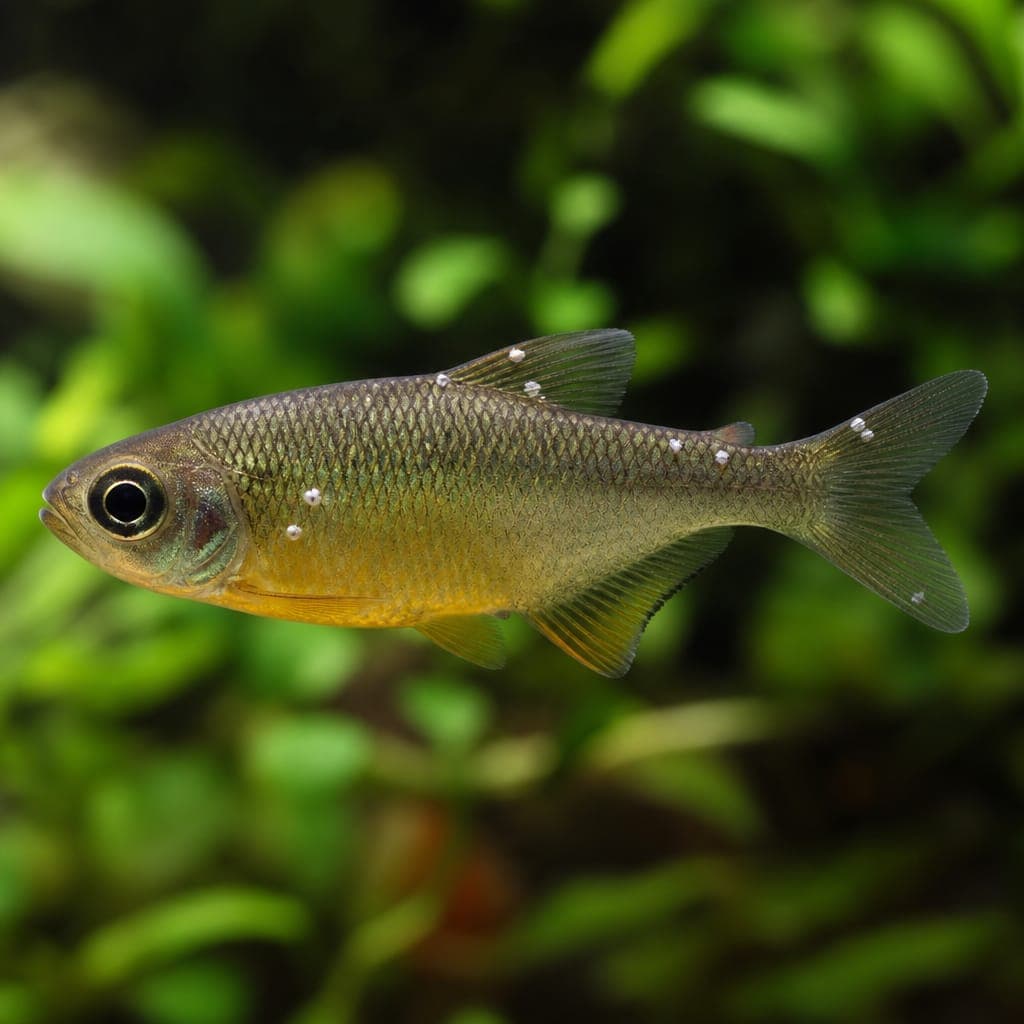
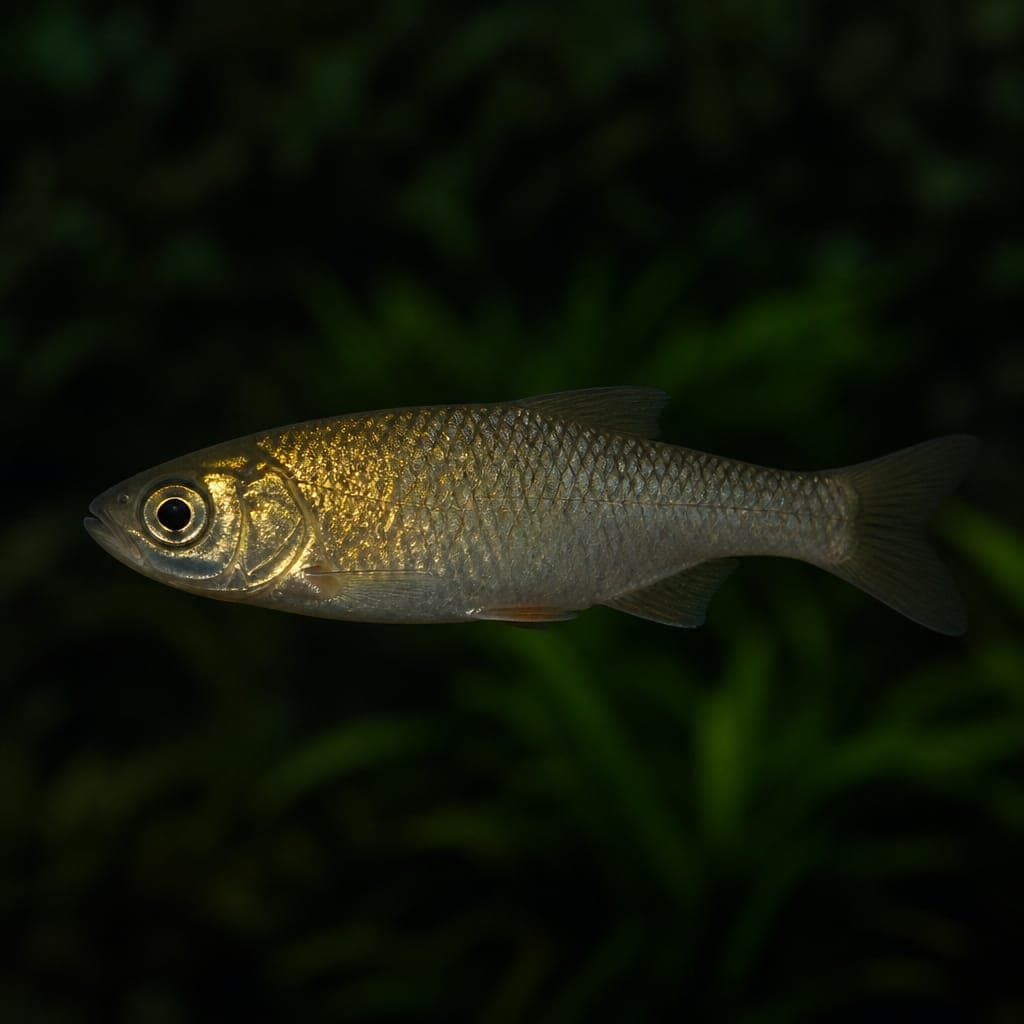
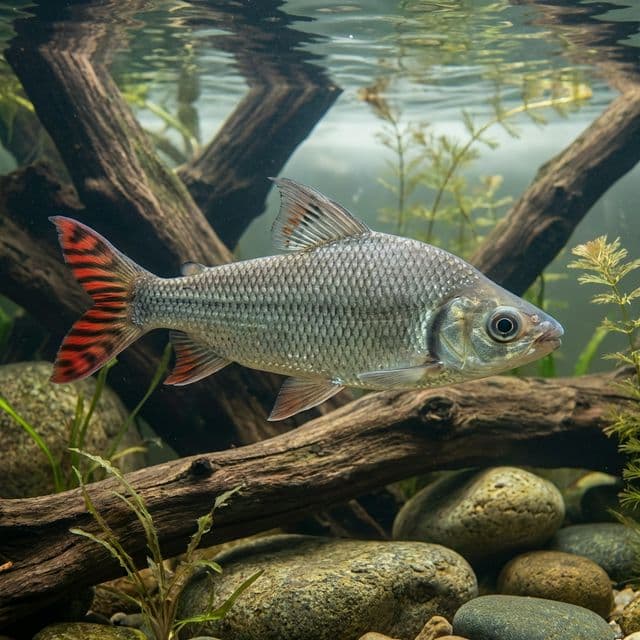
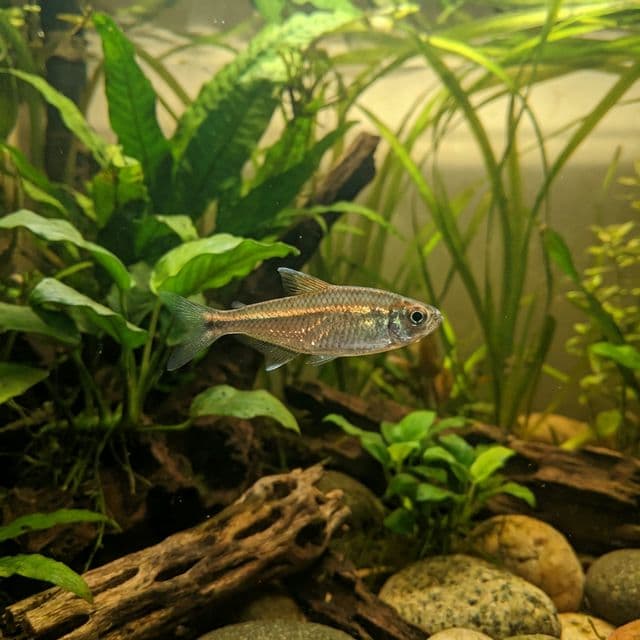
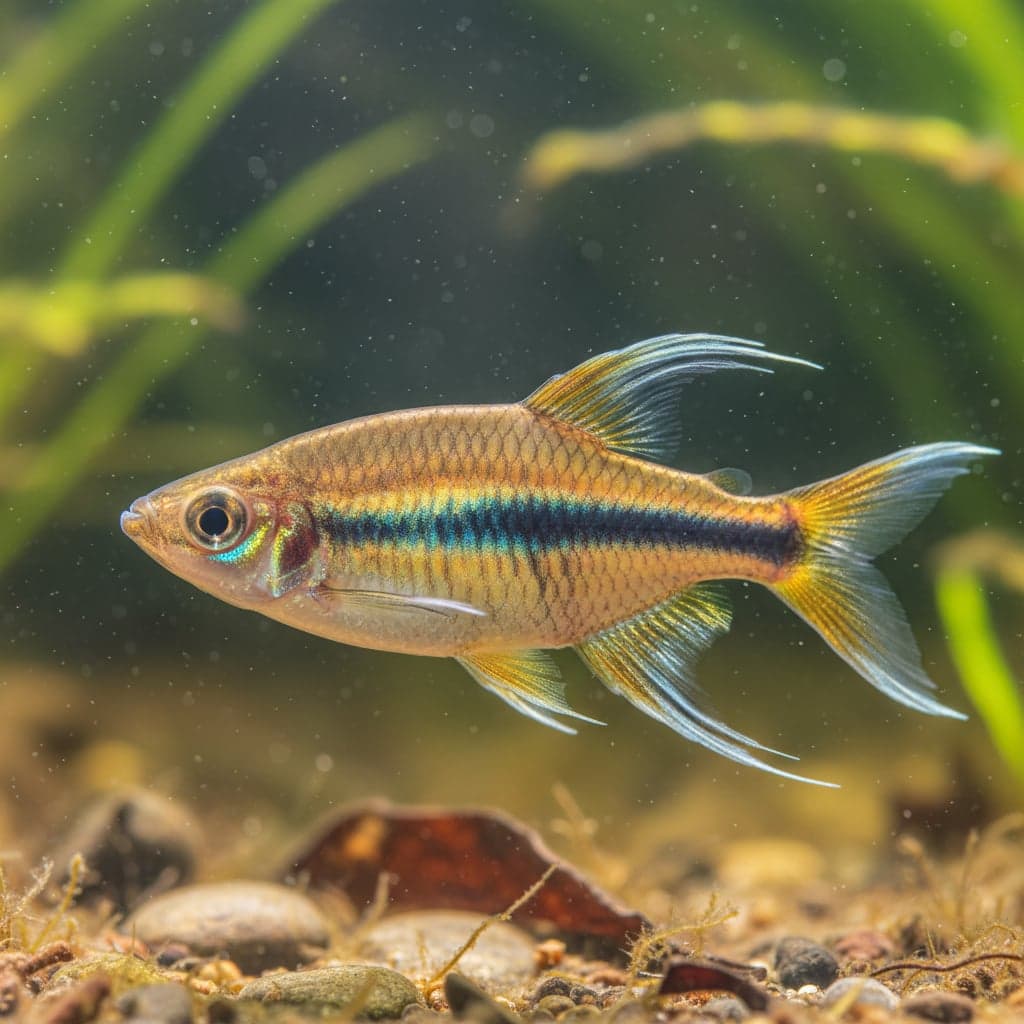
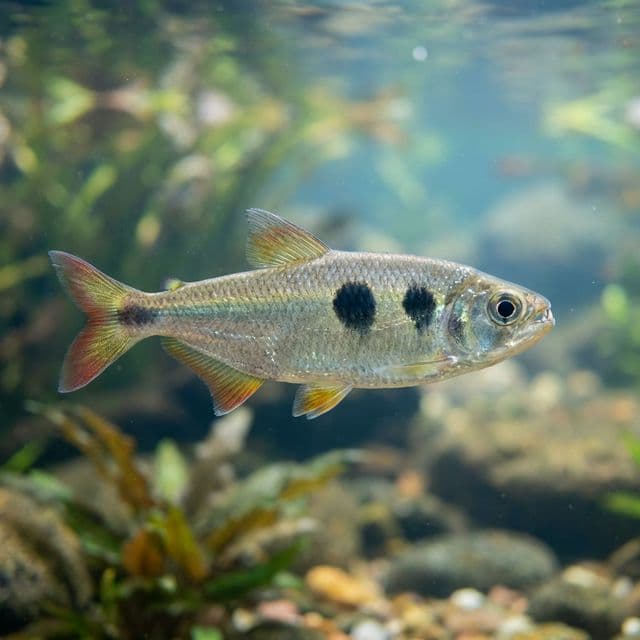
The Bucktoothed Characin, scientifically known as Exodon paradoxus, is a remarkable freshwater fish native to the rivers and tributaries of South America. This captivating fish is renowned for its unique dental structure, featuring elongated, pronounced teeth that resemble a bucktooth, which serve practical purposes as both a foraging tool and a defensive mechanism. Its streamlined body is adorned in hues of silver and translucent blue, making it an eye-catching addition to any aquarium. The vibrant coloring and distinctive teeth not only enhance its visual appeal but also contribute to its popularity among aquarists who appreciate a species that stands out while showcasing an interesting adaptation.
In the aquarium hobby, the Bucktoothed Characin is highly sought after due to its distinctive characteristics and lively demeanor. This species exhibits active swimming behavior, making it an engaging fish to observe. It thrives in schools, which can provide an extraordinary spectacle as they dart around the tank. Their energetic nature and unique feeding habits also make them fascinating subjects for observation and care. Ultimately, the Bucktoothed Characin is a significant choice for aquarium enthusiasts seeking a visually striking and dynamic species, adding both beauty and liveliness to home aquariums.
Natural Habitat & Origin
The Bucktoothed Characin is endemic to the freshwater river systems of the Amazon Basin, primarily found in regions of Brazil and Peru. In their natural environment, these fish inhabit slow-moving streams, rivers, and smaller tributaries characterized by warm, soft, and acidic waters. These areas typically exhibit a darkwater substrate due to the presence of leaf litter and decaying organic material, contributing to the water's low pH levels and tannin-rich coloration. The Bucktoothed Characin thrives in these conditions, which mimic their natural habitat and are critical for their overall health and well-being.
The complex ecosystem of the Amazon Basin, where the Bucktoothed Characin is found, includes an array of submerged structures such as logs, vegetation, and rocks. These elements provide cover and hunting grounds for the fish, allowing them to thrive in their habitat. Understanding the ecological context of their origin is essential when replicating their ideal aquarium conditions, as it helps aquarists create a more authentic environment that promotes natural behavior and longevity in captivity.
Care Requirements
When keeping Bucktoothed Characins, optimal water parameters are crucial for their health. They flourish in water with a pH between 6.0 and 7.5, a temperature range of 75°F to 82°F (24°C to 28°C), and a hardness level of 2 to 15 dGH. These fish prefer slightly acidic conditions similar to their natural habitats. For tank setup, a minimum aquarium size of 30 gallons is recommended to accommodate their active nature and schooling behavior.
Substrate choices can include fine dark sand or smooth gravel, which not only enhances the aesthetic appeal but also mimics their natural environment. Additional elements, such as dense planting with floating plants and driftwood, can provide cover and create a sense of security. Moderate lighting that encourages plant growth but simulates dappled sunlight is ideal. It's advisable to include open swimming spaces where the fish can display their lively behavior, ensuring a harmonious and visually appealing balance in the aquarium setup.
Diet & Feeding
In terms of feeding, the Bucktoothed Characin is primarily an omnivore, although their dentition suggests an inclination towards carnivorous feeding habits. In the aquarium, they can be offered a varied diet that encompasses high-quality flake food, small pellets, and frozen or live foods such as brine shrimp and bloodworms. This diversity ensures they receive adequate nutrition, promoting healthy growth and a vibrant appearance. Feeding them a balanced diet that includes both plant-based and protein-rich options will help maintain their health and activity levels.
It’s important to feed the Bucktoothed Characin two to three small meals each day rather than one large feeding session, as overfeeding can lead to water quality issues. Regular dietary rotation, including treats such as freeze-dried food or vegetable matter like blanched spinach, can improve their diet and prevent boredom. Monitoring their eating habits will also help in preventing health-related issues that may arise from improper feeding practices.
Behavior & Temperament
The Bucktoothed Characin is known for its sociability and energetic nature, making it an entertaining aquarium inhabitant. These fish are highly social and prefer to be kept in groups of five or more to thrive; however, they may display some territorial tendencies, especially as they establish their hierarchies within a school. They exhibit schooling behavior, often swimming in tight formations and using their space efficiently while exploring their tank.
In terms of aggression, the Bucktoothed Characin is generally peaceful but can occasionally display nippy behavior towards slower-moving tank mates, particularly during feeding times. Their behavior is primarily oriented towards the middle to upper levels of the aquarium, where they enjoy swimming and foraging. Providing ample space, hiding spots, and sufficient tank mates can ensure a balanced community and help mitigate any potential stress or aggression.
Tank Mates
When selecting tank mates for Bucktoothed Characins, it is crucial to choose species that can match their active lifestyle and social nature. Suitable companions include other small to medium-sized fish such as Tetras, Rasboras, or Gouramis, which can tolerate similar water conditions and share the same levels of activity. Additionally, bottom-dwelling fish like Corydoras or small Plecostomus species can be ideal partners, as they occupy different levels of the tank and minimize competition.
Conversely, it is important to avoid larger or aggressive fish that may pose a threat to the Bucktoothed Characin or outcompete them for food. Species like Cichlids or large Tetras can be unsuitable due to potential aggressiveness or size disparities, which may lead to stress or injury. A well-planned community tank with compatible species will enhance the overall aquarium experience while allowing the Bucktoothed Characin to flourish.
Breeding
Breeding the Bucktoothed Characin in captivity can be a rewarding yet challenging endeavor. They are known to be egg scatterers, and setting up a dedicated breeding tank with soft, acidic water can significantly increase the chances of successful spawning. Using a substrate of fine mesh or marbles can provide a safe space for eggs to fall without being consumed by adult fish. A breeding group of one male to two or three females is often effective to encourage spawning behavior.
To initiate breeding, it is advisable to condition the breeding pair with a varied diet rich in protein. Once ready to spawn, the female will scatter her eggs over the substrate while the male fertilizes them. Post-spawn, it is crucial to remove the adult fish to prevent them from eating the eggs, which hatch within 24 to 36 hours. Fry should be fed infusoria or finely crushed flakes until they grow large enough for more substantial food sources.
Common Health Issues
The Bucktoothed Characin can be prone to specific health issues that aquarium enthusiasts should watch for. Common ailments include ich, fin rot, and velvet disease, which can arise from poor water quality, stress, or diet deficiencies. Maintaining stable water parameters and performing regular water changes will help prevent these diseases.
Preventive measures such as maintaining a clean tank environment, quarantining new arrivals, and watching behaviour closely help keep them healthy. Avoid overcrowding and sudden parameter swings that weaken immunity. Treat ich, fin rot, or velvet early in a hospital tank while improving filtration and diet variety. Watch for white spots, frayed fins, or refusal to feed, and intervene promptly. With stable water and calm companions, Bucktoothed Characins stay active, hardy community fish for many years.