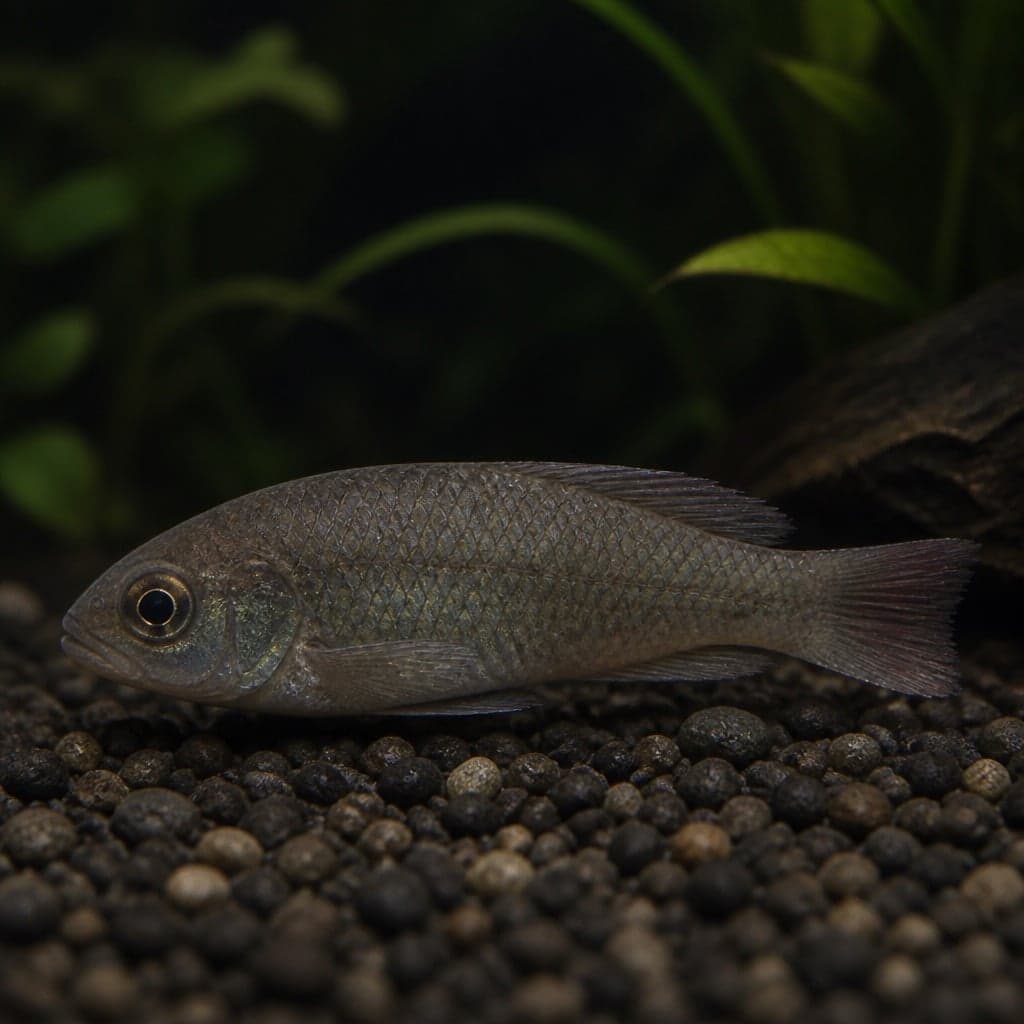
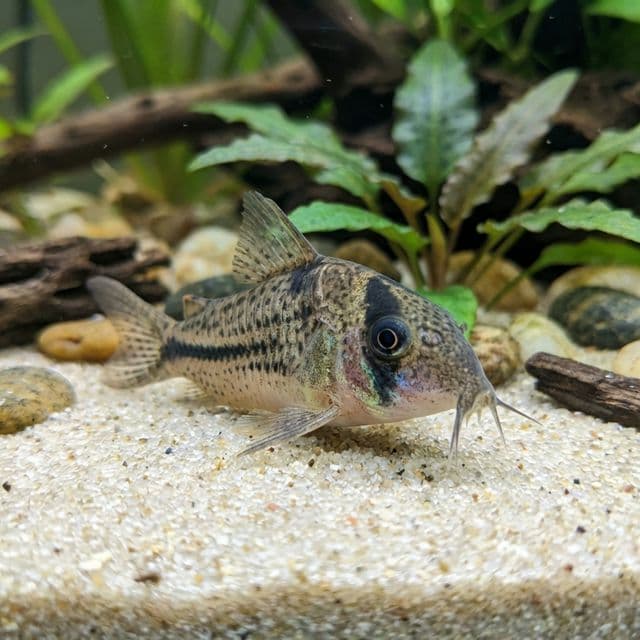
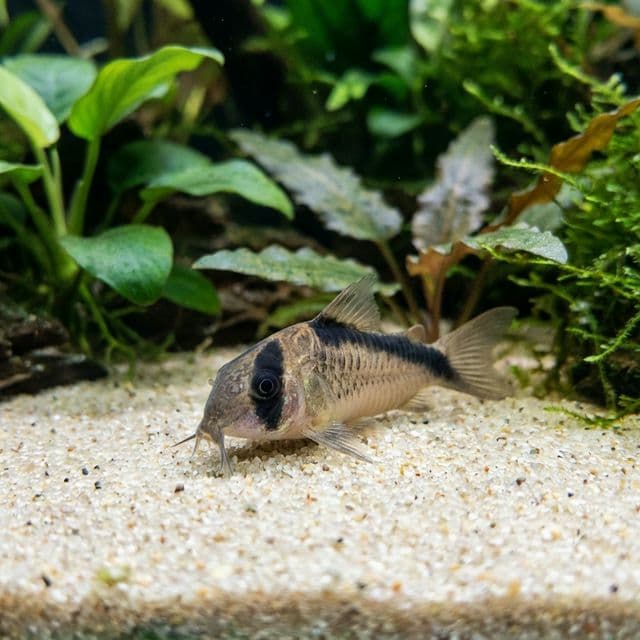
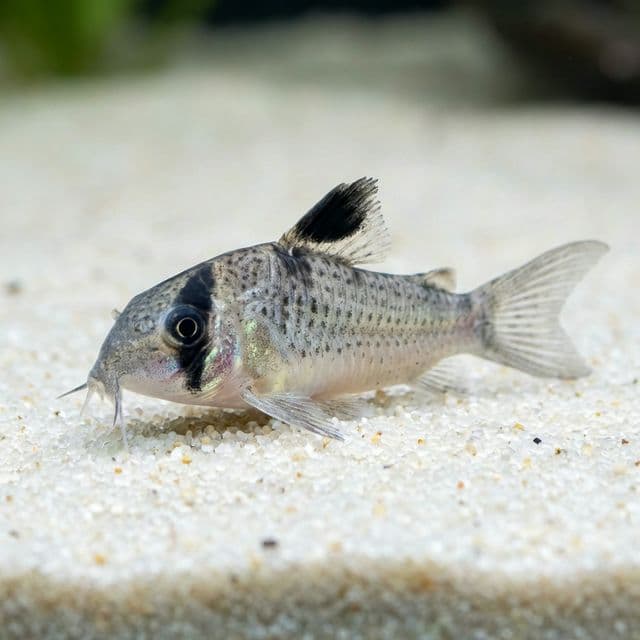
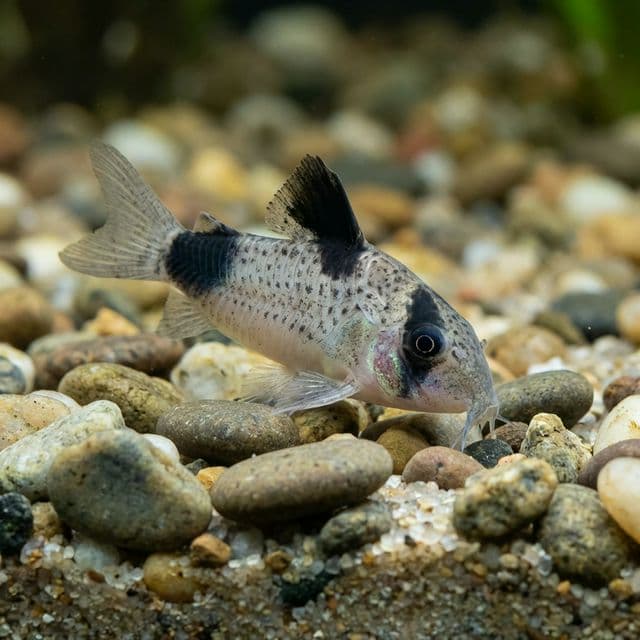
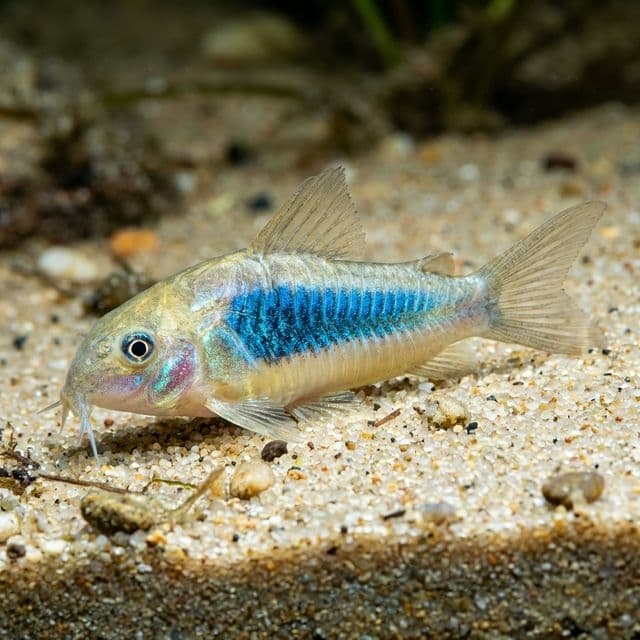
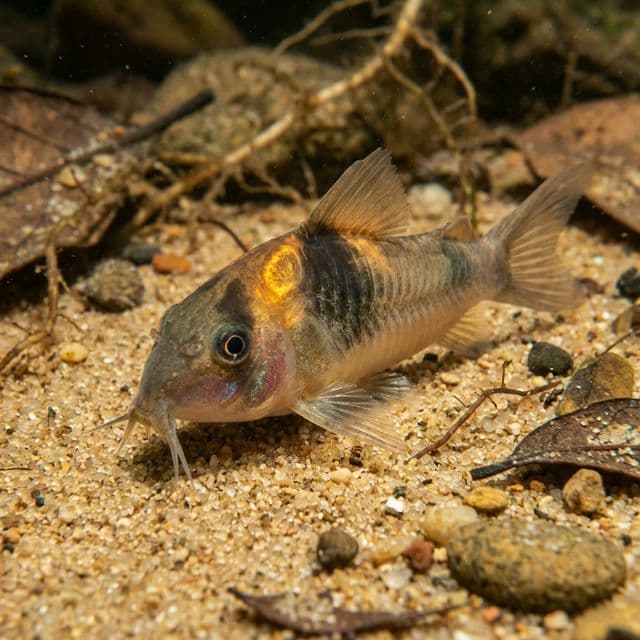
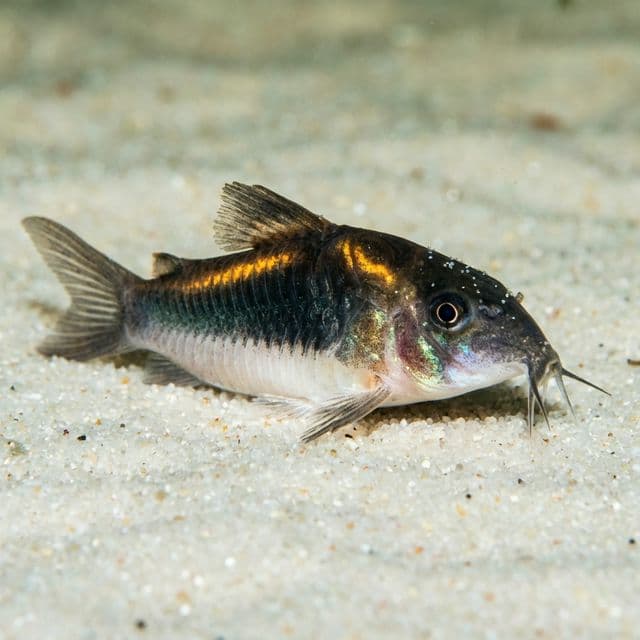
Burgess' Cory: Hoplisoma burgessi
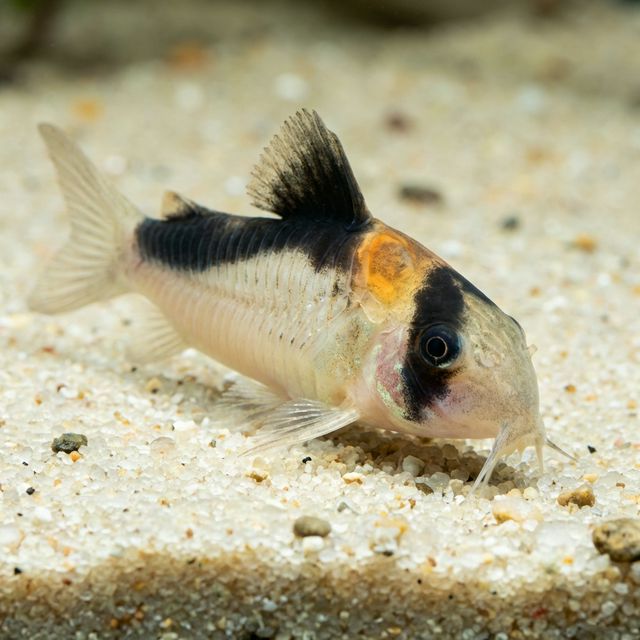
Similar to the Adolfo's Cory but with a different spot pattern. A beautiful, peaceful bottom dweller.
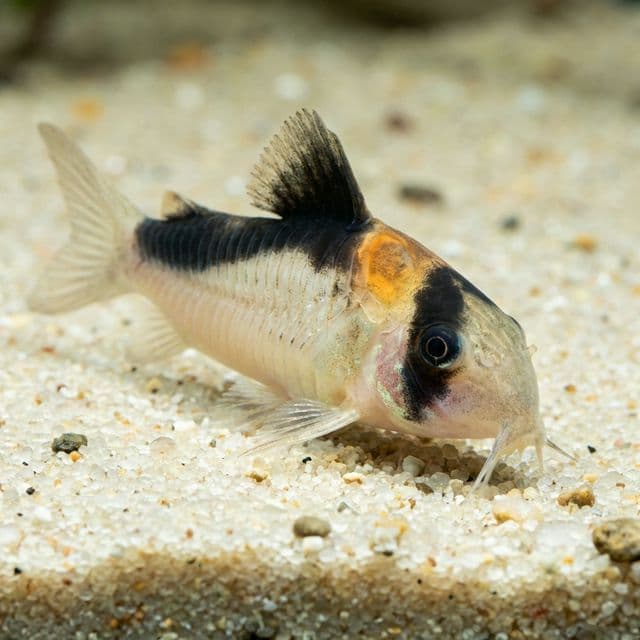
Burgess' Cory
Burgess' Cory, scientifically known as Hoplisoma burgessi, is an enchanting species of freshwater fish that has captured the hearts of aquarium enthusiasts around the globe. This small and attractive fish typically grows to a length of about 2 inches (5 cm), showcasing a unique coloration that can range from bronze to olive green, often with striking dark spots that adorn its body. Its streamlined shape and delicate fins add to its visual appeal, making it a favorite for aquarists who appreciate not only aesthetics but also the gentle demeanor of this species. The Burgess' Cory’s graceful movement through the water adds a dynamic quality to any tank, contributing to an aquatic ecosystem that is both serene and lively.
Significance in the aquarium hobby extends beyond its beauty; the Burgess' Cory is known for its role as a bottom-dweller and scavenger, helping to maintain tank cleanliness by consuming leftover food and organic debris. This behavioral trait, combined with its non-aggressive temperament, makes it an excellent choice for community tanks. As a relatively hardy species, it is well-suited for both novice and experienced aquarists, making it a common entry point into the world of catfish. With its captivating appearance and vital contributions to ecological balance in the aquarium, Burgess' Cory stands out as an essential member of the freshwater community.
Natural Habitat & Origin
Burgess' Cory originates from the rivers and streams of Brazil, specifically the Rio Orinoco Basin. These waters are characterized by their blackwater conditions, which are enriched with tannins from decaying plant matter, leading to low pH values that can range from 5.5 to 7.0. In their natural habitat, the Burgess' Cory is often found in slower-moving waters with a sandy substrate and plenty of aquatic vegetation, including submerged roots and leaf litter. These environmental conditions not only provide essential cover from predators but also contribute to the fish’s overall health and well-being.
The ecological context of Burgess' Cory highlights its adaptation to a niche filled with rich organic debris, which serves as both a food source and a vital element for breeding purposes. Understanding these natural preferences helps aquarists create an optimal environment that mimics the fish's native habitat, ensuring that they thrive in captivity and display their natural behaviors.
Care Requirements
To successfully keep Burgess' Cory in your aquarium, it is crucial to replicate its natural habitat as closely as possible. The ideal water parameters for this species are a pH between 6.0 and 7.5, with a temperature range of 72°F to 78°F (22°C to 26°C) and moderate hardness of around 3 to 10 dGH. It's imperative to conduct regular water changes and maintain good filtration to keep toxins at bay; soft, slightly acidic water closely mimics the fish's native environment.
When it comes to tank setup, a minimum tank size of 20 gallons is recommended to adequately accommodate a small school of at least six individuals. The substrate should be soft, such as fine sand or smooth gravel, to protect their sensitive barbels. Lighting should be subdued to replicate the low-light conditions of their natural habitat, and the tank should be enriched with various hiding spots created by driftwood, rocks, and live or artificial plants. A well-planted aquarium not only enhances the visual appeal but also provides necessary cover and breeding sites.
Diet & Feeding
Burgess' Cory is classified as an omnivore, which means it thrives on a varied diet that includes both plant-based and protein-rich foods. A balanced diet should comprise high-quality flakes, pellets, and granules specifically designed for bottom feeders. Freeze-dried foods, such as bloodworms and brine shrimp, can be offered as occasional treats to enhance nutrition and stimulate natural foraging behaviors. It is also beneficial to incorporate fresh vegetables like blanched zucchini or spinach into their diet 2-3 times a week for added fiber and nutrients.
Ensuring that the Burgess' Cory receives a nutritious and diverse diet is crucial for its overall health, growth, and vibrancy. Regular feeding will promote optimal activity levels and reduce the risk of malnutrition, maintaining these captivating fish in peak condition.
Behavior & Temperament
Burgess' Cory is renowned for its peaceful nature, making it an ideal addition to community aquariums. This species exhibits gregarious behavior and should be kept in groups of at least six, as they are social fish that thrive in the company of their own kind. In larger groups, they often display their full spectrum of behaviors, including playful interactions and coordinated swimming patterns. These fish primarily occupy the bottom layers of the tank but will occasionally venture into mid-water, especially when foraging for food.
The temperament of Burgess' Cory is highly non-aggressive, making it compatible with various community tank mates. Aquarists will observe them engaging in activities such as scavenging, hiding, and swimming in unison, which adds to the aesthetic delight of the aquarium.
Tank Mates
When selecting tank mates for Burgess' Cory, it's essential to opt for peaceful species that share similar water parameters. Compatible community fish include tetras (like Neon and Cardinal Tetras), rasboras, other small catfish (like pygmy cories and otocinclus), and peaceful dwarf cichlids. These fish not only complement the Cory's gentle nature but also contribute to a vibrant and dynamic aquatic ecosystem.
However, it is advisable to avoid aggressive or boisterous species such as cichlids or larger barbs, which may stress or harm the Burgess' Cory due to their timid disposition. Additionally, avoid keeping them with fin-nippers that could cause injury, ensuring a peaceful coexistence in the shared aquarium environment.
Breeding
Breeding Burgess' Cory in captivity is a rewarding endeavor, although it requires specific conditions to inspire spawning. To initiate breeding, set up a breeding tank with a soft, fine substrate and ensure good water quality with slightly lower temperature levels around 68°F to 72°F (20°C to 22°C). The addition of spawning mops or fine-leaved plants will provide nesting areas where females can deposit their eggs, as they prefer to lay eggs over surfaces.
To stimulate spawning, encouraging separate conditioning of the breeding pair with high-quality foods and slightly cooler water can be effective. Once ready, the female will lay a cluster of eggs and the male will fertilize them. After spawning, it is advisable to remove the adults to prevent them from consuming the eggs. The eggs will typically hatch within 3-5 days, and the fry can be fed with infusoria until they are large enough to transition to finely crushed flakes or specialized fry foods.
Common Health Issues
Burgess' Cory, like other freshwater fish, is susceptible to various health issues, including common ailments such as Ich, fin rot, and bacterial infections. Ich, or white spot disease, can manifest as small white cysts on the skin and gills, typically due to stress or poor water conditions. Prevention through proper tank maintenance, stable water parameters, and minimizing stress factors is essential. When addressing health concerns, timely treatment with appropriate medications and increased water quality will aid recovery.
Routine observations will allow aquarists to catch potential health issues early, ensuring the Burgess' Cory remains a healthy and vibrant part of the aquarium community for years. Soft sand substrate protects delicate barbels, while regular substrate cleaning and partial water changes keep pathogens in check. Quarantine newcomers and avoid harsh medications unless necessary. Watch for white spots, reddened whiskers, clamped fins, or labored breathing, and treat promptly while improving water quality. A varied sinking diet and a proper school further support immunity. With stable parameters, Burgess' Corys remain playful, hardy bottom dwellers that enrich any peaceful community tank.