Burmese Spotted Snakehead: Channa ornatipinnis
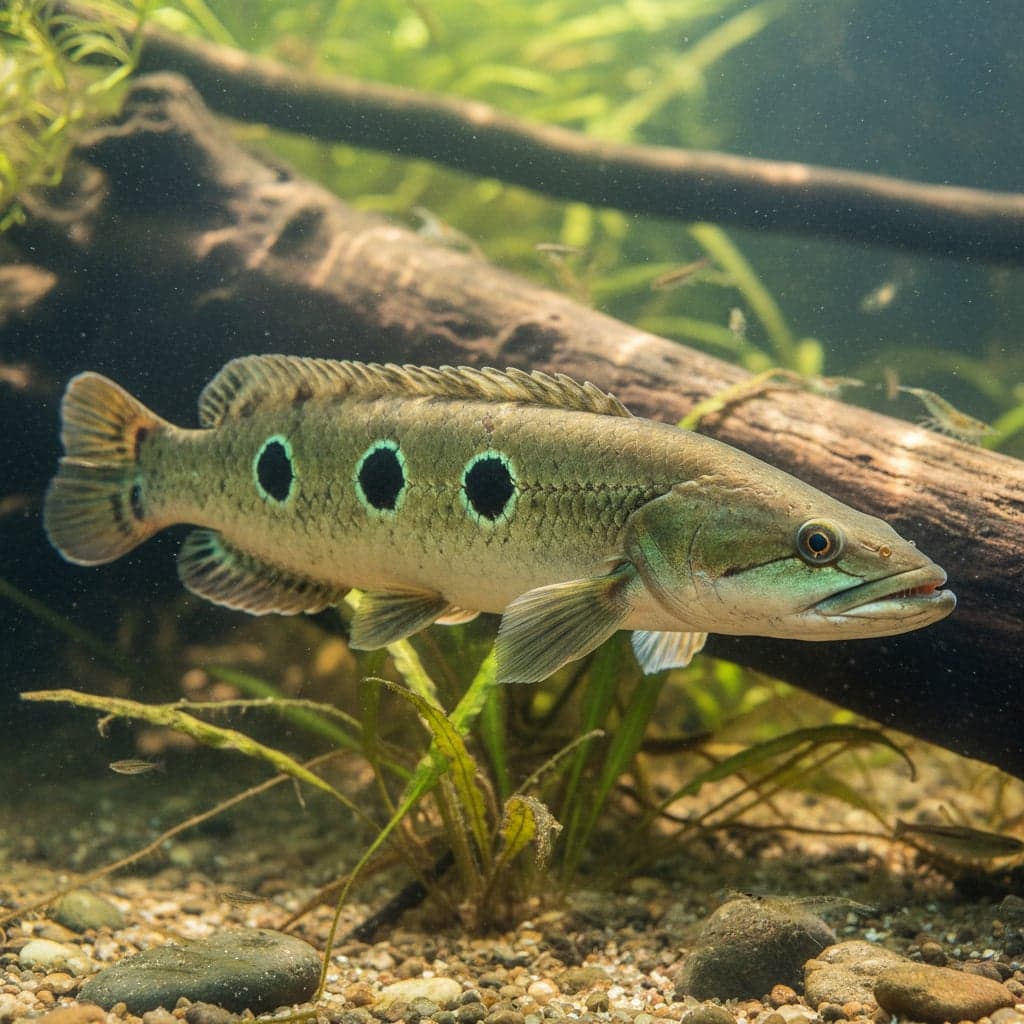
A stunning, smaller snakehead species with large black spots and orange pectoral fins. Subtropical.
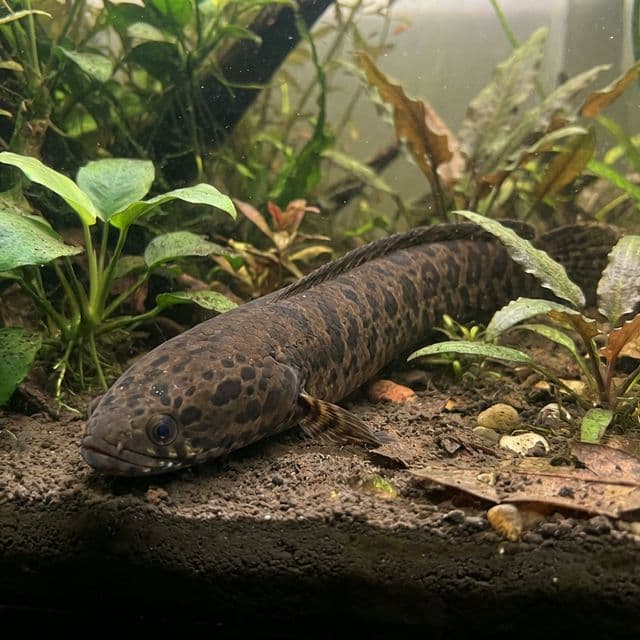
Burmese Spotted Snakehead
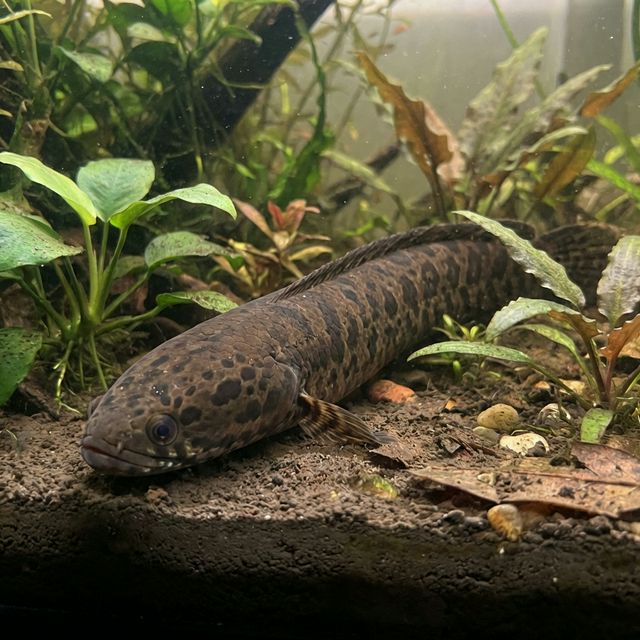
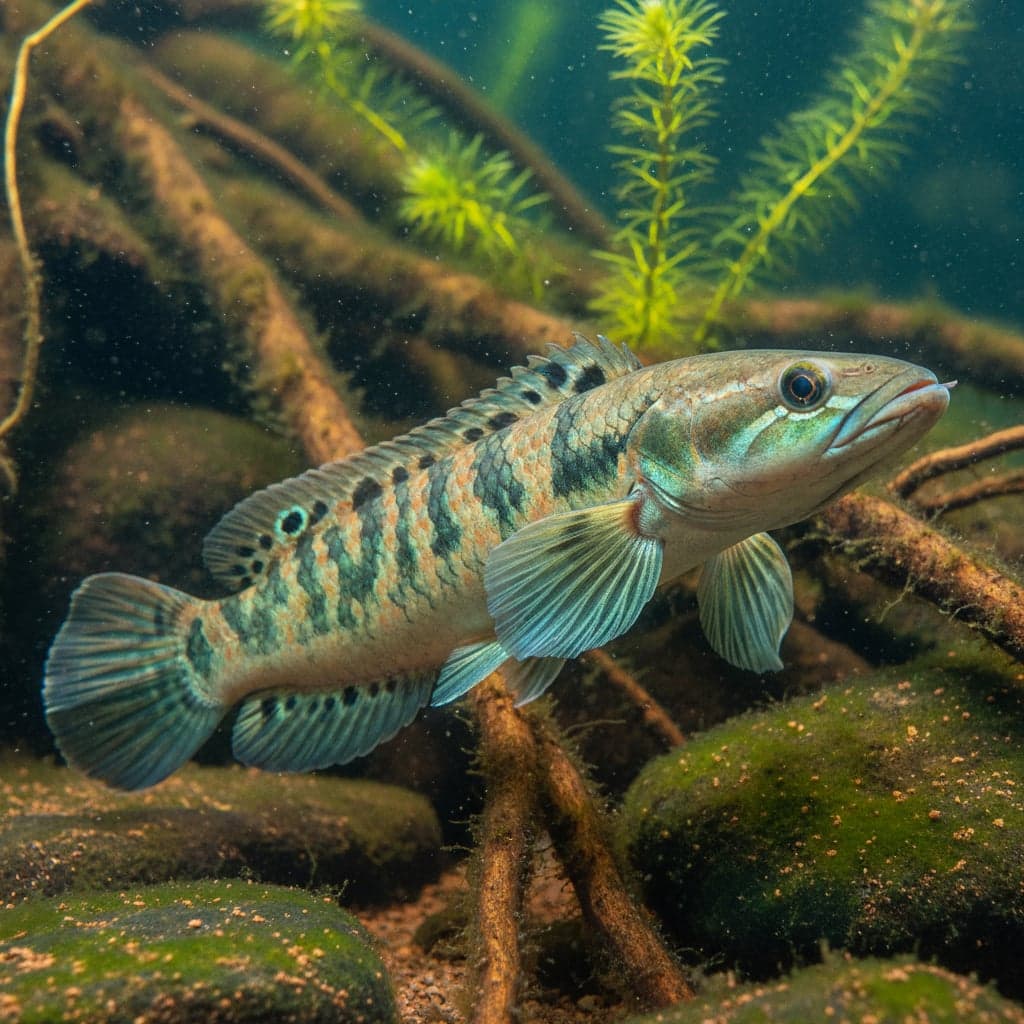
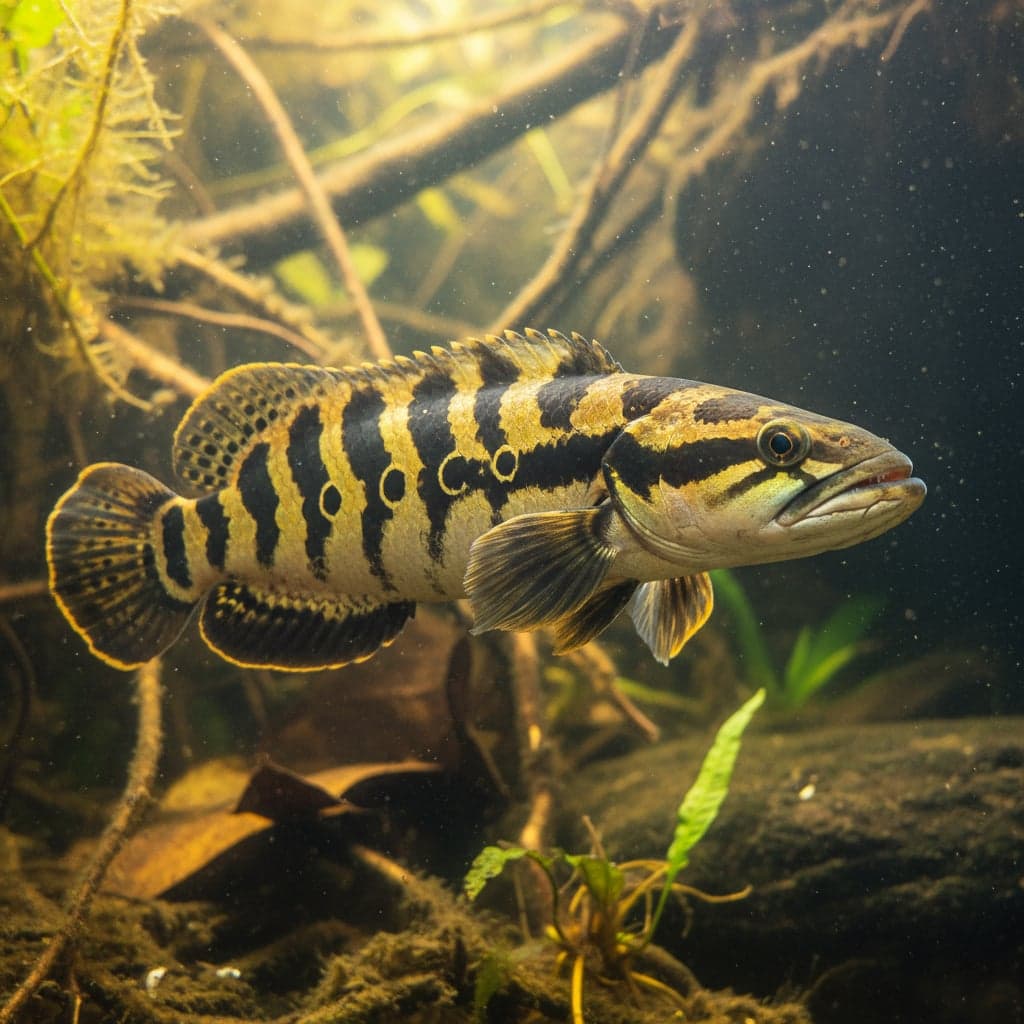
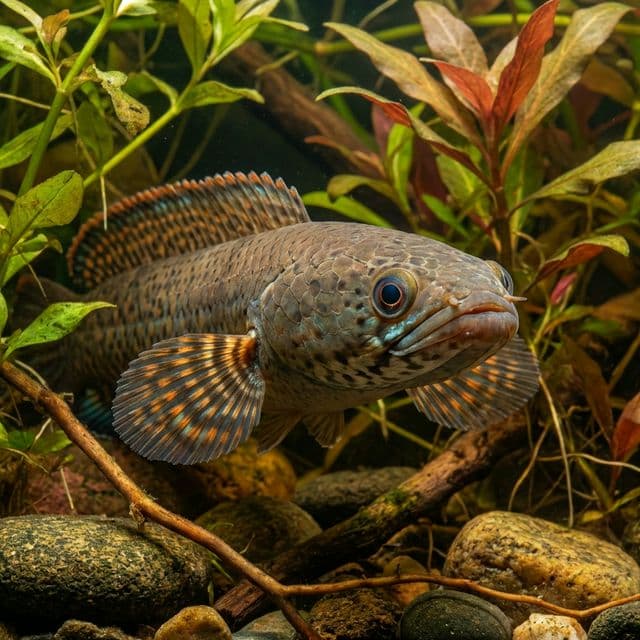
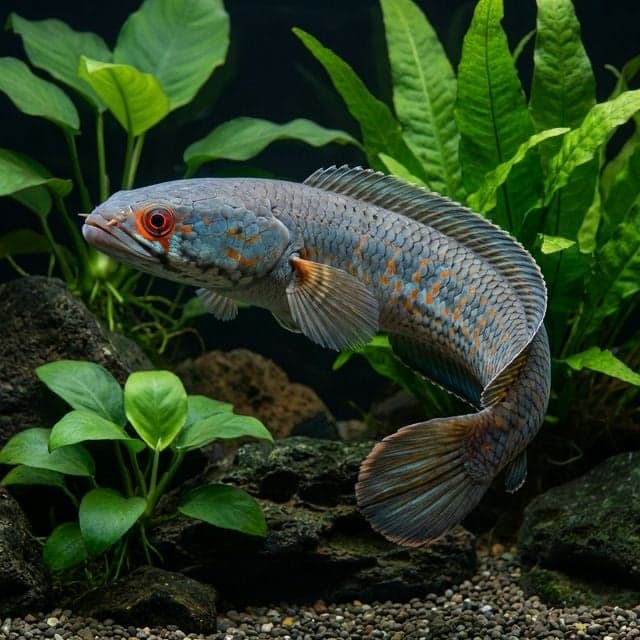
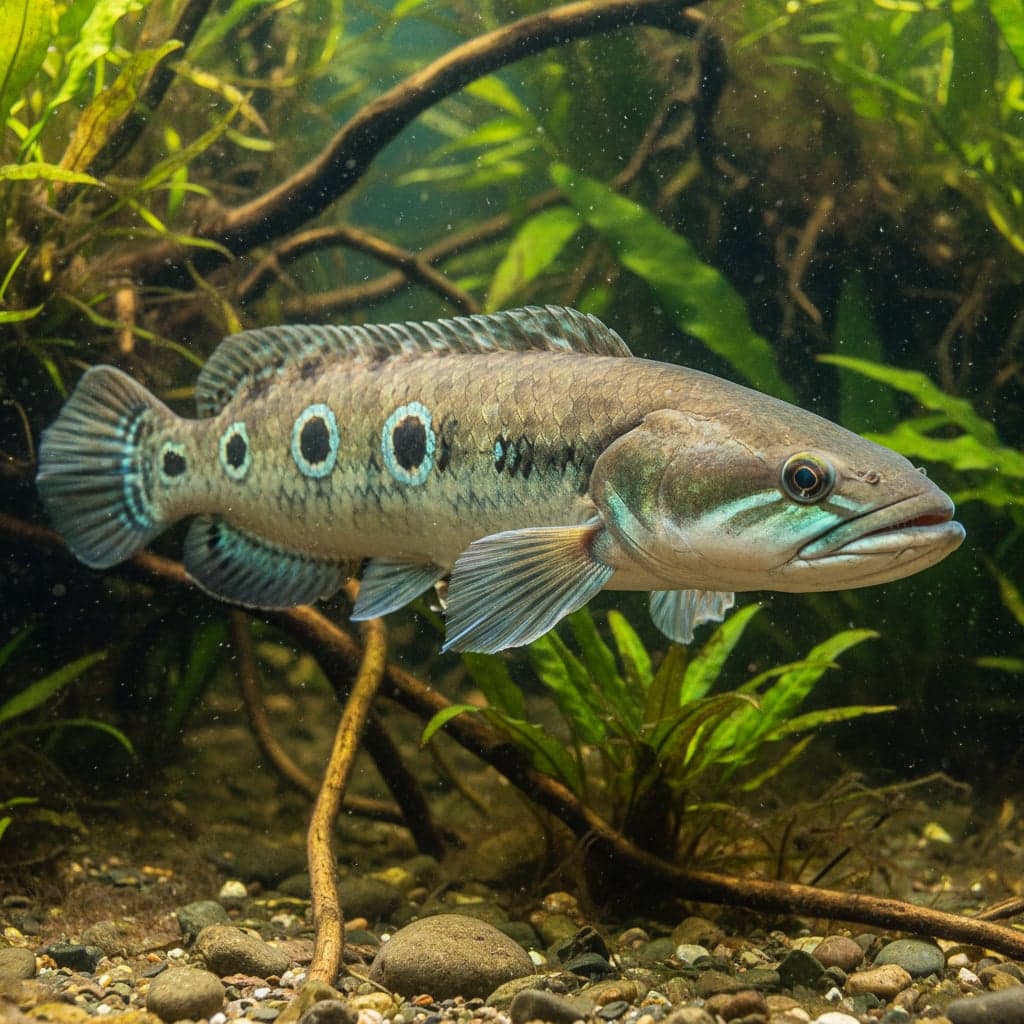
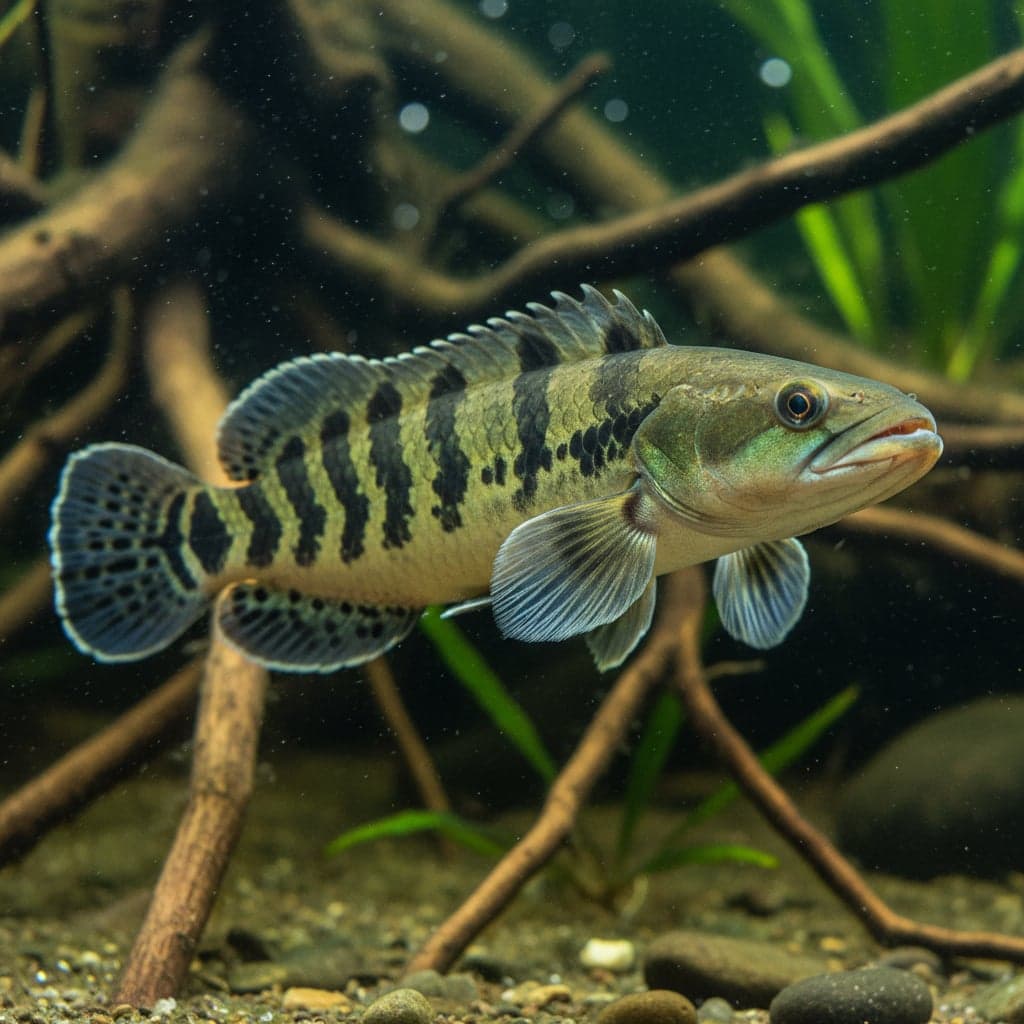
The Burmese Spotted Snakehead (Channa ornatipinnis), an intriguing and visually striking species of fish, is gaining popularity among aquarium enthusiasts. Characterized by its elongated body, vibrant coloring, and unique spotting along its flanks, this fish captures attention effortlessly. Adult specimens can reach lengths of up to 12 inches, with a blend of greenish-brown scales and black spots, which camouflages them effectively in their natural habitat. The ornate fins further enhance its aesthetic value, making it a sought-after addition for those looking to create visually dynamic aquascapes.
In the aquarium hobby, the Burmese Spotted Snakehead is significant not only for its beauty but also for the fascination it brings to aquarists interested in predator fish. Known for its semi-aggressive behavior, this species displays a range of captivating traits, such as its ability to breathe atmospheric air and its intriguing hunting techniques. Keeping this captivating species requires knowledgeable aquarists who appreciate their uniqueness and can cater to their specific care requirements.
Natural Habitat & Origin
The Burmese Spotted Snakehead hails from the lush river systems of Southeast Asia, primarily found in Myanmar and parts of Thailand. These fish inhabit slow-moving waters, including rivers, streams, and swamps with abundant vegetation. The natural environment of the Burmese Spotted Snakehead is characterized by blackwater and sometimes clear water conditions, often enriched with leaf litter and submerged plant life. These habitats serve as important breeding grounds and provide ample cover for hunting and hiding, essential for the fish’s survival.
In these natural settings, water quality can vary greatly, but the Burmese Spotted Snakehead is accustomed to slightly acidic environments with low to moderate hardness levels. Understanding their natural habitat is crucial for creating an optimal aquarium environment that mimics these parameters, thus ensuring their health and longevity in captivity.
Care Requirements
To successfully keep the Burmese Spotted Snakehead, aquarists should aim for a tank size of at least 75 gallons, as this species requires ample swimming space and opportunities for hiding. The water parameters should ideally be maintained at a pH of 6.0 to 7.5, with a temperature range between 75°F to 82°F (24°C to 28°C). Soft to moderately hard water is preferable, with hardness levels between 5 to 15 dGH.
For habitat setup, a substrate of fine sand or soft gravel is recommended, complemented by numerous hiding spots created from driftwood, rocks, and dense aquatic plants. Moderate lighting is sufficient, along with floating plants to provide a sense of security. Planting tall, sturdy species can offer additional cover, essential for the well-being of the Burmese Spotted Snakehead while enhancing the aesthetic of the aquarium.
Diet & Feeding
The Burmese Spotted Snakehead is primarily a carnivore, though it may accept some plant matter. In captivity, a varied diet comprising high-quality pellets, frozen foods such as bloodworms, brine shrimp, or mysis shrimp, along with live foods like earthworms and small fish, is recommended. Providing a variety of foods ensures the fish receive optimal nutrition, which is crucial for their growth and health. Flake foods may also be introduced as a supplemental source of nutrition; however, quality should never be compromised.
It is essential to feed this fish appropriately sized portions and to monitor their feeding habits, as overfeeding can lead to health issues. A feeding regimen of 2-3 times per week will keep the Burmese Spotted Snakehead healthy and active.
Behavior & Temperament
The Burmese Spotted Snakehead exhibits semi-aggressive behavior, particularly towards smaller fish or those that infringe on its territory. Despite its aggressive tendencies, it can show fascinating social interactions, especially during feeding time. This species is not a schooling fish and tends to be solitary in nature; therefore, each individual should ideally have ample space to establish its territory.
In terms of vertical placement, Burmese Spotted Snakeheads are known to utilize all areas of the tank, often patrolling the mid to upper levels while seeking out prey. This hunting behavior highlights their predatory instincts and adds an exciting dynamic to the aquarium.
Tank Mates
Selecting compatible tank mates for the Burmese Spotted Snakehead requires careful consideration due to its aggressive nature. Suitable tank mates include larger, robust species such as Rainbowfish, larger Cichlids, and some Gouramis. It's critical to avoid smaller fish or timid species that may be seen as prey, such as Neon Tetras or small Rasboras. Additionally, other Snakehead species should be avoided unless housed in large, divided tanks to prevent territorial disputes.
Providing ample hiding spots and establishing a suitable environment can mitigate aggression, but constant monitoring is recommended to ensure harmonious cohabitation.
Breeding
Breeding the Burmese Spotted Snakehead in captivity can be quite challenging, as it requires specific environmental conditions to trigger spawning behaviors. Ideally, the water temperature should be elevated to around 82°F (28°C) with soft, slightly acidic water conditions. Providing a breeding area with flat stones or broad leaves can encourage females to deposit eggs.
These fish are mouthbrooders; the male will typically guard the eggs and fry after spawning, showcasing interesting parental behavior. To increase the chances of successful breeding, a separate breeding tank with minimal disturbances is recommended, along with a shift in diet towards high-protein foods prior to spawning to ensure that both the male and female are in optimal condition.
Common Health Issues
Burmese Spotted Snakeheads can be prone to certain health issues, including ich, fin rot, and velvet disease. These problems often arise from poor water quality or stress. Regularly testing water parameters, maintaining clean conditions, and ensuring a balanced diet are essential steps in prevention.
Quarantine for new arrivals and providing a stress-free environment will significantly reduce the likelihood of disease. Observing fish regularly for any signs of abnormal behavior or physical changes is crucial in early detection and treatment of health problems. Prompt action upon noticing distressing symptoms will facilitate better recovery and overall health of the population.