Calico Telescope: Carassius auratus
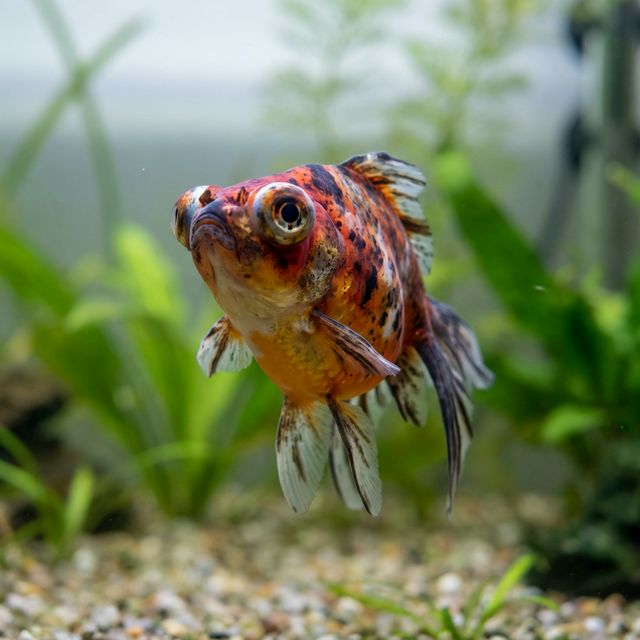
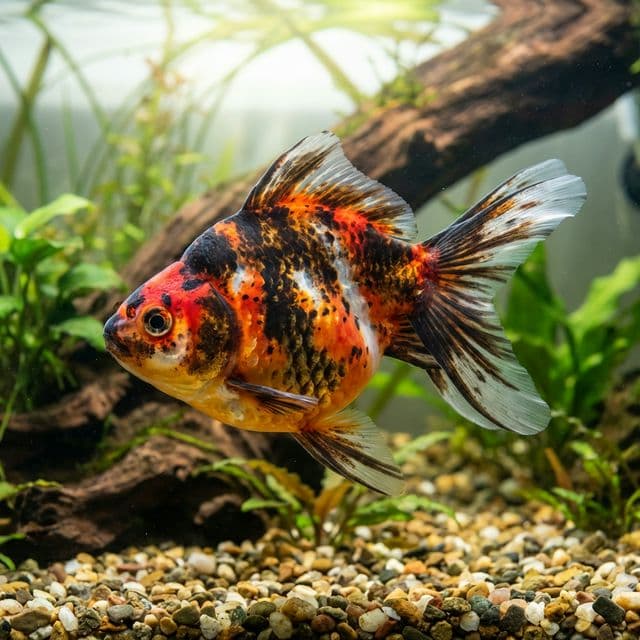
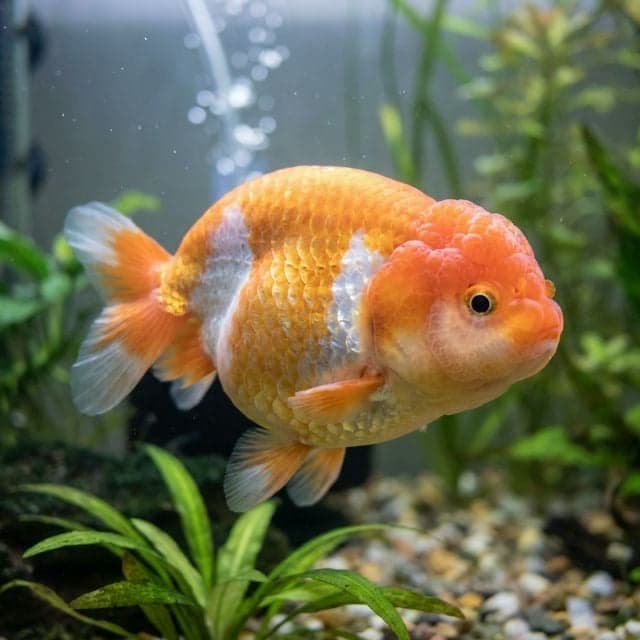
Similar to the Black Moor but with multicoloured calico scales. Features protruding eyes.

Calico Telescope
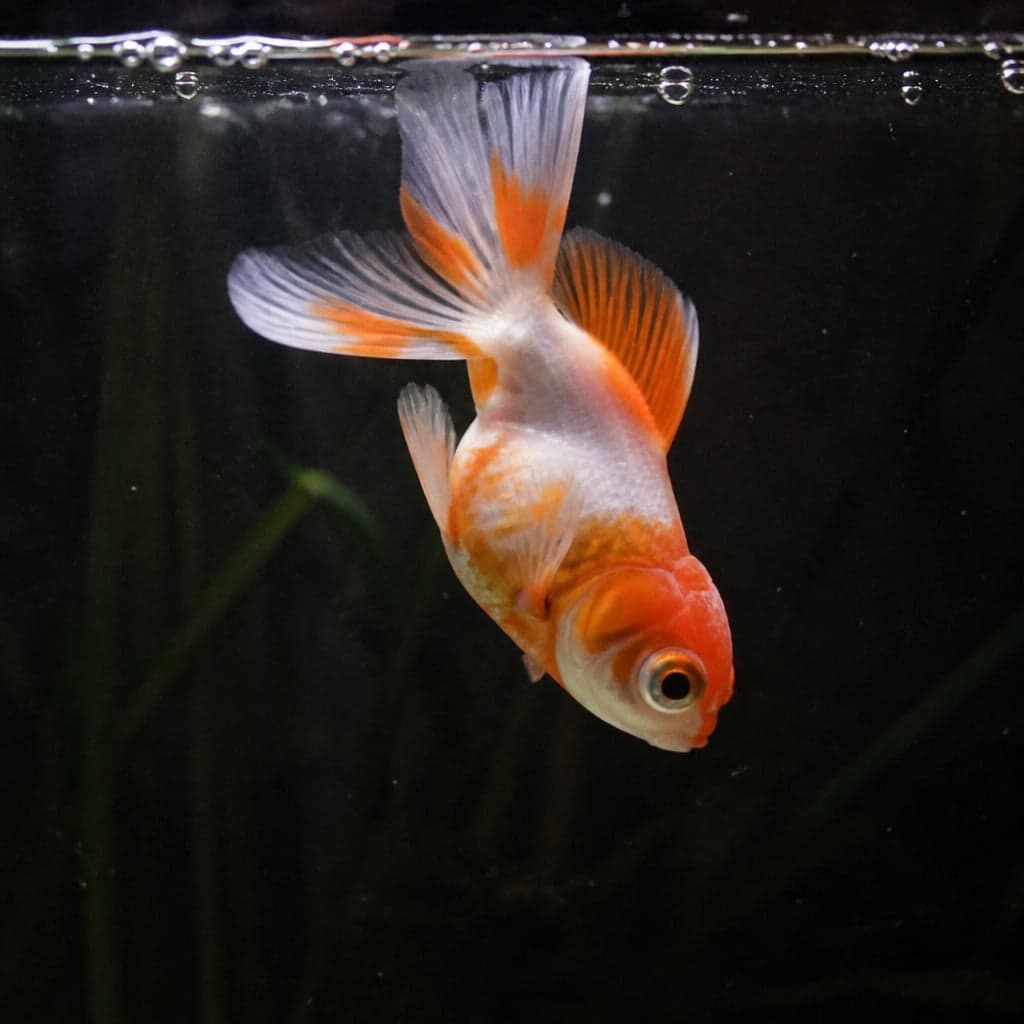
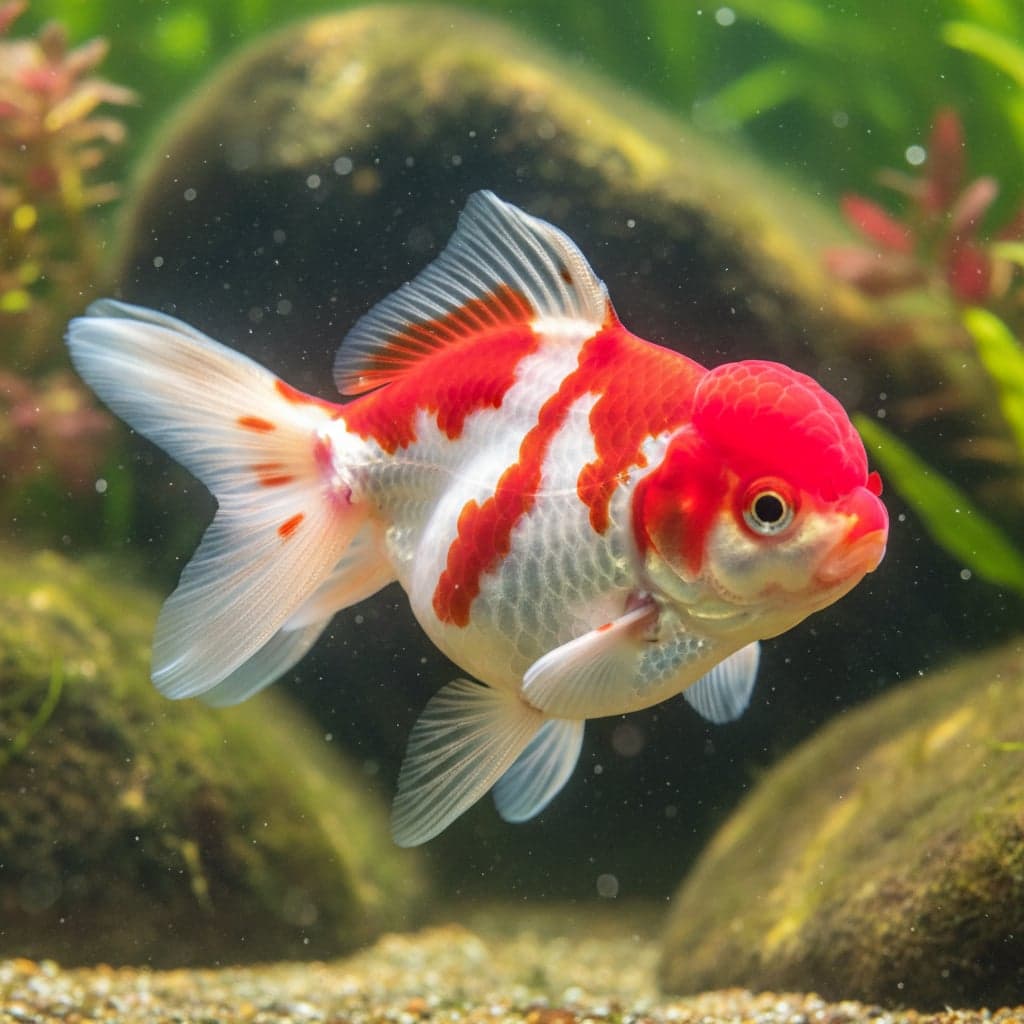
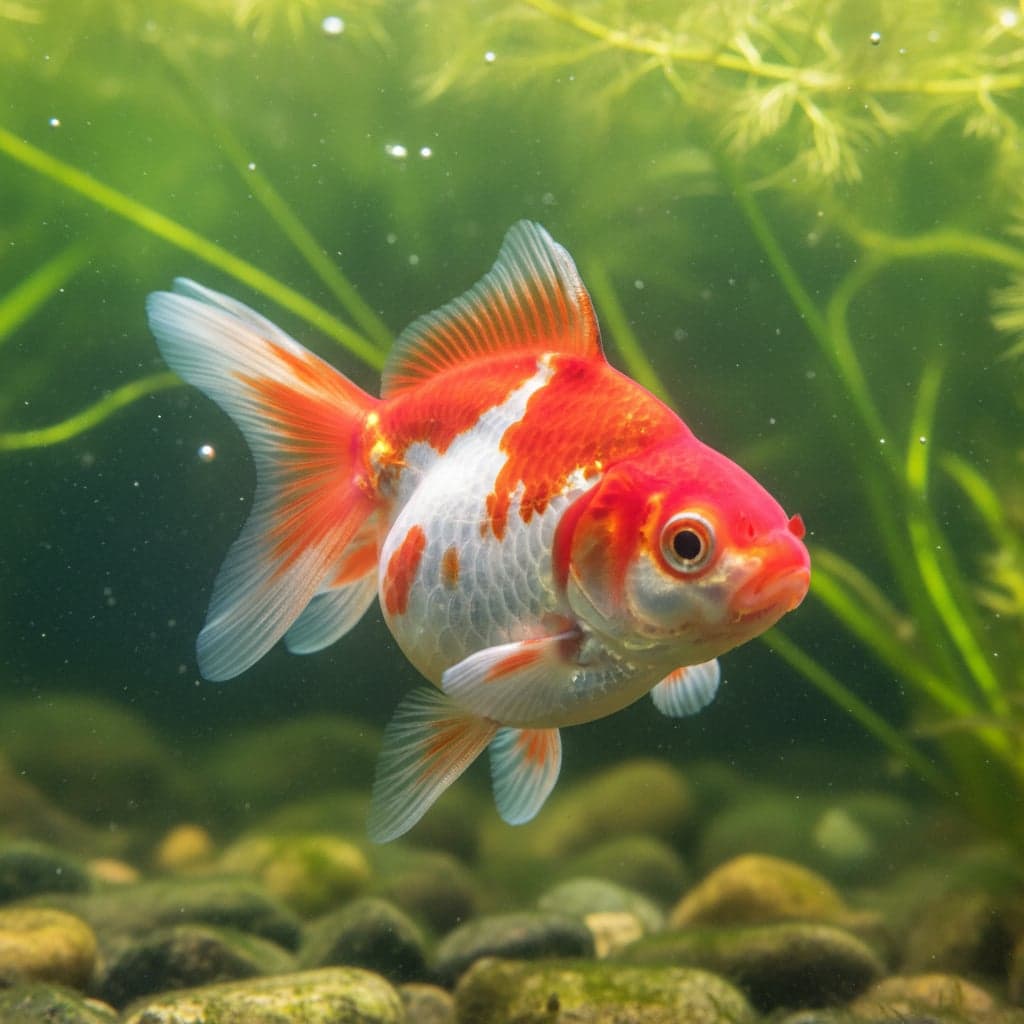
The Calico Telescope, scientifically known as Carassius auratus, is a stunning variety of goldfish that stands out in the aquarium hobby for its unique appearance and vibrant coloration. This fish features a broad body and long, flowing fins, complemented by its distinctive telescope eyes that protrude from the head. The coloration often exhibits a swirling pattern of bright oranges, whites, and blacks, evoking an artistic crystal ball, which is a major draw for aquarists. The brilliant mix of colors combined with the intriguing shape of the eyes not only makes the Calico Telescope visually appealing but also a symbol of creativity and diversity in aquaculture.
In addition to their aesthetic appeal, Calico Telescopes hold significant cultural and historical importance within the aquarium community. Goldfish, in general, have been kept for centuries, with the Calico variety being celebrated in various ornamental and competitive settings. Their distinct features are highly sought after by collectors and breeders, and they provide endless fascination for aquarists who enjoy observing their playful behavior. This confluence of visual allure and storied heritage makes the Calico Telescope a cherished addition to any aquarium setup.
Natural Habitat & Origin
The Calico Telescope is a domesticated variant of the common goldfish, which originated from the freshwater lakes and rivers of East Asia, primarily China. Over centuries of selective breeding, they have adapted for life in captivity rather than in their natural habitats. In the wild, their ancestors reside in environments characterized by slow-moving freshwater bodies with abundant vegetation, where they thrive in shallow waters that provide ample food sources and shelter.
These environments tend to vary from slightly turbid to clear waters and often contain a mix of natural substrates, such as dirt, sand, and rocks. Although these fish have adapted to living in a home aquarium, replicating their native habitat's parameters will help them thrive in captivity. The variation in habitat in their natural environment also contributes to the rich diversity of body shapes and fin configurations seen in the different goldfish varieties, including the Calico Telescope.
Care Requirements
To ensure that your Calico Telescope flourishes in your aquarium, it’s critical to provide them with specific water parameters. A suitable pH range for these fish is between 6.5 to 7.5, while the ideal water temperature should be maintained between 65°F to 75°F (18°C to 24°C). Hardness levels should ideally range from 5 to 19 dGH (degrees of general hardness). These fish are relatively hardy but still sensitive to extreme fluctuations in water quality, thus regular monitoring of the tank conditions is essential.
In terms of tank setup, a minimum aquarium size of 20 gallons is recommended to ensure ample swimming space. A fine sand or smooth gravel substrate is preferable to prevent damage to the delicate fins and body. Lighting should be moderate, as bright lighting can stress these fish. When it comes to aquatic plants, hardy species like Java Fern, Anubias, or Vallisneria work well, providing cover and enhancing the tank's aesthetic. It is important to leave open swimming spaces, as Calico Telescopes are active swimmers and appreciate ample roaming room.
Diet & Feeding
The Calico Telescope is an omnivore, meaning it thrives on a mixed diet that includes both plant and animal-based foods. A balanced diet will enhance their coloration and overall health. High-quality flakes or pellets formulated specifically for goldfish should form the primary component of their diet, ensuring that they receive essential nutrients.
In addition to dry foods, live and frozen options like brine shrimp, daphnia, and bloodworms can be offered as treats. Incorporating some blanched vegetables, such as peas or spinach, will also provide necessary fiber and help with their digestion. Feeding should be done in small portions multiple times a day, allowing the fish to consume all food within a few minutes.
Behavior & Temperament
Calico Telescopes are known for their gentle and peaceful demeanor. They are social fish that thrive in groups, making them ideal for community aquariums. Although they do not exhibit strong schooling behavior, keeping them in small groups can enhance their well-being and encourage natural behaviors. Their temperament leans towards being docile, but they may occasionally display slight dominance, especially during feeding.
In terms of tank placement, Calico Telescopes generally inhabit the middle to upper levels of the aquarium. They enjoy foraging through floating plants or exploring the top regions of the tank, but they also require space to swim comfortably. It's important to provide them with visual barriers like plants or decorations to minimize territorial disputes, especially in more crowded setups.
Tank Mates
When selecting tank mates for your Calico Telescope, it is crucial to consider species that share similar temperaments and environmental requirements. Ideal companions include other goldfish varieties, danios, and plecos, which are generally compatible with the Calico's gentle nature. Care should be taken to avoid fish with long fins or aggressive species, such as bettas or cichlids, as they may nip at the slow-moving fins of the Calico Telescope.
Additionally, ensure that tank mates are of a similar size since smaller fish could be viewed as potential food. Avoid any species known for their aggressive behaviors or high activity levels, which could stress your Calico Telescope. Choosing peaceful community fish will create a harmonious environment, allowing all species to thrive.
Breeding
Breeding Calico Telescopes in captivity can be a rewarding endeavor, provided conditions are met to encourage spawning behavior. Typically, breeding is best attempted in a separate breeding tank, which should have a minimum capacity of 40 gallons. The tank should include a spawning substrate of fine-leaved plants or spawning mops where the females can lay their eggs.
The ideal conditions for breeding include a water temperature of 75°F to 78°F (24°C to 26°C) and the pH around 7.5. Once conditions are favorable, males will display courtship behaviors—chasing and nudging females until they release eggs. After the eggs are laid, it's advisable to separate the adults to prevent them from eating their offspring. With proper care, the eggs will hatch within 4 to 7 days, and the fry can be fed with infusoria until they are large enough to accept crushed flake food.
Common Health Issues
Despite their robust nature, Calico Telescopes can be prone to a few health issues, primarily related to water quality and diet. Some common ailments include swim bladder disease, which affects their buoyancy, and fin rot, often a result of poor water conditions. Regular water testing and routine maintenance are essential in mitigating these issues.
To prevent diseases, it’s advisable to maintain clean water conditions, perform regular water changes, and avoid overfeeding. Quarantining new fish before introduction into the main tank can also prevent the spread of diseases. Monitoring your Calico Telescope for signs of stress, such as abnormal swimming behavior or discoloration, will allow for prompt intervention if health issues arise.